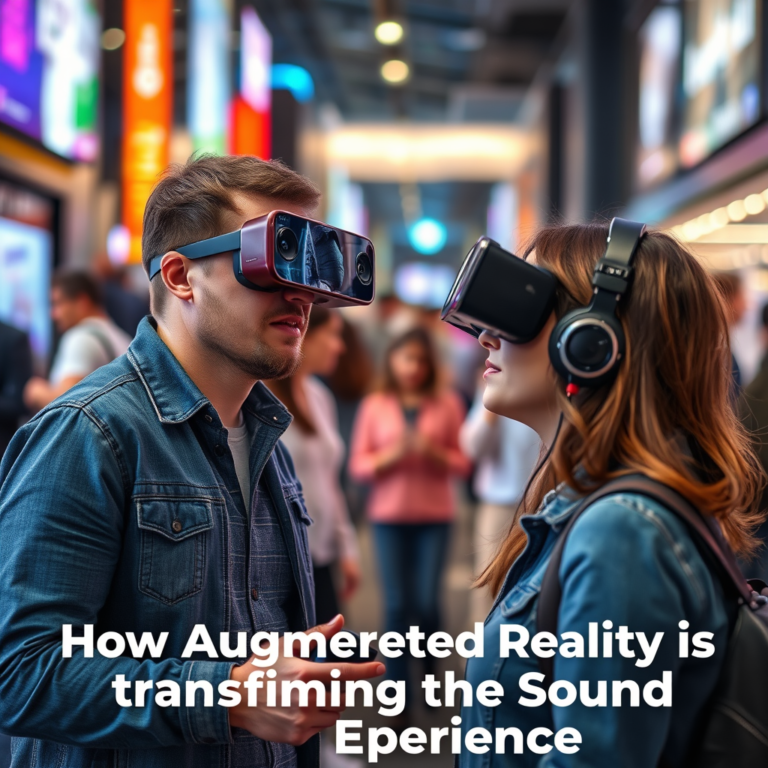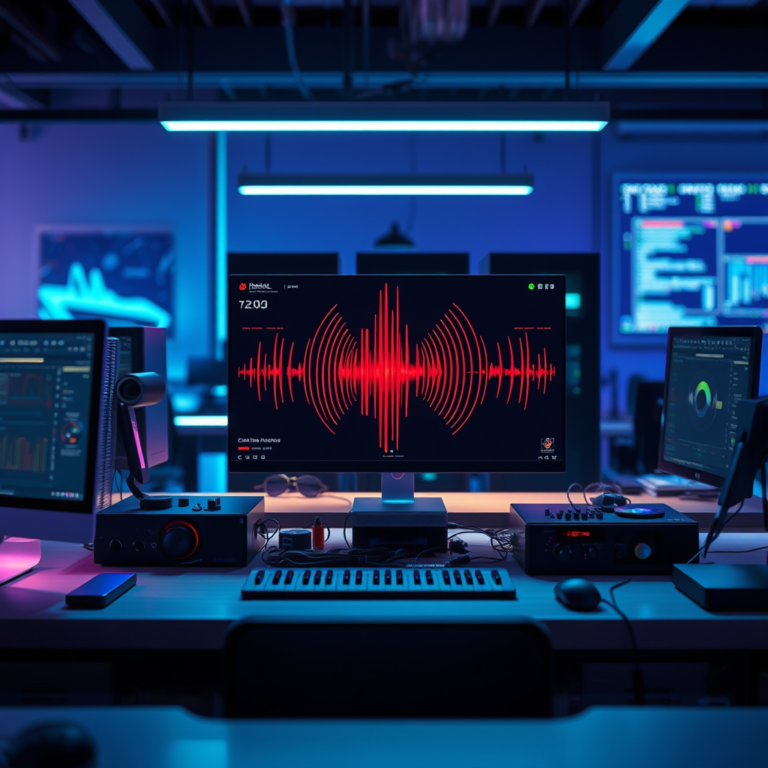


Holophonic sound is an advanced audio technique that revolutionizes the way we experience sound by creating an immersive, three-dimensional auditory environment. By simulating the way our ears naturally perceive sound, it opens up a world of possibilities in music, entertainment, therapy, and beyond. This article will dive into the science behind holophonic sound, explain how it works, and explore its diverse applications across various fields, revealing its potential to transform audio experiences.
Understanding Holophonic Sound
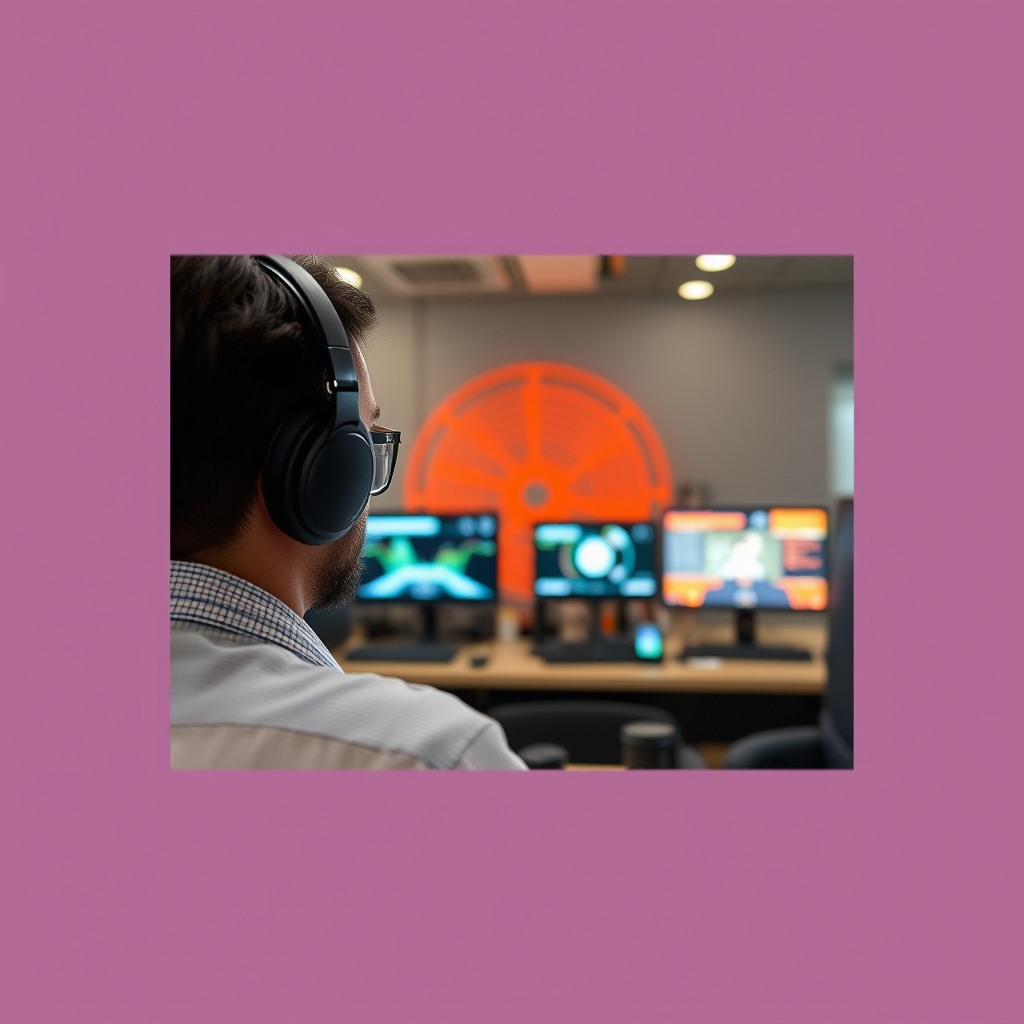
Holophonic sound is based on the principles of binaural audio, where two microphones capture sound from different angles to mimic human hearing. Imagine listening to your favorite music while wearing headphones, and suddenly, you’re enveloped by the sound as if it surrounds you. This technique utilizes phase differences and sound wave interference to create a lifelike auditory experience, making it feel as though sounds are coming from all around the listener. Unlike traditional stereo sound, which can often feel flat, holophonic sound effectively simulates depth, allowing listeners to pinpoint the direction of sounds with incredible accuracy.
This immersive quality not only enhances music but also transforms how we engage with audio in various contexts. From nature sounds that create a calming atmosphere to complex soundscapes in virtual reality, holophonic sound offers a unique approach to audio that enhances our overall experience.
The Science Behind Holophonic Sound

At the core of holophonic sound is an understanding of the anatomy of the human ear and how sound waves interact with the head and outer ear. Our ears are designed to process sound in a way that allows us to identify the direction and distance of sounds, which is known as sound localization. Holophonic sound capitalizes on this by using specialized recording techniques, such as dummy head microphones, which are designed to closely replicate the human head’s shape and acoustics.
These dummy heads are equipped with microphones placed in the ear canals, capturing audio just as a person’s ears would. The resulting recordings contain the subtle nuances of how sound waves interact with the head and outer ear, including reflections and phase shifts. This attention to detail is what enhances the spatial quality of sound, making it feel as if you are truly within the environment represented by the recording. For instance, when you listen to a holophonic recording of a bustling café, you can hear the clinking of glasses to your left, the laughter of friends behind you, and the barista calling out orders in front of you, all as if you’re sitting right there.
Applications in Music and Entertainment
Holophonic sound is increasingly being embraced in music production to craft immersive audio experiences that captivate listeners. Artists are utilizing this technique to create albums that transport audiences into a sonic landscape, making each listening session a unique journey. For example, certain tracks by artists like Pink Floyd and Björk incorporate holophonic elements, inviting listeners to feel like they are part of the music rather than just passive observers.
In the realm of film and virtual reality (VR), holophonic sound takes storytelling to new heights. By placing the viewer in the center of the action, sound becomes integral to the narrative experience. Imagine watching a suspenseful thriller where footsteps echo all around you, or a nature documentary that makes you feel as if you’re standing right next to the animals being filmed. This immersive sound design enhances emotional engagement, making viewers feel more connected to the story being told.
Moreover, video games are also leveraging holophonic sound to create realistic environments that respond to player actions. This not only enhances gameplay but also builds a deeper emotional connection to the game’s narrative and characters.
Therapeutic Uses of Holophonic Sound
Beyond entertainment, holophonic sound is being explored for its therapeutic benefits. Its ability to create calming soundscapes can be particularly beneficial for relaxation and stress relief. Research has shown that certain sound frequencies and environments can positively impact our mental and emotional well-being. Holophonic sound can help create environments that promote mindfulness and tranquility, making it a valuable tool in audio therapy.
Audio therapy sessions often utilize holophonic recordings to aid in meditation and mindfulness practices, helping individuals improve their mental well-being. For instance, many wellness apps now feature holophonic soundscapes designed to help users unwind and focus during meditation or yoga sessions. These recordings might include serene nature sounds, gentle music, or guided meditations that feel more immersive and engaging, allowing listeners to fully immerse themselves in the experience.
The Future of Holophonic Sound
As technology advances, the future of holophonic sound looks promising, especially in the development of augmented reality (AR) and virtual reality (VR) applications. As these technologies become more mainstream, the demand for immersive audio experiences will likely increase. Holophonic sound is poised to play a crucial role in enhancing these experiences, making them feel even more realistic and engaging.
Innovations in headphone and speaker technology will further improve the accessibility and quality of holophonic sound experiences. Companies are already exploring the integration of spatial audio features into consumer electronics, allowing everyday users to enjoy holophonic recordings without needing specialized equipment. This democratization of technology means that more people can experience the benefits of holophonic sound, from gamers to film enthusiasts and beyond.
Challenges and Limitations
Despite its many advantages, holophonic sound does come with challenges and limitations. Producing effective holophonic recordings requires specialized equipment and knowledge, which can restrict its widespread use. Many audio engineers and producers are still learning how to best utilize this technique, and there is a learning curve associated with creating high-quality recordings.
Additionally, the effectiveness of holophonic recordings can vary based on the listener’s environment and the quality of playback systems. For example, a poorly designed room or low-quality headphones can diminish the immersive experience that holophonic sound aims to deliver. Therefore, while holophonic sound has great potential, both producers and listeners must be mindful of the conditions under which they experience it.
Holophonic sound offers a revolutionary approach to audio that enhances experiences in music, therapy, and technology. By simulating three-dimensional sound perception, it allows us to engage with audio in ways that were previously unimaginable. If you’re curious to explore this fascinating sound technology further, consider trying holophonic recordings yourself or seeking out experiences that utilize this immersive audio technique. The world of sound is evolving, and holophonic sound is at the forefront of this transformative journey.
Frequently Asked Questions
What is holophonic sound and how does it differ from traditional sound recording techniques?
Holophonic sound is an advanced audio technology that creates a three-dimensional auditory experience, making listeners feel as though they are in the middle of the action. Unlike traditional stereo sound, which uses two channels to create a flat auditory space, holophonic sound utilizes complex algorithms and multiple microphones to capture sound from various angles, resulting in a more immersive and realistic listening experience.
How is holophonic sound created and what technology is involved?
Holophonic sound is created using a technique called binaural recording, where two microphones are placed in a way that mimics human ear placement. This setup captures sound in a way that includes spatial cues, allowing the listener to perceive direction and distance. The recorded audio is then played back through headphones, enhancing the immersive quality and making it feel as though the sounds are surrounding the listener.
Why is holophonic sound important in modern audio applications?
Holophonic sound is significant because it enhances the auditory experience across various fields, including virtual reality, gaming, and immersive audio art. By providing a more lifelike sound environment, it allows users to feel more engaged and present in the experience, which can improve emotional responses and overall enjoyment. This makes holophonic sound a valuable tool for creators looking to push the boundaries of audio experiences.
What are the best applications of holophonic sound in media and entertainment?
The best applications of holophonic sound are found in virtual reality experiences, video games, and immersive theater productions, where creating a realistic environment is crucial. Additionally, it is often used in meditation and sound therapy sessions, enhancing relaxation and focus through immersive audio experiences. By leveraging holophonic sound, creators can deliver more engaging and memorable experiences for their audiences.
Which devices or platforms support holophonic sound playback?
Holophonic sound playback is primarily supported through headphones, as they allow for the precise delivery of the spatial audio cues that define the experience. Many modern devices, including smartphones, computers, and gaming consoles, can play holophonic recordings through compatible audio software or apps. Additionally, some streaming services and audio platforms are beginning to incorporate holophonic sound in their offerings, providing users with access to this immersive technology.
References
- https://en.wikipedia.org/wiki/HoloPhonic_sound
- https://www.sciencedirect.com/science/article/pii/S0957417418316733
- https://www.frontiersin.org/articles/10.3389/fpsyg.2021.620095/full
- https://journals.sagepub.com/doi/abs/10.1177/0305735612504164
- https://www.ncbi.nlm.nih.gov/pmc/articles/PMC5053547/
- https://www.researchgate.net/publication/337653891_Holophonic_Sound_The_Effect_of_Creative_Sound_Design_on_Consumer_Behavior
- https://www.wired.com/story/what-is-holophonic-sound/
- https://www.bbc.com/future/article/20201029-what-is-sound-and-why-is-it-so-important
- https://www.tandfonline.com/doi/full/10.1080/17560291.2020.1837753