
The evolution of sound systems from analog to digital has transformed how we experience audio, making it more accessible and versatile than ever before. This transition has not only improved sound quality but also expanded the ways we consume music and audio content. With each technological leap, the listening experience has become richer and more immersive, shaping our interactions with music, podcasts, and all things audio. In this article, we will explore the key developments in sound technology and their impact on the audio landscape.
The Birth of Analog Sound Systems
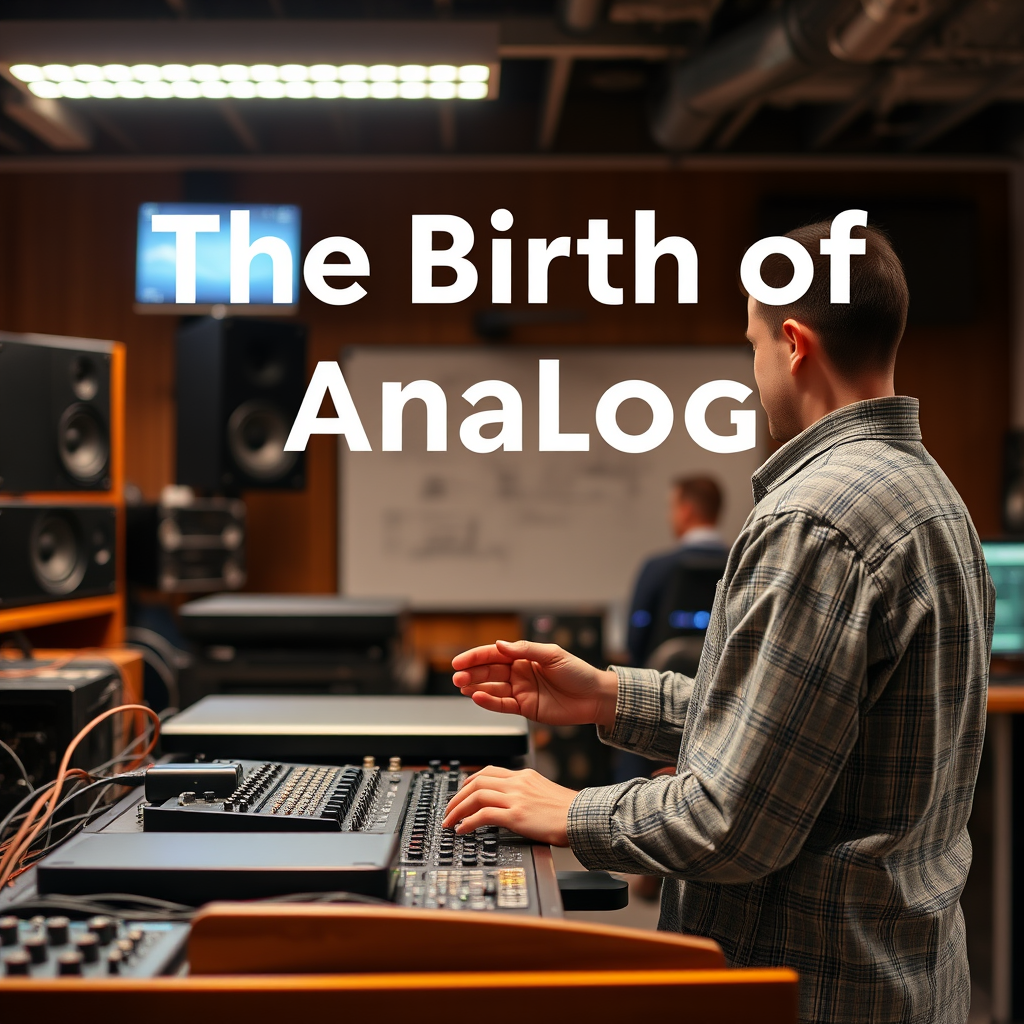
The roots of sound systems can be traced back to the early 20th century when vinyl records and cassette tapes became the primary mediums for music consumption. Vinyl records, introduced in the late 1800s, offered a warm, rich sound that many still adore today. The technology behind vinyl involves grooves that physically encode sound waves; when a needle runs through these grooves, it vibrates and produces audio.
Cassette tapes emerged in the 1960s as a more portable option, allowing people to enjoy music on the go. They utilized magnetic tape technology, which recorded sound as magnetic patterns. Despite their convenience, cassettes had limitations in sound quality compared to vinyl. However, they paved the way for mixtapes—a cherished tradition that allowed music lovers to curate personalized collections of their favorite songs.
Both formats shaped the audio landscape significantly, creating a culture around music sharing and personal expression that continues to this day.
The Shift to Digital Technology
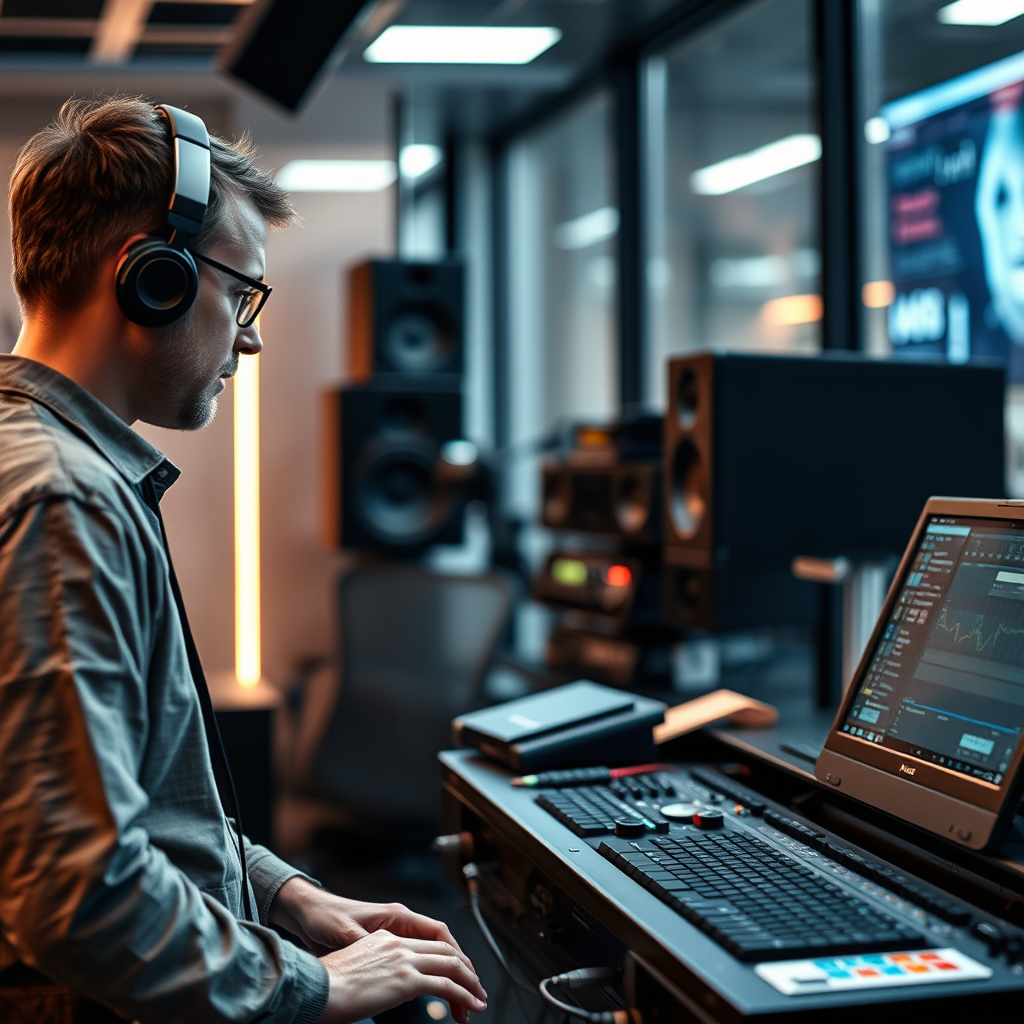
The advent of compact discs (CDs) in the 1980s marked a significant turning point in sound technology. CDs offered a dramatic improvement in sound quality due to their digital nature, which allowed for clearer and more precise audio reproduction. The ability to store music in a binary format meant that errors caused by scratches or wear were minimized, providing a more reliable listening experience.
Digital formats also revolutionized how music was stored and distributed. The introduction of the MP3 format in the late 1990s further transformed the industry, allowing users to compress audio files without significantly sacrificing quality. This made it easier to store vast libraries of music on devices like computers and, eventually, smartphones. The convenience of digital music changed the way people accessed and enjoyed their favorite tracks, laying the groundwork for the streaming revolution.
The Rise of Digital Audio Workstations (DAWs)
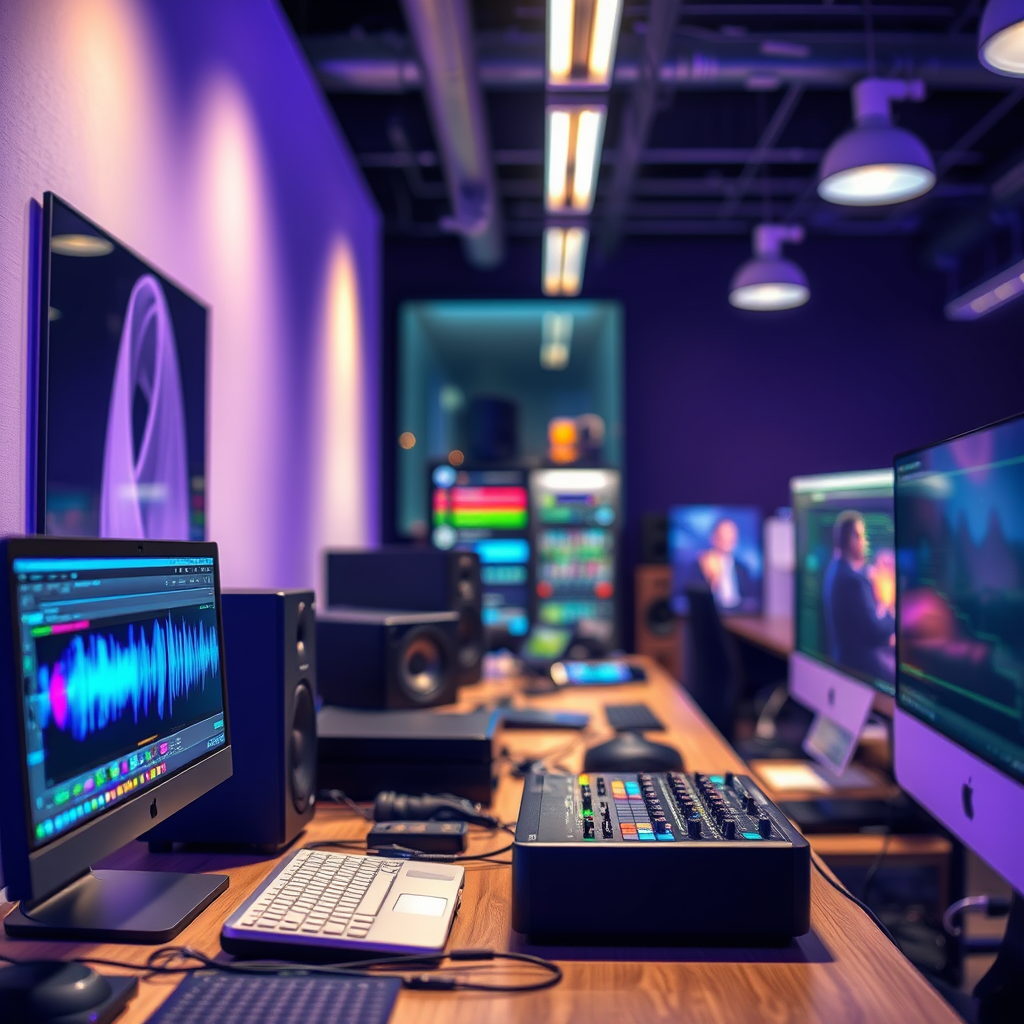
As the technology behind sound systems evolved, so too did the tools for music production. Digital Audio Workstations (DAWs) emerged as powerful software platforms that revolutionized how music is created, recorded, and edited. Programs like Pro Tools, Ableton Live, and Logic Pro have become industry standards, enabling musicians and producers to work with unprecedented flexibility and precision.
DAWs allow for multi-track recording, seamless editing, and the integration of virtual instruments, making it possible to create complex compositions without the need for extensive physical equipment. The role of software in enhancing sound editing and mixing capabilities cannot be overstated; it has democratized music production, allowing aspiring artists to produce high-quality tracks from their own home studios. This accessibility has led to a surge in independent music creation, contributing to a diverse and rich audio landscape.
Streaming Services: The New Era of Audio Consumption
The last decade has seen the rise of streaming services like Spotify, Apple Music, and Tidal, which have transformed the way we consume audio content. These platforms provide instant access to millions of songs, making it easier than ever for listeners to discover new music and curate personalized playlists. The convenience of streaming has led to a decline in physical sales and digital downloads, reshaping the music industry.
However, this shift has raised questions about artist revenue. While streaming services provide exposure to a global audience, the pay-per-stream model often leads to lower earnings for musicians compared to traditional sales. Despite this, artists like Chance the Rapper and Billie Eilish have found success by leveraging streaming to reach wider audiences and build dedicated fan bases.
The impact of streaming on music accessibility is undeniable, as it has opened up doors for independent artists and allowed listeners from all walks of life to explore diverse genres and cultures.
Innovations in Sound Quality and Formats
As technology continues to evolve, so too do the formats and quality of audio. The debate between lossless audio formats and compressed formats remains a hot topic among audiophiles and casual listeners alike. Lossless formats, such as FLAC and ALAC, preserve the original quality of the sound, providing a richer listening experience. On the other hand, compressed formats like MP3 and AAC sacrifice some quality for smaller file sizes, making them more convenient for everyday listening.
Advancements in sound technology have also led to innovations such as high-resolution audio and surround sound systems. High-resolution audio, often available through services like Tidal and Qobuz, offers a more detailed sound experience that appeals to those who prioritize audio fidelity. Surround sound systems, which use multiple speakers to create an immersive listening environment, have enhanced the experience of movies and music alike, allowing listeners to feel as though they are part of the action.
The Future of Sound Systems
Looking ahead, the future of sound systems promises even more exciting developments. Immersive audio experiences, such as 3D audio and spatial sound, are gaining traction, offering listeners a more engaging way to experience music and soundscapes. Technologies like Dolby Atmos and DTS:X are leading the charge, creating sound environments that move around the listener, rather than simply coming from a single direction.
Emerging technologies like artificial intelligence (AI) and virtual reality (VR) also hold the potential to change the landscape of sound systems dramatically. AI can be used to create personalized playlists based on listening habits, while VR offers opportunities for fully immersive concerts and experiences that transport users to different worlds.
As we continue to innovate and explore new frontiers in sound technology, the possibilities are endless. Embracing these changes will undoubtedly enhance our listening experiences in ways we can only begin to imagine.
The evolution of sound systems has led to significant changes in how we create, distribute, and experience audio. From the days of analog to the current digital age, each advancement has brought about new opportunities and challenges. As technology continues to evolve, staying informed about these changes can help you enhance your listening experience. Embrace the future of sound by exploring new technologies and platforms in the audio landscape.
Frequently Asked Questions
What are the main differences between analog and digital sound systems?
The primary difference between analog and digital sound systems lies in how they process audio signals. Analog systems convert sound waves into continuous electrical signals, resulting in a warm, rich sound but are susceptible to noise and distortion. In contrast, digital systems sample these sound waves and convert them into binary data, allowing for more precise audio reproduction and easier manipulation, but sometimes at the cost of warmth and depth.
How has the evolution of sound systems impacted music production?
The evolution of sound systems from analog to digital has significantly transformed music production by enhancing accessibility and flexibility. Digital audio workstations (DAWs) allow producers to edit, mix, and master tracks with unprecedented precision and efficiency, eliminating the need for extensive physical equipment. This shift has democratized music creation, enabling independent artists to produce high-quality music from home studios.
Why did the industry transition from analog to digital sound systems?
The industry transitioned from analog to digital sound systems primarily for reasons related to quality, convenience, and cost. Digital technology offers superior sound quality, with less noise and distortion compared to analog systems. Additionally, digital formats are easier to store, distribute, and replicate, making them more cost-effective and scalable for both artists and consumers in an increasingly digital world.
What are the best digital sound systems available today for home use?
Some of the best digital sound systems for home use include brands like Sonos, Bose, and Yamaha, each offering a range of products tailored to different needs. Sonos is known for its wireless multi-room audio systems, while Bose excels in sound quality and design. Yamaha offers versatile home theater systems with advanced features for both music and movie enthusiasts. Evaluating your space, budget, and audio preferences will help you choose the right system.
Which sound system technology should I choose for live performances: analog or digital?
The choice between analog and digital sound system technology for live performances largely depends on the specific needs of the event. Analog systems are often preferred for their warmth and simplicity, making them suitable for smaller venues and acoustic performances. However, digital systems provide greater versatility, advanced effects, and easier sound manipulation, making them ideal for larger venues and complex performances. Assess your performance type, venue size, and technical capabilities to make the best choice.
References
- Sound system
- https://www.npr.org/sections/2020/11/20/937505278/the-evolution-of-sound-from-analog-to-digital
- https://www.itu.int/en/ITU-T/focusgroups/5g/Pages/default.aspx
- https://www.sciencedirect.com/science/article/pii/S1877050921001955
- https://www.hindawi.com/journals/jece/2021/6682752/
- https://www.bbc.com/future/article/20201026-how-we-make-sound-from-analog-to-digital
- https://www.arts.gov/exploring-our-town/the-evolution-of-sound-design-in-film