
Mini-LED is a display technology that utilizes thousands of tiny LED lights to enhance contrast and brightness, offering an alternative to OLED displays. This innovative technology allows for more precise control over backlighting, resulting in impressive visual quality. In this article, you’ll learn about the fundamental differences between Mini-LED and OLED, including their respective benefits and drawbacks, helping you make an informed decision on which technology best suits your needs.
Understanding Mini-LED Technology

Mini-LED technology is a significant advancement in display technology, employing smaller LED lights for backlighting. This reduction in size allows for a higher number of LEDs to be packed into the same area, leading to improved control over brightness and contrast levels. By enhancing local dimming capabilities, Mini-LED displays can achieve deeper blacks and more vibrant colors, making them particularly appealing for a range of viewing environments.
For instance, a Mini-LED TV can have thousands of dimming zones, allowing specific areas of the screen to be brightened while others remain dark. This feature dramatically enhances the visual experience, especially in scenes with high contrast, such as dark shadows against bright highlights. Additionally, Mini-LED displays can reach significant peak brightness levels, making them excellent choices for brightly lit rooms or outdoor settings. As a result, viewers can enjoy a stunning visual performance, regardless of the ambient lighting conditions.
Understanding OLED Technology
On the other hand, OLED (Organic Light Emitting Diode) technology operates quite differently. Instead of using a backlight, OLED displays feature self-emitting pixels, meaning that each pixel generates its own light. This unique characteristic allows OLED screens to turn individual pixels on and off independently, resulting in true blacks and exceptional color accuracy. With no backlighting to bleed through, dark scenes appear incredibly rich and deep, making OLED a favorite among film buffs and gamers alike.
One of the standout features of OLED technology is its ability to produce a wide range of colors with stunning fidelity. Colors appear more vibrant and lifelike, which is especially advantageous for creative professionals working in photography or video editing where accurate color representation is crucial. Furthermore, OLED displays can be made ultra-thin and flexible, allowing for innovative designs such as curved or foldable screens. This versatility opens up new possibilities for product design and user experience.
Key Differences Between Mini-LED and OLED
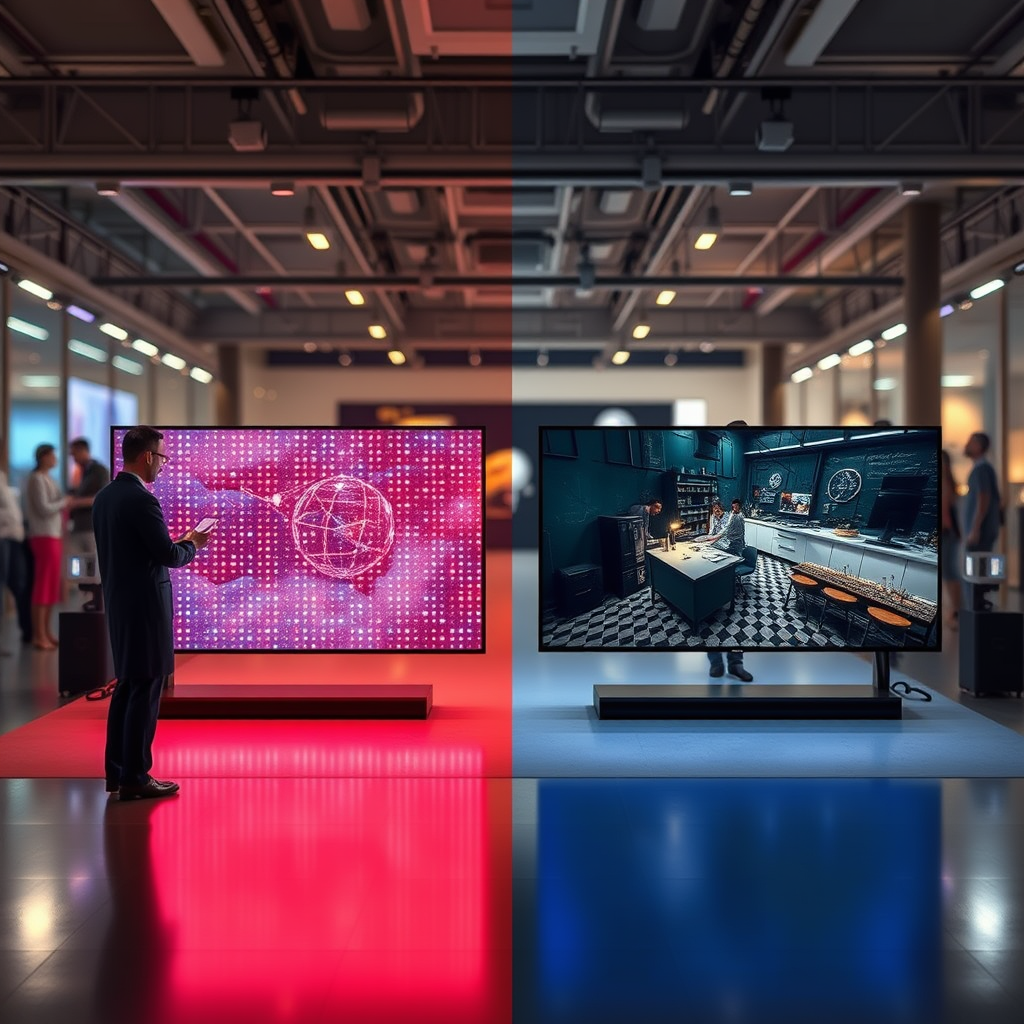
When it comes to comparing Mini-LED and OLED, several key differences emerge. One of the most significant advantages of Mini-LED technology is its higher peak brightness levels, often exceeding those of OLED displays. This feature makes Mini-LED an effective choice for well-lit environments, where the ability to combat ambient light is crucial. If you enjoy watching TV during the day or in bright rooms, Mini-LED could be the better option for you.
Conversely, OLED is renowned for its superior black levels and viewing angles. Because each pixel can be turned off completely, OLED displays deliver perfect black levels that create a striking contrast with bright colors. This feature enhances the overall viewing experience, especially in darker settings such as home theaters. Additionally, OLED screens maintain color accuracy and brightness even at wide viewing angles, making them ideal for situations where multiple viewers are watching from different positions.
Advantages of Mini-LED Displays
Mini-LED displays come with several advantages that make them an appealing choice for many consumers. One significant benefit is the lower risk of burn-in compared to OLED technology. Burn-in can occur when static images are displayed for prolonged periods on an OLED screen, leading to unwanted ghosting effects. Mini-LED displays, being reliant on a traditional LED backlight, do not face this issue to the same extent, making them more durable for users who often display static images, like news channels or gaming interfaces.
Moreover, Mini-LED displays are typically more affordable than their OLED counterparts. As production processes and technology advance, consumers can find high-quality Mini-LED TVs and monitors at competitive prices, making them a cost-effective solution for those seeking impressive visuals without breaking the bank. This affordability factor has made Mini-LED a popular choice for various applications, from gaming monitors to everyday televisions.
Advantages of OLED Displays
While Mini-LED has its strengths, OLED displays excel in several areas that make them the preferred choice for many users. One of the most notable advantages is their exceptional color reproduction and contrast. With the ability to produce true blacks and brilliant colors, OLED displays are ideal for watching movies and playing video games, where immersive visuals significantly enhance the experience. The contrast provided by OLED screens can create a sense of depth and realism that is hard to match.
Another advantage of OLED technology is its thin and flexible design. Manufacturers can create sleek, lightweight displays that are aesthetically pleasing and easy to fit into modern living spaces. This flexibility allows for innovative form factors, such as rollable TVs and curved displays, adding a touch of modernity to home entertainment setups. For those seeking cutting-edge design and unparalleled visual quality, OLED technology remains a strong contender.
Use Cases for Each Technology
Understanding the best use cases for Mini-LED and OLED technologies can help you make the right decision based on your viewing habits. Mini-LED displays are often preferred for gaming monitors and TVs where bright, vibrant visuals are prioritized. The higher peak brightness and enhanced local dimming capabilities make them ideal for fast-paced gaming, where clarity and visibility are crucial. Additionally, they serve well in family living rooms, where varying lighting conditions can challenge visual quality.
On the other hand, OLED displays are favored for home theaters and professional creative work. The technology’s ability to deliver outstanding color accuracy and contrast makes it a perfect fit for cinematic experiences. Film enthusiasts will appreciate the rich blacks and vibrant colors that bring movies to life, while photographers and videographers benefit from the precise color reproduction essential for editing work. For those who value immersive experiences and professional-grade visuals, OLED technology is often the go-to choice.
Future of Mini-LED and OLED Technologies
Looking ahead, both Mini-LED and OLED technologies are evolving rapidly, each carving out its niche in the display market. Mini-LED is becoming increasingly prevalent in mainstream displays, thanks to its affordability and strong performance across various environments. As more manufacturers adopt this technology, we can expect to see even more exciting innovations that enhance the viewing experience.
Simultaneously, OLED technology continues to advance, with improvements in longevity, brightness, and efficiency. Manufacturers are working on addressing some of the traditional drawbacks of OLED, such as burn-in and brightness limitations. As these advancements unfold, OLED is likely to remain a competitive option for those seeking high-end displays.
In summary, Mini-LED and OLED each offer unique advantages that cater to different viewing preferences and environments. Depending on your needs—whether it’s vibrant brightness or deep contrast—you can choose the technology that best fits your lifestyle. Explore your options further and consider visiting a store to see both technologies in action for a firsthand comparison. As you weigh your choices, remember that understanding the strengths and weaknesses of each technology can help you make an informed decision tailored to your viewing habits and preferences.
Frequently Asked Questions
What is Mini-LED technology and how does it work?
Mini-LED technology is an advanced form of LED backlighting used in LCD displays. It utilizes thousands of tiny LED chips to create a more precise and dynamic backlighting system, allowing for improved contrast ratios, deeper blacks, and enhanced color accuracy. By controlling the brightness of individual zones more effectively than traditional LED backlighting, Mini-LED significantly enhances the overall visual experience, making it a popular choice for high-end TVs and monitors.
How does Mini-LED compare to OLED in terms of picture quality?
While both Mini-LED and OLED offer excellent picture quality, they have different strengths. OLED displays can produce true blacks since each pixel emits its own light and can be turned off completely, resulting in perfect contrast. On the other hand, Mini-LED excels in brightness and color vibrancy, particularly in well-lit environments, making it a better choice for viewers who enjoy high brightness levels without compromising on color depth.
Why should I consider Mini-LED over OLED for gaming?
Mini-LED displays are often preferred for gaming due to their higher brightness levels and reduced risk of burn-in, a common concern with OLED technology. The rapid response times and improved HDR performance of Mini-LED can enhance fast-paced gaming experiences. Additionally, Mini-LED’s ability to maintain vivid colors in bright settings makes it an ideal choice for gamers who play in brightly lit rooms.
Which is more energy-efficient: Mini-LED or OLED?
Generally, OLED displays tend to be more energy-efficient when displaying darker content, as they can turn off individual pixels. However, in bright scenes or with high brightness settings, Mini-LED displays can be more energy-efficient due to their ability to manage backlighting effectively. Ultimately, the energy efficiency of each technology may vary based on the content being viewed and the specific implementation of the display.
What are the best use cases for Mini-LED displays compared to OLED?
Mini-LED displays are best suited for environments where bright light is prevalent, such as living rooms with large windows, as they provide superior brightness and color accuracy. They are also ideal for mixed-use scenarios, including gaming and watching HDR content, due to their fast response times and high peak brightness. In contrast, OLED displays excel in home theater setups where dark room conditions enhance their strengths in contrast and true black levels.
References
- https://en.wikipedia.org/wiki/Mini-LED
- https://www.sciencedirect.com/science/article/pii/S1369702119301971
- https://www.theverge.com/2020/12/21/22193580/mini-led-oled-tv-explained-technology
- https://www.wired.com/story/mini-led-vs-oled/
- https://www.techradar.com/news/mini-led-vs-oled-what-is-the-difference
- https://www.cnet.com/tech/home-entertainment/mini-led-vs-oled-which-is-better-for-you/
- https://www.lg.com/us/mini-led-technology
- https://www.digitaltrends.com/home-theater/mini-led-vs-oled-tv/
- https://www.tomsguide.com/news/what-is-mini-led-technology