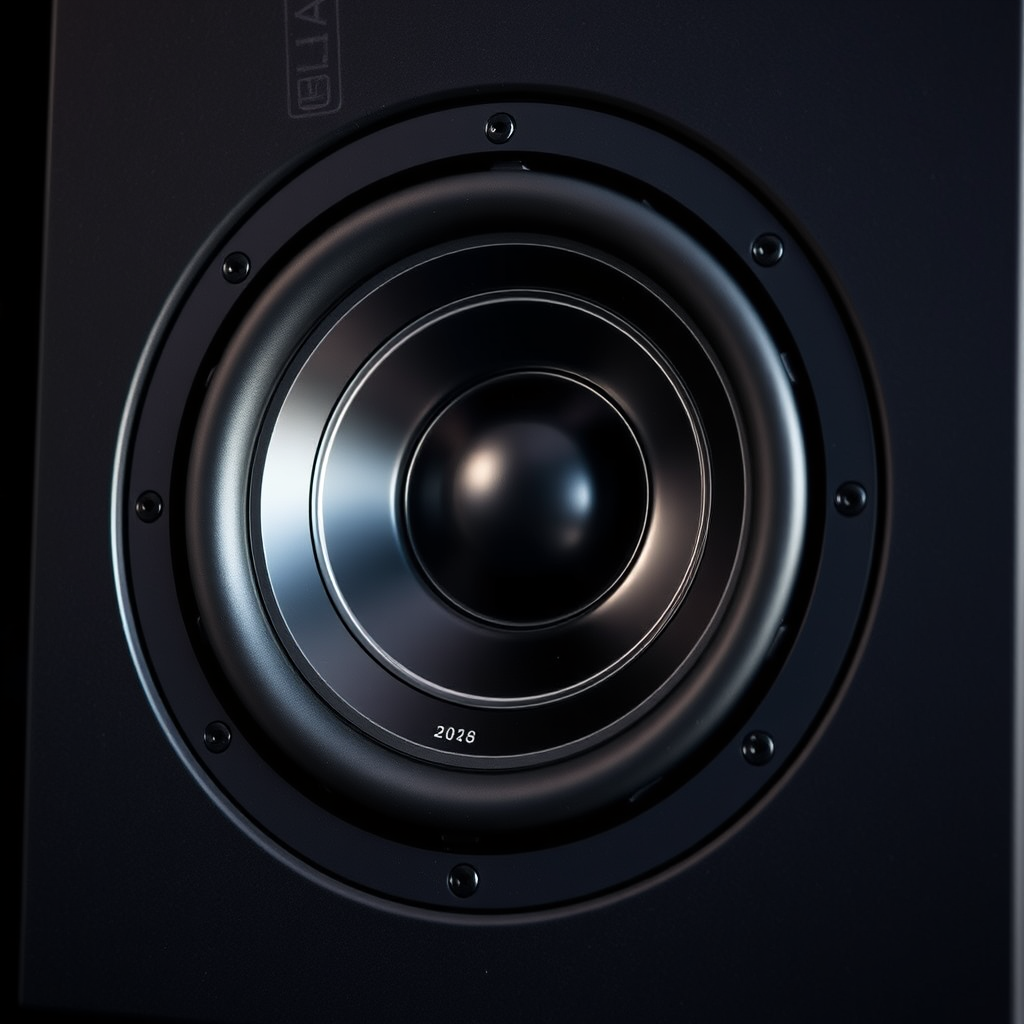

Choosing between a 10-inch and a 15-inch subwoofer ultimately depends on your specific needs and preferences. If you’re after deeper bass and higher volume capabilities, the 15-inch subwoofer tends to be the better choice. However, for smaller spaces or more controlled sound, a 10-inch subwoofer may be ideal. In this article, we’ll explore the key differences, benefits, and considerations for both options to help you make an informed decision.
Size and Design Considerations

When it comes to subwoofers, size truly matters, and this is especially evident when comparing 10-inch and 15-inch models. A larger subwoofer like the 15-inch typically requires more space, which can be a limitation if you have a smaller room or a compact setup. For example, if you’re trying to fit a subwoofer into a tiny apartment or a cozy home theater, a 15-inch model might dominate the space, making it feel cramped.
Moreover, the design of the enclosure plays a crucial role in the overall sound quality. A well-designed enclosure can enhance the performance of any subwoofer. For a 15-inch subwoofer, you’ll want to ensure that the enclosure is spacious enough to accommodate its larger dimensions without compromising sound. On the flip side, a 10-inch subwoofer can often fit into more versatile designs, making it easier to integrate into various setups, from desktop systems to car audio.
Sound Quality and Performance
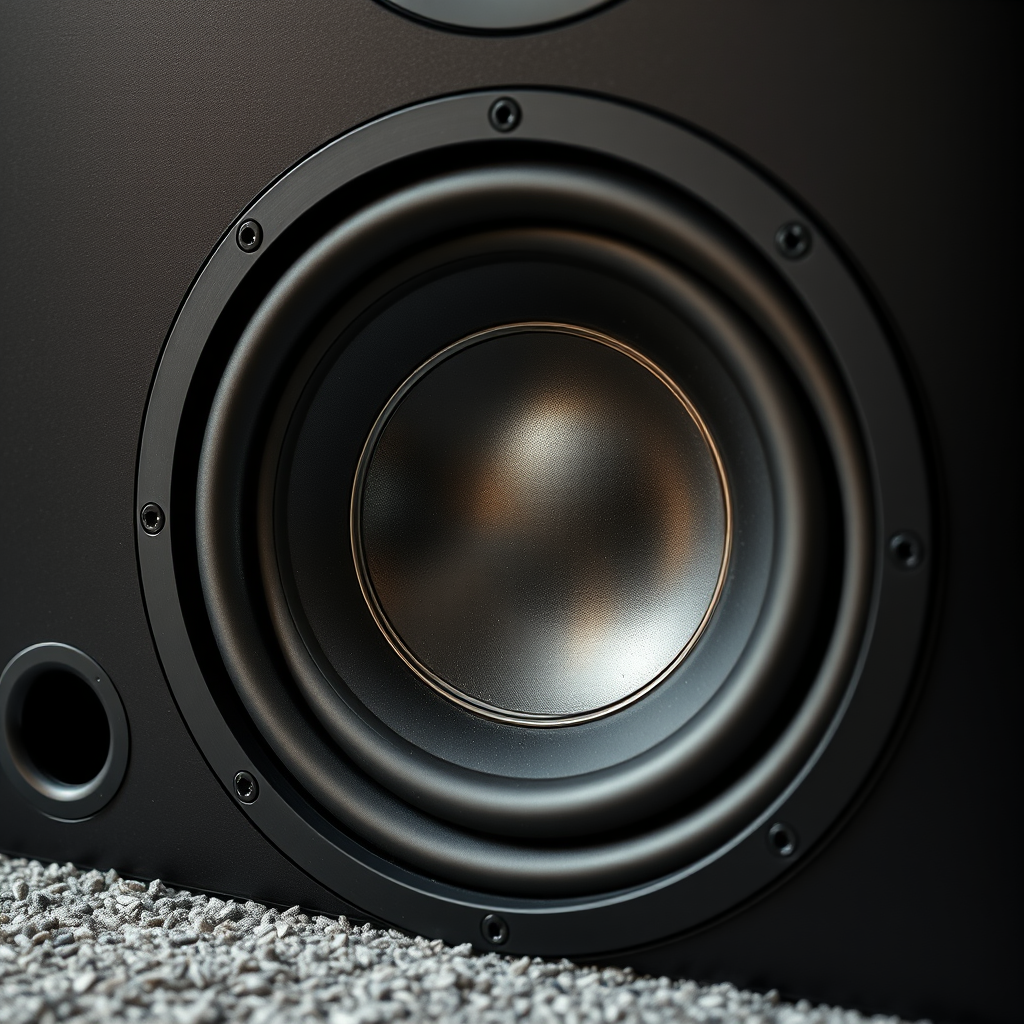
Sound quality is where the two sizes begin to diverge significantly. A 15-inch subwoofer is generally renowned for its ability to produce deeper bass frequencies, making it an exceptional choice for genres like hip-hop, electronic music, and even action-packed movie soundtracks. The sheer size allows it to move more air, which results in a richer, more immersive bass experience. If you love feeling the thump in your chest during a concert or movie, a 15-inch subwoofer may be your best bet.
In contrast, a 10-inch subwoofer, while still capable of delivering good bass, tends to produce a tighter and quicker sound. This characteristic can be particularly beneficial for genres like rock or jazz, where fast-paced rhythms and intricate melodies need to be articulated clearly. For instance, if you enjoy listening to a lot of classical music or acoustic tracks, a 10-inch sub might provide a more balanced and articulate sound without overwhelming the finer details.
Power Handling and Amplification
Power handling is another crucial factor to consider when choosing between a 10-inch and 15-inch subwoofer. Typically, 15-inch subwoofers require more power to drive them effectively. This means that you might need to invest in a more robust amplifier to get the best performance out of them. If you’re planning to use a 15-inch sub, make sure your amplifier can handle the wattage requirements; otherwise, you may not experience the full benefits of your investment.
On the other hand, a 10-inch subwoofer often performs well with lower power requirements, making it a more cost-effective choice for many users. This lower power consumption can be especially appealing for those who aren’t looking to spend a fortune on an amplifier or who simply prefer a more straightforward audio setup. For instance, if you are setting up a small home theater or a simple audio system without the need for extensive power, a 10-inch model can efficiently meet your needs while saving you money on additional equipment.
Portability and Installation
Portability is an essential consideration, especially if you plan to move your subwoofer between different locations or setups. A 10-inch subwoofer is typically lighter and easier to install, making it ideal for those who may want to transport it for parties, events, or even across rooms in their home. For example, if you’re a student living in a dorm or someone who likes to rearrange their living space frequently, a 10-inch model could be a perfect fit.
Conversely, 15-inch subwoofers can be cumbersome due to their size and weight. Installation can also be a bit more complicated, as you’ll need to ensure that you have adequate support and space to accommodate the larger enclosure. If you’re not planning on moving your subwoofer often and have the space to dedicate, then this may not be a significant issue. However, for those who value flexibility and ease of movement, a 10-inch subwoofer is the clear winner.
Price and Budget Considerations
When it comes to budget, there’s generally a noticeable difference between 10-inch and 15-inch subwoofers. 15-inch models are usually more expensive due to their size and enhanced performance capabilities. This higher cost may not fit every budget, particularly if you’re looking for a subwoofer for casual listening rather than professional-grade audio experiences.
On the other hand, 10-inch subwoofers are often a more budget-friendly option without sacrificing too much in terms of sound quality for everyday use. They can provide a solid audio experience for various applications, from home theaters to personal listening spaces, without breaking the bank. If you’re balancing quality with cost, a 10-inch model can deliver satisfying performance at a price point that won’t hurt your wallet.
Use Case Scenarios
Understanding how you plan to use your subwoofer can greatly influence your choice between a 10-inch and a 15-inch model. For home theater systems where deep bass immersion is crucial, a 15-inch subwoofer is often the go-to option. Imagine watching an action movie where the explosions resonate through the room; a 15-inch subwoofer can make you feel like you’re right in the middle of the action.
On the other hand, if you’re setting up a smaller audio system for personal listening or casual entertainment, a 10-inch subwoofer might provide sufficient bass without overwhelming the room. Whether you’re enjoying a quiet evening with some music or hosting a small gathering, a 10-inch sub can deliver quality sound without taking over your living space.
In addition, if you’re a gamer who enjoys an immersive experience without disturbing others, a 10-inch subwoofer could suit your needs perfectly. It can still provide impressive sound without the excessive volume that might come from a larger model.
In summary, the choice between a 10-inch and a 15-inch subwoofer hinges on your specific needs, space limitations, and budget. If you desire powerful, deep bass and have the space, a 15-inch model may be the way to go. However, for a more compact solution that still delivers quality sound, consider a 10-inch subwoofer. We recommend assessing your listening environment and preferences before making your decision. Whether you opt for the larger, more powerful sub or the smaller, more versatile one, you’ll be sure to enhance your audio experience.
Frequently Asked Questions
What are the main differences between 10-inch and 15-inch subwoofers?
The primary differences between 10-inch and 15-inch subwoofers lie in their size, sound output, and intended use. A 10-inch subwoofer typically delivers tighter bass with quicker response times, making it ideal for genres like rock or jazz. Conversely, a 15-inch subwoofer produces deeper bass and higher sound pressure levels, making it better suited for genres such as hip-hop or electronic music, where low-end frequencies are crucial.
How do I choose between a 10-inch and a 15-inch subwoofer for my car audio system?
Choosing between a 10-inch and a 15-inch subwoofer for your car audio system depends on your listening preferences and available space. If you want punchy bass and have limited space, a 10-inch subwoofer may be the better option. However, if you prioritize deep, rumbling bass and have enough room to accommodate a larger sub, a 15-inch subwoofer can provide a more immersive audio experience.
Why do some people prefer 15-inch subwoofers over smaller sizes?
Many audiophiles and bass enthusiasts prefer 15-inch subwoofers because they can produce lower frequencies with greater volume and depth. The larger cone area allows for more air movement, which translates to more powerful bass output. Additionally, 15-inch subwoofers are often used in home theater systems and professional audio setups where deep bass is essential for a satisfying sound experience.
What is the best application for a 10-inch subwoofer compared to a 15-inch subwoofer?
A 10-inch subwoofer is best suited for compact spaces and applications where crisp, precise bass is needed, such as in smaller cars or home audio systems designed for music with intricate sound detail. In contrast, a 15-inch subwoofer excels in larger environments, such as concert venues or home theaters, where booming bass is desired for movies and bass-heavy music genres, providing an impactful audio experience.
Which subwoofer size offers better sound quality for home theater systems, 10-inch or 15-inch?
When it comes to home theater systems, the choice between a 10-inch and a 15-inch subwoofer often depends on the room size and sound preferences. A 10-inch subwoofer may offer better sound quality for smaller rooms by providing accurate bass without overwhelming the mix, while a 15-inch subwoofer can fill larger spaces with rich, powerful bass, enhancing the cinematic experience. Ultimately, the best choice will depend on your specific audio needs and room acoustics.
References
- Subwoofer
- https://www.soundonsound.com/techniques/buying-guide-subwoofers
- https://www.cnet.com/home/audio/subwoofer-buying-guide/
- https://www.thebalance.com/how-to-choose-a-subwoofer-4471936
- https://www.researchgate.net/publication/327982611_The_Impact_of_Subwoofer_Design_on_Audio_Performance
- https://www.audioholics.com/tweaks/how-to-choose-the-right-subwoofer
- https://www.wired.com/story/how-to-choose-a-subwoofer/