
Choosing between a 7.1 and a 5.1 home theater system ultimately depends on your space, budget, and audio preferences. A 7.1 system provides a richer sound experience with additional speakers that create a more immersive atmosphere, while a 5.1 system is typically more budget-friendly and straightforward to set up. In this article, we will dive into the key differences and benefits of each system, helping you make an informed decision for your home theater setup that suits your lifestyle.
Understanding Home Theater Systems
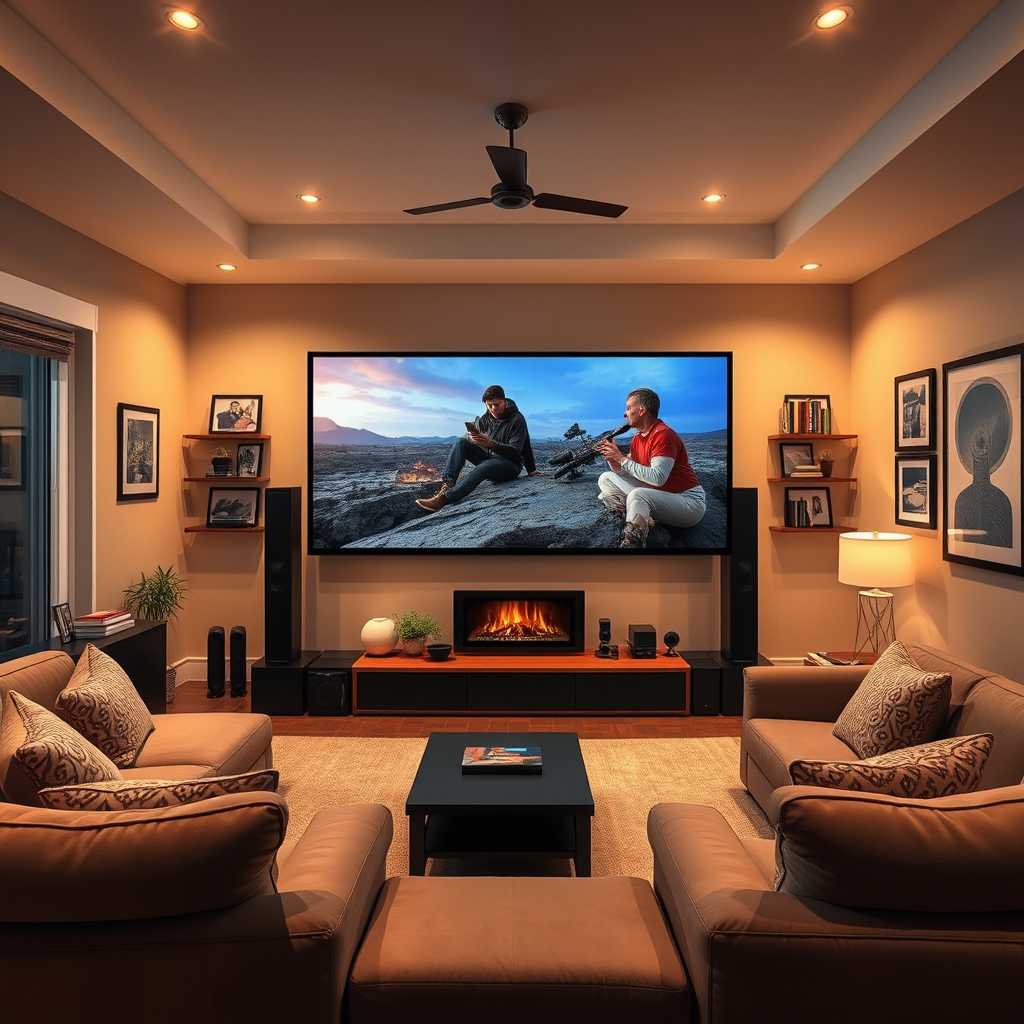
Home theater systems are designed to deliver an audio and visual experience akin to that of a movie theater, right in your living room. They typically consist of a combination of speakers, a receiver, and a display device, all working in harmony to produce high-quality sound and visuals for movies, music, gaming, and more.
A 5.1 home theater system is composed of six primary components: five speakers (left, center, right, and two surround speakers) and one subwoofer. This configuration creates a surround sound experience that is quite satisfying for most users. On the other hand, a 7.1 system adds two additional speakers, often rear surround speakers, taking the total to eight. This extra layer of sound can enhance your listening experience, especially in larger rooms or dedicated home theaters.
Key Differences Between 7.1 and 5.1 Systems
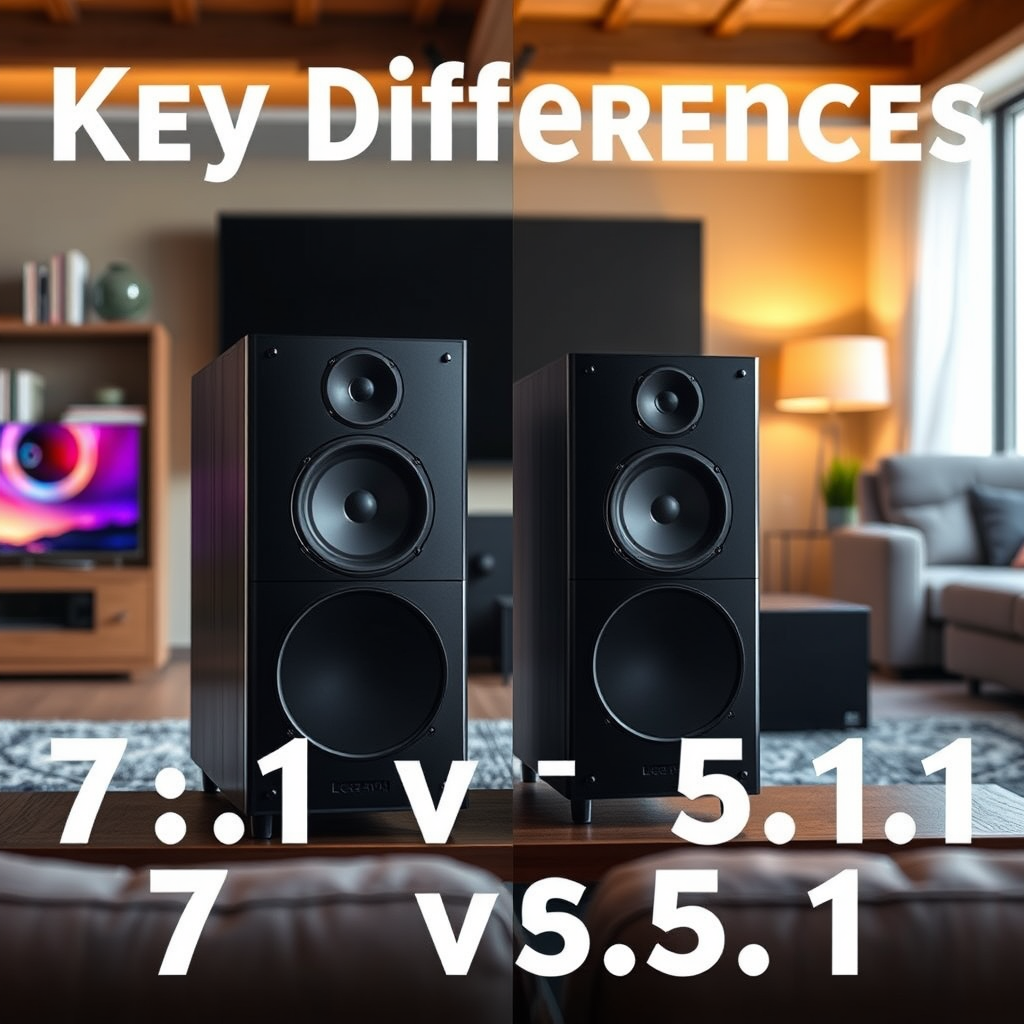
The fundamental difference between a 5.1 and a 7.1 system lies in their speaker configuration and sound channels. In a 5.1 system, you have a left and right channel, a center channel primarily for dialogue, two surround channels for ambient sounds, and a subwoofer responsible for low-frequency effects. This setup is sufficient for most movie-watching scenarios and smaller rooms.
In contrast, a 7.1 system provides an additional layer of audio with two extra surround speakers, allowing for more precise sound placement and a better sense of depth. This can significantly enhance the experience, particularly in larger rooms where sound can dissipate. Room size and layout should be considered when deciding which system to invest in. For instance, if you have a large, open space, a 7.1 system can fill that area with sound more effectively than a 5.1 setup, which might feel lacking in comparison.
Audio Quality and Experience
When it comes to audio immersion, the 7.1 system truly excels. The additional surround channels create a more enveloping soundscape, making you feel as if you’re right in the middle of the action. For example, during an intense movie scene, you may hear sounds coming from above or behind you, adding to the tension and drama in a way that a 5.1 system might not achieve.
However, this doesn’t mean that a 5.1 system is inferior. In fact, the sound quality is still impressive, and many users find it perfectly adequate, especially for casual viewing and listening. A 5.1 system can deliver excellent sound quality for music, movies, and games, making it a suitable choice for the average user or those who simply want a solid audio experience without the complexities of additional speakers.
Budget Considerations
Budget is a critical factor when deciding between a 5.1 and a 7.1 system. Typically, a 5.1 system is more affordable, both in terms of the initial purchase price and the cost of installation. Since it requires fewer speakers and less complex wiring, setup is generally simpler and less time-consuming. You can often find a decent 5.1 system ranging from $300 to $800, depending on the brand and audio quality.
On the flip side, a 7.1 system can range anywhere from $800 to several thousand dollars, depending on the quality of the components and additional features. While the upfront costs are higher, consider the long-term investment. If you’re a movie buff or an avid gamer who values high-quality sound, a 7.1 system may be worth the extra expense.
Installation and Setup
Setting up a 5.1 system is typically less complicated than a 7.1 system, making it an appealing choice for first-time users. With fewer speakers to connect, installation can usually be completed in a couple of hours, and many systems come with detailed manuals and setup guides.
In contrast, installing a 7.1 system requires a bit more expertise. The additional speakers mean more wiring and a more complex configuration, especially if you want to achieve optimal sound placement. For the best results, consider hiring a professional installer or seeking guidance from an experienced friend. For both setups, speaker placement is crucial—generally, front speakers should be at ear level, while surround speakers are best placed slightly above ear level for an immersive experience.
Use Cases and Recommendations
A 5.1 system is ideal for average-sized rooms and budget-conscious consumers who still want an enjoyable audio experience without breaking the bank. It’s perfect for families who enjoy movie nights or for those who watch television frequently without the need for an elaborate setup.
On the other hand, a 7.1 system is best suited for dedicated home theaters or enthusiasts seeking advanced audio experiences. If you have a larger space and a passion for cinema or gaming, the extra channels can make a remarkable difference. For example, if you frequently host friends for movie marathons or gaming nights, a 7.1 system can elevate the experience and impress your guests.
Conclusion
In summary, both 5.1 and 7.1 home theater systems have unique advantages that cater to different needs and preferences. If you have the space and budget for it, a 7.1 system can significantly enhance your audio experience, offering an immersive sound that transports you into your favorite films and games. However, for most users, a 5.1 system provides excellent sound quality and value, making it a perfect fit for everyday entertainment. Ultimately, consider your specific needs, room size, and budget, and take the next step toward elevating your home entertainment system!
Frequently Asked Questions
What is the difference between a 7.1 and a 5.1 home theater system?
The primary difference between a 7.1 and a 5.1 home theater system lies in the number of speakers used. A 5.1 system includes five main speakers (two front, one center, and two surround) and one subwoofer, while a 7.1 system adds two additional surround speakers, enhancing the audio experience with more immersive sound. This extra pair of speakers allows for more precise sound placement, which can be especially beneficial for cinematic experiences where directional audio plays a crucial role.
How does room size affect the choice between a 7.1 and a 5.1 home theater system?
Room size is a significant factor when deciding between a 7.1 and a 5.1 home theater system. In smaller spaces, a 5.1 system may provide sufficient audio quality and immersion without overwhelming the environment, while larger rooms often benefit from the added depth and surround sound capabilities of a 7.1 system. Additionally, in a spacious area, the extra speakers in a 7.1 setup can help fill the room with sound, providing a more balanced audio experience.
Why should I consider a 7.1 home theater system over a 5.1 system?
If you’re looking for a more immersive audio experience, especially for movie watching or gaming, a 7.1 home theater system is worth considering. The additional speakers enhance sound localization, allowing you to hear subtle audio details and creating a more realistic atmosphere. This is particularly appealing for those who prioritize high-quality sound reproduction and want to replicate a cinema-like experience at home.
Which system is more cost-effective: 7.1 or 5.1 home theater systems?
Generally, a 5.1 home theater system is more cost-effective due to its simpler setup and fewer components. The price of a 7.1 system can be significantly higher because it requires additional speakers and possibly a more advanced receiver to support the extra channels. However, if your budget allows and you desire superior sound quality, investing in a 7.1 system can be worthwhile, especially if you plan to use it in a larger space.
What are the best brands for 7.1 and 5.1 home theater systems?
Some of the best brands for both 7.1 and 5.1 home theater systems include Yamaha, Denon, Onkyo, and Klipsch, known for their high-quality sound and reliable performance. For budget-friendly options, consider brands like Sony and Polk Audio, which offer great value without compromising on sound quality. Researching user reviews and expert opinions can also help you identify the best model that fits your specific needs and preferences.
References
- Home cinema
- https://www.researchgate.net/publication/323064830_Audio_Quality_in_Home_Theater_Systems
- https://www.thoughtco.com/home-theater-system-101-1845455
- https://www.lifewire.com/what-is-a-home-theater-system-1846296
- https://www.hdmi.org/manufacturer/hdmi_2_1/
- https://www.cnet.com/home/theater/home-theater-systems-explained/
- https://www.techhive.com/article/3252529/home-theater-systems-explained.html