
The future of 16K resolution in home entertainment is incredibly exciting, promising a viewing experience that is sharper and more detailed than ever before. As we move forward, advances in technology will make 16K displays increasingly accessible, fundamentally changing how we consume media and interact with our home entertainment systems. Get ready for a revolutionary leap in visual fidelity that will elevate everything from movies to video games!
What is 16K Resolution?
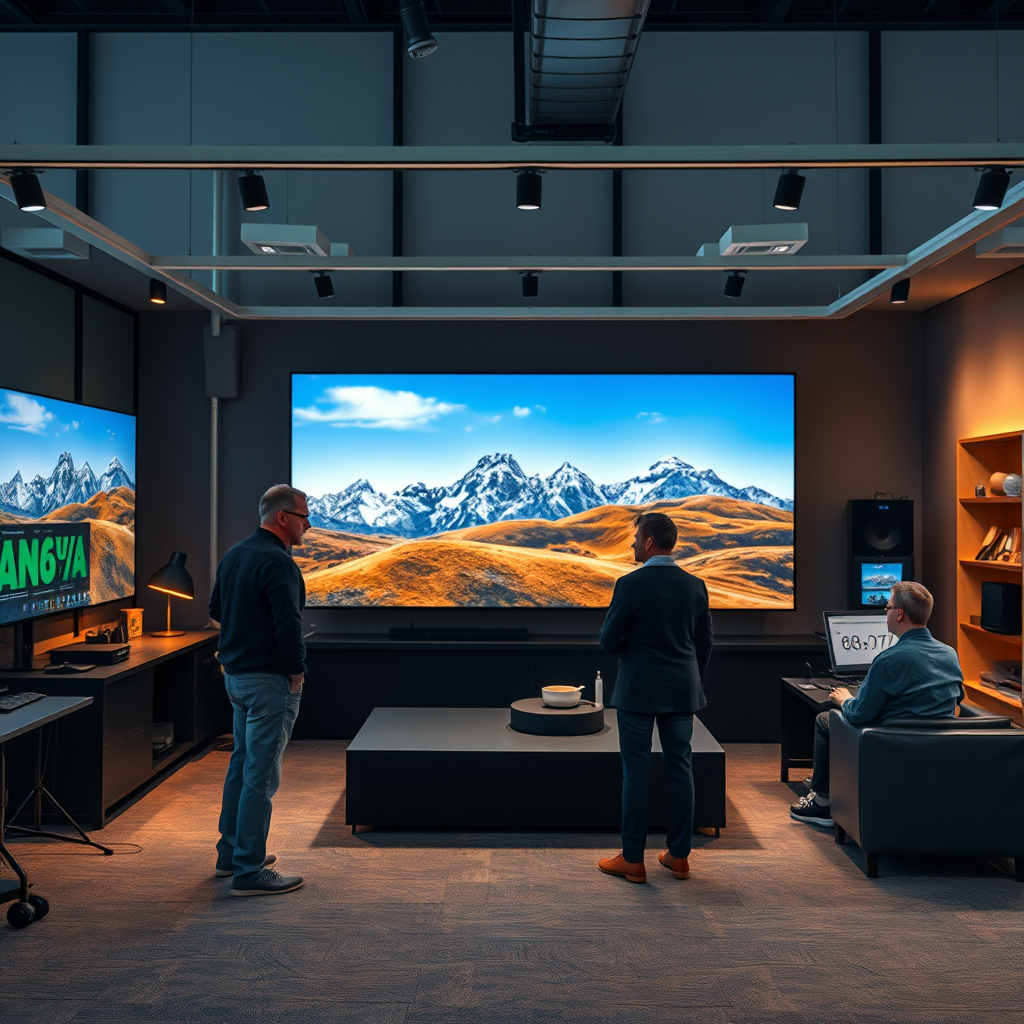
16K resolution refers to a display resolution of approximately 15,360 x 8,760 pixels, amounting to about 16 times the pixel count of 1080p and four times that of 4K. This staggering pixel density allows for an incredibly detailed image, enabling viewers to see textures and nuances that were previously imperceptible. In comparison, while 4K resolution (3,840 x 2,160) and 8K resolution (7,680 x 4,320) already provide stunning clarity, 16K takes this a step further, ensuring that every detail is rendered with precision. For instance, watching a nature documentary in 16K would allow you to spot individual leaves on trees or the subtle movements of wildlife, making the viewing experience breathtakingly immersive.
The Technological Advancements Driving 16K
Several technological advancements are propelling the development of 16K resolution. Key among these are improvements in display technology, particularly with OLED and microLED screens. OLED technology offers superior contrast ratios and vibrant colors, while microLED provides exceptional brightness and energy efficiency. These technologies contribute to clearer images and better viewing angles, which are essential for 16K displays.
Furthermore, the role of graphics processing power cannot be overstated. As GPUs become more powerful, they can handle the enormous amount of data required for 16K content. Coupled with improvements in bandwidth, such as the rollout of 5G networks and fiber-optic connections, streaming 16K content will soon become feasible. Companies like Nvidia and AMD are already developing GPUs that can manage these higher resolutions, ensuring that gamers and media consumers alike can enjoy the immersive quality of 16K.
Content Creation for 16K
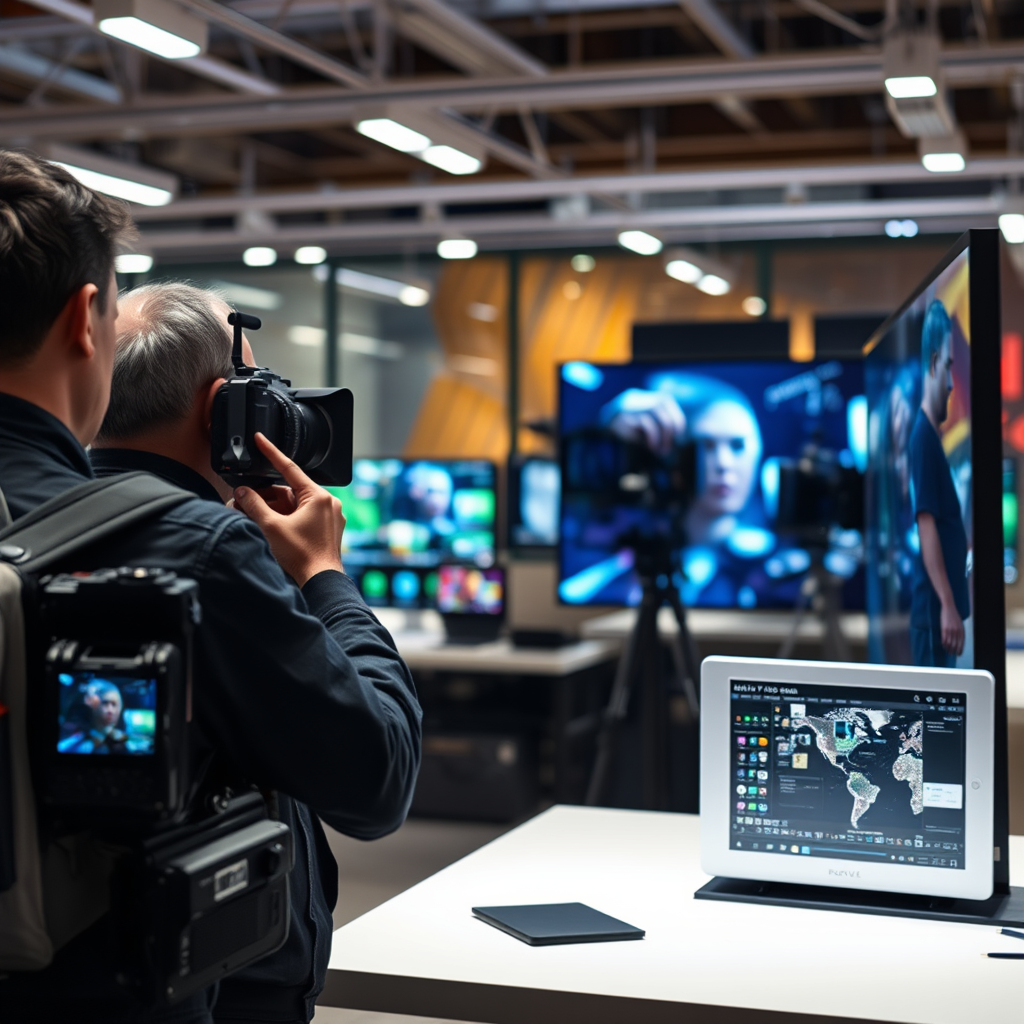
The film and gaming industries are starting to take steps toward creating 16K content, recognizing its potential to enhance viewer engagement. For instance, major studios are experimenting with 16K filming techniques, utilizing high-resolution cameras that can capture stunning detail. In gaming, developers are exploring how to optimize graphics for 16K displays, leading to richer environments and more lifelike characters.
However, content creators face challenges in producing 16K material. The primary obstacles include the need for advanced technology not only in filming and editing but also in storage and distribution. High-resolution files require vast amounts of data, which can complicate sharing and streaming. Additionally, many consumers currently lack the necessary hardware to view 16K content, which can discourage creators from investing in this format.
Home Entertainment Systems: Are They Ready?
As we look at current hardware capabilities, we see that while many high-end TVs and projectors now support 8K, 16K is still emerging. Brands like Samsung and LG are leading the charge with prototype models that showcase 16K resolution, but these products are not yet widely available. The infrastructure needed for 16K streaming and playback is also still in development. High-bandwidth HDMI cables and compatible receivers will be essential for transmitting such a high volume of data without lag.
Moreover, the average home internet connection may struggle to deliver the necessary bandwidth for streaming 16K content smoothly. As internet service providers upgrade their networks to accommodate higher speeds, consumers will need to invest in both new hardware and potentially higher-tier internet plans to fully enjoy 16K entertainment.
Consumer Adoption and Market Trends
Consumer interest in 16K resolution is gradually growing, as evidenced by market research indicating that tech-savvy audiences are eager for the next big leap in visual technology. As prices for 8K TVs begin to fall, we can expect a similar trend for 16K displays as production costs decrease and more manufacturers enter the market. Estimates suggest that by the late 2020s, 16K TVs could become more affordable and accessible to the average consumer.
Market trends indicate that consumers are increasingly prioritizing visual quality in their entertainment choices, driving demand for higher resolutions. As companies launch new products and content creators begin to release 16K material, we can anticipate a surge in interest and adoption, positioning 16K as the new standard in home entertainment.
Environmental and Economic Considerations
While the advancements in 16K technology are thrilling, they do raise environmental and economic questions. Higher resolution screens often consume more energy, leading to concerns about sustainability and the carbon footprint associated with producing and powering these devices. The industry must find solutions that balance technological advancements with environmental responsibility.
Economically, the introduction of 16K technology could have far-reaching impacts on both consumers and industry stakeholders. For consumers, the initial investment in 16K-ready devices may be significant. However, as technology matures, prices are likely to drop, making it more accessible. On the industry side, businesses involved in manufacturing and streaming services may experience shifts in their operational models to accommodate higher resolution content.
The Future Vision: What’s Next for 16K?
Looking ahead, the potential applications for 16K resolution extend beyond traditional home entertainment. Innovations in virtual and augmented reality (VR and AR) are particularly promising, as increased resolution can enhance immersion and realism, making experiences more engaging. Imagine walking through a virtual museum or exploring a fantastical world where every detail is crystal clear—16K could make that a reality.
Moreover, 16K resolution may also find applications in fields like education and healthcare, where high detail can improve learning experiences and medical imaging. The possibilities are exciting, and as technology continues to evolve, we can expect 16K to play a significant role in various sectors.
As we look ahead, the evolution of 16K resolution in home entertainment is set to redefine how we experience visual media. With technological advancements paving the way, consumers can anticipate a future filled with rich, immersive content. Keeping an eye on these developments will ensure that you are prepared to embrace the next wave of home entertainment technology!
Frequently Asked Questions
What are the benefits of 16K resolution for home entertainment?
The primary benefit of 16K resolution is its incredibly high pixel density, which enhances image clarity and detail, making it ideal for large screens and immersive viewing experiences. This level of resolution allows for more vibrant colors and deeper contrast, significantly improving visual quality, especially in high-definition content. As streaming technology and media production evolve, consumers can expect an increasingly rich and engaging home entertainment experience with 16K resolution.
How will 16K resolution impact the future of streaming services?
As streaming services continue to evolve, 16K resolution will likely become a standard offering, pushing platforms to invest in higher-quality content and faster delivery systems. The bandwidth requirements for 16K streaming will necessitate advancements in internet infrastructure, including fiber-optic technology. Consequently, viewers can anticipate a shift toward more visually stunning programming, with an emphasis on cinematic experiences that fully utilize the capabilities of 16K displays.
Why is 16K resolution not yet mainstream in home entertainment?
16K resolution is not yet mainstream primarily due to the high costs associated with production, display technology, and the required bandwidth for streaming. Currently, 8K resolution is more widely adopted, as many consumers are still upgrading from 4K systems. Additionally, content creation at 16K is still limited, as most filmmakers and studios focus on 4K or 8K, making 16K content scarce and less accessible to the average viewer.
What should you consider when investing in a 16K display for home entertainment?
When investing in a 16K display, consumers should consider factors such as screen size, compatibility with existing technology, and the availability of 16K content. It’s also essential to examine the display technology type (such as OLED vs. LCD) for optimal color accuracy and contrast. Lastly, ensure that your home network can support high bandwidth requirements, as streaming 16K content demands a robust internet connection to avoid buffering and lag.
Which devices are currently available that support 16K resolution?
As of now, 16K resolution support is still in its infancy, but a few notable devices are leading the charge. High-end gaming monitors and professional displays designed for filmmakers, such as select models from brands like Sony, Dell, and Samsung, offer 16K capabilities. Additionally, some advanced graphics cards and gaming consoles are beginning to support 16K output, but widespread consumer availability is still on the horizon, making it prudent to stay informed about upcoming technology trends.
References
- 4K resolution
- https://www.bbc.com/future/article/20230410-what-is-16k-resolution
- https://www.sciencedirect.com/science/article/pii/S136970211930382X
- https://www.theverge.com/2022/1/18/22890559/16k-resolution-future-of-tv-technology
- https://www.nytimes.com/2020/01/09/technology/ces-2020-16k-tv.html
- https://www.techradar.com/news/what-is-16k-resolution-and-should-you-care
- https://www.digitaltrends.com/home-theater/what-is-16k-tv/