When it comes to setting up a home studio, the right audio mixer can elevate your sound quality and streamline your workflow. With a plethora of options available, choosing the best audio mixer is essential for enhancing your recording experience, whether you’re a beginner or a seasoned professional. In this article, you’ll discover top-rated audio mixers that cater to different needs, budgets, and levels of expertise, allowing you to make an informed decision that enhances your home recording experience.
Understanding Audio Mixers

An audio mixer is a critical device in the realm of sound production, acting as the central hub where all audio signals converge. It allows you to adjust levels, add effects, and route audio to various outputs. Mixers come in two main types: analog and digital. Analog mixers are characterized by their warm sound and straightforward controls, making them user-friendly and often more affordable. On the other hand, digital mixers provide more advanced features, such as built-in effects and MIDI capabilities, making them suitable for complex setups. Each type has its own advantages, so understanding your needs is crucial in selecting the right mixer for your home studio.
Key Features to Consider
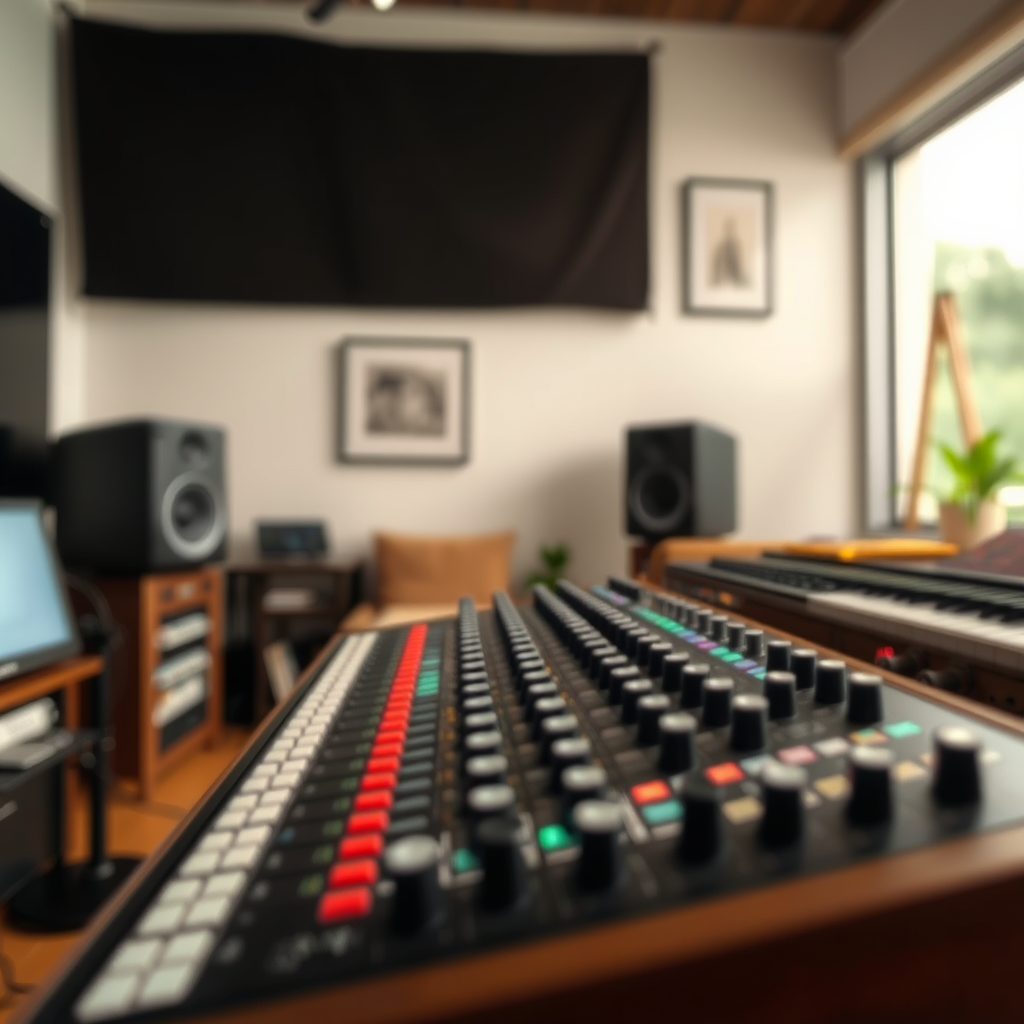
When shopping for an audio mixer, several essential features should guide your decision-making process. First, consider the number of channels you need; more channels allow for greater flexibility in recording multiple instruments or vocalists simultaneously. Built-in effects can save you time and space, allowing you to add reverb, delay, or compression without needing additional equipment. Connectivity options, such as USB outputs for direct recording and compatibility with DAWs (Digital Audio Workstations), are also vital for a streamlined workflow. Lastly, the quality of sound and preamps cannot be overstated; high-quality preamps will significantly enhance the clarity and depth of your recordings, making this a top priority in your mixer selection.
Top Audio Mixers for Beginners
For novice producers, finding a user-friendly mixer that doesn’t overwhelm with features is key. The Yamaha MG10XU, for example, is a fantastic entry-level mixer that offers 10 channels, built-in effects, and USB connectivity, all at a reasonable price point. Alternatively, the Behringer Xenyx Q802USB provides a compact solution with high-quality preamps, making it perfect for home recording without breaking the bank. Both mixers strike a balance between functionality and simplicity, allowing beginners to focus on creativity without getting lost in technicalities. Prices for entry-level mixers typically range from $100 to $300, ensuring that there’s an option for every budget.
Best Mid-Range Audio Mixers
As your skills progress, you might want to invest in a mid-range mixer that offers a blend of quality and price. The Allen & Heath ZED-10FX is a standout option, featuring four high-quality preamps, built-in effects, and a robust build, making it suitable for both studio and live settings. Another excellent choice is the Mackie ProFX12v3, which includes 12 channels, excellent preamps, and a comprehensive effects engine, all while remaining affordable for serious hobbyists. These models offer versatility, catering to various recording scenarios such as podcasting, music production, and live performances, typically priced between $300 and $700.
Professional Audio Mixers
For those looking to make a significant investment, professional audio mixers offer unparalleled features and capabilities. The Avid S6L is a top-tier digital mixer that is widely used in professional studios and live settings, known for its modular design and unmatched sound quality. Alternatively, the Yamaha CL Series mixers provide advanced DAW integration, extensive routing options, and superior audio fidelity, justifying their higher price tags. While these mixers can range from $1,500 to upwards of $10,000, the features they offer—like advanced automation, superior preamps, and high channel counts—greatly enhance production capabilities, making them a worthy investment for serious audio professionals.
Setting Up Your Mixer
Setting up your audio mixer in a home studio can seem daunting, but it’s quite straightforward. Begin by connecting the mixer to your audio interface or computer using USB or other connectivity options. Make sure to plug in your microphones and instruments into the appropriate channels and adjust the gain levels to avoid distortion. Once everything is connected, configure your DAW to recognize the mixer as an audio input device. For optimizing settings, start with a flat EQ and make adjustments based on the specific sound you want to achieve. Remember, experimentation is key—don’t be afraid to tweak settings to find the perfect mix for your recordings.
Maintenance and Troubleshooting
Maintaining your audio mixer is essential for longevity and optimal performance. Regularly clean the mixer’s surface and connectors to prevent dust buildup, and always handle it with care to avoid damage. Additionally, keep your firmware updated to ensure compatibility with the latest software. If you encounter common issues, such as crackling sounds or unresponsive channels, first check your connections and cables. Often, reseating connectors or replacing faulty cables can resolve these problems quickly. Familiarize yourself with your mixer’s manual, as it often contains troubleshooting tips specific to your model.
Summarizing the importance of choosing the right audio mixer for your home studio, this guide has provided insights into various options suited for all levels of expertise. Whether you’re just starting out or looking to upgrade your setup, consider the recommendations and features discussed here. Take the next step in your audio journey by exploring these mixers and enhancing your home recording experience. Investing in the right audio mixer can truly make a difference in the quality of your productions, so choose wisely and enjoy the creative process!
Frequently Asked Questions
What should I look for when choosing the best audio mixer for my home studio?
When selecting the best audio mixer for your home studio, consider key features such as the number of channels, built-in effects, and the type of connectivity options available. Look for mixers with high-quality preamps, EQ controls, and USB interfaces for seamless integration with your recording software. Additionally, assess whether you need a digital or analog mixer based on your workflow preferences.
How do I set up an audio mixer for a home studio recording session?
To set up an audio mixer for a home studio recording session, start by connecting your microphones and instruments to the mixer’s input channels. Ensure that the mixer is connected to your audio interface or computer via USB or other appropriate connections. Adjust the gain levels for each channel, set the EQ as needed, and route your outputs to headphones or studio monitors for real-time monitoring. Always perform a sound check before recording to avoid any technical issues.
Why is an audio mixer important for home recording?
An audio mixer is essential for home recording as it allows you to blend multiple audio sources, control levels, and apply effects to achieve a polished sound. It provides the flexibility to adjust individual tracks during recording and mixing, ensuring that each element in your project is balanced and clear. A good mixer can enhance the overall quality of your recordings, making it a crucial tool for any home studio setup.
What are the best audio mixers for beginners setting up a home studio?
Some of the best audio mixers for beginners include the Yamaha MG10XU, Behringer Xenyx Q802USB, and Mackie Mix Series. These mixers offer user-friendly interfaces, essential features like built-in effects and USB connectivity, and affordability, making them ideal for novice home studio engineers. Each model provides good sound quality and reliability, allowing beginners to focus on their creativity without being overwhelmed by complex setups.
Which audio mixer brands are known for quality and reliability in home studios?
Several brands are renowned for producing quality and reliable audio mixers for home studios, including Yamaha, Behringer, Allen & Heath, and Mackie. These brands are recognized for their durable construction, excellent sound quality, and comprehensive features that cater to both novice and professional users. Investing in a mixer from these reputable brands can ensure you have a dependable tool for your recording and mixing needs.
References
- https://en.wikipedia.org/wiki/Mixer_(music
- https://www.arts.gov/publications/guide-audio-mixing
- https://www.soundonsound.com/techniques/understanding-audio-mixing
- https://www.musictech.net/guides/essential-guide/what-audio-mixer/
- https://www.izotope.com/en/learn/what-is-an-audio-mixer.html
- https://www.npr.org/sections/monkeysee/2016/05/20/478054114/understanding-the-art-of-mixing-audio
- https://www.pbs.org/wgbh/pages/frontline/shows/music/making/mixing.html