To reduce echo in your home theater room, focus on sound absorption and careful placement of materials. By utilizing soft furnishings, acoustic panels, and strategic layout techniques, you can significantly enhance your audio experience. In this article, you’ll discover practical steps to create a more immersive sound environment that elevates your movie nights and music listening.
Understanding Echo and Its Causes
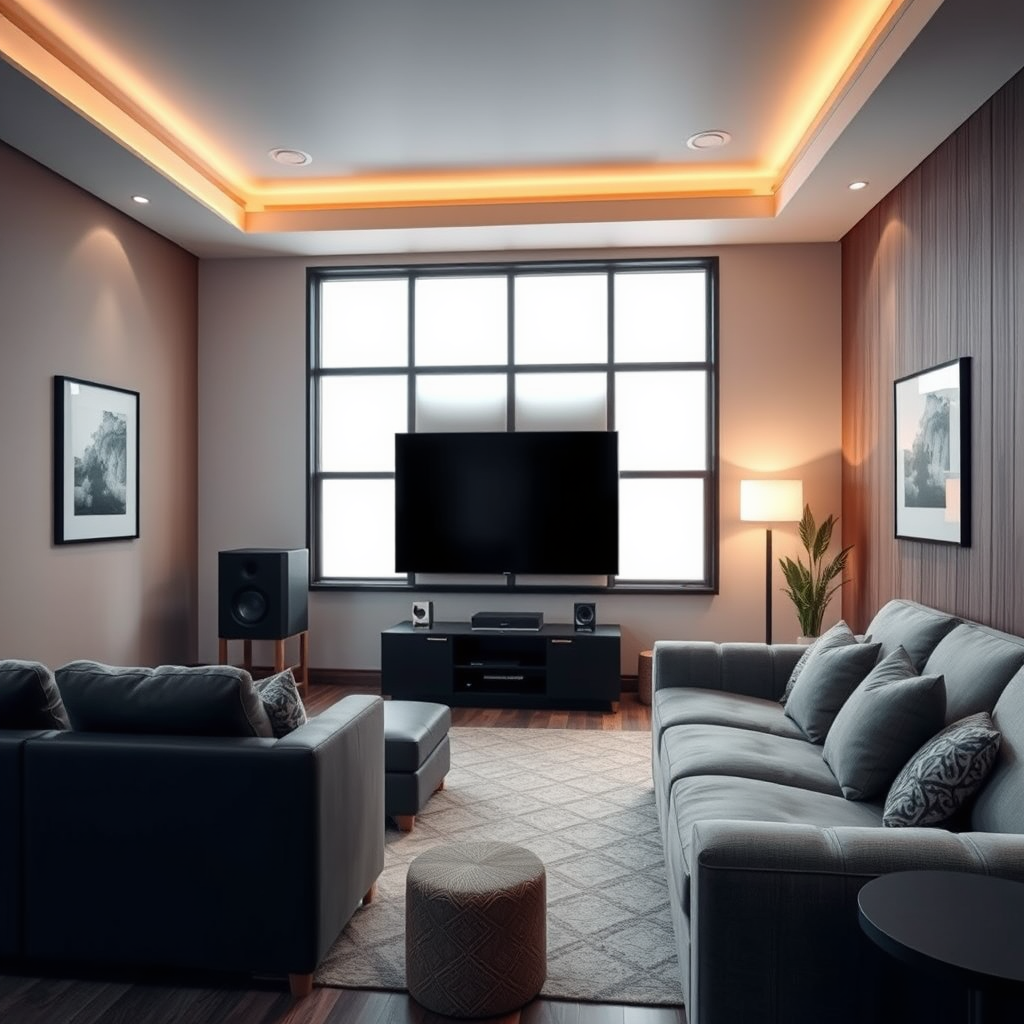
Echo occurs when sound waves bounce off hard surfaces, creating a delayed sound that can disrupt the clarity of audio. Think of it as a conversation that gets muddled because your voice is bouncing off walls, ceilings, and floors that lack any soft materials to absorb the sound. Common culprits include bare walls and ceilings, as well as hard flooring like tile or hardwood. These surfaces reflect sound rather than absorbing it, leading to a cacophony rather than a cohesive audio experience. Understanding these basic principles of acoustics is the first step toward creating a more enjoyable home theater environment.
Choosing the Right Materials
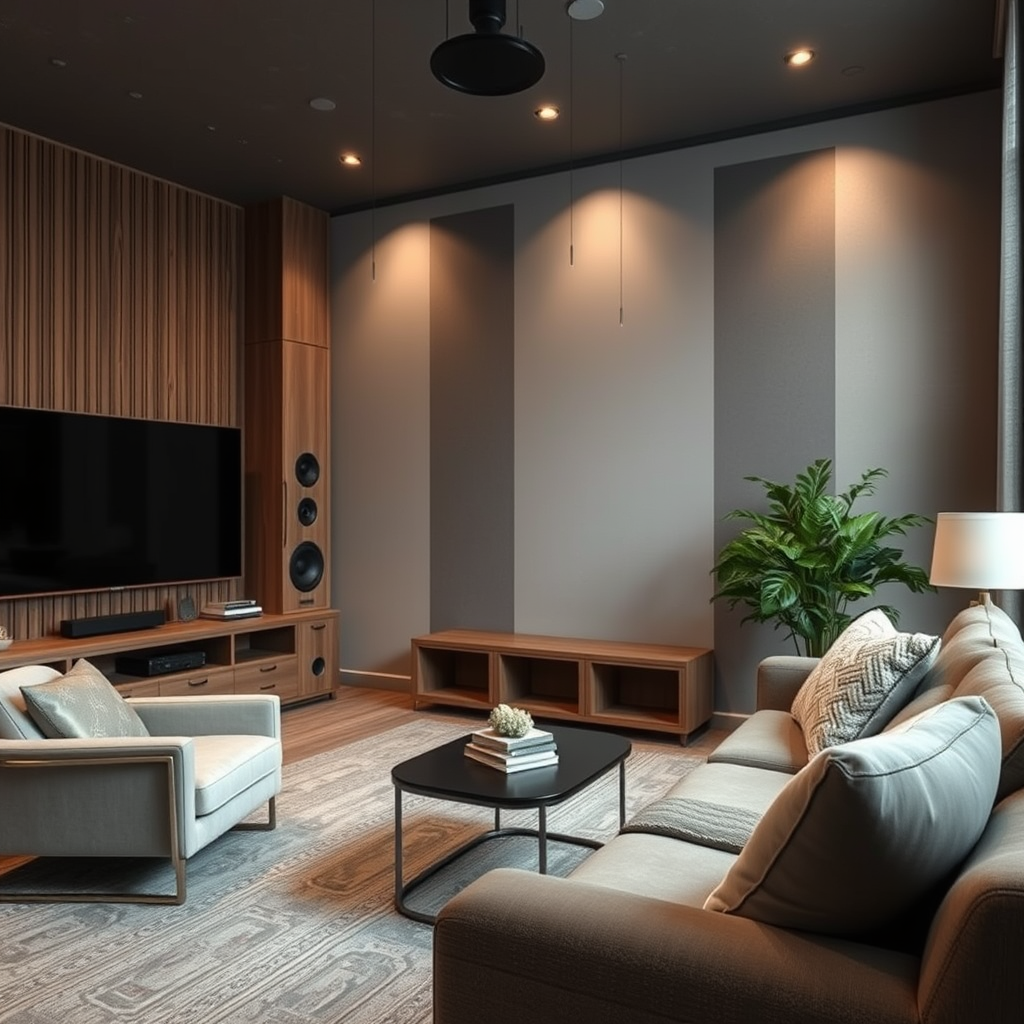
The right materials can make a world of difference in reducing echo. Start with your flooring; adding carpets or rugs can significantly absorb sound on hard floors, preventing it from bouncing around the room. Opt for plush, thick rugs, which are more effective than thinner ones. If you’re worried about aesthetics, consider layering rugs for added texture while also enhancing sound absorption.
For windows, heavy curtains or drapes can work wonders in minimizing sound reflection. These not only help with echo but can also block outside noise, creating a more secluded and immersive experience. Consider using blackout curtains, which will also contribute to a better viewing experience by reducing light glare.
Utilizing Acoustic Panels
Acoustic panels are specially designed to absorb sound and are essential for reducing reflections in your home theater. Install them strategically on walls, especially those opposite your seating area, to minimize sound reflections. You don’t have to sacrifice style for function; there are many decorative acoustic panels available that can match your decor.
Another valuable addition is bass traps, which are designed to manage low-frequency echo that often accumulates in corners. By treating these areas, you can prevent bass-heavy sounds from muddying your audio experience. Placing bass traps in the corners of your room can make a noticeable difference in the overall sound quality.
Arranging Your Furniture
How you arrange your furniture can significantly impact the acoustics of your home theater. Positioning sofas and chairs away from walls allows sound to disperse more evenly throughout the room, reducing echo. Instead of pushing all furniture against the walls, try to create a cozy, inviting layout that encourages sound to bounce off various surfaces rather than just reflecting back from the walls.
Bookshelves or cabinets filled with various items can also act as sound diffusers. They break up sound waves, preventing them from creating a flat, echo-prone environment. Additionally, incorporating a variety of materials—like wood, fabric, and metal—adds texture to your space, which can further help in managing sound.
Optimizing Speaker Placement
Proper speaker placement is crucial for achieving the best sound quality in your home theater. Position your speakers at ear level for optimal sound projection; this ensures that the sound reaches your ears directly, rather than bouncing off the ceiling or floor. Experiment with different angles for your speakers. Tilting them slightly downward can help minimize direct sound reflection, making your audio clearer and more immersive.
Additionally, consider the distance between your speakers and the walls. Ideally, speakers should be placed at least a few inches away from walls to allow sound waves to disperse without bouncing back too quickly. This simple adjustment can make a huge difference in reducing echo.
Adding Decorative Elements
Decor doesn’t just enhance the visual appeal of your home theater; it can also play a role in sound absorption. Incorporate soft furnishings such as cushions, throws, and upholstered furniture to absorb sound and help create a warm atmosphere. The more soft surfaces you have, the less echo you’ll experience.
Consider using fabric wall art or tapestries as well. These can add a personal touch to your space while also providing additional sound absorption. Not only will they beautify your room, but they’ll also enhance your listening experience by reducing unwanted reverberation.
Regular Maintenance and Adjustments
Once you’ve made adjustments to reduce echo, it’s essential to periodically assess your room’s acoustics. Sound dynamics can change with new additions or rearrangements, so take the time to adjust furnishings as necessary. For instance, if you acquire new furniture or décor items, evaluate how they impact the sound quality.
Keeping an eye on your home theater setup ensures that you maintain optimal sound quality over time. Regularly check for any new areas that may need treatment or adjustment. This proactive approach will help you enjoy a consistently great audio experience.
By implementing these strategies, you can effectively reduce echo in your home theater room, leading to a more enjoyable viewing and listening experience. Start with one or two changes today, and gradually enhance your space for optimal sound quality. With a few thoughtful adjustments, you’ll be on your way to creating a home theater that not only looks great but sounds incredible, making every movie night or concert feel like a VIP experience.
Frequently Asked Questions
What are the main causes of echo in a home theater room?
Echo in a home theater room is primarily caused by sound waves bouncing off hard surfaces such as walls, ceilings, and floors. Common materials like tile, glass, and untreated drywall can exacerbate this issue. Understanding these causes is vital for effectively implementing soundproofing and acoustic treatment solutions.
How can I reduce echo using soft furnishings in my home theater?
Incorporating soft furnishings can significantly reduce echo in a home theater. Adding items like plush sofas, thick curtains, and acoustic panels absorbs sound waves, preventing them from reflecting off hard surfaces. Additionally, using area rugs can help dampen sound on hard floors, creating a more immersive viewing experience.
What is the best acoustic treatment for minimizing echo in a small home theater?
The best acoustic treatment for a small home theater includes a combination of foam panels, bass traps, and soundproof curtains. Foam panels can be strategically placed on walls and ceilings to absorb mid to high frequencies, while bass traps in corners can help manage low frequencies. Together, these treatments create a balanced sound environment and effectively minimize echo.
Why is it important to address echo in a home theater room?
Addressing echo in a home theater room is crucial for enhancing audio clarity and overall viewing experience. Excessive echo can muddle dialogue and make sound effects less impactful, detracting from the cinematic experience. By reducing echo, you improve sound quality, allowing for clearer audio that enhances immersion and enjoyment during movie nights.
Which DIY methods can I use to reduce echo without professional help?
There are several DIY methods to reduce echo in your home theater without professional assistance. You can hang heavy curtains, place bookshelves filled with books against walls, and use foam tiles or carpets to absorb sound. Additionally, consider creating wall art that doubles as sound absorbers, using materials like canvas or soft fabric to enhance both aesthetics and acoustics.
References
- Acoustic panel
- https://www.acoustics.org/press/2020/02/19/reducing-echo-and-improving-speech-intelligibility-in-audio-visual-environments/
- https://www.asa.org/education/education-resources/acoustics-in-the-home.html
- https://www.sciencedirect.com/science/article/pii/S2351978921000130
- https://www.nichd.nih.gov/health/topics/hearing/conditioninfo/treatment/rooms
- https://www.npr.org/sections/health-shots/2019/06/20/734034301/what-your-home-should-sound-like-when-youre-in-it
- https://www.oregon.gov/omd/pages/index.aspx