
Smart speakers equipped with Alexa and Google Assistant offer seamless voice control and smart home integration, making them essential devices for modern living. In 2023, the best smart speakers combine excellent audio quality, intuitive functionality, and compatibility with various smart home devices. This article will explore some of the top options available today, highlighting their features, strengths, and how they can enhance your home experience.
Top Smart Speakers with Alexa
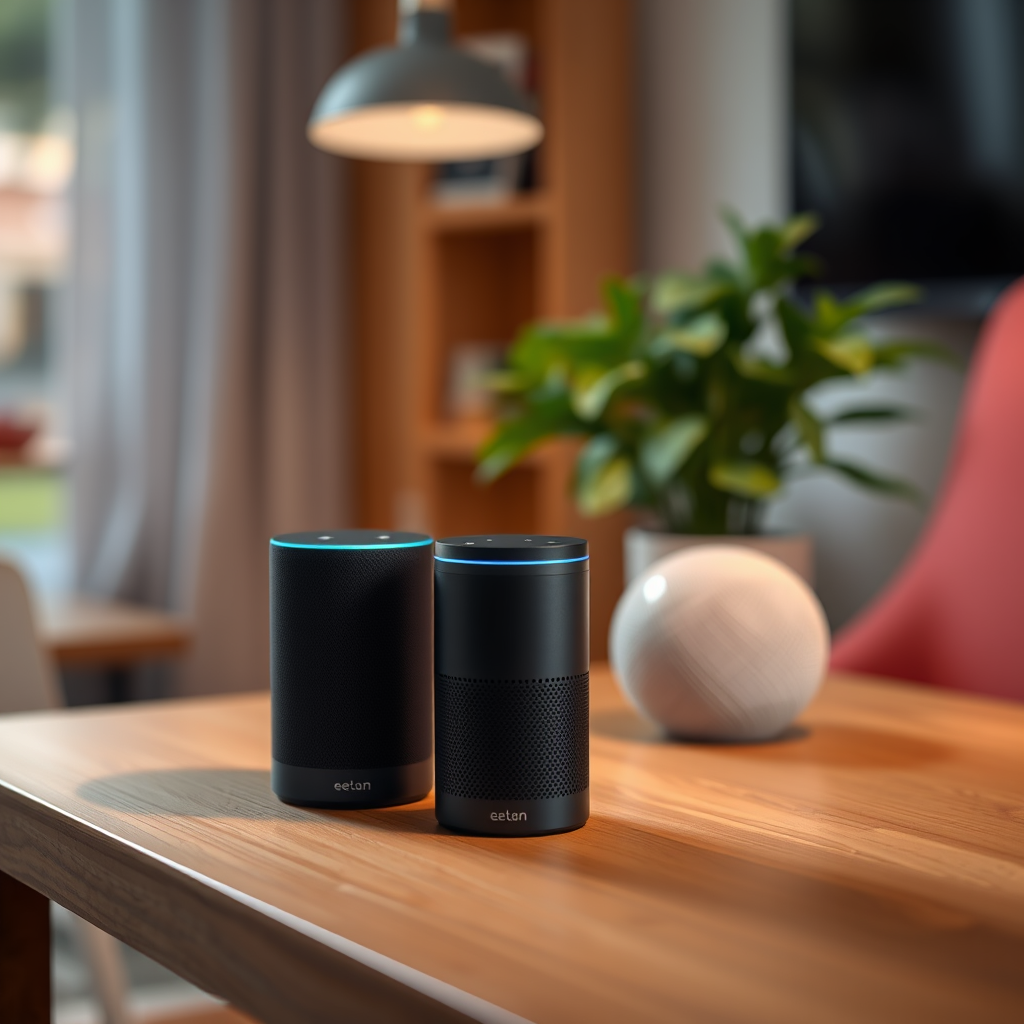
– Amazon Echo (4th Gen): The Amazon Echo (4th Gen) stands out for its exceptional sound quality and versatility. With a sleek spherical design, it fits effortlessly into any room while delivering rich, immersive audio. One of its standout features is the built-in Zigbee hub, allowing you to directly control a variety of smart home devices without needing an additional hub. This means you can easily manage lights, thermostats, and other smart gadgets with just your voice. Plus, Alexa’s extensive skill set ensures you can ask for everything from weather updates to music playlists, making it a fantastic all-in-one smart speaker.
– Echo Dot (4th Gen): If you’re looking for something more compact, the Echo Dot (4th Gen) is an excellent choice. Despite its small size, it packs a punch with surprisingly powerful audio quality. It’s perfect for small spaces like bedrooms or kitchens, where it can provide music, respond to commands, and even help with cooking by setting timers and reading recipes aloud. The Echo Dot also features a variety of color options, allowing it to complement your home decor effortlessly.
Best Smart Speakers with Google Assistant
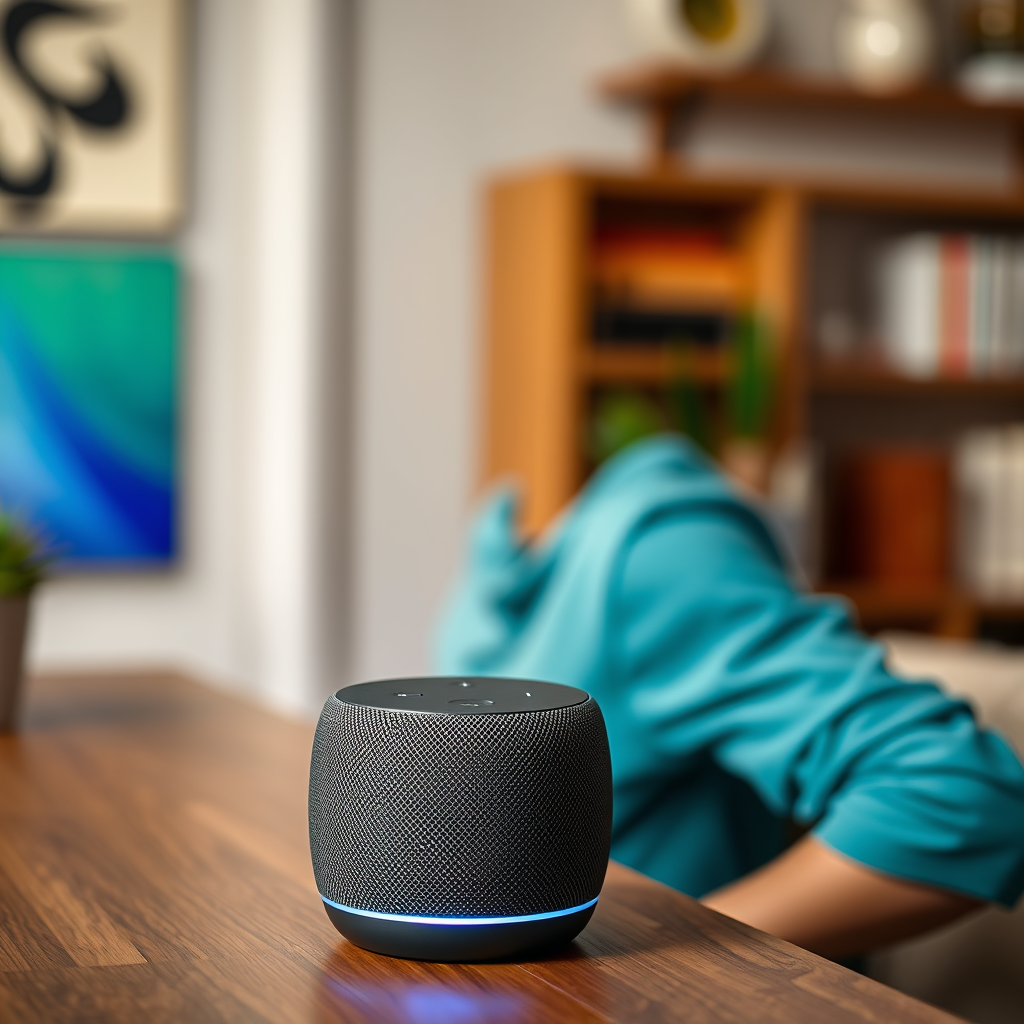
– Google Nest Audio: The Google Nest Audio is a top-tier option for those who prioritize sound quality. This speaker delivers a rich and balanced audio experience, making it ideal for music lovers. It also integrates seamlessly with Google Assistant, allowing you to control your smart home devices, get answers, and manage your day with simple voice commands. The Nest Audio’s design is modern and minimalistic, making it a stylish addition to any room, and it offers a range of colors to suit your personal taste.
– Google Nest Hub: For those who appreciate visuals alongside audio, the Google Nest Hub is a fantastic choice. This smart display combines the functionalities of a speaker with a touchscreen interface, allowing you to watch videos, view photos, and even follow recipes visually. With Google Assistant powering it, you can control your smart home, check the weather, and manage your calendar with ease. The Nest Hub’s ability to display visual information enhances your interaction with smart technology, making it not just a speaker but a central hub for your smart home.
Comparison of Features
– Audio Quality: When it comes to audio performance, there’s a noticeable difference between models. The Amazon Echo (4th Gen) and Google Nest Audio both excel in delivering rich sound, but the Echo tends to have a slight edge in bass response, making it excellent for music playback. The Echo Dot’s smaller size means it sacrifices some audio depth, but it still offers commendable sound for its form factor. In contrast, the Google Nest Hub, while not as powerful in audio quality, compensates with its visual display and the ability to showcase lyrics, recipes, and more.
– Smart Home Integration: Both Alexa and Google Assistant are compatible with a wide array of smart home devices, but there are nuances. The Echo series tends to work best with devices that use Zigbee technology, making it easier to integrate multiple devices. On the other hand, Google Assistant excels in smart home control through voice commands and integrates particularly well with Google services, such as Google Calendar and Maps, providing a more cohesive experience for users who are already embedded in the Google ecosystem.
User Experience and Design
– Design Aesthetics: Design plays a significant role in choosing a smart speaker. The Amazon Echo (4th Gen) boasts a modern spherical shape that looks great in any setting, while the Echo Dot offers a more compact, puck-like design. The Google Nest Audio is similarly modern, available in soft fabric finishes that blend well with home decor. The Google Nest Hub takes it a step further with its touchscreen, allowing for an interactive experience that enhances usability.
– Ease of Use: All models discussed are relatively user-friendly, but the setup process can vary slightly. The Echo series is known for its straightforward setup through the Alexa app, which guides you step-by-step. The Google Nest Hub also offers a smooth setup experience through the Google Home app, with additional features that make it easy to connect multiple devices and manage them from one interface. Voice activation for both platforms is intuitive, allowing for a seamless experience whether you’re playing music or controlling smart home devices.
Price Range and Value
– Budget Options: If you’re looking for budget-friendly options, the Echo Dot (4th Gen) and Google Nest Mini are excellent choices. Priced affordably, they provide great value without sacrificing core features. Both speakers allow you to enjoy voice control and smart home integration while keeping your expenses in check.
– Premium Choices: For those willing to invest a bit more, the Amazon Echo (4th Gen) and Google Nest Audio offer enhanced audio quality and additional features. These models are perfect for audiophiles or users who want a more robust smart home experience. They provide excellent sound performance, smart home control, and the versatility to suit various needs, making them worth the additional cost.
Tips for Choosing the Right Smart Speaker
– Assessing Your Needs: When selecting a smart speaker, it’s essential to consider what features matter most to you. If sound quality is your top priority, opt for models like the Echo (4th Gen) or Nest Audio. If you prefer visual interaction, the Google Nest Hub might be more suitable. Think about what your primary use cases will be—music, smart home control, or general assistance.
– Room Size Considerations: Another factor to consider is the size of the room where you plan to use the speaker. For smaller spaces, the Echo Dot or Nest Mini will suffice, while larger rooms might benefit from the fuller sound of the Echo (4th Gen) or Nest Audio. Additionally, consider how you’ll be using the speaker—if it’s for gatherings, stronger audio performance will enhance the experience.
The smart speaker market is filled with options that cater to different preferences and needs. Whether you’re looking for superior sound quality, smart home integration, or budget-friendly options, there’s a perfect speaker for you. By considering the features and models discussed, you can make an informed decision that will enhance your home experience. Explore your options and find the smart speaker that best fits your lifestyle today!
Frequently Asked Questions
What are the best smart speakers that support both Alexa and Google Assistant?
Some of the best smart speakers that support both Alexa and Google Assistant include the Sonos One, which delivers excellent sound quality and integrates seamlessly with both ecosystems. The JBL Link Portable is another top choice, offering portability and robust audio performance, along with dual assistant functionality. Additionally, the Bose Home Speaker 500 provides an impressive sound experience and smart home control, making it a versatile option for users who want the best of both worlds.
How do I decide between a smart speaker with Alexa or Google Assistant?
The decision between a smart speaker with Alexa or Google Assistant largely depends on your existing ecosystem and preferences. If you already use Amazon services like Prime Music or have an Echo Show, Alexa might be the better choice for you. Conversely, if you frequently use Google services like YouTube or Google Calendar, a speaker with Google Assistant could provide a more integrated experience. Consider the specific features and compatibility with your smart home devices when making your choice.
Why should I choose a smart speaker that supports both Alexa and Google Assistant?
Choosing a smart speaker that supports both Alexa and Google Assistant allows for greater flexibility in functionality and voice control. This dual compatibility enables you to access a wider range of services, skills, and integrations, providing a more personalized user experience. Additionally, having both options allows you to switch assistants based on specific tasks or preferences, ensuring you get the most out of your smart home technology.
Which smart speaker offers the best sound quality between Alexa and Google Assistant models?
When it comes to sound quality, the Sonos One is often regarded as one of the best smart speakers that supports both Alexa and Google Assistant. Its rich, room-filling sound and advanced tuning capabilities make it ideal for music lovers. The Apple HomePod also delivers exceptional audio quality, particularly for Apple Music users, while the Bose Home Speaker 500 is praised for its clear bass and overall audio performance, making it a top contender for those valuing sound fidelity.
How do I set up a smart speaker with both Alexa and Google Assistant?
Setting up a smart speaker that supports both Alexa and Google Assistant typically involves downloading the respective apps for each assistant (Amazon Alexa and Google Home) on your smartphone. Follow the in-app instructions to connect your speaker to Wi-Fi and link your accounts. Ensure that you enable the necessary permissions for each assistant, and you’ll be ready to use voice commands for a range of tasks, from playing music to controlling smart home devices.
References
- Smart speaker
- https://www.theverge.com/2019/1/7/18171103/smart-speaker-guide-google-assistant-amazon-alexa
- Best Smart Speakers for 2026: Audio and Assistants Thoroughly Tested – CNET
- The Best Smart Speakers We’ve Tested for 2026 | PCMag
- 6 Best Smart Speakers (2026): Alexa, Google Assistant, Siri | WIRED
- The best smart speaker: for Google, Alexa and Siri | TechRadar
- https://www.nytimes.com/wirecutter/reviews/best-smart-speaker/