
Choosing the right speaker size for your room is crucial for achieving optimal sound quality and an immersive audio experience. The best approach is to consider your room’s dimensions, the specifications of different speakers, and your personal listening preferences. By understanding these factors, you can find the perfect speaker size that enhances your listening enjoyment. In this article, we’ll explore various elements that will guide you in making an informed decision about speaker size.
Understanding Room Dimensions
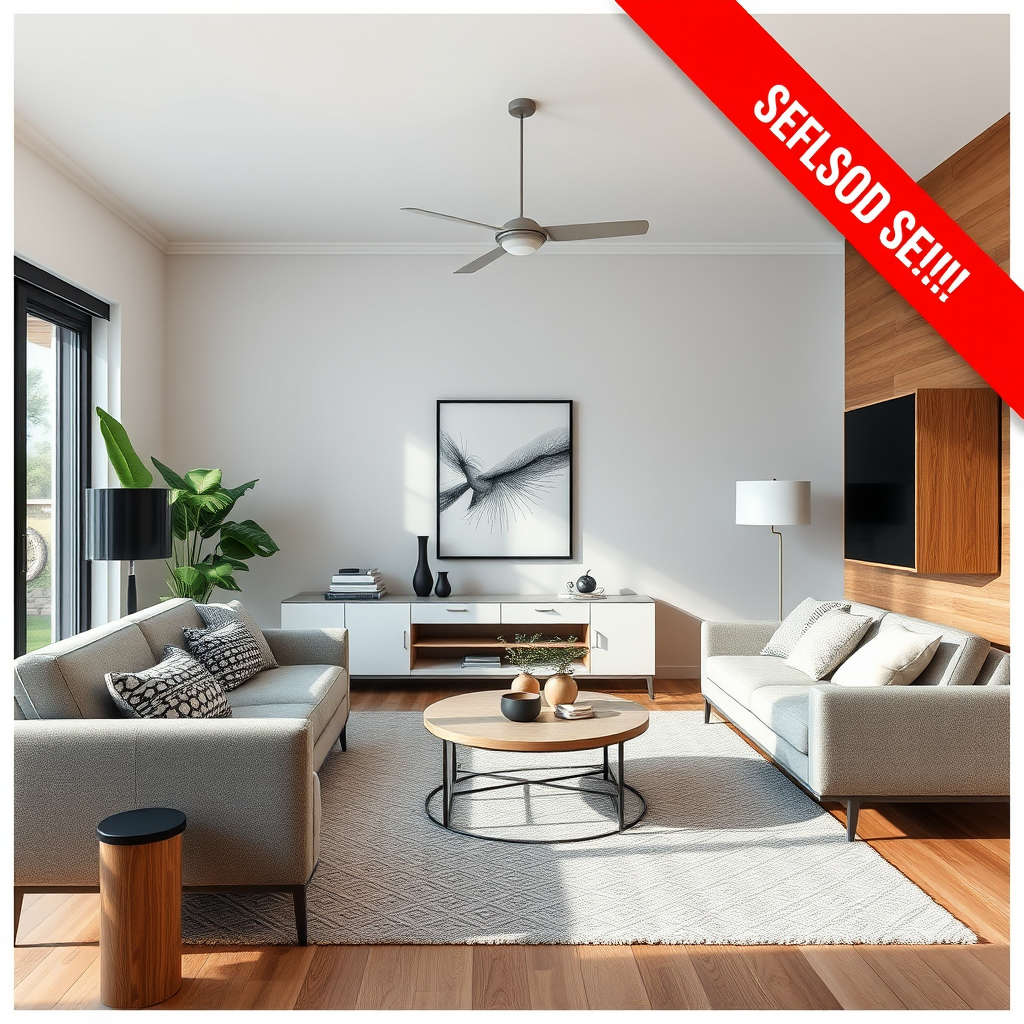
To begin, measuring your room size is fundamental. Consider both the length and width to determine the overall volume of the space. A small bedroom will require different speaker specifications than a large living room or home theater. For example, if your room is 10 feet by 12 feet, you have a total volume of 1,200 cubic feet. In contrast, a larger room measuring 20 feet by 25 feet will yield a volume of 5,000 cubic feet, necessitating larger speakers to fill the space effectively.
Next, it’s essential to analyze the acoustics of your room. The features within your space, such as carpets, curtains, and the materials of your walls, can significantly impact sound clarity. Soft furnishings like carpets and drapes can absorb sound, creating a warmer audio experience, while hard surfaces like tile or glass can lead to echoes and a less pleasant listening experience. Consider these characteristics when choosing your speakers, as they will influence the sound quality and overall performance.
Speaker Types and Sizes
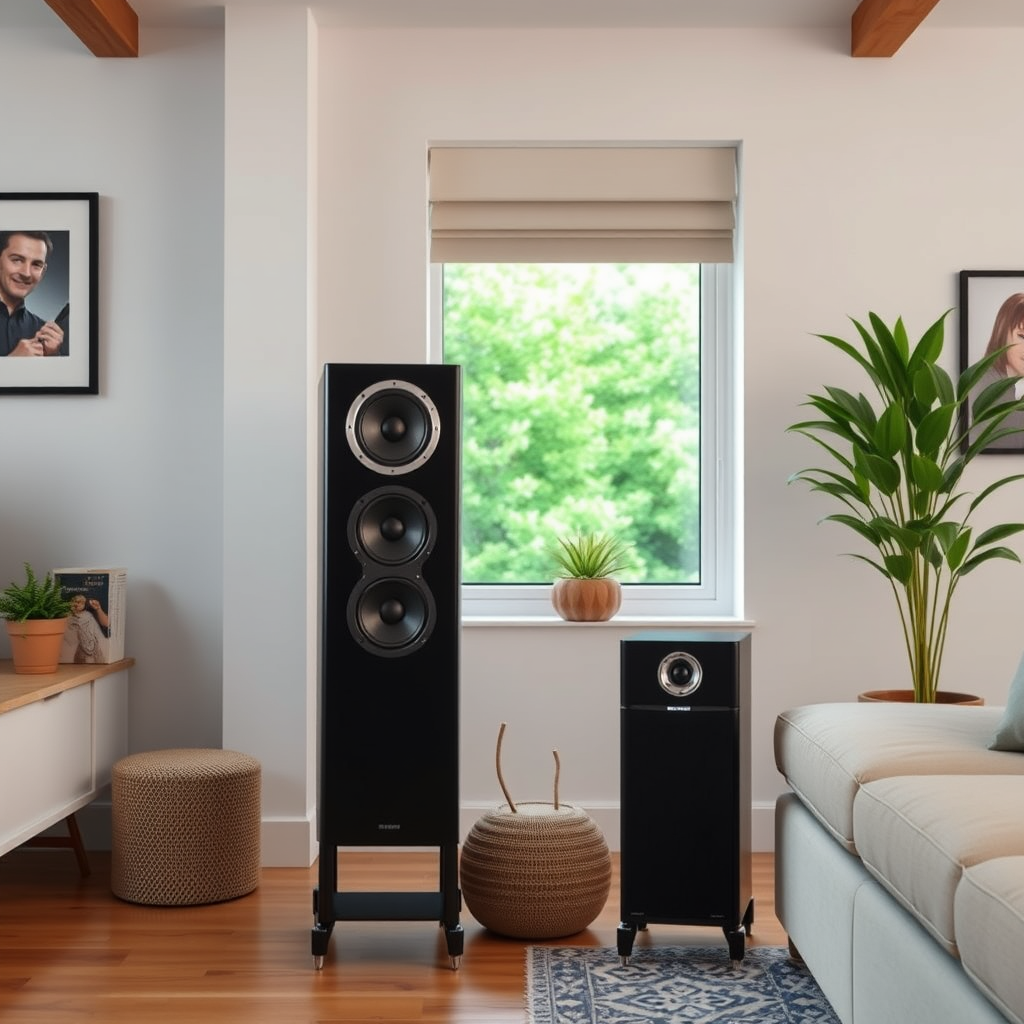
Understanding different speaker types is key to making the right choice. You have options like bookshelf speakers, floor-standing speakers, and satellite speakers, each designed for specific purposes and room sizes. Bookshelf speakers, which are compact and versatile, are perfect for smaller spaces or as part of a multi-channel home theater system. On the other hand, floor-standing speakers are larger and can deliver deeper bass and a broader soundstage, making them ideal for bigger rooms where you want to create a cinema-like experience.
When evaluating speaker sizes, keep in mind how the dimensions of the speakers relate to sound output and bass response. For instance, larger speakers typically produce more powerful bass, making them suitable for music genres like rock and hip-hop. Conversely, smaller speakers can be great for dialogue clarity in movies or podcasts, but they may require a subwoofer to fill in the low-end frequencies. By matching the size of the speaker to your room and listening preferences, you can significantly enhance your audio experience.
Listening Preferences and Use Cases
Your personal listening style plays a pivotal role in determining the right speaker size. Are you a casual listener who enjoys background music while working, or do you prefer an immersive home theater setup? If you love watching movies and gaming, larger speakers with robust bass will enhance your experience, creating a more thrilling sound environment. On the contrary, if you primarily listen to music quietly while reading or working, smaller speakers may suffice.
Additionally, consider the specific use scenarios for your speakers. If you want to use them for a variety of purposes—like music, movies, and gaming—selecting a versatile speaker that can adapt to different audio needs is essential. For example, a decent pair of bookshelf speakers can often handle music and movies well, but if you’re an audiophile who appreciates high-fidelity audio, you might want to invest in larger, more powerful speakers to truly capture the nuances of your favorite tracks.
Placement and Room Layout
Once you’ve selected the right speakers, optimal placement becomes crucial. The positioning of your speakers in relation to walls and corners can significantly impact sound distribution. Ideally, speakers should be placed at ear level when you’re in your listening position, and they should be at least a few feet away from walls to reduce unwanted reflections and enhance clarity.
Exploring your room layout is also important. Furniture arrangement can either help or hinder sound distribution. For example, if your couch is pushed against the wall, it may limit the soundstage created by your speakers. Aim for a setup where you can create an equilateral triangle between your speakers and your listening position to achieve the best sound experience. Experimenting with different placements can lead to surprising improvements in audio quality.
Matching Power and Performance
Understanding the relationship between speaker size and power handling is crucial for optimal performance. Larger speakers generally require more power from an amplifier to operate at their best. When selecting speakers, always check the recommended amplifier power ratings to ensure compatibility. For instance, if you choose floor-standing speakers that require 100 watts, pairing them with a low-powered amplifier could result in poor performance and distortion.
Another important factor to consider is speaker sensitivity ratings. This rating indicates how efficiently a speaker converts power into sound. A higher sensitivity rating means you need less power to achieve a given volume level. For example, a speaker with a sensitivity of 90 dB will produce louder sound with the same power compared to a speaker rated at 85 dB. By understanding these specifications, you can make sure your speakers perform to their fullest potential in your room.
Budget and Brand Considerations
Setting a budget is a practical step in the speaker-selection process. Determine how much you are willing to invest while considering both size and quality. It’s essential to find a balance between affordability and the features that matter most to you. Remember that larger speakers might be more expensive, but they can also provide a richer sound experience that is worth the investment.
Brand reputation is another key consideration. Research brands known for producing quality speakers that fit within your size and budget criteria. For instance, brands like Klipsch, Bowers & Wilkins, and Polk Audio have established themselves in the audio market for their reliability and sound quality. Reading reviews, watching comparison videos, and visiting local audio stores to listen to different brands can help you make a more informed choice.
Whether you’re setting up a new audio system or upgrading your current setup, remember to assess your room’s dimensions, your listening preferences, and the types of speakers available. Armed with this knowledge, you can confidently choose the right speaker size for your space. Explore options, read reviews, and visit audio stores to experience different sizes firsthand, ensuring that your audio journey is as enjoyable and immersive as possible.
Frequently Asked Questions
What factors should I consider when choosing speaker size for my room?
When selecting the right speaker size for your room, consider the room dimensions, ceiling height, and the type of sound experience you desire. Larger rooms typically benefit from larger speakers that can fill the space with sound, while smaller rooms may be overwhelmed by them. Additionally, consider the acoustics of the room, furniture placement, and whether you prefer a more focused sound or a broader soundstage.
How do I determine the ideal speaker size for a small bedroom?
For a small bedroom, speakers in the range of 4 to 6 inches are usually ideal. This size allows for adequate sound reproduction without overwhelming the space, particularly if your room is less than 150 square feet. Consider bookshelf speakers or compact models that can deliver quality audio without taking up too much space, ensuring a balanced sound experience.
Why does speaker size matter in relation to room acoustics?
Speaker size significantly impacts room acoustics because larger speakers can produce lower frequencies more effectively, which is crucial for bass response. In a smaller room, oversized speakers may cause sound distortion and muddiness, while smaller speakers may struggle to fill the space. Therefore, matching speaker size to room acoustics ensures a clearer and more enjoyable listening experience.
What is the best speaker size for a living room with high ceilings?
For a living room with high ceilings, larger speakers, such as floor-standing models or tower speakers, are often the best choice. These speakers can effectively project sound upwards and fill the vertical space, providing a rich and immersive audio experience. Additionally, consider incorporating a subwoofer to enhance low-frequency sounds, which is especially beneficial in larger spaces.
Which speaker size is recommended for home theater setups?
In home theater setups, a combination of speaker sizes is often recommended for optimal sound performance. Typically, larger front speakers (like floor-standing models) are paired with smaller bookshelf speakers for surrounds, while a dedicated subwoofer is essential for deep bass. This arrangement allows you to achieve a balanced soundstage that enhances the cinematic experience, making it crucial to assess your room size and layout when selecting speaker sizes.
References
- Loudspeaker
- https://www.acoustics.org/press/151st/room-acoustics/
- About Optica | Optica
- https://www.soundonsound.com/techniques/understanding-room-acoustics
- Institute of Culinary Education | Ranked #1 Top Culinary School in America
- https://www.npr.org/2020/12/09/944374122/how-to-choose-the-right-audio-system-for-your-home
- https://www.researchgate.net/publication/327023770_The_Acoustics_of_Small_Rooms
- https://www.grammy.com/news/sound-advice-how-choose-right-speakers-your-home-studio