

Detecting AI-based video deepfakes relies on advanced algorithms that scrutinize video content for inconsistencies and anomalies. As the technology behind deepfakes becomes more sophisticated, understanding the methods of detection is essential in combating misinformation and preserving the integrity of digital media. This article will delve into the intricacies of deepfake technology, the detection methods employed, and the broader implications for society.
Understanding Deepfakes
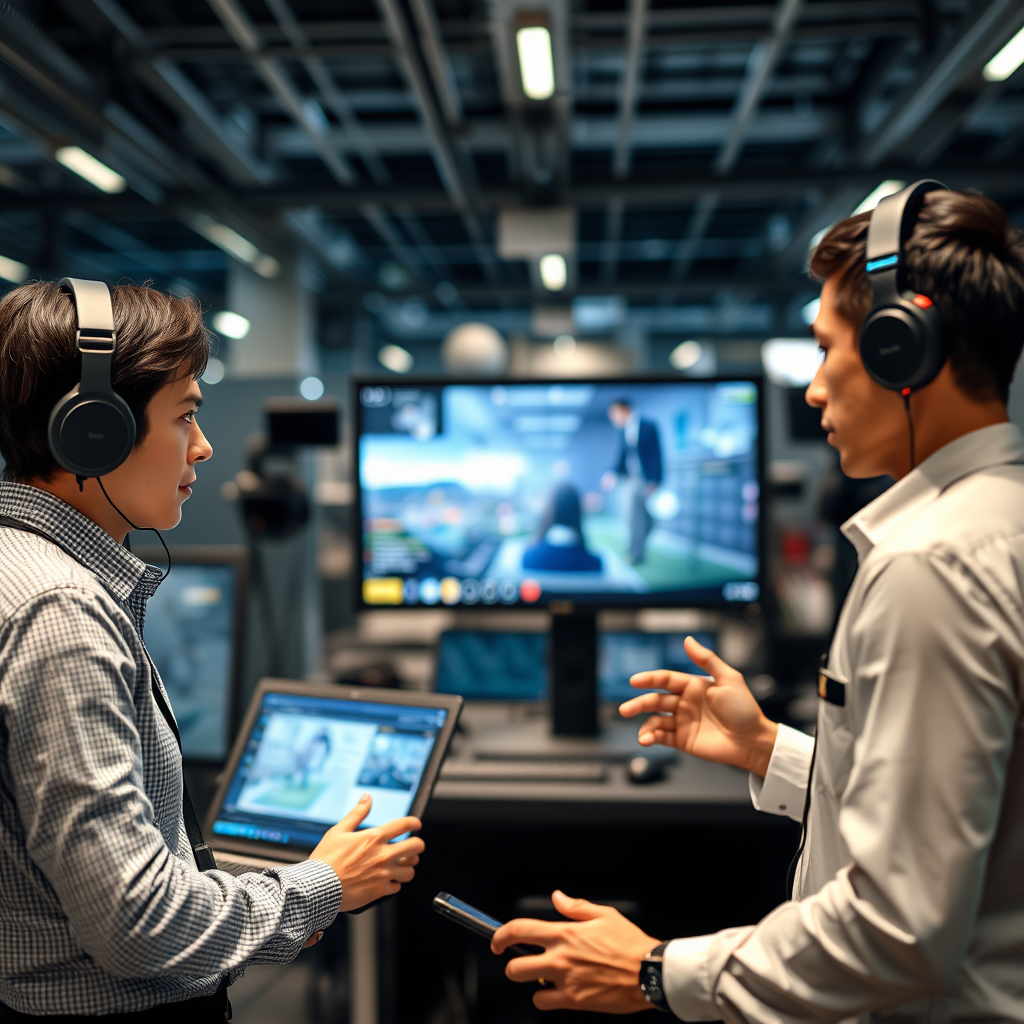
Deepfakes are synthetic media in which a person’s likeness is manipulated to create realistic-looking videos that portray actions or speech they did not actually perform. This technology uses artificial intelligence (AI) and deep learning to generate convincingly altered content, often blurring the lines between reality and fabrication. The creation of deepfakes typically involves training a generative adversarial network (GAN) on vast amounts of data, which enables the software to replicate facial movements and voice patterns seamlessly.
The misuse of deepfakes has raised significant concerns, particularly in media and politics. For example, malicious actors can create videos of public figures making inflammatory statements, which can easily mislead the public and propagate false narratives. In the realm of entertainment, deepfakes have been utilized for parody and satire, highlighting both the creative potential and ethical dilemmas associated with this technology. As such, understanding deepfakes is essential for recognizing their impact on society and the measures needed to counteract their misuse.
The Technology Behind Detection

To combat the threat posed by deepfakes, researchers and technologists have developed a variety of machine learning techniques aimed at detection. Machine learning, a subset of AI, enables computers to learn from data and improve their performance over time. In the context of deepfake detection, algorithms analyze numerous video frames to identify subtle signs that a video has been altered.
Neural networks play a pivotal role in this process. These complex algorithms consist of interconnected nodes that mimic the human brain’s structure. When applied to video analysis, neural networks can recognize patterns that are difficult for the human eye to detect. For instance, they can spot irregularities in facial movements, inconsistencies in lighting, and odd pixel behaviors that signal manipulation. By leveraging these advanced technologies, detection systems can differentiate between authentic content and deepfakes, enhancing our ability to discern truth from deception.
Key Detection Methods
One of the primary methods for detecting deepfakes is frame-by-frame analysis. This technique involves examining individual frames of a video to identify inconsistencies that may indicate tampering. For example, deepfake videos often struggle with maintaining consistent facial expressions or natural transitions between frames. By scrutinizing these details, detection algorithms can flag potential deepfakes for further review.
Another crucial method is audio-visual synchronization checks. In many deepfakes, the audio track may not perfectly align with the lip movements of the individual in the video. For instance, if a video shows a person speaking but the audio is delayed or mismatched, it can be a strong indicator of manipulation. Advanced detection systems can analyze these discrepancies, enhancing their accuracy in identifying deepfakes.
Challenges in Deepfake Detection
Despite the advancements in detection technology, challenges persist in the ongoing battle against deepfakes. One significant issue is the evolving nature of deepfake technology itself. As detection methods improve, so do the techniques used to create more convincing deepfakes. This cat-and-mouse game means that what works today may not be effective tomorrow, making it imperative for detection algorithms to continually adapt and evolve.
Another challenge is the delicate balance between false positives and false negatives. A false positive occurs when an authentic video is incorrectly identified as a deepfake, which can harm reputations and lead to misinformation. Conversely, a false negative happens when a deepfake is not detected, allowing misinformation to spread unchecked. Striking the right balance is crucial for maintaining public trust while effectively identifying manipulated content.
Real-World Applications
The implications of deepfake detection technology extend beyond just entertainment and social media; it also plays a vital role in law enforcement and security. For instance, agencies can use detection tools to analyze evidence, ensuring that the media presented in court is legitimate. Similarly, security firms may employ these technologies to verify the authenticity of surveillance footage, thereby enhancing their ability to protect against fraud and cybercrime.
In the media industry, organizations are increasingly relying on deepfake detection tools to verify the authenticity of content before publication. News outlets, for example, can implement these systems to ensure that what they share is credible, thus maintaining their integrity and trustworthiness. As the demand for accurate information grows, the role of detection technologies will only become more critical in safeguarding public discourse.
Future of Deepfake Detection
Looking ahead, the future of deepfake detection is likely to be shaped by emerging technologies and ongoing research. Innovations such as quantum computing could revolutionize the speed and efficiency of detection algorithms, enabling them to analyze vast amounts of data in real-time. Additionally, researchers are exploring the potential of blockchain technology to create immutable records of video content, which could help verify authenticity at the source.
As the landscape of deepfake technology continues to evolve, predictions indicate that detection systems will become more sophisticated and integrated into everyday applications. From social media platforms implementing automatic detection features to educational institutions teaching students about digital literacy, the future of deepfake detection will rely on widespread awareness and proactive measures to combat misinformation.
The fight against deepfakes is crucial in preserving trust in digital media. By understanding the technology and methods behind AI-based video deepfake detection, individuals and organizations can better navigate the challenges posed by this evolving threat. Stay informed and consider advocating for robust detection systems to ensure the integrity of the content you consume. As we work together to foster a more informed society, the importance of reliable detection technologies cannot be overstated.
Frequently Asked Questions
What is AI-based video deepfake detection and how does it work?
AI-based video deepfake detection refers to the use of artificial intelligence algorithms to identify manipulated video content that appears to be real but has been altered. These detection systems analyze various aspects of the video, such as pixel inconsistencies, facial movements, and audio-visual synchronization, using machine learning models trained on large datasets of both genuine and deepfake videos. By recognizing patterns and anomalies that are often invisible to the naked eye, these systems can effectively flag potentially deceptive content for further review.
Why is AI-based video deepfake detection important for online safety?
The importance of AI-based video deepfake detection lies in its ability to combat misinformation, protect individuals from identity theft, and uphold the integrity of digital media. As deepfake technology becomes increasingly sophisticated, the potential for malicious use—such as spreading false information, defaming individuals, or manipulating public opinion—grows. By employing detection systems, platforms can safeguard users and maintain trust in the authenticity of online content, ultimately contributing to a safer digital environment.
How effective are current AI-based video deepfake detection tools?
Current AI-based video deepfake detection tools vary in effectiveness, depending on the algorithms used and the training data applied. Many leading detection systems can achieve high accuracy rates, often exceeding 90% in identifying deepfakes, especially those that are less sophisticated. However, as deepfake technology advances, detection tools must continually evolve to keep pace, making ongoing research and development in this field crucial for maintaining effectiveness against new types of video manipulations.
Which AI techniques are commonly used in deepfake detection?
Several AI techniques are commonly employed in deepfake detection, including convolutional neural networks (CNNs), recurrent neural networks (RNNs), and generative adversarial networks (GANs). CNNs are particularly effective for image analysis, allowing detection systems to identify subtle visual discrepancies, while RNNs can help analyze temporal patterns in video sequences. Additionally, GANs, which are used to create deepfakes, can also be leveraged in detection systems to understand and counteract the techniques used by deepfake creators.
What are the best practices for using AI-based video deepfake detection tools?
To effectively use AI-based video deepfake detection tools, it’s essential to combine them with manual review processes, especially for high-stakes content. Users should ensure that the detection tools are regularly updated to incorporate the latest advancements in deepfake technology. Additionally, employing a multi-layered approach that includes user education on recognizing deepfakes, alongside AI detection, can enhance overall effectiveness and promote a more informed online community.
References
- Deepfake
- https://www.nytimes.com/2020/01/15/technology/deepfakes.html
- https://www.bbc.com/future/article/20201014-how-deepfakes-are-made-and-deteced
- https://www.sciencedirect.com/science/article/pii/S1361841521000236
- https://www.nist.gov/news-events/news/2021/01/nist-releases-data-set-help-improve-deepfake-detection-tools
- https://www.technologyreview.com/2020/01/17/844299/deepfake-detection-tech-companies/
- https://www.reuters.com/article/us-usa-tech-deepfakes-idUSKBN1ZV2C4
- AAAI Conferences Calendar | AI Magazine