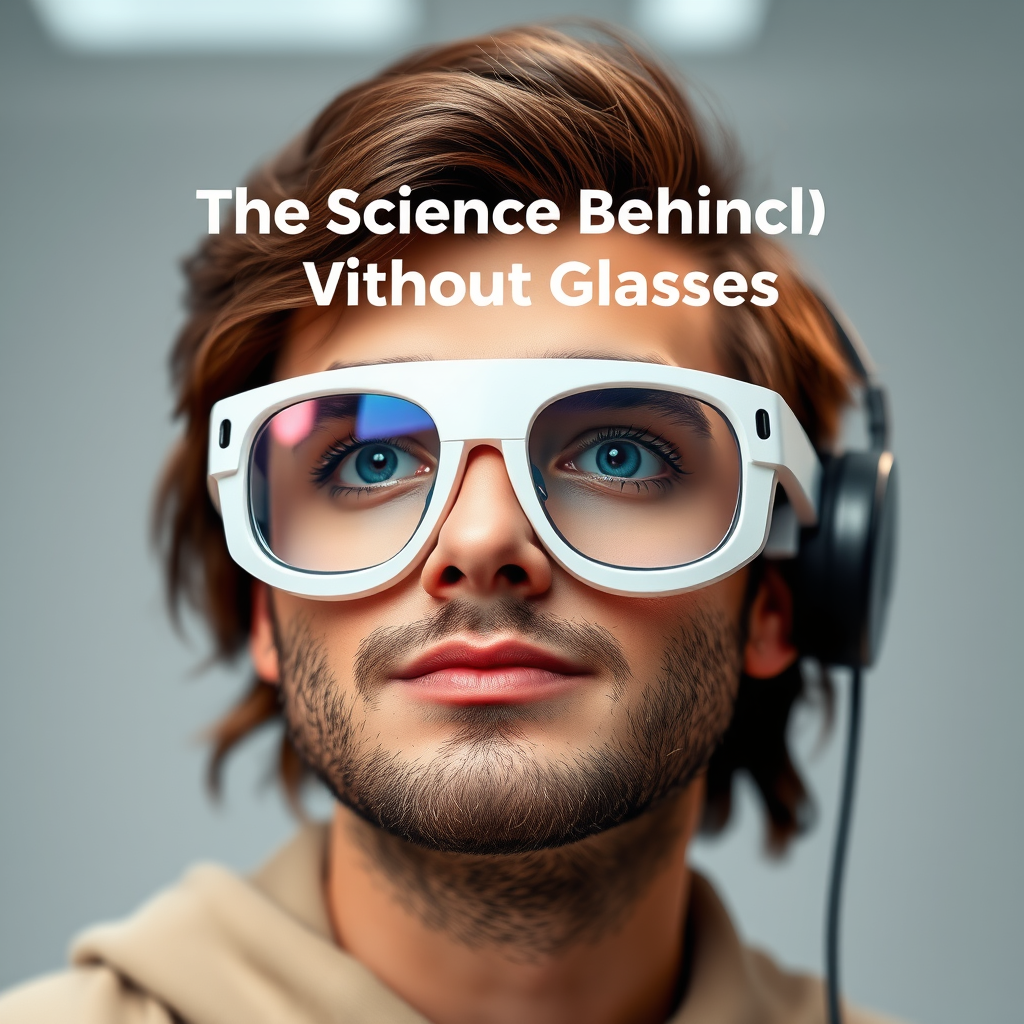

The key to 3D displays without glasses lies in advanced technologies like autostereoscopy, which creates a three-dimensional effect without the need for special eyewear. This innovative approach has revolutionized visual experiences, making them more accessible and enjoyable. In this article, you will learn about the different methods used to achieve glasses-free 3D images, their underlying science, and the future potential of these technologies.
Understanding 3D Display Technologies
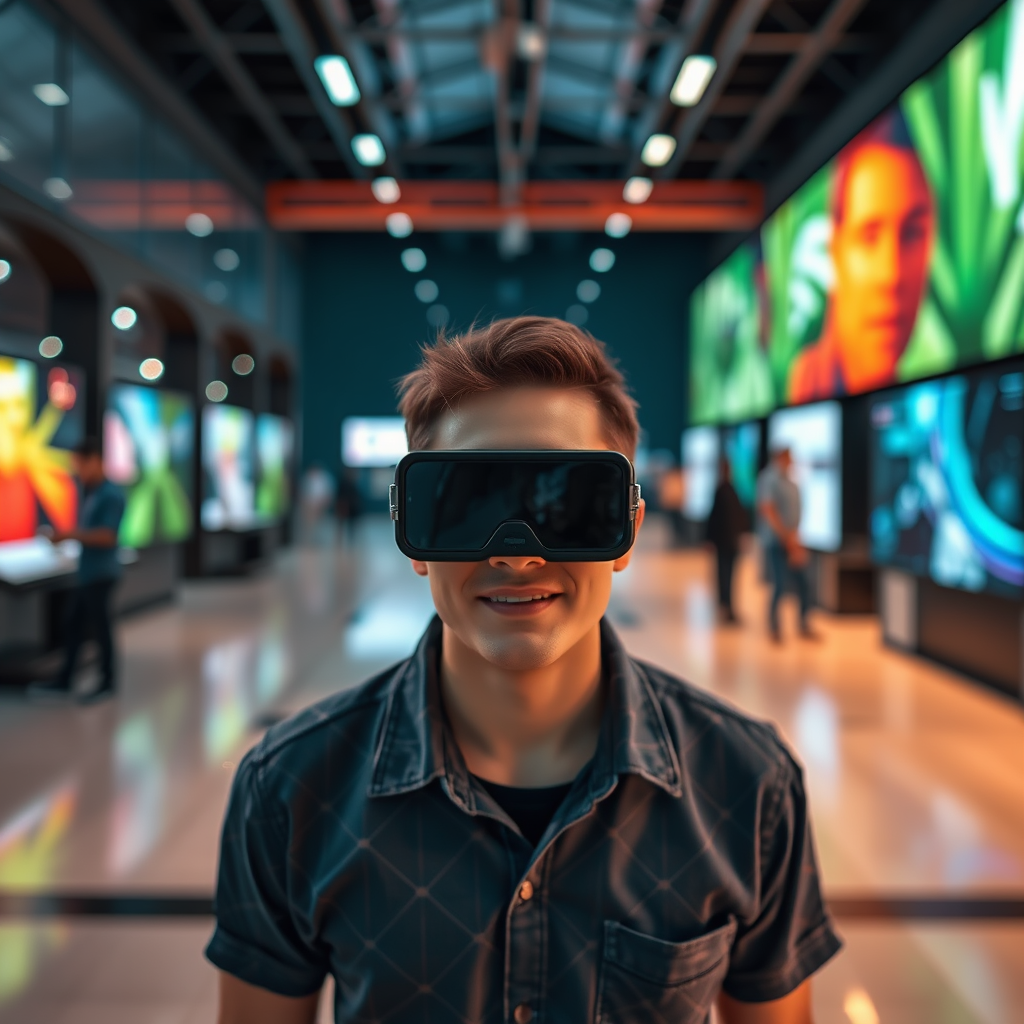
To appreciate the advancements in glasses-free 3D displays, it’s essential first to understand traditional 3D display technologies. Conventional 3D systems typically require the use of polarized or active-shutter glasses to create depth perception. While these glasses can provide stunning visuals, they come with limitations such as discomfort during extended viewing, reduced brightness, and the need for specific viewing angles. Additionally, the experience can be less immersive due to the physical barrier of eyewear.
In contrast, autostereoscopic displays eliminate the need for glasses by utilizing various techniques to deliver 3D images directly to the viewer’s eyes. This technology allows for a more natural and engaging viewing experience, as the audience can move around and interact with the display without worrying about adjusting or wearing clunky eyewear. The shift toward autostereoscopy opens up a world of possibilities for entertainment and communication, enhancing the overall user experience.
The Technology Behind Glasses-Free 3D
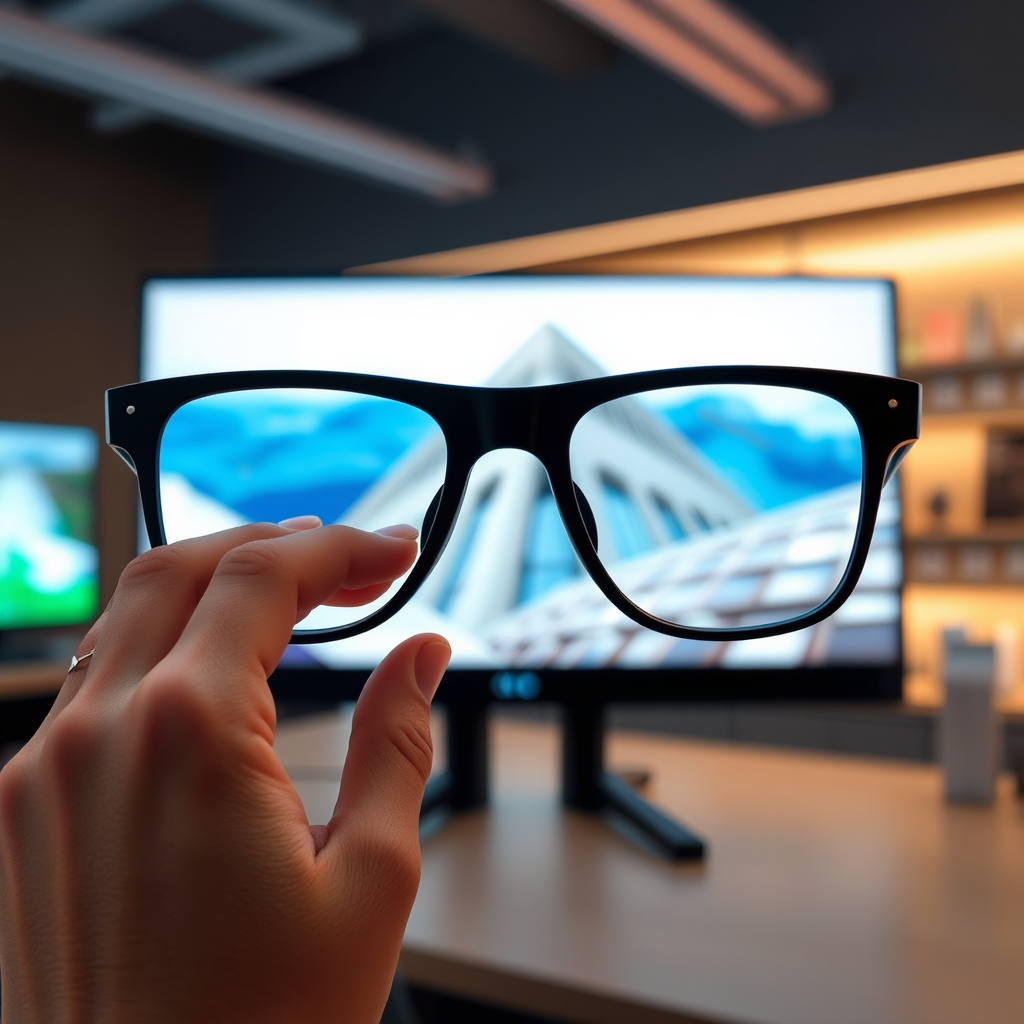
At the heart of glasses-free 3D technology are two primary techniques: lenticular lenses and parallax barriers. Lenticular lenses consist of an array of cylindrical lenses that refract light into different angles. When viewed from various positions, these lenses direct specific images to the viewer’s left and right eyes, creating a depth perception similar to that experienced in real life. This technique is particularly effective for images that require a static perspective, such as photographs and animations.
Parallax barriers, on the other hand, involve a layer of slits that sit in front of the display. These slits allow light from specific pixels to reach each eye independently. As a result, when a viewer looks at the screen from the correct angle, each eye sees a slightly different image, which the brain combines to perceive depth. This method is prevalent in mobile devices and handheld gaming consoles, where portability and convenience are key.
Both of these technologies manipulate light in unique ways to create the illusion of depth, making them essential components in the evolution of glasses-free 3D displays. As these techniques continue to develop, we can expect even more immersive and realistic experiences.
Benefits of 3D Displays Without Glasses
One of the most significant advantages of glasses-free 3D displays is the enhanced user experience and comfort they provide. Without the need for glasses, viewers can enjoy longer viewing sessions without the discomfort often associated with wearing eyewear. This is particularly beneficial in settings such as cinemas and gaming environments, where immersion is critical.
Moreover, glasses-free 3D displays have a wide range of applications across various industries. In gaming, for instance, players can interact with their environment in a more intuitive way, increasing engagement and enjoyment. In cinema, filmmakers can create more dynamic storytelling experiences, allowing viewers to feel as though they are part of the action. Virtual reality applications also stand to benefit from glasses-free technology, as it could enable more natural interactions within virtual spaces.
The potential for educational tools is another exciting application. Imagine classrooms equipped with glasses-free 3D displays, allowing students to explore complex subjects like anatomy or astronomy in a more interactive and engaging manner. By providing a more immersive learning experience, these displays can enhance understanding and retention of information.
Challenges in Developing Glasses-Free 3D Displays
Despite the exciting possibilities, there are several challenges associated with the development of glasses-free 3D displays. One significant hurdle is achieving high-resolution images. As the demand for sharper, more detailed visuals increases, manufacturers must find ways to produce displays that maintain image quality while also delivering a convincing 3D effect. Balancing these factors can be technically demanding and costly.
Another challenge is the limitations imposed by viewing angles and audience size. Many glasses-free technologies require viewers to be positioned within a specific range to experience the 3D effect fully. If the viewer moves outside this range, the depth perception can diminish, leading to a less satisfying experience. This restriction can be particularly problematic in larger settings, such as theaters or public displays, where accommodating multiple viewers can be challenging.
Addressing these issues will be crucial for the broader adoption of glasses-free 3D displays. As researchers and engineers continue to innovate, finding solutions will be key to overcoming these barriers and unlocking the full potential of this technology.
Future Prospects of Glasses-Free 3D Technology
Looking ahead, the future of glasses-free 3D technology is bright, with several innovations on the horizon. Holographic displays, for instance, hold tremendous promise for creating lifelike images that can be viewed from virtually any angle. These displays could revolutionize not only entertainment but also industries like education and healthcare, where realistic visualizations can enhance understanding and decision-making.
Additionally, advancements in artificial intelligence and machine learning may lead to even smarter displays that can adapt to user preferences and viewing habits. Imagine a display that adjusts its settings based on the viewer’s position or the content being shown, providing an optimized experience tailored specifically for each person.
The impact of glasses-free 3D technology extends beyond just entertainment; it has the potential to transform how we communicate and interact with digital content, paving the way for more immersive and engaging experiences across various sectors.
Consumer Adoption and Market Trends
Currently, the market landscape for glasses-free 3D displays is evolving. While traditional 3D displays have been prevalent, the demand for glasses-free options is growing, driven by consumer interest in more immersive experiences. Devices such as the Nintendo 3DS and certain smartphones have successfully integrated glasses-free 3D technology, showcasing its potential to a broader audience.
However, there remain some barriers to widespread adoption. The cost of developing and producing glasses-free displays can be high, which may deter manufacturers from fully committing to this technology. Additionally, consumer awareness and understanding of the benefits of glasses-free displays need to increase for more people to embrace this innovation.
As technology continues to advance and costs decrease, we may see a surge in consumer interest and adoption of glasses-free 3D displays in various applications. Keeping an eye on market trends will help you stay informed about the future of visual technology and the exciting possibilities that lie ahead.
The advancements in glasses-free 3D display technology are transforming how we experience visual content. With the ability to provide immersive experiences without the need for cumbersome eyewear, these innovations hold promise for the future of entertainment and beyond. As the technology continues to evolve, keeping an eye on its development can help you stay informed about the next wave of visual experiences. The journey of glasses-free 3D displays is just beginning, and the potential is truly limitless!
Frequently Asked Questions
What are the key technologies used in 3D displays without glasses?
The key technologies behind glasses-free 3D displays include autostereoscopy, parallax barriers, and lenticular lenses. Autostereoscopy allows the viewer to perceive depth without needing glasses by utilizing multiple viewpoints and angles, while parallax barriers and lenticular lenses manipulate light to direct images to each eye separately, creating a stereoscopic effect. These technologies are constantly evolving, aiming to enhance the viewing experience with improved resolution and depth perception.
How do glasses-free 3D displays compare to traditional 3D displays?
Glasses-free 3D displays offer several advantages over traditional 3D displays, particularly in terms of convenience and comfort. Users do not need to wear special glasses, which can often be uncomfortable and limit the viewing experience. Additionally, glasses-free displays can provide a wider viewing angle and allow for more natural depth perception, making them ideal for group settings or public displays where multiple users can enjoy the content simultaneously.
Why are 3D displays without glasses gaining popularity in the entertainment industry?
3D displays without glasses are gaining popularity in the entertainment industry due to their ability to enhance viewer engagement and immersion. As consumers seek more interactive and lifelike experiences, these displays provide an appealing alternative to traditional formats. Furthermore, advancements in technology have made these displays more accessible and affordable, allowing filmmakers and game developers to create captivating content that draws audiences in without the barriers that glasses can present.
What are the best applications for glasses-free 3D technology?
The best applications for glasses-free 3D technology include gaming, virtual reality experiences, advertising, and digital signage. In gaming, the technology enhances immersion by adding depth to environments, while in advertising and digital signage, it captures attention more effectively without the need for additional accessories. Additionally, the healthcare sector is exploring its use for medical imaging and training simulations, showcasing the versatility of this innovative technology across various industries.
Which challenges do developers face when creating glasses-free 3D displays?
Developers face several challenges when creating glasses-free 3D displays, including achieving high image quality and resolution while maintaining effective depth perception. Additionally, ensuring that the viewing experience remains consistent across different angles can be difficult, as parallax effects can lead to image distortion if not executed properly. Technical limitations such as cost, power consumption, and the need for specialized components also pose significant hurdles in bringing these displays to the mainstream market.
References
- Autostereoscopy
- https://www.sciencedirect.com/science/article/pii/S1369701216300963
- https://www.nature.com/articles/s41598-021-95683-0
- https://www.bbc.com/future/article/20211005-how-glasses-free-3d-technology-works
- https://www.sciencedaily.com/releases/2019/04/190409114055.htm
- https://www.researchgate.net/publication/327324598_Autostereoscopic_display_technologies
- https://www.techrepublic.com/article/how-glasses-free-3d-works/
- https://www.technologyreview.com/2021/10/14/1037435/glasses-free-3d-technology/