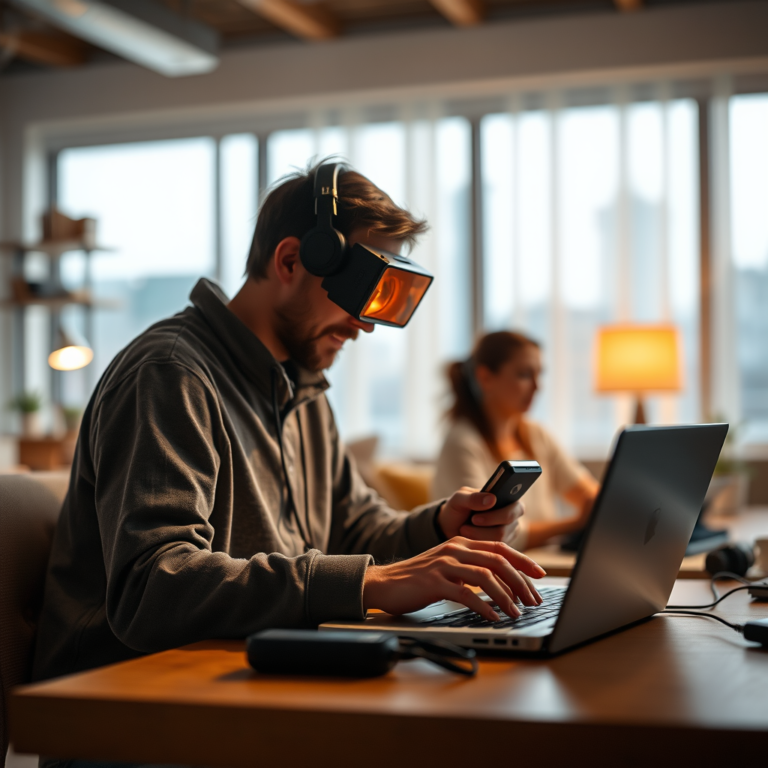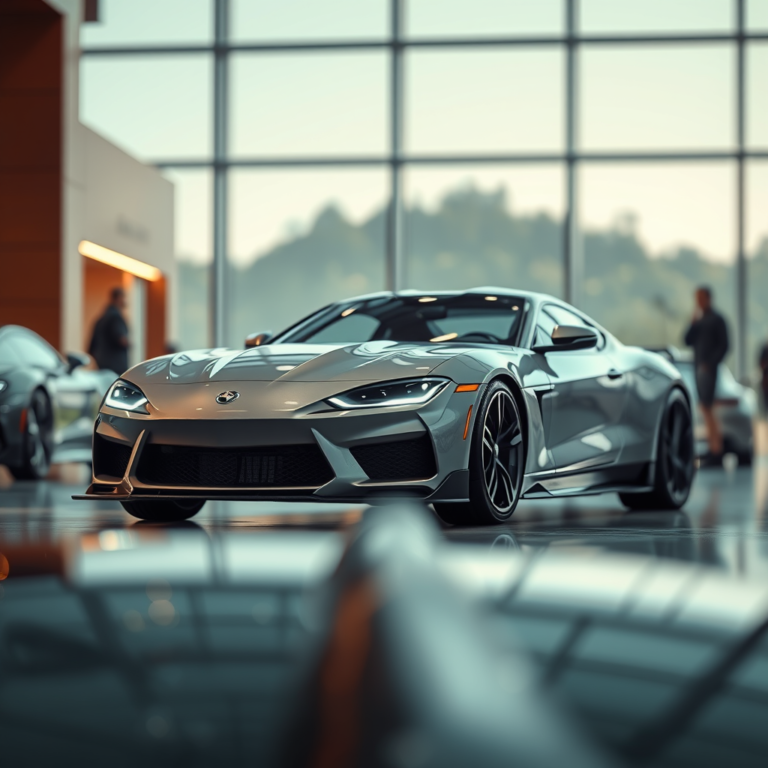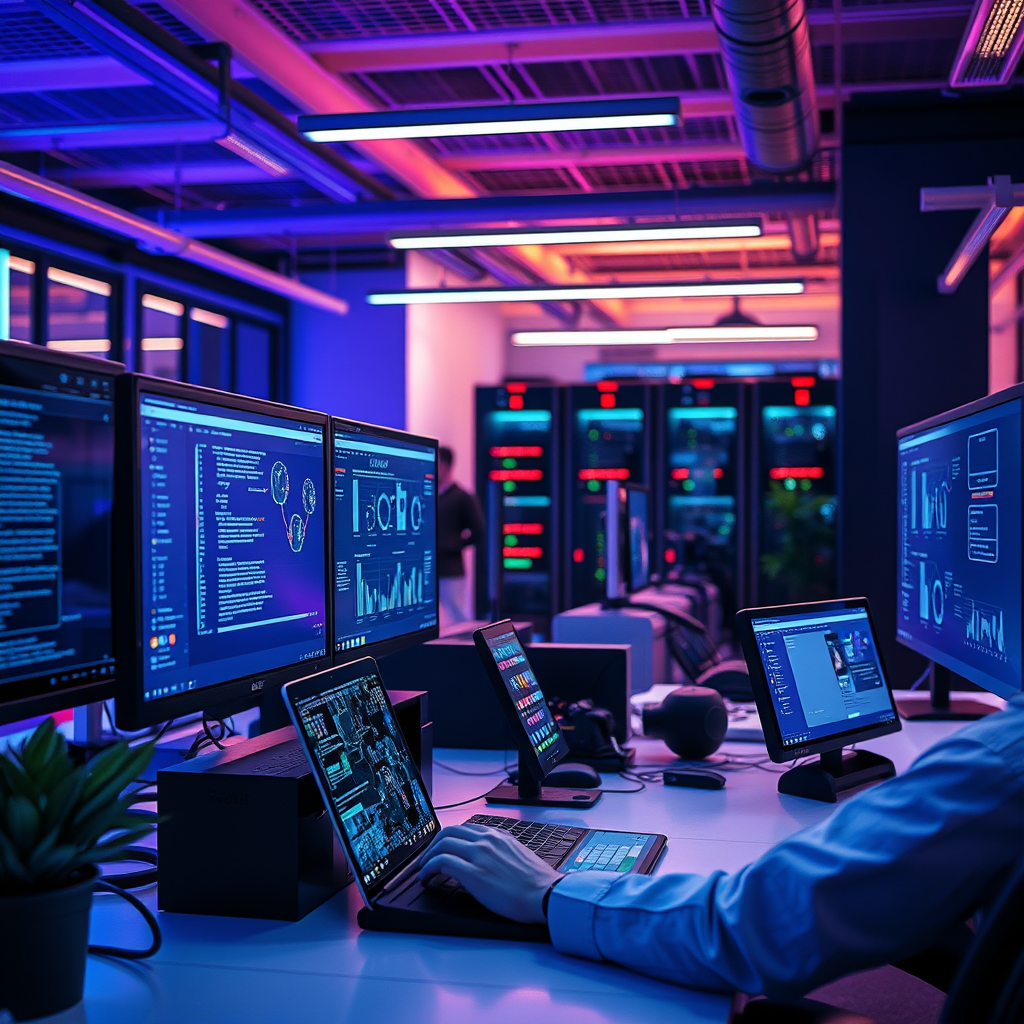

AI-powered scene detection in modern cameras uses sophisticated algorithms to analyze and interpret the surrounding environment, enabling automatic adjustments that significantly enhance image quality. This technology not only simplifies the photography process but also empowers both amateur and professional photographers to achieve stunning results without extensive manual tweaking. In this article, we will explore how these systems work, the underlying technology, and their practical applications in the world of photography.
Understanding Scene Detection Technology
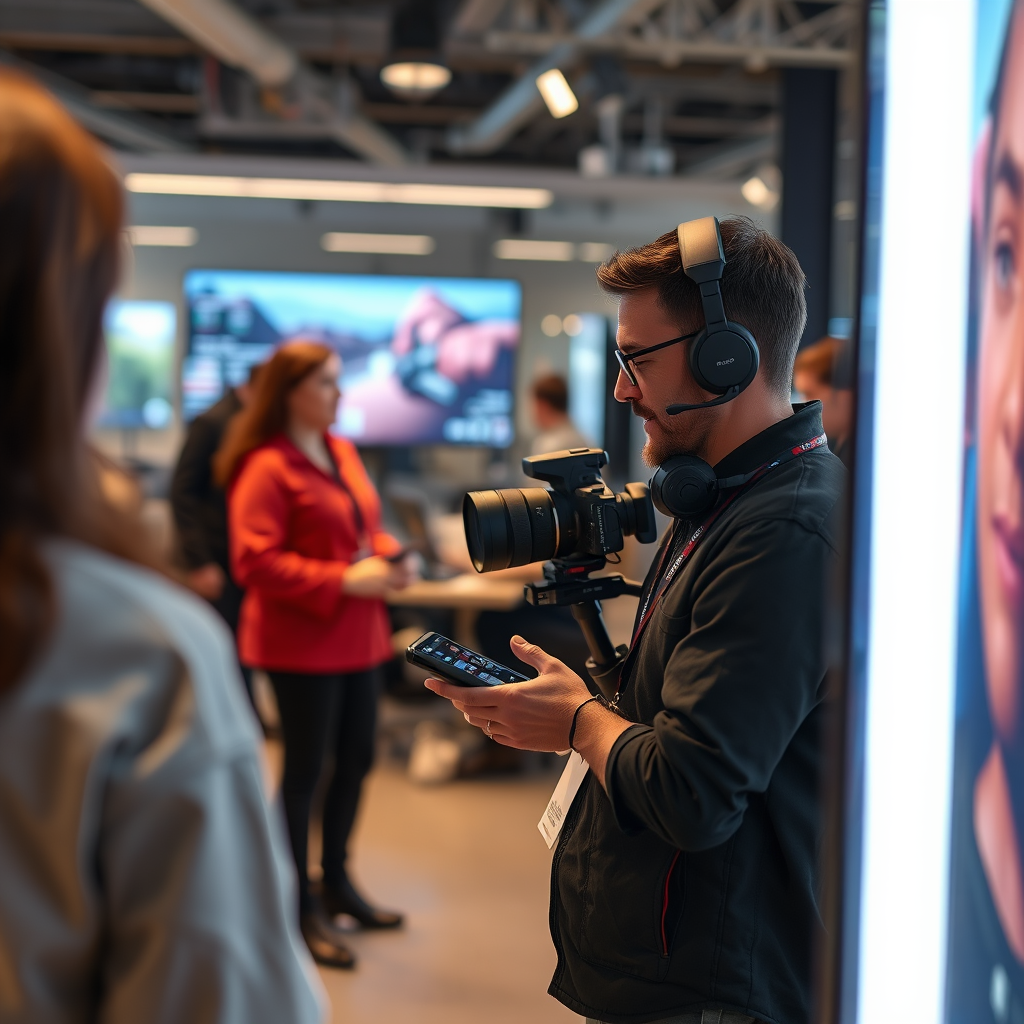
Scene detection technology is a fascinating area where artificial intelligence meets photography. At its core, scene detection algorithms analyze visual data to recognize different environments, such as landscapes, portraits, sports events, or night scenes. By identifying various attributes and features within a frame, these algorithms can make informed decisions about how to adjust camera settings for optimal results.
To achieve this, manufacturers train their algorithms using machine learning models on vast datasets filled with images representing a multitude of scenes. The more data these algorithms process, the better they become at recognizing patterns and making decisions. For instance, a camera equipped with AI scene detection can automatically identify a sunset and adjust the exposure to capture the rich hues of the sky, ensuring that the photograph reflects the vibrant colors accurately.
The Role of Machine Learning
Machine learning plays a crucial role in the functionality of AI-powered scene detection. Essentially, it enables cameras to learn from past images, improving their scene recognition capabilities over time. This adaptive learning process means that the more you use your camera, the smarter it gets.
One of the key technologies behind this is the use of neural networks, which are designed to mimic the way the human brain processes information. These networks are trained on thousands, if not millions, of images, allowing them to classify different scenes and predict the best camera settings accordingly. For example, when you take a picture of a beach, the camera’s neural network can recognize the sand, water, and sky, determining that a higher aperture and a specific white balance would yield the best results. As a result, the images captured are more vibrant and true-to-life.
How AI Enhances Image Quality
AI enhances image quality in several ways, primarily through automatic adjustments of camera settings such as exposure, white balance, and focus based on scene analysis. When a camera recognizes that you are shooting a dark, candle-lit dinner setting, it can automatically increase the exposure to allow more light in, ensuring that the details don’t get lost in shadows.
Moreover, automatic scene optimization helps photographers capture better images without manual adjustments, which can be especially beneficial for those who may not have extensive photography knowledge. For instance, if you’re photographing a fast-moving subject, like a child playing soccer, the AI can quickly adjust the shutter speed to freeze the action and maintain clarity, avoiding motion blur that could occur if settings were left to chance.
Real-Time Processing Capabilities
One of the most impressive features of modern cameras with AI-powered scene detection is their ability to process scene data in real-time. This capability allows for instantaneous adjustments, which is crucial when capturing fast-moving subjects or unpredictable environments.
For example, during a sports event, a photographer may need to quickly adapt to changing light conditions or sudden movements. The camera’s AI can analyze the scene in milliseconds, adjusting settings like ISO and shutter speed on the fly to ensure the shots are perfectly exposed and focused. This level of responsiveness enables photographers to capture the decisive moment without worrying about missing the action due to manual settings.
Applications in Photography
AI scene detection technology is beneficial for both amateur and professional photographers, simplifying the shooting process and enhancing the overall experience. For amateurs, it reduces the learning curve associated with photography, enabling them to focus on creativity rather than technicalities. With just a point-and-shoot, anyone can capture stunning images with minimal effort.
For professional photographers, this technology can serve as a powerful tool to enhance their workflow. By automating routine adjustments, they can concentrate on composition and artistic expression. This is particularly advantageous in dynamic environments such as weddings or events, where conditions and lighting can change rapidly.
Smartphone cameras have also greatly benefited from AI scene detection, allowing users to take high-quality images effortlessly. For example, many smartphones come equipped with features that automatically detect if you’re shooting a landscape versus a portrait, adjusting settings accordingly. This means that even those who might not consider themselves photographers can achieve impressive results with just their phone.
Future Trends in AI Scene Detection
The future of AI scene detection looks bright, with ongoing advancements in technology promising even smarter cameras with enhanced capabilities. As algorithms continue to evolve, we can expect more personalized settings that cater to individual user preferences.
Imagine a camera that not only recognizes a scene but also understands your unique style and makes suggestions based on past images you’ve taken. Future developments may integrate user feedback into the learning process, allowing cameras to adapt even further to a photographer’s habits. Additionally, as computational photography becomes more prevalent, we may see AI systems that can blend multiple exposures or even create entirely new compositions in real-time.
As AI continues to advance, we’ll likely see a greater emphasis on user-friendly interfaces that make these sophisticated features accessible to everyone, ensuring that anyone can take breathtaking photos with ease.
AI-powered scene detection significantly enhances the photography experience by automatically optimizing camera settings for various environments. With the rapid evolution of technology, these systems are becoming increasingly sophisticated, making it easier than ever to capture stunning images. Whether you’re a seasoned photographer or just starting out, exploring the latest camera models featuring this technology can transform your photography journey. Embrace the power of AI and experience the difference it can make in your photographic endeavors today!
Frequently Asked Questions
What is AI-powered scene detection in modern cameras?
AI-powered scene detection in modern cameras refers to the technology that uses artificial intelligence algorithms to analyze and interpret the subjects and environments in a photograph. This system identifies various elements like landscapes, people, and objects, enabling the camera to adjust settings such as exposure, focus, and color balance automatically to optimize image quality. By leveraging machine learning, these cameras continuously improve their ability to recognize scenes based on a vast database of images.
How does AI scene detection improve photography for amateur photographers?
AI scene detection significantly enhances the photography experience for amateur photographers by simplifying the process of capturing high-quality images. By automatically adjusting camera settings according to the detected scene—such as brightening a dimly lit area or enhancing colors in a sunset—users can achieve professional-looking results without needing extensive technical knowledge. This feature reduces the trial and error associated with manual settings, allowing users to focus more on composition and creativity.
Why is AI scene detection important for modern cameras?
AI scene detection is crucial for modern cameras because it elevates the user experience and image quality through automation and intelligence. By understanding the context of a scene, cameras can make real-time adjustments that help capture images more accurately than traditional methods. This technology not only improves the chances of taking great photos in various conditions but also caters to a diverse range of users, from casual shooters to professional photographers, enhancing the overall appeal of digital cameras.
What are the best features of AI-powered scene detection technology?
The best features of AI-powered scene detection technology include real-time scene analysis, automatic adjustments for lighting and exposure, and the ability to recognize multiple subjects and settings simultaneously. Some advanced systems can even differentiate between scenes like portrait, landscape, or macro, applying tailored enhancements for each. Additionally, features such as face recognition and tracking ensure that subjects are consistently in focus, enhancing the overall composition of photos.
Which brands offer the most effective AI-powered scene detection in their cameras?
Several leading camera brands are recognized for their effective AI-powered scene detection capabilities, including Canon, Nikon, Sony, and Fujifilm. These manufacturers have integrated sophisticated AI algorithms into their camera systems, offering features like advanced autofocus, scene detection modes, and intelligent exposure adjustments. When choosing a camera, it’s essential to consider user reviews and comparisons of AI features across these brands to find the one that best suits your photography style and needs.
References
- https://en.wikipedia.org/wiki/Scene_detection
- https://www.sciencedirect.com/science/article/pii/S0031320319300045
- https://www.technologyreview.com/2021/01/06/1015973/how-ai-is-changing-the-way-we-see-the-world/
- https://www.nist.gov/news-events/news/2020/04/how-ai-improving-image-analysis
- https://www.researchgate.net/publication/331743297_A_Review_of_Image_Scene_Recognition_Techniques
- https://www.bbc.com/future/article/20210323-how-ai-is-changing-the-way-we-see-images
- https://www.wired.com/story/how-artificial-intelligence-is-changing-photography/
- https://www.nationalgeographic.com/science/article/how-artificial-intelligence-is-changing-photography
- https://www.kdnuggets.com/2020/06/ai-scene-detection.html