

Night vision cameras utilize heat sensors to detect infrared radiation emitted by objects, allowing them to create images based on temperature differences rather than visible light. This innovative technology is essential for visibility in low-light conditions, making it invaluable for various applications including surveillance, wildlife observation, and military operations. By understanding the mechanics behind heat sensors, we can appreciate how these devices transform the way we see the world after dark.
Understanding Heat Sensors
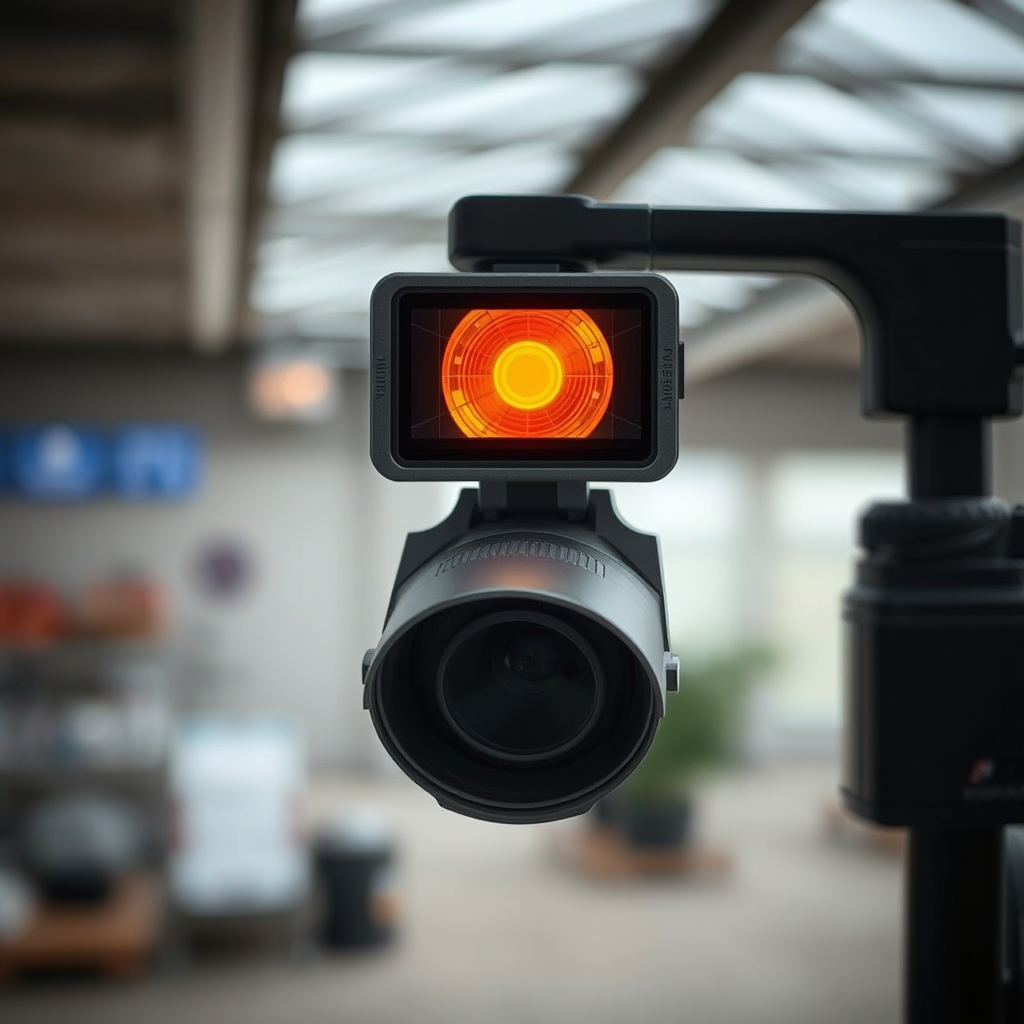
Heat sensors are fascinating devices that detect infrared radiation, which is emitted by all objects based on their temperature. The principle behind this technology is quite simple yet powerful: all objects, whether they are hot or cold, emit infrared radiation that is invisible to the naked eye. Heat sensors, often referred to as thermal sensors, convert this radiation into electrical signals.
Once the infrared radiation is captured, the sensor processes these signals to create an image that visually represents the temperature differences in the scene. Warmer objects appear brighter, while cooler objects show up darker, allowing for a clear differentiation between various elements in the environment. This means that even in complete darkness, a heat sensor-equipped camera can generate a detailed image based purely on thermal energy, helping users to see what would otherwise be completely hidden from view.
Types of Heat Sensors in Night Vision
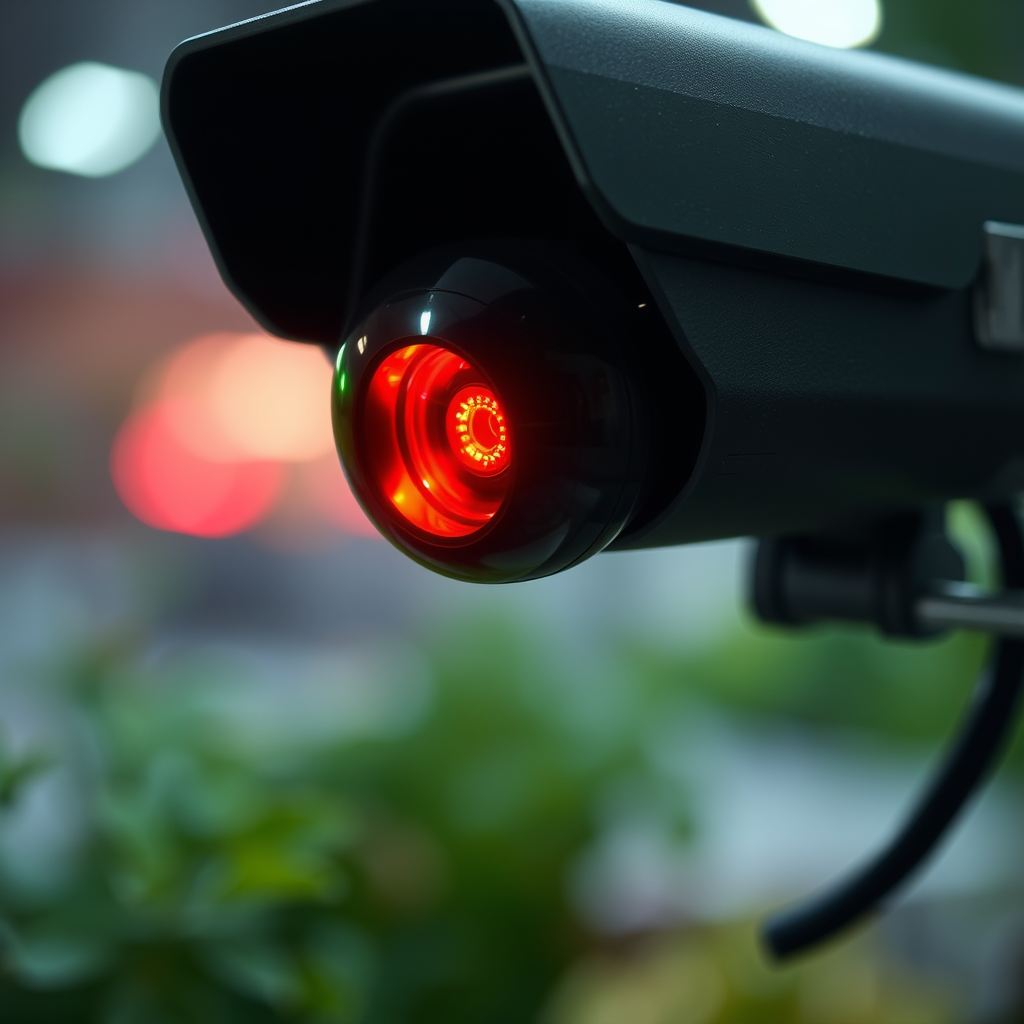
When it comes to night vision technology, there are primarily two types of heat sensors used: thermal imaging sensors and photon detectors.
– Thermal Imaging Sensors: These are the most common type of heat sensors found in night vision cameras. They work by capturing the heat signatures emitted by objects, producing clear images even in total darkness. For instance, if you’re monitoring a property at night, a thermal imaging sensor can easily detect a person walking across the yard, even if they are obscured by shadows or foliage. This type of sensor is particularly useful in scenarios where visible light is absent, as it relies solely on the thermal energy emitted by the subjects in the scene.
– Photon Detectors: Unlike thermal imaging sensors, photon detectors work by detecting individual photons of light, which enhances visibility in low-light scenarios. They are particularly effective in situations where there’s some ambient light, as they can amplify the available light to create a clearer image. An example of this technology can be found in military operations where soldiers may need to navigate in dim environments but still require a degree of visual clarity. Photon detectors can make a significant difference in operational effectiveness under these conditions.
Application in Surveillance
Night vision cameras equipped with heat sensors have become indispensable tools in the realm of security. Their ability to operate in complete darkness enables effective monitoring and surveillance without the need for additional lighting. For instance, many businesses and residential properties now employ these cameras to deter criminal activity, as the mere presence of night vision technology can act as a strong deterrent to potential intruders.
These cameras can identify intruders and assess potential threats with astonishing accuracy, even when visibility is severely limited. In addition to their use in security systems, heat sensors can also be integrated into smart home technology, allowing homeowners to receive alerts on their smartphones if unusual activity is detected at night. This level of surveillance not only enhances safety but also provides peace of mind for property owners.
Military and Tactical Uses
In the military domain, night vision cameras equipped with heat sensors play a crucial role in reconnaissance and target acquisition. Soldiers rely on these devices to operate effectively in various environments, maintaining a significant advantage in low visibility conditions. For example, during nighttime missions, a heat sensor can help troops identify enemy positions, vehicles, or even the movement of wildlife that could potentially compromise their operations.
Heat sensors also facilitate navigation in unfamiliar terrain, minimizing risks and enhancing operational success. The ability to detect heat signatures from a safe distance allows for strategic planning and execution of missions without exposing personnel to unnecessary danger. This technology has proven to be invaluable in scenarios such as search and rescue operations where visibility is limited but the stakes are high.
Wildlife Observation and Research
For researchers and wildlife enthusiasts, heat sensors present a unique opportunity to observe nocturnal animals without disturbing their natural behavior. Night vision cameras equipped with thermal imaging technology can help in studying animal patterns, migration routes, and habitats during nighttime hours when many species are most active. For instance, biologists studying the habits of owls or raccoons can gather data without the interference of bright lights that could alter the animals’ behavior.
Moreover, these cameras have been instrumental in conservation efforts, allowing researchers to monitor endangered species in their natural habitats. By understanding how these animals interact with their environment at night, scientists can develop strategies to protect them more effectively. The non-invasive nature of thermal imaging ensures that animals can be observed without stress, leading to more accurate research findings.
Challenges and Limitations
Despite their many advantages, heat sensors are not without challenges. One of the primary issues is that they can sometimes misinterpret heat signatures, leading to false positives or negatives. For example, a heat sensor may pick up the warmth of a small animal or even a tree heated by the sun, which could confuse the user and result in unnecessary alarm.
Additionally, environmental factors such as weather and temperature can affect sensor performance and image quality. Heavy rain or fog can obscure infrared signals, reducing the effectiveness of the camera in capturing clear images. Similarly, extreme temperature variations can lead to difficulties in accurately distinguishing between objects. Therefore, while heat sensors are powerful tools, users must understand their limitations and the environmental conditions that can impact performance.
The technology behind night vision cameras utilizing heat sensors is a remarkable advancement that enhances visibility in darkness. By understanding how these sensors work and their various applications, you can appreciate their significance across multiple fields. Whether for security, military operations, or wildlife research, the ability to see in the dark opens up a world of possibilities. If you’re interested in exploring night vision technology further, consider investing in your own night vision equipment or delving into related research. Embracing this technology not only enhances personal safety and operational effectiveness but also enriches our understanding of the natural world.
Frequently Asked Questions
What are heat sensors and how do they work in night vision cameras?
Heat sensors, also known as thermal sensors, detect infrared radiation emitted by objects based on their heat signature. In night vision cameras, these sensors convert thermal energy into an electronic signal, which is then processed to create a visible image. This allows users to see in complete darkness or through obstacles like fog and smoke, making heat sensors essential for surveillance, search and rescue operations, and wildlife observation.
How do heat sensors enhance the capabilities of night vision cameras?
Heat sensors significantly enhance night vision cameras by enabling them to detect living beings and objects that are warmer than their surroundings, even in total darkness. Unlike traditional low-light night vision that amplifies visible light, thermal imaging provides a clearer picture in low-visibility environments, allowing for improved situational awareness and more effective monitoring in various applications, from security to military operations.
Why are heat sensors important for security and surveillance applications?
Heat sensors are crucial for security and surveillance because they provide an added layer of detection that goes beyond visible light. They can identify intruders or unauthorized activities even when conventional cameras fail due to lack of light. The ability to detect heat signatures allows security personnel to monitor areas effectively, day or night, ensuring enhanced safety and quicker response times.
What are the best applications for night vision cameras with heat sensors?
Night vision cameras equipped with heat sensors are best suited for a variety of applications including perimeter security, wildlife monitoring, search and rescue missions, and law enforcement operations. They excel in environments where visibility is compromised, such as dense forests, urban settings at night, or during adverse weather conditions. These cameras provide critical information that can aid in decision-making and tactical responses.
Which features should I look for in night vision cameras with heat sensors?
When selecting night vision cameras with heat sensors, consider features such as resolution, detection range, frame rate, and thermal sensitivity. High-resolution sensors provide clearer images, while a longer detection range ensures that you can identify heat signatures from a distance. Additionally, look for cameras with robust weather resistance, user-friendly interfaces, and compatibility with mobile devices for real-time monitoring and alerts.
References
- Night vision
- https://www.sciencedirect.com/science/article/pii/S0030401819300353
- https://www.nist.gov/news-events/news/2019/10/understanding-thermal-imaging-technology
- https://www.army.mil/article/206775/understanding_the_thermal_imaging_technology
- https://www.technologyreview.com/2019/05/15/239471/how-thermal-imaging-works/
- NOAA’s Role in Space-Based Global Precipitation Estimation and Application | The National Academi…
- https://www.osa-opn.org/home/articles/volume_29/december_2018/features/thermal_imaging_technology_for_the_modern_age/