

Light field cameras capture and process visual information differently than traditional cameras, allowing for stunning 3D imaging capabilities. These innovative devices utilize advanced optical technology to record not just the intensity of light, but also the direction from which it comes. By doing this, they open up a world of possibilities in photography and imaging, making it possible to adjust focus after taking a shot and even create immersive 3D experiences. In this article, you’ll learn how these remarkable devices work, the technology behind them, and their various applications in photography and beyond.
What is a Light Field Camera?
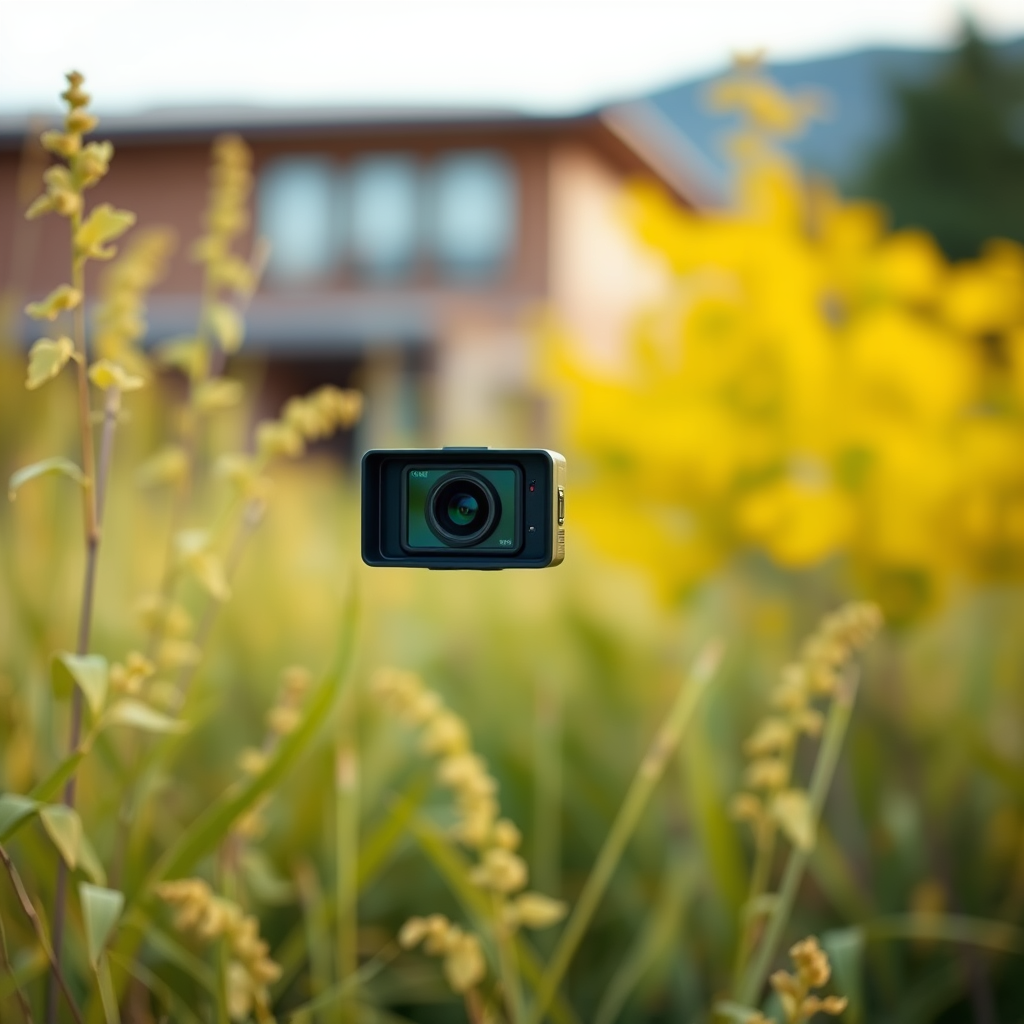
A light field camera is a device that captures the light field of a scene, which is essentially a 4D representation of light rays in space. This means it captures information about the direction and intensity of light, rather than just a flat, two-dimensional image. Traditional cameras only capture a single viewpoint, resulting in a static representation of the scene. In contrast, light field technology allows for a more comprehensive capture, enabling features like refocusing images and creating depth maps that provide a three-dimensional perspective.
Think of it this way: if a traditional camera is like capturing a postcard of a landscape, a light field camera is akin to creating a dynamic hologram that lets you explore the landscape from various angles, even after the photo has been taken.
How Light Field Cameras Capture Images

At the core of light field cameras is an array of micro-lenses positioned in front of a conventional image sensor. This micro-lens array captures an array of light rays from different angles, effectively recording multiple perspectives of the same scene simultaneously. Each micro-lens gathers light from a specific direction, which allows the camera to create a comprehensive light field.
When you take a picture with a light field camera, you are not just capturing a flat image; instead, you are recording the data needed to reconstruct the scene in 3D. This capability enables you to change the focus point after the image is taken, allowing for stunning creative flexibility. For instance, if you take a picture of a group of friends with a beautiful landscape in the background, you can decide later whether to focus on your friends or the scenery, enhancing the storytelling aspect of your photography.
Processing Light Field Data
The magic of light field cameras continues in the realm of data processing. Once the light field data is captured, sophisticated algorithms come into play. These algorithms analyze the directional light information and process it to create 3D images. This is where the power of computational photography shines.
Using techniques like depth estimation and light ray reconstruction, software can manipulate the captured data to generate various perspectives and focus points. This not only enhances the final image but also allows for interactive experiences. For example, in a light field video, viewers can change their point of view as if they were physically present in the scene. The computational techniques employed in processing light field data open new avenues for creativity, enabling photographers and videographers to push the boundaries of visual storytelling.
Advantages of Light Field Imaging
One of the most significant advantages of light field imaging is the flexibility it offers in focus and perspective adjustments after capturing an image. This is a game changer for photographers, as it allows for corrections and creative choices that simply aren’t possible with traditional photography. You can create multiple images from a single capture, each with a different focus or angle, essentially allowing for a mini photoshoot within one click.
Additionally, light field technology plays a crucial role in virtual reality (VR) environments. By providing a more immersive and realistic 3D experience, it enhances the sense of presence in virtual spaces. This has made light field cameras an important tool in the development of VR content, as they can capture scenes that feel lifelike and engaging to users.
Applications of Light Field Cameras
Light field cameras have a wide range of applications across various fields. In the realm of virtual reality, they are used to capture lifelike environments, bringing users into a fully immersive experience. Companies like Lytro have pioneered light field technology, producing cameras that are used in both professional photography and creative projects.
In film, light field technology is revolutionizing how cinematographers capture scenes, allowing them to create stunning visuals that enhance storytelling. Furthermore, in scientific research, light field cameras are used for advanced imaging techniques, such as visualizing complex structures in biology or materials science, where capturing depth information is crucial.
For example, researchers have employed light field imaging to analyze the morphology of plant structures, enabling a better understanding of growth patterns. This versatility makes light field cameras an exciting frontier in numerous industries, from art to science.
Challenges and Limitations
Despite their groundbreaking capabilities, light field cameras do face some challenges and limitations. One of the primary concerns is the cost; light field technology can be expensive to produce, which may limit accessibility for amateur photographers and hobbyists. Additionally, the complexity of the technology can be daunting for those who are accustomed to traditional photography.
Another challenge is the processing power required to handle light field data. High-resolution images can result in large file sizes that demand significant computational resources for processing, which may be a barrier for some users.
However, ongoing developments in technology are addressing these challenges. As the field of computational photography continues to evolve, we can expect to see advancements that make light field cameras more affordable and user-friendly, along with improvements in processing capabilities.
As we look to the future, there is great potential for light field technology to become more mainstream, bringing its unique advantages to a wider audience of photographers and creatives.
Light field cameras represent a fascinating evolution in photography, offering incredible capabilities that stretch the boundaries of traditional imaging. With their ability to capture depth and direction, they are redefining how we think about and create visual content.
As you explore the world of light field cameras, consider diving deeper into tutorials and visiting manufacturers’ websites to gain a more in-depth understanding of this exciting technology. Whether you’re a seasoned professional or just starting your photography journey, light field cameras have something to offer everyone intrigued by the art of capturing the world around us.
Frequently Asked Questions
What is a light field camera and how does it differ from traditional cameras?
A light field camera captures not only the intensity of light but also the direction from which it travels, allowing it to record a complete light field. Unlike traditional cameras that capture a flat image, light field cameras use an array of micro-lenses to gather more information, enabling features like post-capture refocusing and 3D imaging. This innovative approach revolutionizes photography by providing depth information and the ability to manipulate focus after the photo has been taken.
How do light field cameras create 3D images?
Light field cameras create 3D images by recording multiple perspectives of a scene simultaneously. By capturing light rays from various angles, the camera’s software reconstructs a three-dimensional view of the scene. This process allows users to experience depth and dimensionality in their images, making it ideal for applications in virtual reality, augmented reality, and scientific imaging.
Why should I consider using a light field camera for my photography needs?
Using a light field camera provides significant advantages for photographers and videographers, including the ability to refocus images after they are taken and create 3D visuals without the need for specialized equipment. This technology enhances creative possibilities and offers unique ways to engage with the subject. Additionally, light field cameras can simplify the post-processing workflow by allowing adjustments that would typically require multiple shots with conventional cameras.
What are the best light field cameras available on the market today?
Some of the best light field cameras currently available include the Lytro Illum and the Raytrix R11. The Lytro Illum, known for its user-friendly interface and excellent image quality, is a great choice for both amateurs and professionals. The Raytrix R11, on the other hand, is geared more toward industrial applications, offering advanced features for high-resolution 3D imaging. When selecting a light field camera, consider factors such as image quality, ease of use, and your specific photography needs.
Which applications benefit the most from light field imaging technology?
Light field imaging technology is particularly beneficial in several fields, including virtual reality, medical imaging, and product design. In virtual reality, it enhances user experiences by providing realistic depth and perspective. In medical imaging, it allows for detailed visualizations of complex structures. Additionally, product designers use light field cameras to create 3D models of their products, facilitating better presentations and demonstrations. The versatility of light field cameras makes them invaluable across various industries.
References
- Light field camera
- https://www.sciencedirect.com/science/article/abs/pii/S0031320316300959
- Attractive photons in a quantum nonlinear medium | Nature
- https://www.techhive.com/article/2043301/the-science-of-light-field-photography.html
- https://www.researchgate.net/publication/312820234_Light_Field_Cameras_An_Overview
- https://www.microsoft.com/en-us/research/publication/light-field-cameras/
- https://www.npr.org/sections/alltechconsidered/2016/02/10/466899845/the-light-field-camera-lets-you-focus-after-taking-a-photo
- https://www.technologyreview.com/2014/10/02/166137/the-light-field-camera/