
AI-powered color correction transforms the way we manage color adjustments in images and videos, utilizing advanced algorithms for precise enhancement. By leveraging machine learning and neural networks, these systems not only improve visual quality but also ensure consistency across different media formats. In this article, you will learn how these AI systems function, their benefits, and the technology behind them.
Understanding Color Correction Basics
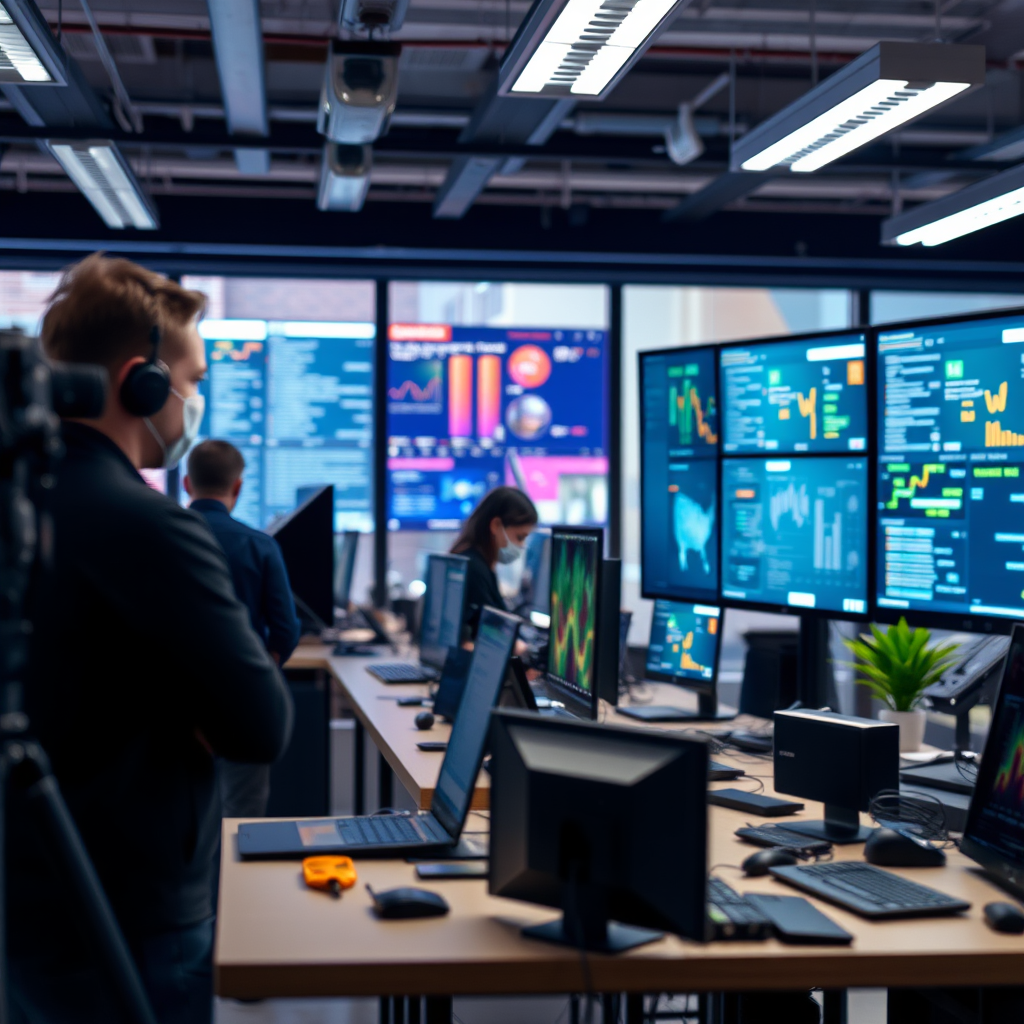
Color correction is the process of adjusting the colors in an image or video to achieve a desired aesthetic or to ensure accurate color representation. This practice is crucial in visual media, as it can make the difference between an engaging piece of content and one that feels flat or unappealing. The importance of color correction cannot be overstated; it ensures that the final product resonates with audiences, evoking the intended emotions and storytelling.
Traditionally, color correction has been performed manually by skilled professionals using software like Adobe Premiere Pro or DaVinci Resolve. Techniques such as color grading and color balancing are employed to enhance the visual narrative. However, these methods can be time-consuming, require a significant amount of expertise, and may lead to inconsistencies, especially when multiple editors are involved in a project. As a result, the need for more efficient and accurate solutions has emerged, paving the way for AI-powered color correction.
The Role of Artificial Intelligence in Color Correction
Artificial Intelligence (AI) plays a pivotal role in modern color correction by utilizing machine learning techniques to analyze and adjust images. The fundamental concept behind AI is its ability to learn from data—essentially, it “studies” a wide variety of images to understand how colors work together and how they can be adjusted to produce specific results.
Neural networks, a subset of AI, are particularly important in color correction. These networks are designed to simulate the way the human brain processes information, allowing them to recognize patterns in images. For color correction, neural networks can identify color imbalances, suggest adjustments, and apply corrections with impressive accuracy. By training on large datasets of images, these networks learn what optimal color settings look like, enabling them to make intelligent decisions when adjusting new images.
Key Technologies Behind AI Color Correction
The backbone of AI color correction lies in sophisticated algorithms, particularly deep learning and convolutional neural networks (CNNs). Deep learning refers to algorithms that attempt to model high-level abstractions in data by using multiple layers of processing. In the context of color correction, deep learning algorithms can understand complex relationships between colors and adjust them accordingly.
Convolutional Neural Networks (CNNs) are especially effective in image processing because they can automatically detect and recognize patterns, making them ideal for tasks like color adjustment. By analyzing the spatial hierarchy of images, CNNs can identify areas that require correction and apply the necessary adjustments seamlessly.
Training these AI models requires vast amounts of data. Datasets used for training can be as simple as collections of images with varied lighting and color conditions. This diversity helps the AI learn to make corrections across different scenarios, ensuring versatility in its application. Examples of datasets include ImageNet and COCO, which contain thousands of labeled images that aid in the training process.
Benefits of AI-Powered Color Correction
One of the most significant advantages of AI-powered color correction is improved efficiency and speed. Manual color correction can take hours, especially for long videos or extensive photo collections. AI systems can analyze and correct colors in a fraction of the time, allowing creators to focus on other aspects of their projects.
Additionally, AI color correction offers enhanced accuracy in achieving desired color tones. Traditional methods can fall prey to human error or subjective interpretation, leading to inconsistencies. AI, on the other hand, applies algorithms that ensure the colors are adjusted based on learned standards, creating a more uniform and polished final product. This level of precision is particularly valuable in industries like film and photography, where color fidelity is paramount.
Real-World Applications of AI Color Correction
AI color correction is being adopted across various industries, including film, photography, gaming, and even social media. In the film industry, color correction is essential for achieving a specific mood or tone in a scene. AI tools can assist colorists in quickly achieving the desired look, freeing them up to concentrate on creative storytelling.
In photography, AI-powered software can automatically correct color imbalances, making it easier for photographers to process large batches of images. For instance, Lightroom’s AI-based features can enhance photos with just a few clicks, allowing photographers to spend more time behind the lens rather than at the editing desk.
The gaming industry also benefits from AI color correction. Game developers use AI tools to ensure that the colors in their games are consistent across different platforms and devices, enhancing user experience. A notable example includes the use of AI to create realistic environments in games like “The Last of Us Part II,” where color correction plays a crucial role in immersing players in the narrative.
Future Trends in AI Color Correction
As AI technology continues to advance, we can expect significant improvements in color correction capabilities. Machine learning algorithms are becoming more sophisticated, enabling deeper insights into color theory and aesthetic preferences. Future advancements may include more intuitive interfaces, allowing users with minimal technical skills to achieve professional-quality color adjustments.
Moreover, the impact on creative industries will be profound. As AI tools become more accessible, we might see an influx of user-generated content that rivals professionally produced media. This democratization of technology could lead to a surge in creativity, as more individuals can express their artistic vision without the barrier of complex technical skills.
In addition, with the rise of virtual and augmented reality, AI color correction will be essential in ensuring immersive experiences are visually stunning. As these technologies evolve, the demand for high-quality color adjustments will only increase, further solidifying AI’s role in shaping the future of visual media.
In summary, AI-powered color correction revolutionizes how we approach color adjustments in digital media, offering unprecedented accuracy and efficiency. As this technology continues to evolve, consider exploring AI tools that can enhance your visual projects. For those interested in leveraging these advancements, start experimenting with AI-powered software available in the market today. The future of color correction is bright, and it’s all thanks to the remarkable capabilities of AI!
Frequently Asked Questions
What is AI-powered color correction and how does it work?
AI-powered color correction refers to the use of artificial intelligence algorithms to automatically adjust the colors in an image or video to achieve a more balanced and aesthetically pleasing look. This technology analyzes various elements such as lighting, contrast, and color distribution within the visual content, making adjustments that enhance the overall quality. By learning from vast datasets, AI can apply techniques like white balance correction and tonal adjustments, allowing users to achieve professional-level results with minimal manual effort.
How can AI color correction improve my photo editing workflow?
AI color correction can significantly streamline your photo editing workflow by automating the tedious aspects of color adjustment. Instead of spending hours manually tweaking colors and tones, AI tools quickly analyze and suggest optimal corrections based on the image content. This not only saves time but also enhances consistency across multiple images, making it especially valuable for professional photographers and content creators who need to maintain a cohesive look in their work.
Why should I choose AI-powered color correction over traditional methods?
Choosing AI-powered color correction over traditional methods offers several advantages, including speed, accuracy, and ease of use. While traditional methods require extensive knowledge of color theory and manual adjustments, AI systems can swiftly process images and apply corrections that are often more precise. This technology also adapts to different styles and preferences, allowing users to achieve desired results without the steep learning curve associated with manual editing techniques.
What are the best AI-powered color correction tools available today?
Some of the best AI-powered color correction tools include Adobe Lightroom, Capture One, and Skylum Luminar AI. These platforms utilize advanced AI algorithms to enhance images with features like automatic adjustments, scene recognition, and one-click presets. Each tool offers unique functionalities, so the best choice depends on your specific needs—such as workflow integration, user interface, and additional editing features you may require.
Which industries benefit the most from AI-powered color correction technology?
Several industries benefit significantly from AI-powered color correction, including photography, film production, advertising, and e-commerce. In photography, it enhances image quality with minimal manual adjustments; in film production, it ensures color consistency across scenes; in advertising, it optimizes product images for better visual appeal; and in e-commerce, it helps create accurate and eye-catching product visuals that can drive sales. By improving visual content quality, businesses in these industries can engage their audiences more effectively.
References
- Color correction
- https://www.sciencedirect.com/science/article/pii/S0031320319301131
- https://www.nature.com/articles/s41598-020-76471-3
- https://www.researchgate.net/publication/342789123_AI_in_Color_Correction_Techniques_and_Applications
- https://www.bbc.com/future/article/20210628-how-ai-is-changing-the-way-we-see-color
- https://www.theguardian.com/technology/2021/mar/15/ai-colorization-technology-creates-new-ways-to-see
- https://www.technologyreview.com/2020/01/15/844084/how-ai-is-transforming-color-correction-in-filmmaking
- https://www.wired.com/story/how-ai-is-revolutionizing-color-correction-in-filmmaking/