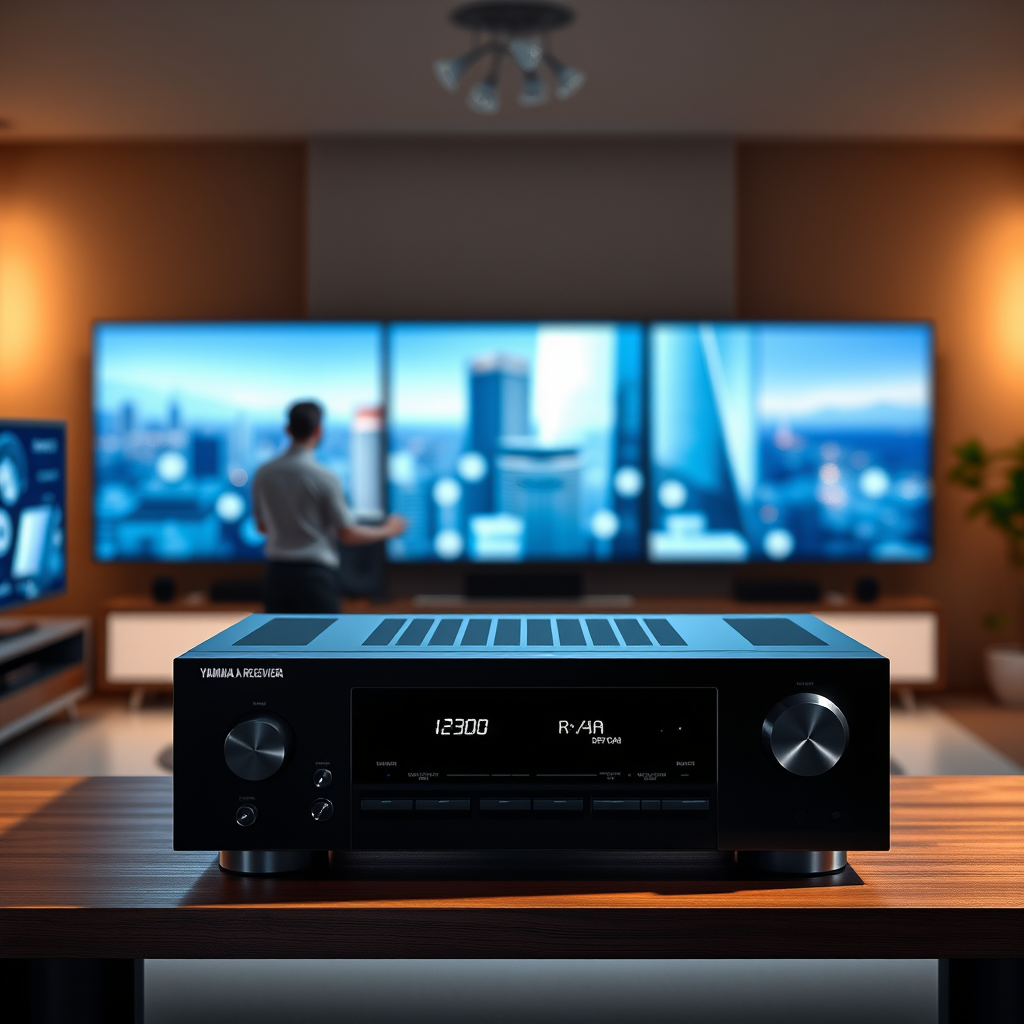

Choosing between the Yamaha RX-A6A and the Denon AVR-X4700H ultimately depends on your specific audio and video needs, but the Yamaha RX-A6A stands out with its superior sound quality and advanced features. Both models are highly regarded in the AV receiver market, offering a range of capabilities that can cater to audiophiles and casual listeners alike. In this article, we’ll delve into the comparisons between these two popular AV receivers, helping you make an informed decision based on their performance, features, and usability.
Overview of Yamaha RX-A6A

The Yamaha RX-A6A boasts a sleek, modern design that fits seamlessly into any home theater setup. Its build quality is robust, featuring a solid chassis that minimizes vibrations, which is critical for maintaining audio fidelity. The front panel is equipped with a convenient LCD display and various buttons for easy access to controls, enhancing user experience.
In terms of specifications, the RX-A6A delivers a powerful output of 140 watts per channel, which is more than adequate for driving a range of speakers in medium to large rooms. Connectivity options are extensive, including seven HDMI inputs and three outputs, all supporting the latest HDMI 2.1 standards. This means you can enjoy high resolutions up to 8K, along with features like eARC (enhanced Audio Return Channel) and ALLM (Auto Low Latency Mode) for gaming. Additionally, the receiver supports various streaming protocols, including Apple AirPlay 2, Spotify Connect, and the Yamaha MusicCast system, allowing you to stream music from a wide range of devices effortlessly.
Overview of Denon AVR-X4700H
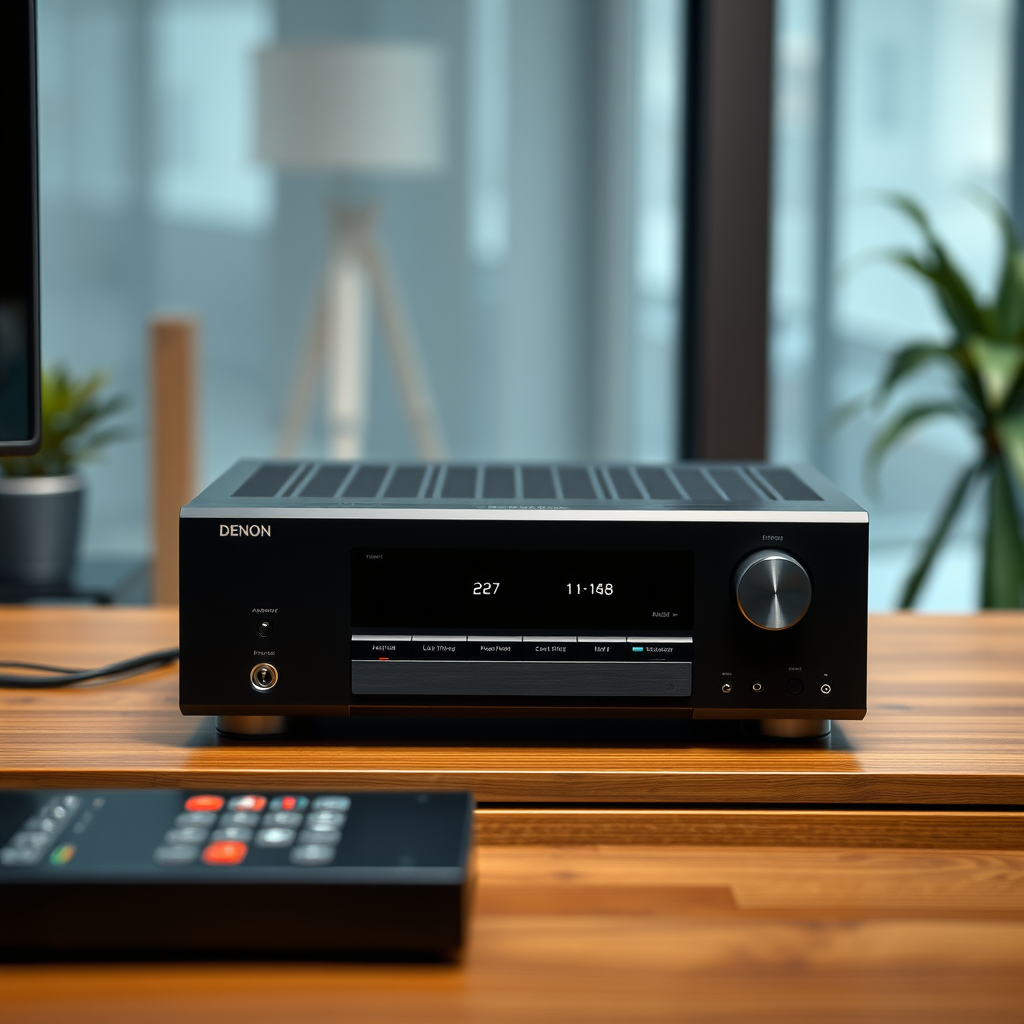
The Denon AVR-X4700H presents a more traditional look with a sleek black finish and an intuitive user interface that many users find appealing. The layout includes a large, bright display and a straightforward button configuration, which simplifies navigation through its various functions.
When it comes to specifications, the AVR-X4700H delivers 125 watts per channel and supports a similar array of connectivity options with eight HDMI inputs and three outputs. This model is also HDMI 2.1 compliant, enabling 8K video passthrough and supporting features like HDR10+, Dolby Vision, and HLG (Hybrid Log-Gamma). Notably, the AVR-X4700H incorporates the HEOS multi-room audio technology, allowing seamless streaming across multiple rooms and devices, making it a great choice for those who enjoy versatile audio setups.
Sound Quality Comparison
Sound quality is often the deciding factor when choosing an AV receiver, and here, the Yamaha RX-A6A tends to shine. It features Yamaha’s proprietary YPAO (Yamaha Parametric room Acoustic Optimizer) for room calibration, which adjusts speaker output based on your room’s acoustics. This results in clear, balanced sound quality that enhances the listening experience, whether you’re watching movies or streaming music.
On the other hand, the Denon AVR-X4700H is equipped with Audyssey MultEQ XT32, a highly regarded room calibration technology. This system also analyzes your room’s acoustics and makes adjustments to ensure optimal sound quality. While both receivers produce excellent audio, many users report that the RX-A6A offers a slightly richer sound profile, especially in the mid and high frequencies, making it particularly appealing for music lovers.
Video Performance Evaluation
Both the Yamaha RX-A6A and Denon AVR-X4700H excel in video performance, but there are subtle differences worth noting. The RX-A6A’s video processing capabilities ensure that 4K content is upscaled to nearly 8K quality, providing stunning visuals for movies and gaming. Additionally, it supports a wide range of HDR formats, including Dolby Vision and HDR10, for an enhanced viewing experience.
The Denon AVR-X4700H also supports 8K video passthrough and boasts excellent video processing capabilities. It handles various HDR formats equally well, making it suitable for high-quality home theater setups. However, some users have noted that the Yamaha’s video upscaling tends to produce slightly sharper images, making it a preferred choice for those who prioritize video quality.
Features and Usability
When it comes to features, both receivers are packed with functionality. The Yamaha RX-A6A’s MusicCast system is a standout, allowing users to connect multiple MusicCast-enabled devices throughout their home for a cohesive audio experience. The receiver is also compatible with various streaming services and voice control systems, such as Amazon Alexa, Google Assistant, and Apple Siri.
The Denon AVR-X4700H shines with its HEOS integration, allowing for easy multi-room audio solutions. Its user-friendly interface is another highlight, as it simplifies setup and control through the Denon app. Both receivers offer features like 3D audio support and compatibility with various surround sound formats, but the ease of use with the Denon may be more appealing for those who are less tech-savvy.
Price and Value Assessment
Pricing is an essential aspect when choosing an AV receiver. As of now, the Yamaha RX-A6A typically retails at a higher price point than the Denon AVR-X4700H. However, the additional cost for the Yamaha can be justified by its superior sound quality and advanced features, especially for audiophiles who prioritize audio performance.
The Denon AVR-X4700H, while more budget-friendly, does not compromise on quality or features. It provides excellent value for users looking for a well-rounded receiver that performs admirably in both audio and video without breaking the bank. Therefore, your choice may come down to whether you are willing to invest more for the Yamaha’s enhanced audio capabilities or if the value offered by the Denon better aligns with your budget.
User Feedback and Reviews
User feedback for both models highlights their strengths and weaknesses. The Yamaha RX-A6A receives praise for its exceptional sound quality, robust build, and extensive feature set. Many users appreciate the detailed audio performance, especially for music playback. However, some have noted that the setup process can be a bit complicated for beginners.
Conversely, the Denon AVR-X4700H is often praised for its user-friendly interface and ease of setup. Customers enjoy the seamless integration with streaming services and appreciate the multi-room audio capabilities that HEOS offers. On the downside, some users feel that the sound quality, while still excellent, doesn’t quite match the richness of the Yamaha.
In summary, both receivers have garnered positive reviews, with users generally aligning with their specific preferences and requirements.
The Yamaha RX-A6A is generally favored for its sound quality and feature set, while the Denon AVR-X4700H excels in user-friendliness and video performance. By considering your audio-visual preferences and how you plan to use the receiver, you can determine which model best suits your needs. Whether you’re an audiophile or a casual viewer, both the Yamaha RX-A6A and Denon AVR-X4700H offer impressive capabilities that can enhance your home entertainment experience.
Frequently Asked Questions
What are the key differences between the Yamaha RX-A6A and the Denon AVR-X4700H?
The Yamaha RX-A6A boasts a more advanced amplification system with 11 channels of amplification compared to the 9 channels of the Denon AVR-X4700H. Additionally, the RX-A6A includes Yamaha’s proprietary Surround:AI technology for enhanced audio processing, while the Denon AVR-X4700H features its Dynamic HDR and IMAX Enhanced capabilities for superior video quality. Both receivers offer support for Dolby Atmos and DTS:X, but the Yamaha often provides a more immersive sound experience due to its superior DSP technology.
Which AV receiver is better for music performance, Yamaha RX-A6A or Denon AVR-X4700H?
While both receivers deliver excellent audio quality, the Yamaha RX-A6A is often regarded as the better choice for music performance due to its high-resolution audio support and YPAO room calibration technology, which optimizes sound based on room acoustics. In contrast, the Denon AVR-X4700H excels in home theater setups but may lack the same level of detail in stereo music playback. Ultimately, if music fidelity is your priority, the Yamaha RX-A6A could be the preferred option.
How do the setup and user interface of Yamaha RX-A6A compare to Denon AVR-X4700H?
The Yamaha RX-A6A features a more intuitive user interface with a straightforward setup process, thanks in part to its graphical user interface and on-screen setup guide. In comparison, the Denon AVR-X4700H offers a slightly more complex interface, which may require a deeper dive into the manual for full utilization of its features. Both receivers have mobile app support for remote control and setup, but many users find Yamaha’s app to be more user-friendly.
Why should I consider the Yamaha RX-A6A over the Denon AVR-X4700H for gaming?
The Yamaha RX-A6A is often favored for gaming due to its low input lag and support for advanced gaming features like Variable Refresh Rate (VRR) and Auto Low Latency Mode (ALLM), making it an excellent choice for next-gen console gaming. Additionally, its enhanced audio processing capabilities provide a more immersive gaming experience with realistic soundscapes. The Denon AVR-X4700H also supports these features, but Yamaha’s implementation may yield a slight edge for gamers seeking optimal performance.
Which AV receiver offers better value for the price, Yamaha RX-A6A or Denon AVR-X4700H?
The value of each AV receiver largely depends on individual needs; however, the Denon AVR-X4700H typically offers a slightly lower price point while providing exceptional performance for home theater setups. On the other hand, the Yamaha RX-A6A, with its advanced features and superior audio processing, may justify its higher price for audiophiles and those seeking a premium experience. Ultimately, assessing your specific use case and budget will help determine which receiver offers the best value for you.
References
- https://en.wikipedia.org/wiki/Audio_video_receiver
- https://www.cnet.com/home/audio/yamaha-rx-a6a-review/
- https://www.tomsguide.com/reviews/denon-avr-x4700h
- https://www.techhive.com/article/3576825/denon-avr-x4700h-review.html
- https://www.theverge.com/2021/9/29/22695284/yamaha-rx-a6a-review-av-receiver-8k-hdmi-2-1-2021
- https://www.soundandvision.com/content/denon-avr-x4700h-av-receiver-review
- https://www.hdmi.org/manufacturer/hdmi_2_1/
- Yamaha RX-A6A review: a future-proofed AVR with sparkling sound | What Hi-Fi?
- https://www.whathifi.com/reviews/denon-avr-x4700h