

Ray-traced displays significantly enhance gaming graphics by simulating realistic lighting, shadows, and reflections, creating a more immersive experience for players. By leveraging advanced rendering techniques, these displays bring a level of realism that traditional graphics methods simply can’t match. In this article, you will learn how ray tracing works, its benefits in gaming, and the technology behind these displays, ultimately helping you understand why this innovation is a game-changer for the gaming community.
Understanding Ray Tracing
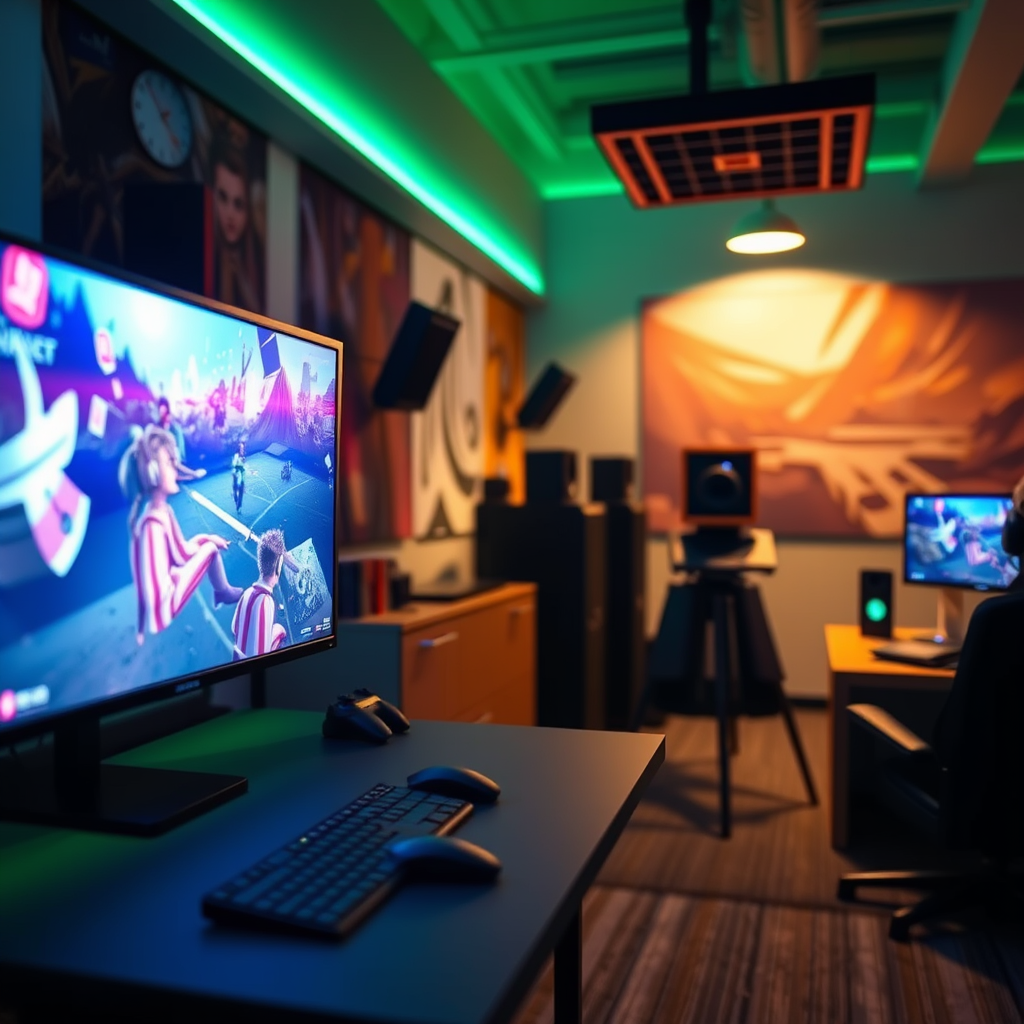
Ray tracing is a rendering technique that simulates the way light interacts with objects in a virtual environment, resulting in stunningly realistic visuals. Unlike traditional rasterization methods, which create images by projecting 3D objects onto a 2D plane, ray tracing traces the path of rays as they travel from a light source, bouncing off surfaces and interacting with materials. This process allows for complex lighting effects, such as soft shadows, reflections, and refractions, which replicate how light behaves in the real world.
Imagine walking through a beautifully rendered forest in a video game. With ray tracing, you’ll see how sunlight filters through the leaves, casting dynamic shadows that change as you move. Water surfaces reflect the environment around them, creating a lifelike experience that draws players deeper into the game world. The result is a visual fidelity that elevates gameplay, making it not just about completing objectives but also about savoring the beauty of the environment.
Key Features of Ray-Traced Displays
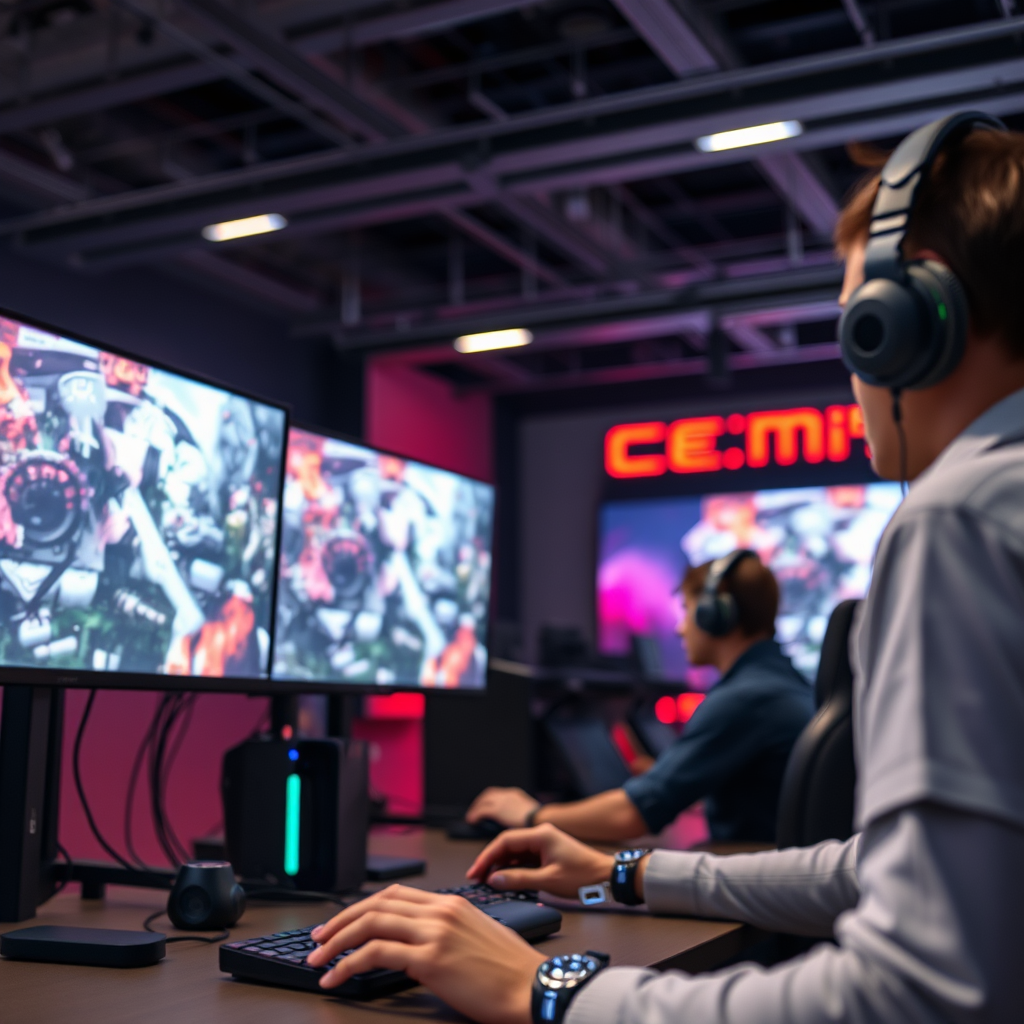
Ray-traced displays come with a range of features that set them apart from traditional displays. One of the most notable aspects is their ability to produce realistic lighting effects. This includes dynamic shadows that adjust in real-time based on the player’s movements and environmental changes. For instance, if you stand under a tree, shadows will cast realistically based on the time of day and the light source’s position.
Additionally, ray-traced displays enhance depth perception. Objects in a scene appear more three-dimensional due to accurate lighting and shadow placement. This depth is complemented by improved color accuracy, ensuring that hues are vibrant and true to life. This level of detail allows players to better appreciate the nuances in the game’s graphics, making everything from character models to landscapes look stunningly real.
Benefits of Ray Tracing in Gaming
The benefits of ray tracing extend beyond mere aesthetics; they profoundly impact gameplay and immersion. One of the most significant advantages is the creation of immersive environments that react to player actions. For example, in a racing game, the reflections on the car’s surface will change dynamically as you speed through a city, creating a heightened sense of realism that traditional graphics can’t achieve.
Moreover, ray tracing elevates the visual quality of games, making them more appealing and engaging. Players are often drawn to visually stunning games, and those that utilize ray tracing can stand out in a crowded market. Titles like “Cyberpunk 2077” and “Control” have showcased the power of ray tracing, demonstrating how it can transform the gaming experience from ordinary to extraordinary. As developers increasingly adopt this technology, gamers can expect a future filled with breathtaking visuals.
Hardware Requirements for Ray Tracing
To fully experience the benefits of ray tracing, gamers need hardware capable of handling its demanding requirements. High-performance GPUs, such as NVIDIA’s RTX series or AMD’s RDNA 2 architecture, are designed specifically for ray tracing. These GPUs include dedicated cores that accelerate the ray tracing process, allowing for real-time rendering without compromising performance.
Beyond the GPU, having sufficient RAM and processing power is crucial. A gaming rig with at least 16GB of RAM and a powerful CPU will ensure that games run smoothly, even when ray tracing is enabled. As technology continues to advance, more affordable options will likely emerge, making it easier for gamers to upgrade their systems to support ray-traced graphics.
The Future of Ray-Traced Displays
The future of ray-traced displays looks promising, with ongoing advancements in technology making this cutting-edge feature more accessible to a broader audience. As more developers embrace ray tracing, players can expect an influx of new titles that leverage this technology. The gaming industry is continually evolving, and with ray tracing becoming a standard, we can look forward to even more immersive gameplay experiences.
Furthermore, improvements in algorithms and processing power mean that future displays will likely offer even better performance and visual fidelity. As we see more affordable GPUs with ray-tracing capabilities, the barrier to entry will lower, allowing casual gamers to enjoy the benefits of ray-traced graphics.
Comparing Ray Tracing to Traditional Rendering
When comparing ray tracing to traditional rendering methods, the differences are stark. Traditional rendering often relies on baked lighting and shadows, which can appear static and less dynamic. For instance, in many older games, shadows are pre-calculated and do not change based on the player’s position or movements, leading to a less immersive experience.
In contrast, ray tracing allows for real-time adjustments in lighting and shadowing, creating a more responsive and engaging environment. This means that as you move through a game world, the lighting will change based on your actions, making the experience feel more alive. The potential for realism is immense, and many gamers find that the investment in ray tracing technology is well worth the resulting immersion and visual quality.
Summarizing the advantages of ray tracing, it is clear that this technology transforms gaming graphics into stunning visual narratives. For gamers looking to upgrade their experience, investing in a ray-traced display could be the next step. Explore the latest gaming titles that support this technology and see the difference for yourself. Whether you’re a casual gamer or a hardcore enthusiast, ray tracing is set to redefine how we experience games, making every moment feel more authentic and engaging.
Frequently Asked Questions
What is a ray-traced display and how does it work in gaming graphics?
A ray-traced display is a technology that simulates real-world lighting by tracing the path of rays of light as they interact with virtual objects in a game environment. Unlike traditional rasterization techniques that approximate light effects, ray tracing calculates reflections, shadows, and refractions in real-time, resulting in more realistic visuals. This technology enhances gaming graphics by providing intricate details such as accurate reflections in water and lifelike shadows, significantly improving the overall immersive experience.
How does ray tracing improve the visual quality of video games?
Ray tracing enhances the visual quality of video games by creating more lifelike lighting and shadow effects, which are crucial for realism. It allows for dynamic lighting changes that respond to player actions and environmental shifts, making scenes feel more authentic. The result is a richer visual experience where players can enjoy vibrant colors, nuanced shadows, and detailed textures that elevate the overall gameplay and storytelling.
Why should gamers consider a ray-traced display for their gaming setup?
Gamers should consider a ray-traced display because it offers a significant leap in graphical fidelity, which can enhance the enjoyment of games, especially those designed with advanced graphics in mind. The realistic lighting and shading effects provided by ray tracing can make gameplay more engaging and visually appealing, leading to a more immersive experience. Furthermore, as more games adopt this technology, having a ray-traced display ensures that gamers are ready to experience the latest titles as they were intended.
Which gaming consoles and graphics cards support ray tracing?
As of October 2023, several gaming consoles and graphics cards support ray tracing, including the PlayStation 5, Xbox Series X, and high-end GPUs from NVIDIA (RTX 20 series and later) and AMD (RX 6000 series and later). These devices utilize dedicated hardware to handle the computational demands of ray tracing, allowing for smoother performance and higher frame rates in compatible games. When choosing a gaming setup, it’s important to ensure that your console or graphics card supports this technology for the best experience.
What are the best games to experience ray tracing effects?
Some of the best games to experience ray tracing effects include “Cyberpunk 2077,” “Control,” “Minecraft (with ray tracing),” and “Battlefield V.” These titles are specifically designed to take advantage of ray tracing technology, showcasing stunning lighting, realistic reflections, and dynamic shadows that truly elevate the gaming experience. Gamers interested in ray tracing should look for titles that explicitly mention support for this feature to fully appreciate the advancements in graphics quality.
References
- Ray tracing
- https://www.nvidia.com/en-us/geforce/technologies/ray-tracing/
- https://www.ign.com/articles/ray-tracing-what-is-it
- https://www.technologyreview.com/2020/09/17/1008037/ray-tracing-graphics-gaming-nvidia-ps5-xbox-series-x/
- https://www.sciencedirect.com/science/article/pii/S1877050921000789
- GDC Vault – AI Summit: Meta-Character-Spatial AI Dynamic Cooperative Model in Digital Game AI
- What is ray tracing, and how does it differ from game to game? | PC Gamer