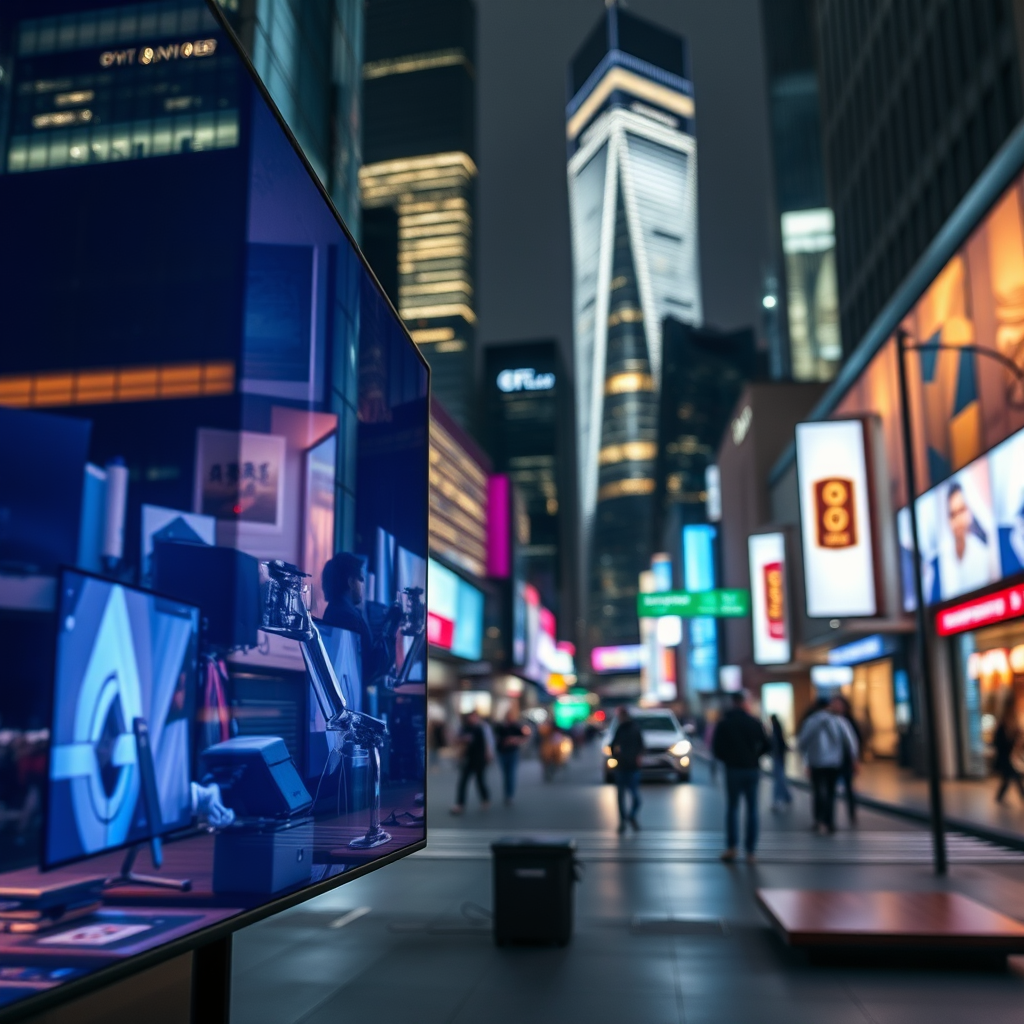

The integration of IoT screens into smart cities is revolutionizing urban living by providing real-time data, enhancing communication, and improving public services. These innovative screens serve as vital tools for informing residents, managing traffic, and promoting sustainability, ultimately creating a more connected and efficient urban environment. In this article, we will explore the various applications and benefits of IoT screens in modern urban settings, illustrating how they are making city life more convenient, safe, and enjoyable.
Enhancing Public Information Access
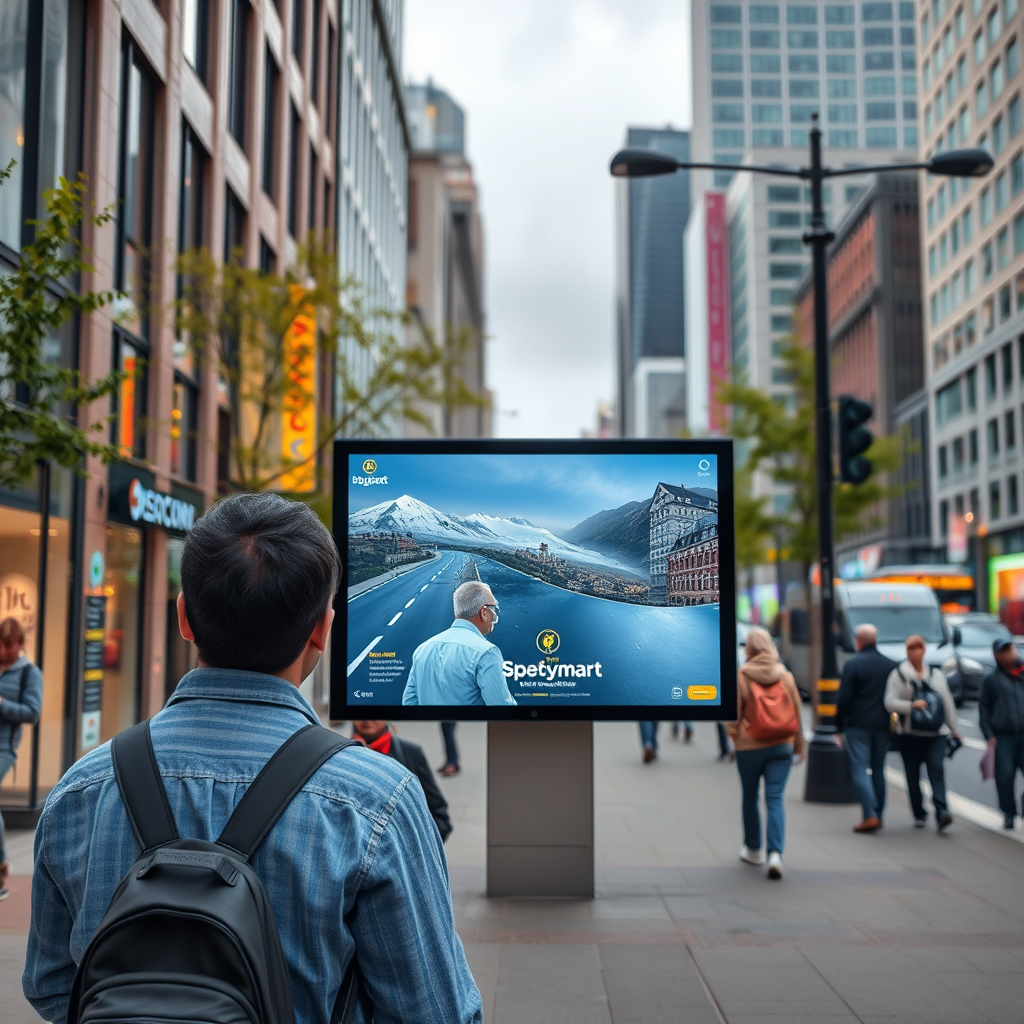
One of the most significant advantages of IoT screens is their ability to enhance public information access. Imagine walking to your local bus stop and seeing a large, bright screen providing real-time updates on public transport schedules and routes. This is not just a futuristic dream; it’s a reality in many smart cities today. These screens display live information about arrival times, delays, and alternate routes, helping commuters plan their journeys more efficiently.
Moreover, IoT screens are pivotal during emergencies. They can instantly relay critical alerts about severe weather, road closures, or public safety threats. For example, during a natural disaster, these screens can inform residents about evacuation routes and shelter locations. This real-time dissemination of crucial information helps keep citizens informed and safe, ensuring that they can respond quickly to changing situations.
Improving Traffic Management

Traffic congestion is a major challenge faced by urban areas worldwide. IoT screens play a crucial role in improving traffic management by monitoring real-time traffic conditions. Smart screens can analyze data from various sources, such as traffic cameras and sensors embedded in the road, to provide timely updates about congestion and accidents. This information helps drivers make informed decisions about their routes, reducing overall traffic and improving travel times.
Additionally, IoT screens can communicate directly with vehicles equipped with smart technologies. By sending information about optimal routing options or alerts about nearby hazards, these screens help drivers navigate more effectively. For example, if a major intersection is congested, the screen can suggest alternate routes to alleviate traffic flow. This interconnectedness between screens and vehicles contributes to a smoother driving experience and helps reduce the carbon footprint of urban transportation.
Facilitating Smart Parking Solutions
Finding parking in busy urban areas can be a frustrating experience for many drivers. Thankfully, IoT screens are coming to the rescue with smart parking solutions. These screens can guide drivers to available parking spaces in real-time, significantly reducing the time spent searching for a spot. Imagine a driver approaching a parking facility and seeing a screen that displays how many spaces are available and even directs them to the nearest open spot. This functionality not only makes parking more efficient but also reduces traffic congestion caused by cars circling the block.
Furthermore, IoT screens can display real-time pricing information, allowing drivers to make informed decisions about where to park. For instance, some facilities may offer lower rates for off-peak hours, which can encourage drivers to adjust their schedules and help balance demand throughout the day. By integrating pricing and availability data, cities can optimize their parking resources and enhance the overall urban experience.
Promoting Community Engagement
IoT screens aren’t just about information dissemination; they also promote community engagement. Interactive screens located in public spaces allow citizens to participate in local surveys, provide feedback on city services, or learn about upcoming events. For instance, a screen in a community park might display a poll asking residents what new features they would like to see in the park, fostering a sense of involvement and connection among residents.
Additionally, these screens can serve as bulletin boards for community announcements, promoting local events such as farmers’ markets, concerts, and festivals. By displaying information about what’s happening in the neighborhood, IoT screens help build a sense of community and encourage residents to engage with one another. This sense of connection can lead to stronger, more vibrant communities.
Supporting Environmental Sustainability
As cities grapple with the challenges of climate change and urbanization, IoT screens can play an essential role in promoting environmental sustainability. These screens can track air quality in real-time, displaying data that raises public awareness about pollution levels and encourages eco-friendly practices. For example, cities can use screens to inform residents when air quality reaches unhealthy levels and advise them to limit outdoor activities.
Moreover, IoT screens can display energy consumption information for public buildings, prompting citizens to be more mindful of their energy use. By showcasing real-time energy data, cities can encourage conservation efforts and promote initiatives like solar energy adoption or energy-efficient appliances. This heightened awareness can lead to a collective effort towards sustainability and a healthier urban environment.
Enhancing Safety and Security
Safety and security are paramount in urban living, and IoT screens are enhancing these aspects significantly. In emergency situations, screens can display surveillance feeds or alert authorities, ensuring a rapid response to incidents. For instance, if a crime is reported in a specific area, nearby screens can provide real-time updates to residents and alert law enforcement to potential threats.
Additionally, IoT screens can provide valuable information on crime statistics, helping residents stay informed about safety trends in their neighborhoods. By displaying data on recent incidents, cities can empower citizens to take precautionary measures and foster a greater sense of security within the community. This transparency builds trust between residents and local authorities, enhancing overall safety.
Future Trends in IoT Screen Technology
The future of IoT screen technology in smart cities looks promising, with emerging technologies such as artificial intelligence (AI) and machine learning set to enhance screen functionalities. These advancements will enable screens to provide even more personalized and relevant information to users. For example, AI could analyze individual preferences and suggest nearby attractions, events, or services, creating a tailored urban experience.
Moreover, increased integration with other smart city components will lead to more cohesive urban management. As cities adopt more interconnected systems, IoT screens will play a pivotal role in coordinating various services, from public transport to waste management. This holistic approach will create more efficient and responsive urban environments, ultimately improving the quality of life for residents.
The implementation of IoT screens in smart cities is reshaping how urban spaces function and how residents interact with their environment. With their ability to provide timely information, improve services, and foster community engagement, these screens are becoming indispensable tools in modern cities. As technology continues to evolve, the potential for IoT screens to further enhance urban living is boundless. To stay informed about the latest developments in smart city technologies, consider subscribing to our newsletter or following our blog for updates and insights.
Frequently Asked Questions
What are IoT screens and how are they used in smart cities?
IoT screens, or Internet of Things screens, are digital displays that connect to the internet and can communicate with other devices and systems. In smart cities, these screens are utilized for various purposes, such as displaying real-time traffic information, public transport schedules, environmental data, and emergency alerts. By integrating these screens with IoT technology, cities can provide citizens with timely information, enhance public safety, and improve overall urban management.
How do IoT screens enhance public transportation in smart cities?
IoT screens significantly enhance public transportation by providing real-time updates on bus and train schedules, delays, and crowding conditions. These screens are often located at bus stops and train stations, allowing commuters to plan their journeys more efficiently. Additionally, by displaying information about nearby services and attractions, IoT screens can also encourage the use of public transport, ultimately reducing traffic congestion and improving air quality in urban areas.
Why are IoT screens important for urban sustainability initiatives?
IoT screens play a crucial role in urban sustainability initiatives by promoting awareness and engagement in environmental efforts. For instance, these screens can showcase real-time data on air quality, energy consumption, and waste management practices. By informing citizens about their environmental impact and providing tips for reducing carbon footprints, IoT screens foster a culture of sustainability, encouraging community participation in green initiatives and making smart cities more eco-friendly.
Which types of data can IoT screens display to improve city management?
IoT screens can display a variety of data types to improve city management, including traffic flow statistics, weather conditions, public health alerts, and community event information. By aggregating data from various IoT sensors and systems, these screens provide a comprehensive view of urban dynamics, enabling city officials to make informed decisions. This data-driven approach helps optimize resource allocation, enhance public services, and foster an informed citizenry.
What are the best practices for implementing IoT screens in smart cities?
The best practices for implementing IoT screens in smart cities include ensuring user-friendly interfaces, integrating real-time data from multiple sources, and maintaining robust cybersecurity measures. Additionally, cities should consider strategic screen placement in high-traffic areas to maximize visibility and accessibility. Regularly updating content and engaging with the community for feedback can also enhance the effectiveness of IoT screens, ensuring they meet the evolving needs of urban residents.
References
- Internet of things
- https://www.nist.gov/publications/internet-things-iot-smart-cities
- https://www.sciencedirect.com/science/article/pii/S0360835219303402
- https://www.smartcities.gov/
- https://www.bbc.com/news/technology-53788751
- https://www.ncbi.nlm.nih.gov/pmc/articles/PMC7467192/
- https://www.itu.int/en/ITU-T/focusgroups/iot/Pages/default.aspx