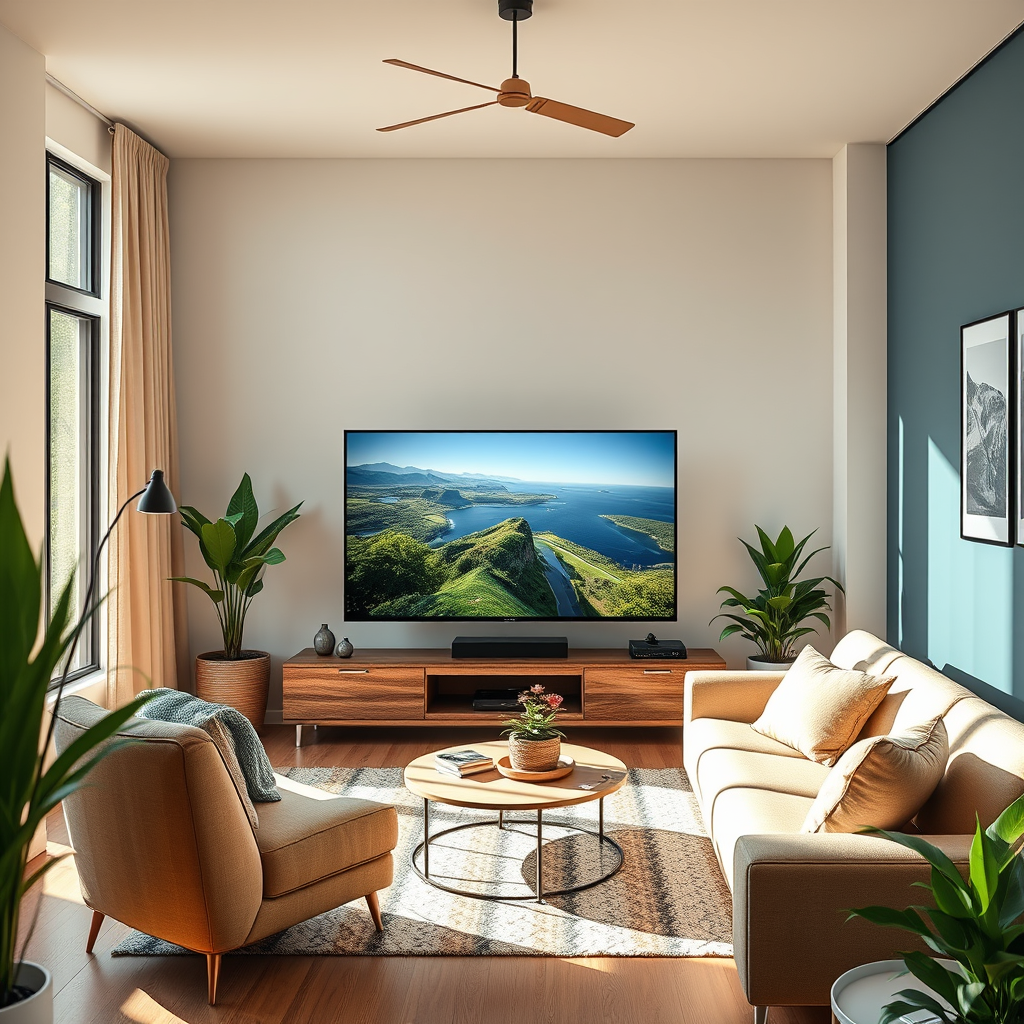

Smart home display integration is poised for a significant transformation, enhancing how we interact with our living spaces. The evolution of these devices will focus on creating seamless interactions, harnessing advanced AI capabilities, and improving compatibility across various systems. As we delve into the key trends shaping this future, you’ll discover what to expect in the coming years to make your home smarter and more efficient.
The Rise of Voice-Controlled Displays
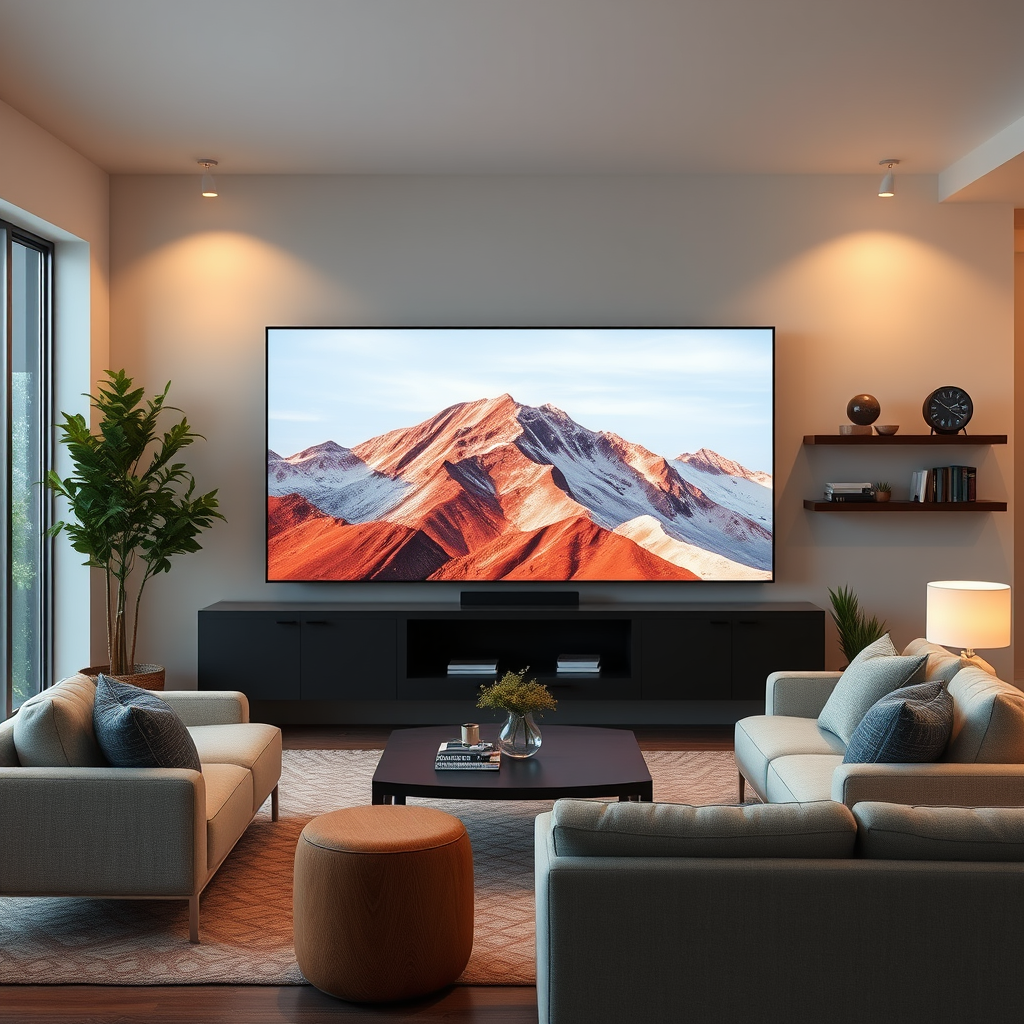
One of the most exciting developments in smart home technology is the increasing adoption of voice-controlled displays. These devices, powered by sophisticated voice assistants like Amazon’s Alexa, Google Assistant, and Apple’s Siri, are streamlining interactions within our homes. Imagine walking into your living room and simply saying, “Good morning,” to have your smart display turn on the lights, adjust the thermostat, and play your favorite morning playlist—all without lifting a finger.
As voice recognition technology continues to advance, we can expect even greater accessibility and accuracy. For instance, next-gen displays will be able to recognize different voices and understand context better, allowing for personalized responses. This means that whether you’re a parent, a child, or a guest, the smart display can tailor its responses and functionalities, making it a truly interactive hub for the entire household.
Enhanced AI and Machine Learning Features
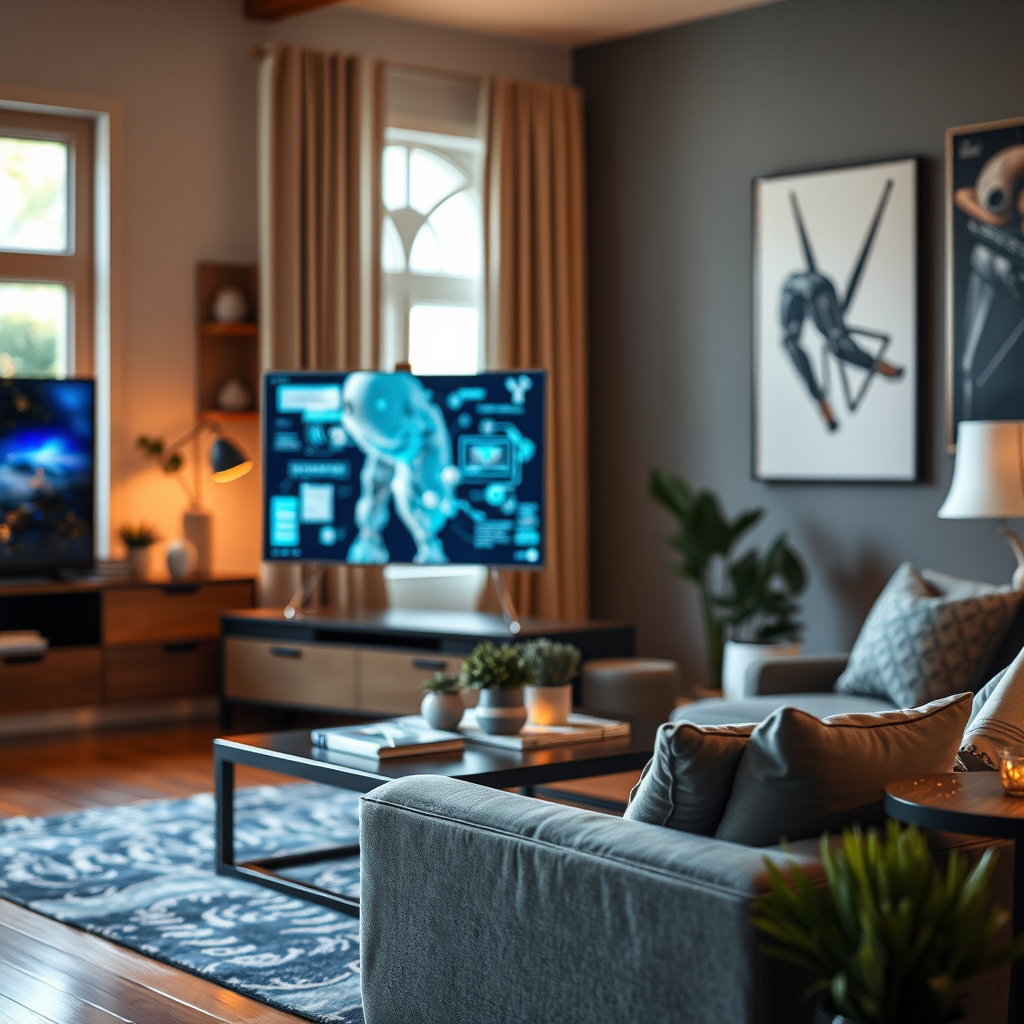
Artificial intelligence (AI) and machine learning are set to revolutionize user experiences within smart home displays. By analyzing user habits and preferences, these technologies will allow devices to learn and adapt over time. For example, your smart display might notice that you often watch cooking shows in the evening and start suggesting new recipes or even offering to set timers for you as you cook.
Moreover, machine learning will enable smarter automation and predictive functionalities. Imagine your smart display anticipating your needs based on your routines. If you usually wake up at 7 a.m. and enjoy a cup of coffee while reading the news, your display could automatically prepare a morning briefing for you, complete with weather updates and reminders for the day. This level of personalization will enhance convenience and efficiency in our daily lives.
Interoperability Between Devices
As the landscape of smart home technology grows, the need for interoperability between devices becomes more crucial. Currently, many smart devices operate on different protocols, leading to a fragmented experience. However, efforts are underway to standardize these protocols, paving the way for better compatibility.
The future holds promise for cross-platform integration, where devices from different manufacturers can work together seamlessly. For instance, your smart thermostat, lighting system, and security cameras could communicate with each other, creating a cohesive smart home ecosystem. This will not only simplify control but also enhance automation, allowing your home to react intelligently to your presence and preferences.
Security and Privacy Considerations
As integration expands, so do concerns regarding user data protection. With smart displays capable of collecting personal data to tailor experiences, ensuring security and privacy will be paramount. Users need to trust that their information is safe and not misused.
Innovations in encryption and secure access methods will play a vital role in building this trust. For example, biometric authentication—using fingerprints or facial recognition—could provide an extra layer of security for accessing sensitive information or settings. Companies will need to prioritize transparency in their privacy policies and give users control over their data to foster confidence in smart home technologies.
The Role of Augmented Reality (AR)
Augmented reality (AR) is an emerging technology that will further enhance interactions with smart home devices. Imagine being able to visualize how a new piece of furniture will look in your living room through your smart display, before making a purchase. AR can provide immersive experiences that improve functionality and ease of use.
For instance, using AR, users could receive visual overlays on their displays that guide them on how to set up devices, troubleshoot issues, or even follow cooking instructions step-by-step. This interactive approach can make technology more approachable, especially for those who may not be as tech-savvy, ensuring that everyone can benefit from smart home integration.
Sustainability and Energy Efficiency
As we become more environmentally conscious, the role of smart displays in promoting sustainability and energy efficiency is gaining importance. These devices can help monitor and manage energy consumption in real-time, providing users with insights into their habits and suggesting ways to reduce waste.
Integration with renewable energy sources, such as solar panels, will also pave the way for a greener lifestyle. Imagine your smart display analyzing your energy usage and advising you on the best times to use appliances or charging electric vehicles when solar energy is abundant. This capability not only supports individual sustainability but contributes to a broader societal shift towards eco-friendly living.
Market Trends and Predictions
The smart home market is experiencing significant growth, with increased investments expected in the coming years. As more companies recognize the potential of smart home technologies, innovations will continue to flourish. From enhanced functionalities to improved user experiences, the demand for smart home displays is anticipated to rise as consumers seek more connected solutions.
Consumer awareness plays a vital role in this trend. As more people learn about the benefits of smart home integration—like convenience, energy savings, and enhanced security—they’re more likely to invest in these technologies. Expect to see innovations tailored to specific user needs, including customizable interfaces and specialized features for various lifestyles.
As we look to the future, the integration of smart home displays will become increasingly advanced, making our lives more convenient and connected. Keeping an eye on these trends will help you stay ahead in optimizing your smart home experience. Embrace the changes, explore the possibilities, and consider how you can enhance your own setup today!
Frequently Asked Questions
What are the key benefits of integrating smart home displays into my home automation system?
Integrating smart home displays into your home automation system offers numerous benefits, including centralized control of your smart devices, enhanced user interaction through voice commands, and visual feedback on system status. These displays also provide access to rich features like video calls, tutorials, and personalized notifications, making daily tasks easier and more efficient.
How can I choose the best smart home display for my needs?
When selecting the best smart home display, consider factors such as screen size, compatibility with existing smart devices, and user interface intuitiveness. Evaluate additional features like camera quality for video calls, sound quality for media playback, and the ecosystem of apps available. Reading user reviews and comparing brands like Amazon Echo Show, Google Nest Hub, and Facebook Portal can also help inform your decision.
Why is voice control important in smart home display integration?
Voice control is crucial in smart home display integration because it allows users to operate devices hands-free, enhancing convenience and accessibility. This feature is particularly beneficial for busy households or individuals with mobility challenges, enabling them to control lighting, security, and entertainment systems effortlessly. Additionally, voice control helps streamline interactions, making your smart home experience more intuitive and user-friendly.
Which smart home devices are most compatible with smart home displays?
Smart home displays are typically compatible with a wide range of devices, including smart thermostats (like Nest), smart lights (such as Philips Hue), smart locks (like August), and security cameras (such as Ring). The compatibility depends on the display’s ecosystem; for instance, Amazon Echo Show works well with Alexa-enabled devices, while Google Nest Hub integrates seamlessly with Google Home devices. Ensuring compatibility will enhance your overall smart home experience.
What is the future of smart home display technology and integration?
The future of smart home display technology is poised for significant advancements, focusing on improved AI capabilities, enhanced security features, and seamless integration with augmented reality (AR). We can expect displays to become more interactive, offering personalized experiences based on user behavior and preferences. Furthermore, as smart home ecosystems evolve, smart displays will likely become central hubs for managing home automation, making them indispensable to modern living.
References
- Home automation
- https://www.sciencedirect.com/science/article/pii/S235197891730224X
- https://www.nytimes.com/2021/01/06/technology/smart-home-devices.html
- https://www.bbc.com/future/article/20220214-the-smart-home-of-the-future
- https://www.reuters.com/technology/future-smart-home-2021-12-01/
- https://www.nist.gov/news-events/news/2020/12/nist-releases-smart-home-standards-guide
- https://www.forbes.com/sites/bernardmarr/2022/01/31/the-future-of-smart-home-technology-2022-and-beyond/
- https://www.itu.int/en/ITU-T/focusgroups/IoT/Documents/fg-iot-2016-2017-03-04-04-04-00-00-00-00-00-00-00-00-00-00-00-00-00-00-00-00.pdf