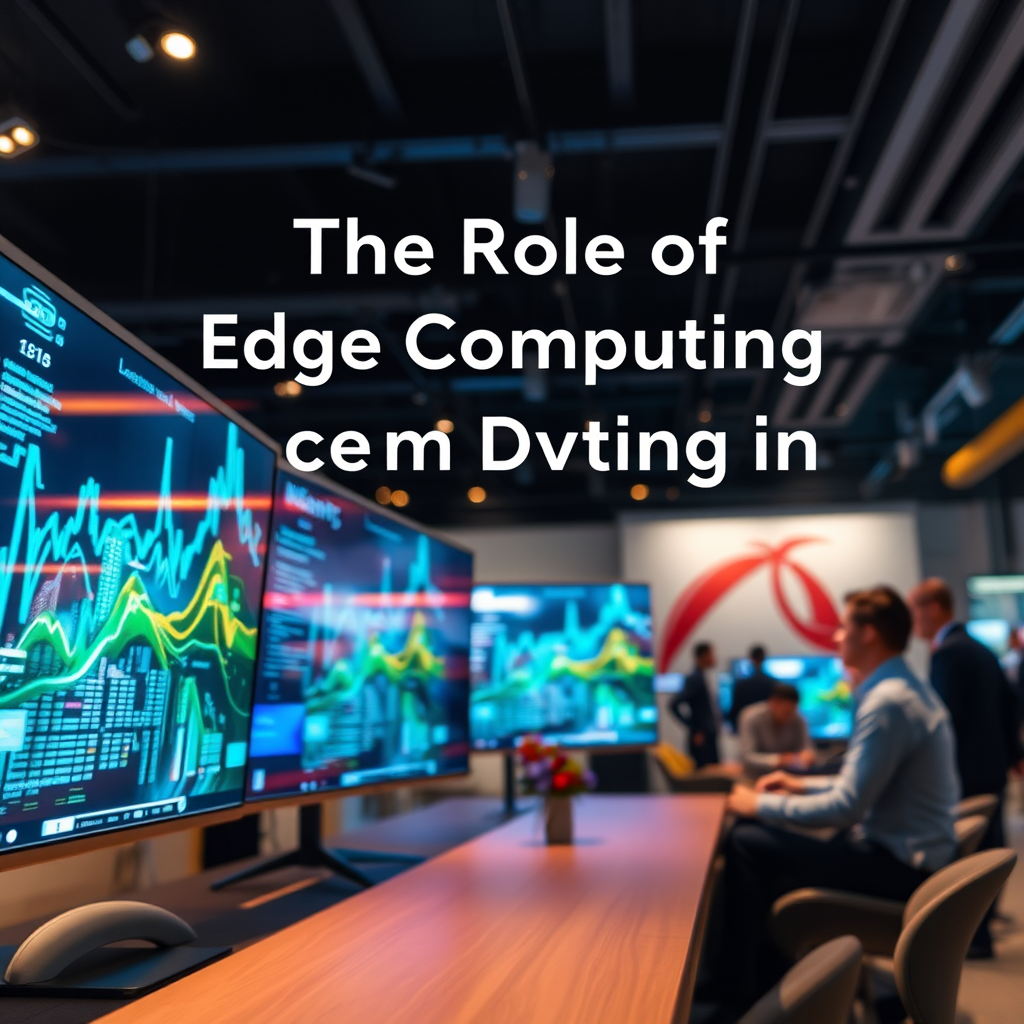

Edge computing significantly enhances the functionality of smart displays by processing data closer to the source, leading to faster response times and reduced latency. This technology empowers smart displays to deliver real-time information and interact seamlessly with users, transforming how we experience digital content. In this article, we will explore how edge computing impacts smart displays, their advantages, applications, and future trends.
Understanding Edge Computing

Edge computing refers to a decentralized computing paradigm that brings computation and data storage closer to the location where it is needed. By processing data at or near the source—rather than relying solely on a distant cloud server—edge computing reduces the distance data must travel, which can lead to quicker analysis and response. This approach is particularly beneficial for devices that require immediate action, such as smart displays.
In contrast to traditional cloud computing, which processes data in centralized data centers, edge computing operates on the principle of proximity. Cloud computing leverages vast resources to handle large data sets and complex computations, but it can introduce latency that affects performance. Edge computing, on the other hand, allows for localized processing, which is crucial for applications requiring real-time feedback, such as those found in smart displays.
Advantages of Edge Computing for Smart Displays

One of the most significant advantages of edge computing for smart displays is the reduction of latency. When data is processed closer to the source, the time it takes to transmit information and produce a response decreases dramatically. This is particularly important in scenarios like video conferencing or interactive presentations, where every millisecond counts in maintaining a smooth user experience.
Additionally, edge computing improves bandwidth efficiency by minimizing the amount of data that must be sent to and from the cloud. For example, smart displays used in retail environments can analyze customer behavior and preferences on-site, processing information locally rather than sending it to a centralized server. This not only conserves bandwidth but also allows for more efficient use of network resources.
Applications of Smart Displays Powered by Edge Computing
Smart displays integrated with edge computing technology are making waves across various sectors, particularly within smart home environments and retail spaces. In smart homes, these displays serve as central hubs for controlling Internet of Things (IoT) devices. Imagine a kitchen display that not only shows recipes but also interacts with your smart appliances, adjusting oven settings based on real-time feedback from sensors. The edge computing capabilities allow for quick adjustments without needing to connect to a distant server, enhancing the overall user experience.
In the retail sector, smart displays powered by edge computing can deliver personalized customer experiences. For instance, a digital signage display in a clothing store can analyze customer foot traffic and demographics in real-time. Based on this data, the display can tailor advertisements and promotions to suit the preferences of the shoppers currently in the store. This level of personalization not only improves customer engagement but also boosts sales, making it a win-win for retailers.
Security Benefits of Edge Computing in Smart Displays
Another crucial aspect of edge computing is its contribution to enhanced security for smart displays. By processing data locally, sensitive information is less likely to be transmitted over the internet, significantly reducing the risk of data breaches. For example, in a corporate setting, smart displays displaying confidential information about clients or internal projects can leverage edge computing to minimize exposure to potential cyber threats.
Moreover, localized processing means that even if a smart display is compromised, the data that it handles remains isolated. This architecture enhances data privacy, as sensitive information does not need to be stored in the cloud, where it is more susceptible to attacks. By utilizing edge computing, organizations can ensure that their smart displays operate securely without sacrificing functionality.
Future Trends in Edge Computing and Smart Displays
Looking ahead, the future of smart displays powered by edge computing is ripe with possibilities. As technology continues to advance, we can expect significant improvements in smart display capabilities, particularly with the integration of artificial intelligence (AI) and machine learning. These technologies can leverage edge computing to improve the accuracy and responsiveness of smart displays.
For instance, future smart displays may use AI algorithms to analyze user behavior in real-time, allowing them to adapt content and features dynamically. Imagine a smart display that learns your preferences over time, adjusting the information it presents based on your habits and interactions. This level of personalization will enhance user engagement and satisfaction, making smart displays even more integral to our daily lives.
Furthermore, as edge computing technology matures, we may see an increase in the interoperability of smart displays with other devices. This could lead to a more cohesive smart ecosystem, where displays seamlessly communicate with various IoT devices, improving automation and user experience across the board.
Challenges Facing Edge Computing in Smart Displays
While the advantages of edge computing for smart displays are clear, several challenges must be addressed to fully realize its potential. One significant hurdle is the technical limitations related to hardware and software integration. Many existing smart displays may not be equipped with the necessary processing power or capabilities to leverage edge computing efficiently. Upgrading these devices can be costly and complex, particularly for businesses with a large number of displays.
Managing the complexity of distributed systems is another challenge. As more devices become connected and data is processed at the edge, ensuring consistent performance, security, and reliability can become increasingly difficult. Organizations must invest in robust infrastructure and ongoing maintenance to manage these distributed systems effectively.
The integration of edge computing into smart displays not only enhances their performance but also opens up new possibilities for interactivity and user engagement. As technology continues to evolve, staying informed about these advancements is crucial for leveraging their full potential. Embrace the future of smart displays powered by edge computing and consider how it can benefit your personal or business applications.
Frequently Asked Questions
What is edge computing and how does it relate to smart displays?
Edge computing refers to the processing of data near the source of data generation rather than relying on a centralized cloud system. In the context of smart displays, edge computing enables faster response times, reduced latency, and improved performance by processing data locally on the device or nearby servers. This is crucial for real-time applications, such as video conferencing or interactive displays, where immediate feedback is essential for a seamless user experience.
How does edge computing enhance the functionality of smart displays?
Edge computing enhances smart displays by enabling them to process data locally, which minimizes delays and optimizes bandwidth usage. This allows smart displays to execute complex tasks like facial recognition, voice commands, and personalized content delivery without relying heavily on cloud servers. As a result, users can enjoy more responsive interactions and a more personalized experience, making smart displays more effective for tasks such as presentations or digital signage.
Why is edge computing important for the security of smart displays?
Edge computing is vital for the security of smart displays as it reduces the amount of sensitive data transmitted to the cloud, thereby minimizing potential vulnerabilities. By processing data locally, smart displays can implement real-time security measures, such as encryption and access controls, which protect user information from unauthorized access. Additionally, edge computing can help mitigate risks associated with cloud service outages or breaches, ensuring that smart displays remain functional and secure.
What are the best use cases for smart displays leveraging edge computing?
The best use cases for smart displays utilizing edge computing include interactive kiosks in retail environments, digital signage in transportation hubs, and smart home displays that control IoT devices. These applications benefit from the low latency and high processing capabilities of edge computing, enabling features like real-time updates, targeted advertising, and efficient device management. This makes smart displays not only more functional but also enhances user engagement and experience.
Which industries can benefit the most from edge computing in smart displays?
Various industries can significantly benefit from the integration of edge computing in smart displays, particularly retail, healthcare, education, and entertainment. In retail, smart displays can offer personalized promotions based on customer behavior, while in healthcare, they can facilitate remote patient monitoring with real-time data display. Education can leverage smart displays for interactive learning experiences, and the entertainment industry can enhance user engagement through dynamic content delivery, all powered by edge computing technology.
References
- Edge computing
- Topics | IBM
- https://www.ncbi.nlm.nih.gov/pmc/articles/PMC7821620/
- https://www.sciencedirect.com/science/article/pii/S0360835219303226
- https://www.gartner.com/en/information-technology/insights/edge-computing
- https://www.cio.com/article/3271858/what-is-edge-computing.html
- https://www.forbes.com/sites/bernardmarr/2021/01/11/the-ultimate-guide-to-edge-computing/?sh=1a1b5d7e7b26
- https://www.nist.gov/publications/edge-computing-and-its-role-5g-and-iot
- https://www.techrepublic.com/article/what-is-edge-computing-and-why-does-it-matter/