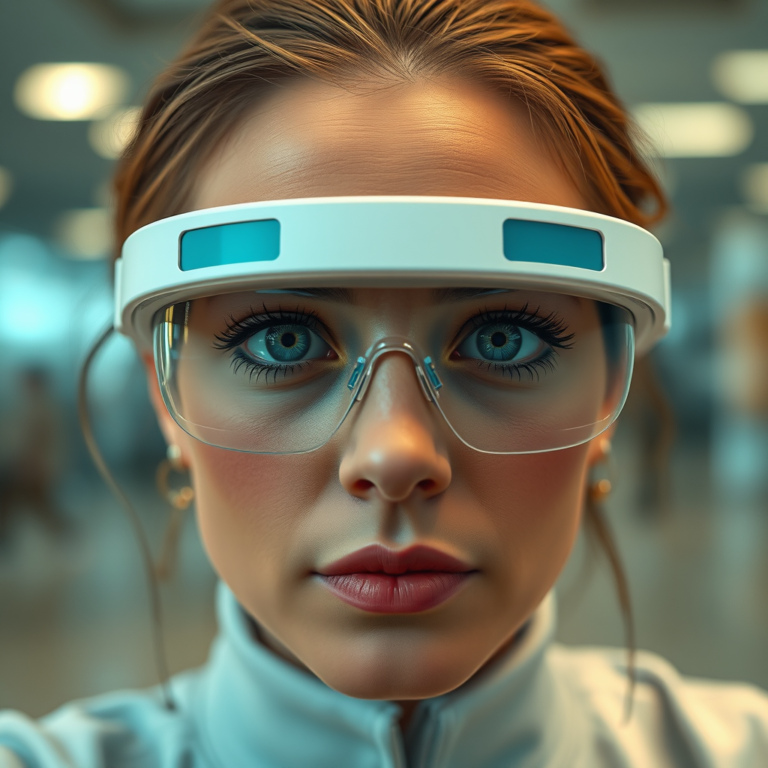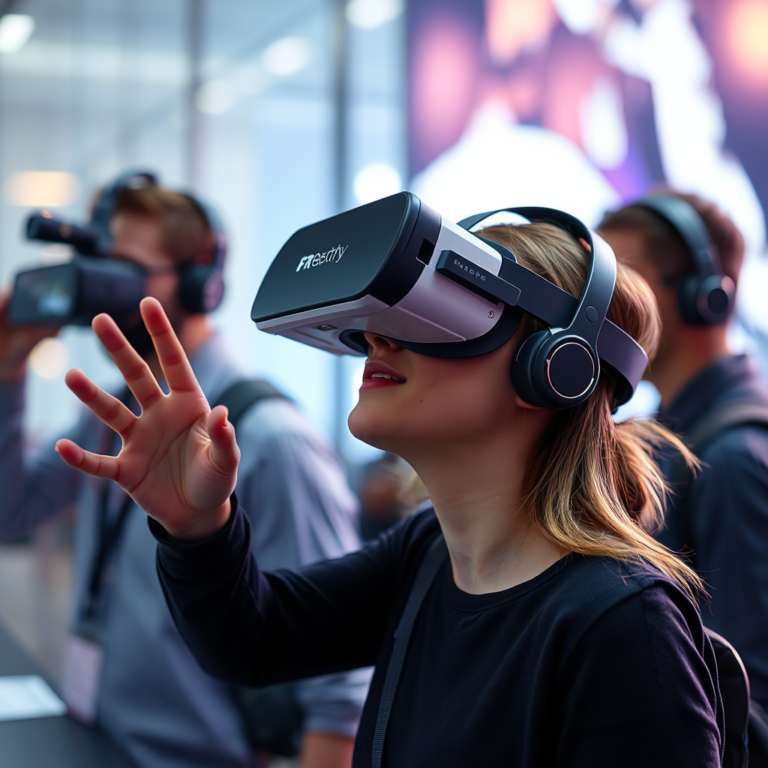

Holographic video calls will revolutionize communication by offering a more immersive and interactive experience than traditional video calls. This innovative technology allows users to engage in face-to-face conversations with life-sized, 3D holograms, bridging the gap between physical and virtual interaction. Imagine chatting with a friend or colleague who appears right in front of you, rather than just on a screen; this is the future that holographic technology promises. In this article, we will explore how holographic video calls can enhance personal and professional communication, their potential applications, and the challenges that lie ahead.
The Technology Behind Holographic Video Calls

To truly appreciate the potential of holographic video calls, it’s essential to understand the technology that makes them possible. Holography captures 3D images through a process that records light patterns and reconstructs them to create a three-dimensional view. This is achieved using lasers, cameras, and specialized algorithms that can reconstruct the light waves reflected from an object, allowing viewers to see depth and perspective as if the object were right in front of them.
For holographic calls, a combination of advanced hardware and software is necessary. On the hardware side, devices like holographic displays, which can project 3D images into space, are essential. These displays work in tandem with cameras that capture the user’s likeness in real time, ensuring that the hologram is life-like and responsive. On the software side, sophisticated coding is required to process the images and manage the data transmission during calls. With ongoing advancements in computing power and connectivity (think 5G and beyond), the prospect of high-quality holographic communication is becoming increasingly feasible.
Enhancing Personal Communication

One of the most exciting applications of holographic video calls lies in enhancing personal communication. Traditional video calls can often feel flat and disconnected, lacking the emotional depth of in-person interactions. Holographic calls, however, can create a more profound emotional connection by allowing users to see and interact with life-sized holographic representations of their loved ones.
Consider a family gathering where members are spread across different cities or even countries. With holographic technology, family members could “join” the gathering and participate in conversations as if they were physically present. This could be especially beneficial for long-distance relationships, allowing couples to feel closer despite geographical barriers. The ability to share moments in real-time, hug a holographic partner, or celebrate a birthday together can significantly enhance emotional bonds. The immersive nature of holograms can make every interaction feel genuine, nurturing connections that might otherwise fade over distance.
Transforming Business Meetings
In the professional realm, holographic video calls have the potential to transform how we conduct meetings and collaborate with teams. Remote work has surged in recent years, but many employees still find video conferencing lacking in engagement. Holographic calls can address this by creating a more interactive and dynamic environment, fostering better collaboration and creativity.
For instance, imagine a design team brainstorming ideas with a holographic representation of their project in the center of the table. Team members could interact with the hologram, manipulating designs and discussing changes as if they were all in the same room. Companies like Microsoft and Magic Leap are already exploring these possibilities, integrating holographic elements into their business practices. Such advancements can lead to more productive meetings, as participants feel more engaged and invested in the collaboration process.
Applications in Education and Training
Holographic video calls can also play a significant role in education and training, enhancing the learning experience in ways that traditional methods often cannot. With the ability to project 3D models, educators can create immersive lessons that captivate students’ attention and deepen their understanding of complex subjects.
For example, medical students could benefit from holographic calls that showcase detailed anatomical models, allowing them to explore the human body in three dimensions. Similarly, engineering students could visualize and manipulate structures during remote classes, making difficult concepts more accessible. Companies specializing in training programs are already utilizing holography to create simulations that allow employees to practice skills in a safe, controlled environment. This kind of visual learning is not only more engaging but also more effective, as it caters to various learning styles.
Overcoming Challenges and Limitations
Despite the exciting potential of holographic video calls, several challenges and limitations remain. Currently, the technology is expensive and requires specialized equipment, which can limit accessibility for many users. Additionally, the data bandwidth required for seamless holographic communication can be a barrier, especially in areas with slow internet connections.
Privacy and security concerns also loom large in the world of holographic communication. As with any technology that transmits personal data, there is a risk of unauthorized access and potential misuse. Ensuring robust encryption and data protection measures will be critical as this technology develops. Until these challenges are addressed, widespread adoption may be slow, and users will need to weigh the benefits against potential risks.
Future Trends in Holographic Communication
Looking ahead, the future of holographic communication is bright. Advancements in technology will likely lead to more affordable and accessible holographic systems, paving the way for broader adoption. We can expect innovations such as improved resolution, real-time interaction capabilities, and even the ability to project holograms into various environments seamlessly.
As social acceptance of technology continues to evolve, more people may embrace holographic communication as a viable alternative to traditional forms of interaction. Imagine a world where business meetings, family gatherings, and educational experiences can all happen in immersive 3D spaces, breaking down barriers and enhancing connections. This transformation may not be far off, and as developments continue, it’s essential for individuals and businesses alike to stay informed about the possibilities.
In summary, holographic video calls hold the potential to significantly enhance communication by creating more engaging and realistic interactions. From enriching personal connections to transforming business meetings and education, the implications are vast. As technology advances, we can expect to see broader adoption across various sectors. To stay updated on this transformative technology and its applications, keep an eye on developments in holographic communication and consider how you might incorporate it into your own life or business. The future is indeed bright and holographic!
Frequently Asked Questions
What are the benefits of using holographic video calls for remote communication?
Holographic video calls offer several advantages over traditional video conferencing, including enhanced realism and immersion. By projecting life-sized, three-dimensional images of participants, users can experience a more engaging interaction, which can improve nonverbal communication and foster stronger connections. This technology can also reduce feelings of isolation among remote workers, making collaboration feel more natural and effective.
How will holographic video calls impact business meetings and teamwork?
Holographic video calls are set to revolutionize business meetings by enabling participants to feel as though they are physically present in the same room, regardless of their actual locations. This can enhance collaboration and creativity during brainstorming sessions, as team members can share and manipulate 3D models in real-time. Additionally, the improved engagement can lead to more productive discussions and faster decision-making, ultimately benefiting organizations.
Why are holographic video calls considered a game-changer for education and training?
Holographic video calls are considered transformative in education and training because they provide an interactive learning experience that traditional methods cannot match. By allowing educators to present complex concepts through holograms, students can visualize and engage with the material in a more impactful way. This immersive approach can lead to better retention of information and a deeper understanding of subjects, making it an invaluable tool for both teachers and learners.
What challenges might businesses face when implementing holographic video call technology?
While holographic video call technology presents exciting opportunities, businesses may encounter several challenges during implementation. These include high costs associated with the necessary hardware and software, potential compatibility issues with existing communication systems, and the need for adequate internet bandwidth to support high-quality holographic feeds. Additionally, training employees to effectively use this technology can require time and resources, which businesses must consider in their adoption strategy.
Which industries are likely to benefit most from holographic video communication?
Several industries stand to gain significantly from holographic video communication, particularly those that rely heavily on collaboration and visual interaction, such as healthcare, architecture, entertainment, and education. In healthcare, for example, holographic calls can facilitate remote consultations and surgical training. Similarly, architects and designers can present their projects in 3D, allowing clients to experience designs more vividly. As the technology matures, we can expect broader adoption across various sectors.
References
- Holography
- https://www.sciencedirect.com/science/article/pii/S1877050921001234
- https://www.reuters.com/technology/holographic-communication-2022-06-15/
- https://www.bbc.com/future/article/20220531-how-holograms-could-change-the-way-we-communicate
- https://www.nytimes.com/2021/07/12/technology/hologram-communication.html
- https://www.wired.com/story/holographic-telepresence/
- https://www.techcrunch.com/2022/09/28/the-future-of-holographic-communication/
- https://www.itu.int/en/ITU-T/focusgroups/hologram/Pages/default.aspx