
Volumetric video is an innovative technology that captures three-dimensional representations of real-world scenes, allowing audiences to engage with content in a dynamic way. Unlike traditional video, which is limited to a flat, two-dimensional view, volumetric video enables viewers to experience a scene from multiple angles and perspectives, offering a more immersive encounter. This article will delve into how volumetric video operates, explore its diverse applications, and discuss its potential impact on various industries, shedding light on why it’s an exciting frontier in visual technology.
What is Volumetric Video?

Volumetric video is defined as the process of capturing a space or object in three dimensions. This technology leverages advanced imaging techniques to record and recreate a scene, enabling viewers to interact with it in a much more profound way than conventional video allows. Imagine being able to step into a live concert and view the performance from any angle, or taking a virtual tour of a museum where you can examine artifacts up close from various perspectives—this is the magic of volumetric video.
The key difference between volumetric video and traditional video lies in its dimensionality. Traditional video captures a scene as a flat image, limiting the viewer’s experience to a single perspective. In contrast, volumetric video creates a 3D model that can be viewed from all sides, allowing for a more comprehensive understanding of the subject. This technology is not just a step forward in video capture; it’s a leap into a new realm of storytelling and interaction.
How Does Volumetric Video Work?
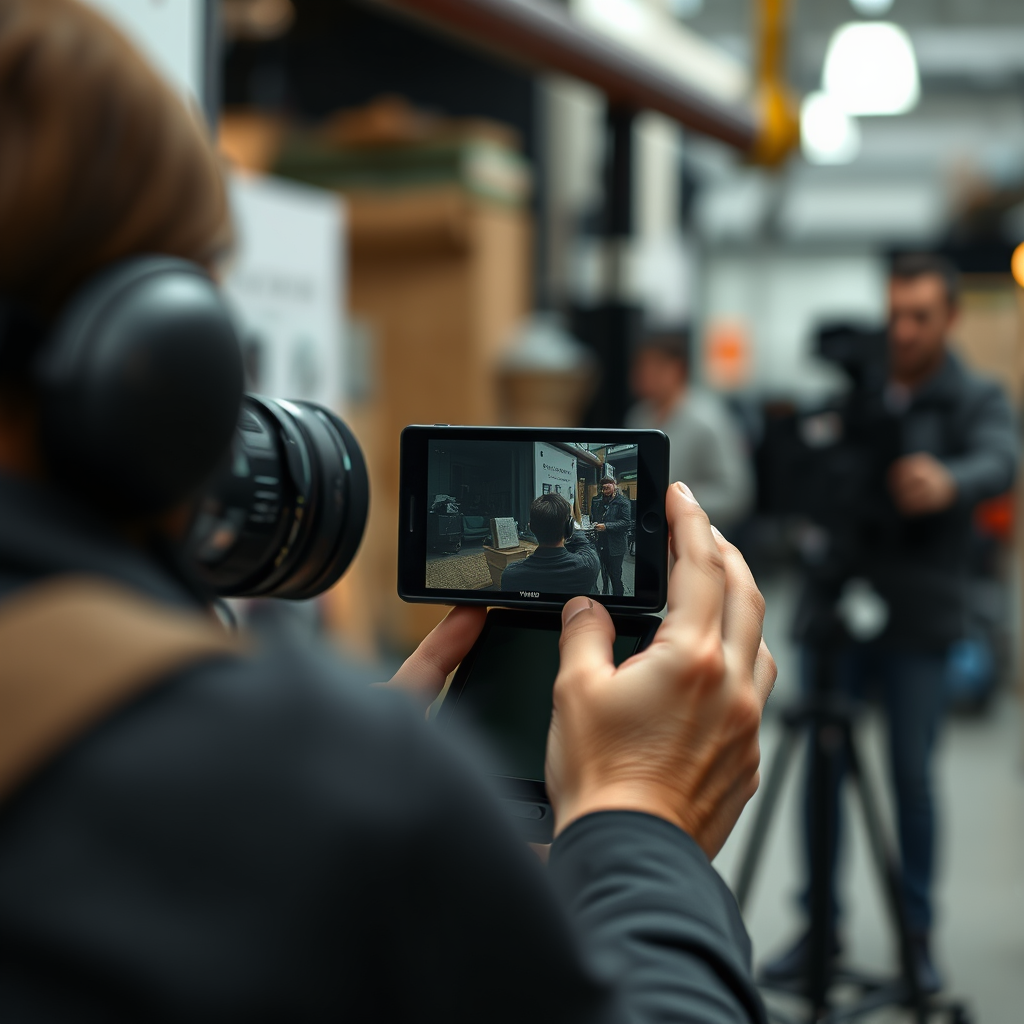
The process of creating volumetric video involves several sophisticated capture techniques. Primarily, it utilizes an array of cameras strategically positioned around the subject or scene. These cameras work in tandem to gather data from various angles simultaneously, capturing the nuances of depth, texture, and movement. The data collected from these multiple viewpoints is then fed into specialized software designed to stitch together the footage into a cohesive 3D model.
Once the footage is captured, the processing phase begins. This involves complex algorithms and software that analyze the data to reconstruct the scene in three dimensions. The result is a digital representation that can be manipulated and viewed interactively, creating a more engaging experience for the viewer. Moreover, advancements in machine learning and computer vision are continuously enhancing the efficiency and accuracy of this processing, making volumetric video production more feasible for creators.
Applications of Volumetric Video
Volumetric video has found a myriad of applications across various sectors, most notably in entertainment and education. In the entertainment industry, it is transforming gaming and filmmaking. For example, video game developers are beginning to incorporate volumetric video to create lifelike characters and environments that players can explore. Games like “Half-Life: Alyx” utilize this technology to enhance immersion, allowing players to experience the game world in a more realistic manner.
In film, volumetric video opens up new storytelling possibilities. Directors can create scenes that viewers can explore, offering a multi-dimensional narrative experience. Imagine watching a movie where you can choose your perspective or even interact with characters in real-time—this is the future being shaped by volumetric video.
Beyond entertainment, volumetric video is making waves in education and training. Medical professionals, for instance, can use this technology for simulations that replicate real-life procedures, allowing for hands-on practice without the risks associated with live patients. Similarly, aviation training programs employ volumetric video to create realistic flight simulations, providing pilots with the opportunity to navigate complex scenarios in a safe environment. The potential for volumetric video in these fields is vast and continues to grow.
Advantages of Volumetric Video
The advantages of volumetric video are numerous, making it an appealing choice for various applications. One of its most significant benefits is the level of immersion it offers. Viewers can engage with content in a way that feels more natural and intuitive compared to traditional video formats. This heightened sense of presence can lead to deeper emotional connections with the material, whether it’s a film, a training simulation, or a virtual concert.
Another key advantage is interactivity. Users have the ability to navigate around the scene, allowing for a personalized viewing experience. For instance, in a virtual art gallery, viewers can choose which pieces to focus on and explore every detail at their own pace. This level of control enhances user engagement and satisfaction, making volumetric video a powerful tool for creators looking to captivate their audience.
Challenges in Using Volumetric Video
Despite its many advantages, volumetric video does come with challenges that can hinder its widespread adoption. One major issue is the technical limitations associated with production. The equipment needed to capture volumetric video—such as multiple high-resolution cameras and specialized software—can be prohibitively expensive. Furthermore, the processing power required to render volumetric video is significant, which can deter smaller creators or organizations from exploring this technology.
Moreover, content creation for volumetric video requires specialized skills and knowledge. Unlike traditional video production, which is more accessible to a broader range of creators, volumetric video demands expertise in 3D modeling and software manipulation. This barrier can limit the diversity of content being produced and slow the technology’s adoption in various industries.
Future of Volumetric Video
The future of volumetric video looks promising, with ongoing innovations making the technology more efficient and accessible. As hardware becomes more affordable and processing software becomes more user-friendly, we can expect to see a surge in the creation and consumption of volumetric content. Additionally, the rise of virtual reality (VR) and augmented reality (AR) technologies is driving demand for more immersive experiences, further entrenching volumetric video in mainstream media.
Potential growth in this field is enormous, particularly as industries recognize the benefits of providing engaging, interactive content. From virtual reality concerts to educational simulations, the applications are boundless, and as advancements continue, we can anticipate a future where volumetric video becomes a standard medium in various sectors.
In summary, volumetric video is revolutionizing how we consume and interact with visual content. Its ability to create immersive, interactive experiences sets it apart from traditional video formats, making it a valuable tool across diverse fields, from entertainment to education. As technology evolves and becomes more accessible, we can look forward to a world where volumetric video plays a central role in storytelling and learning. If you’re intrigued by this technology and want to explore its potential, consider diving deeper into the latest trends and tools that are shaping the future of volumetric video.
Frequently Asked Questions
What is volumetric video and how does it differ from traditional video?
Volumetric video is a 3D capture technology that records and reconstructs a subject in three-dimensional space, allowing viewers to experience a more immersive perspective compared to traditional 2D video. While traditional video captures images from a single viewpoint, volumetric video utilizes multiple cameras to create a digital model of a scene or object, enabling users to interact with and explore the content from various angles in real-time.
How does volumetric video work?
Volumetric video works by using an array of cameras to capture a subject from multiple angles simultaneously. These cameras record both the appearance and depth of the subject, which is then processed through complex algorithms to create a 3D representation. The resulting data can be rendered in virtual reality (VR) or augmented reality (AR) environments, allowing users to engage with the content interactively and dynamically.
Why is volumetric video gaining popularity in media and entertainment?
Volumetric video is gaining popularity because it enhances storytelling by providing an immersive experience that traditional video cannot achieve. This technology allows creators to engage audiences on a deeper level, making it ideal for applications in gaming, virtual events, and interactive storytelling. As VR and AR technologies become more mainstream, the demand for volumetric video content continues to rise, attracting both creators and consumers alike.
What are the best applications for volumetric video?
The best applications for volumetric video include immersive gaming experiences, virtual reality training simulations, and interactive storytelling in films and live events. Additionally, it is used in fields like architecture for walkthroughs, in healthcare for medical training, and in sports for analysis and fan engagement. These diverse applications highlight the versatility of volumetric video in enhancing user engagement across various industries.
Which technologies are required to create volumetric video?
To create volumetric video, a setup typically requires multiple high-resolution cameras arranged in a specific configuration, along with specialized software for processing and rendering the captured footage. Additionally, powerful computing resources are necessary to handle the data-intensive nature of volumetric video. As technology advances, some companies are developing more accessible solutions, including mobile apps and simpler hardware setups, making it easier for creators to produce volumetric content.
References
- Volumetric capture
- https://www.sciencedirect.com/science/article/pii/S0097849321000540
- https://www.nature.com/articles/s41599-021-00684-7
- https://www.bbc.com/future/article/20200225-how-volumetric-video-could-change-the-way-we-watch
- https://www.theverge.com/2019/10/14/20913580/volumetric-video-explained-how-it-works
- https://www.npr.org/2020/01/24/798204387/what-is-volumetric-video-and-why-should-we-care
- https://www.wired.com/story/what-is-volumetric-video/
- https://researchgate.net/publication/341771255_Volumetric_Video_A_Review_of_the_Recent_Advances_in_Capture_Processing_and_Display
- https://www.itu.int/en/ITU-T/focusgroups/ai4iot/Pages/default.aspx