
Night vision cameras work by amplifying available light, allowing for clear images even in complete darkness. These remarkable devices utilize sophisticated technology, including infrared illumination and image intensification, to capture details that would otherwise remain hidden from the naked eye. Whether you’re interested in enhancing your home security, observing nocturnal wildlife, or simply curious about how these cameras operate, this article will guide you through the intricacies of night vision technology, the different types available, and their various applications.
How Night Vision Technology Works

Night vision cameras operate primarily through two main technologies: image intensification and infrared (IR) illumination. The core functionality revolves around enhancing low light levels. Image intensifiers work by capturing ambient light—such as moonlight or starlight—and amplifying it to produce a clearer image. When light hits the camera’s sensor, it is converted into electrons, which are then amplified and projected onto a phosphor screen, ultimately allowing the user to see in conditions that would otherwise be pitch black.
Infrared technology adds another layer of functionality. Most night vision cameras include IR capability, which involves detecting infrared light emitted by warm objects. This means that even in total darkness, the camera can create a visible image by picking up this IR radiation, which is invisible to the human eye. This dual approach ensures that night vision cameras can provide clear images in a variety of low-light scenarios, making them incredibly versatile tools.
Types of Night Vision Cameras
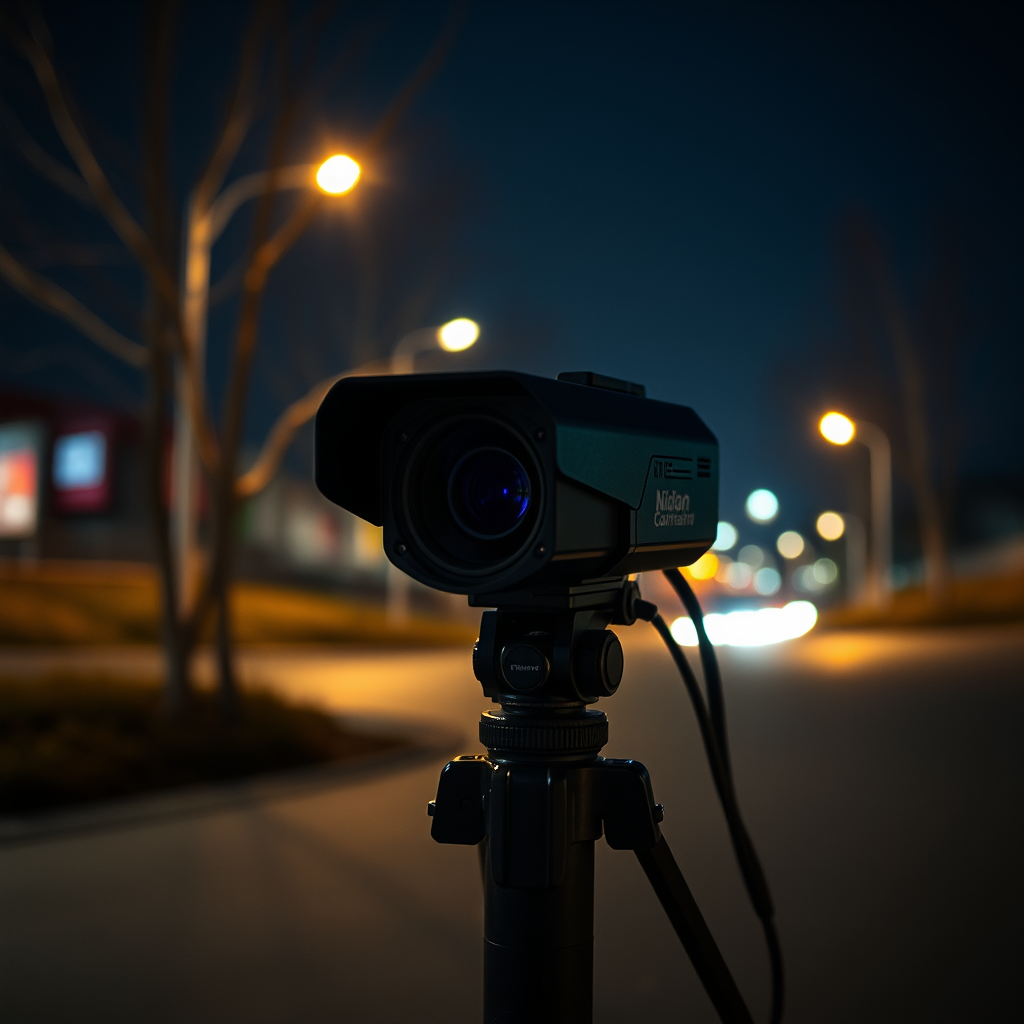
Night vision cameras can be categorized into a few distinct generations, each offering varying levels of performance and cost.
– Generation 1: This is the most basic form of night vision technology. Generation 1 cameras amplify ambient light to a certain extent but may struggle in very low light conditions. They are typically more affordable and ideal for budget-conscious consumers looking for basic surveillance solutions.
– Generation 2 and 3: These advanced systems come with enhanced features, such as improved resolution and greater range. Generation 2 cameras utilize a more sophisticated image intensifier, while Generation 3 cameras incorporate gallium arsenide technology, significantly boosting performance. These cameras are commonly used in professional settings, such as law enforcement and military applications, where reliability and clarity are paramount.
Each generation has its own advantages and is suited for different tasks, so understanding the differences can help you make an informed decision based on your needs.
Key Components of Night Vision Cameras
Understanding the key components of night vision cameras can enhance your appreciation of how they work and help you choose the right model for your needs.
– Image Intensifier Tube: This is the heart of the night vision system. The image intensifier tube converts incoming photons (light particles) into electrons. These electrons are then amplified and converted back into visible light, producing an image that is many times brighter than the original. The effectiveness of this component is what primarily determines the quality of the night vision image.
– Infrared Illuminators: These light sources are vital for enhancing visibility in total darkness. Infrared illuminators emit infrared light, which is invisible to the naked eye but can be detected by night vision cameras. This additional illumination can significantly improve the clarity and details of the images captured in complete darkness, making it easier to monitor an area without alerting any potential intruders or wildlife.
By understanding these components, you can better appreciate the technology behind night vision cameras and their capabilities.
Applications of Night Vision Cameras
Night vision cameras are not just a gadget for tech enthusiasts; they serve a variety of practical applications across different fields.
– Security and Surveillance: One of the most common uses for night vision cameras is in security systems. Homeowners and businesses alike use these cameras to monitor their properties during nighttime hours. The ability to capture clear images in low light enhances security measures, allowing for effective monitoring of potential threats. Many modern security systems also integrate night vision technology with motion detection, sending alerts to owners when movement is detected, even in the dark.
– Wildlife Observation: Night vision cameras have become invaluable tools for researchers and wildlife enthusiasts. They allow for the observation of nocturnal animals in their natural habitats without disturbing their behaviors. For example, wildlife researchers use these cameras to study the habits of owls, bats, and other night-active creatures, gathering crucial data that would be difficult to collect during the day.
These applications demonstrate the versatility of night vision cameras, showcasing their importance in both security and scientific research.
Limitations of Night Vision Cameras
While night vision cameras offer remarkable capabilities, they do come with certain limitations that users should be aware of.
– Performance Degradation: One significant drawback is their performance in extremely bright light conditions. If a night vision camera is exposed to sudden bright lights, such as car headlights, it can lead to temporary blindness of the device, or worse, permanent damage. This makes it essential for users to understand the environment in which they are operating their cameras.
– Range Limitations: The effectiveness of night vision cameras can diminish with distance. While some high-end models can capture clear images from long distances, many consumer-grade options struggle to deliver quality images beyond a certain range in low light. This limitation means that users must consider their specific needs and the distance they wish to monitor when selecting a night vision camera.
Recognizing these limitations can help users set realistic expectations and make better-informed decisions regarding their night vision camera investments.
Care and Maintenance of Night Vision Cameras
To ensure your night vision camera performs optimally, regular care and maintenance are essential.
– Regular Cleaning: Keeping the lenses and other components clean is crucial for maintaining image quality. Dust, dirt, and fingerprints can obstruct light and reduce clarity. Use a soft, lint-free cloth to gently clean the lens, and ensure that the camera body is free from debris.
– Proper Storage: Night vision cameras should be stored in a cool, dry place to prevent damage from moisture and temperature fluctuations. Avoid leaving them in locations with extreme temperatures, as this can affect the internal mechanisms. When not in use, consider using protective cases to shield the cameras from potential damage.
By following these maintenance tips, you can extend the life of your night vision cameras and ensure they continue to deliver high-quality images for years to come.
In summary, night vision cameras are fascinating devices that serve a wide range of purposes, from enhancing security to aiding wildlife observation. By understanding how they work, the types available, and their various applications, you can make informed decisions about which camera best suits your needs. Moreover, by being aware of their limitations and properly caring for your equipment, you can maximize your investment in this advanced technology. So why not consider how a night vision camera could enhance your own security or observational needs? Research specific models that meet your requirements, and step into the world of night vision!
Frequently Asked Questions
How do night vision cameras work in complete darkness?
Night vision cameras operate primarily through two technologies: image enhancement and thermal imaging. Image enhancement cameras amplify existing light, including infrared light, allowing them to produce a clear image in low-light conditions. Conversely, thermal imaging cameras detect heat emitted by objects and convert it into a visible image, enabling them to work effectively even in complete darkness without any light source.
What are the different types of night vision cameras available?
There are mainly three types of night vision cameras: Generation 1, Generation 2, and Generation 3. Generation 1 cameras use basic image intensifiers and are suitable for low-light conditions but may struggle in total darkness. Generation 2 cameras offer improved sensitivity and resolution, while Generation 3 cameras provide the highest performance with advanced technology for optimal clarity in complete darkness, making them ideal for security and surveillance applications.
Why is infrared technology essential for night vision cameras?
Infrared technology is crucial for night vision cameras because it allows them to capture images in low-light or no-light environments. By using infrared light, these cameras can illuminate dark areas without visible illumination, making them ideal for surveillance and security. This technology enhances the camera’s ability to see in complete darkness, ensuring that users can monitor their surroundings effectively.
What features should I look for when choosing a night vision camera for dark environments?
When selecting a night vision camera for dark environments, consider features such as sensitivity to infrared light, resolution, and the type of night vision technology used (image enhancement vs. thermal imaging). Additionally, look for cameras with infrared illumination capabilities, a wide field of view, and durability ratings for outdoor use. These features ensure optimal performance in complete darkness and provide clearer images for safety and monitoring.
Which night vision cameras are best for home security in complete darkness?
For home security in complete darkness, the best night vision cameras typically include models that feature thermal imaging or high-quality image enhancement technology. Popular options include the FLIR night vision cameras, which offer excellent thermal imaging, and the Arlo Pro series, known for their advanced infrared capabilities. These cameras provide reliable performance in total darkness, ensuring you can keep your home safe and secure at any time.