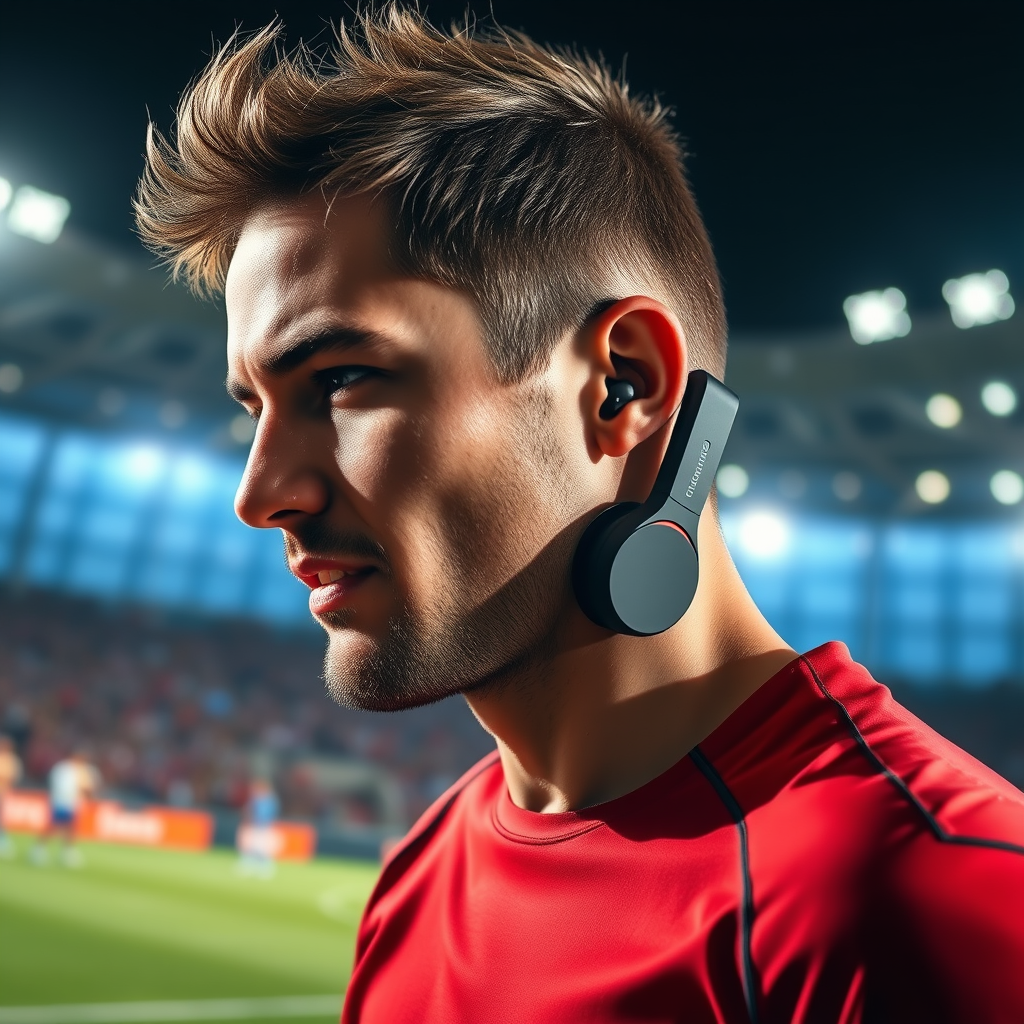

Bone conduction headphones are a game-changer for sports enthusiasts who crave a safe and high-quality audio experience while exercising. These innovative headphones deliver sound through your cheekbones, leaving your ear canals open to ambient sounds. This unique feature not only enhances your auditory experience but also ensures you stay aware of your surroundings, making them perfect for outdoor activities like running, cycling, or hiking. In this article, we’ll delve into the best bone conduction headphones available, spotlighting their features, benefits, and what sets them apart for athletes.
Features to Look for in Bone Conduction Headphones

– Sound Quality: When it comes to sound quality, not all bone conduction headphones are created equal. Generally, you can expect a different sound profile compared to traditional headphones. Look for models that provide a balanced audio experience with clear mids and highs, as some may struggle with bass response due to the nature of the technology. Brands like AfterShokz are known for their impressive sound quality, ensuring you get a satisfying listening experience while on the move.
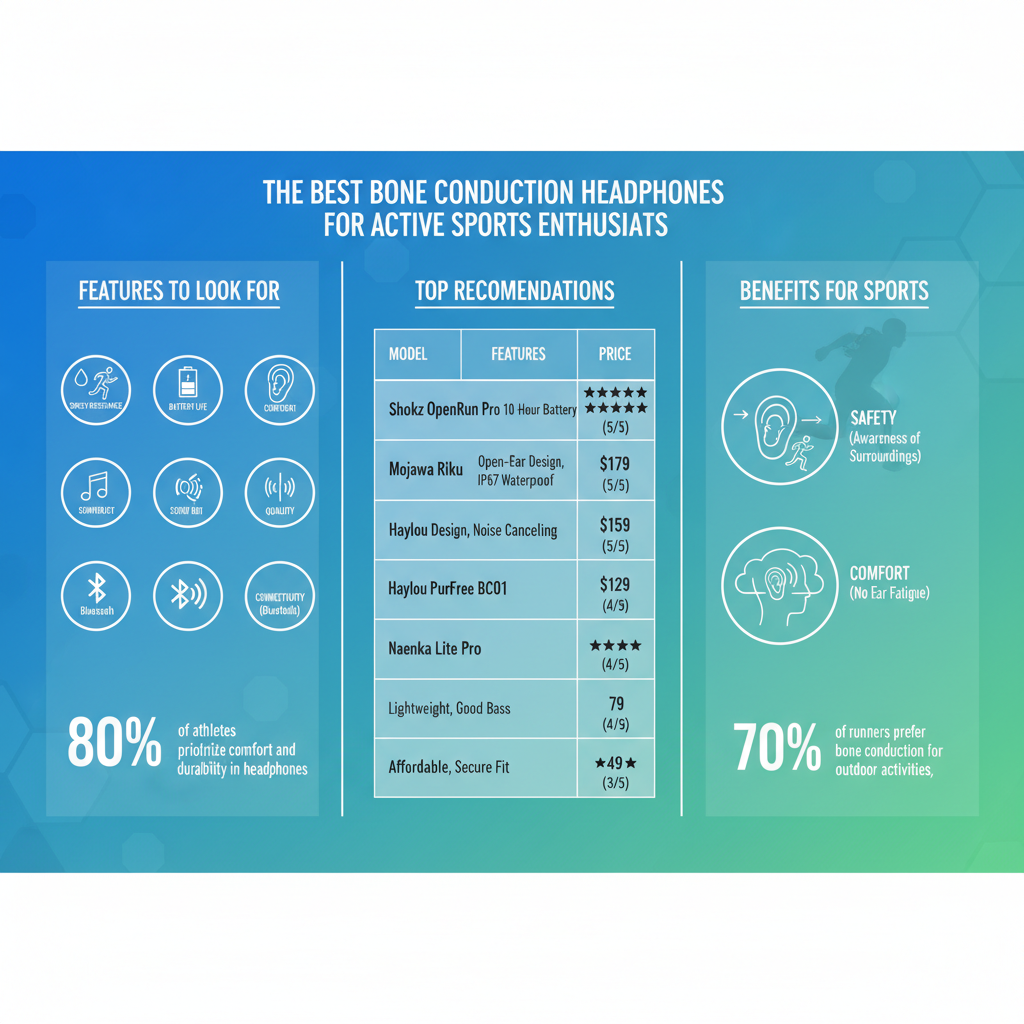
– Comfort and Fit: Comfort is paramount, especially during intense workouts. A secure and adjustable fit can make all the difference in how well the headphones perform. Many models come with adjustable bands or ear hooks designed to keep the headphones in place, even during vigorous activities. Ensuring that the headphones fit snugly without being overly tight will help you focus on your workout rather than readjusting your gear.
Top Recommendations for Bone Conduction Headphones

– Model A: AfterShokz Aeropex: One of the top contenders in the bone conduction category, the AfterShokz Aeropex is lightweight and boasts a battery life of up to 8 hours. It’s also IP67 rated, meaning it’s water-resistant and can handle sweat and rain. The Aeropex offers a crisp sound quality that remains clear even at higher volumes, making it an excellent choice for athletes who enjoy a high-energy playlist while working out.
– Model B: Vidonn F1: Another fantastic option is the Vidonn F1, which features Bluetooth connectivity and a comfortable, adjustable design. With a battery life of about 6 hours, it’s a reliable choice for shorter workouts. The Vidonn F1 is particularly appealing for its affordability without sacrificing sound quality. It’s a great entry-level option for those new to bone conduction technology.
Benefits of Bone Conduction Technology for Sports
– Situational Awareness: One of the most significant benefits of bone conduction headphones is their ability to keep you aware of your surroundings. This is crucial for safety, especially when running or cycling near traffic or in crowded areas. With traditional headphones, you might miss important sounds, like a car horn or the approaching footsteps of another runner, increasing the risk of accidents. Bone conduction headphones let you enjoy your music while staying alert to your environment.
– Hygienic Design: For athletes, hygiene is often a concern, especially during sweaty workouts. Bone conduction headphones typically have a more hygienic design because they do not sit inside the ear canal. This feature makes them easier to clean and less prone to harboring bacteria, ensuring that your headphones remain fresh even after intense sessions.
Comparing Bone Conduction Headphones with Traditional Earbuds
– Sound Leakage: A common concern with bone conduction headphones is sound leakage. While they allow for ambient sound to enter, they can also let some audio escape. However, this can be less of an issue than with traditional earbuds, which often block sound entirely. If you’re working out in a gym or a crowded space, consider this factor; it may be a trade-off between sound isolation and safety.
– Ear Health: Using bone conduction headphones can be better for your ear health compared to conventional earbuds, especially for those who experience discomfort from prolonged earbud use. Since bone conduction headphones don’t block the ear canal, they can help prevent ear fatigue and reduce the risk of ear infections, making them a healthier option for music lovers on the go.
User Experience and Feedback
– Athlete Testimonials: Many athletes have praised the integration of bone conduction headphones into their training regimens. For instance, one runner shared, “I love how I can still hear the sounds of nature while enjoying my favorite podcast. It makes my long runs feel safer and more enjoyable.” Additionally, cyclists have noted the benefit of being able to hear nearby traffic while listening to music, citing an enhanced sense of security during rides.
– Common Issues: Despite their many advantages, some users report issues with sound quality in bass-heavy tracks or the headphones slipping during high-intensity workouts. Solutions include ensuring a proper fit and adjusting the volume settings for optimal listening. Many brands also offer customer support and warranty options to address concerns and provide replacements when necessary.
Maintenance and Care Tips for Longevity
– Cleaning Methods: To keep your bone conduction headphones in top shape, regularly clean them with a slightly damp cloth to remove sweat and grime. For deeper cleaning, use mild soap and water, avoiding any harsh chemicals that could damage the materials. Make sure to dry them thoroughly before storing to prevent any moisture buildup.
– Storage Recommendations: Proper storage is essential for prolonging the life of your headphones. When not in use, store them in a cool, dry place away from direct sunlight. Using a protective case can help prevent damage from accidental drops or scratches, ensuring your investment remains safe and sound.
In summary, bone conduction headphones are an excellent investment for active sports enthusiasts, blending safety, comfort, and quality sound in one package. When choosing the right model, consider essential features like sound quality, fit, and user feedback to find the best match for your lifestyle. With top recommendations and insights into their benefits, you can enhance your workout experience and stay connected to your environment. Dive into the world of bone conduction headphones and elevate your sporting adventures today!
Frequently Asked Questions
What are the benefits of using bone conduction headphones for sports enthusiasts?
Bone conduction headphones offer several advantages for sports enthusiasts, primarily allowing users to remain aware of their surroundings while enjoying music or podcasts. Unlike traditional headphones, which block out ambient noise, bone conduction technology transmits sound through the bones of the skull, leaving the ears open for environmental sounds—crucial for safety during outdoor activities like running or cycling. Additionally, they are often sweat-resistant, lightweight, and designed to stay securely in place during vigorous movement.
How do bone conduction headphones compare to traditional headphones for athletic use?
Bone conduction headphones differ significantly from traditional headphones in their design and functionality. While traditional headphones rely on air conduction to transmit sound through the ear canal, bone conduction headphones bypass the ear and transmit vibrations directly to the inner ear via the bones. This feature makes them ideal for athletes who prioritize situational awareness and comfort, as they can listen to music without blocking external sounds, thus enhancing safety during workouts or outdoor activities.
Which bone conduction headphones are the best for running and cycling?
Some of the best bone conduction headphones for running and cycling include the AfterShokz Aeropex, Shokz OpenRun Pro, and Vidonn F3. AfterShokz Aeropex is known for its lightweight design, excellent battery life, and impressive sound quality, making it a top choice for runners. Shokz OpenRun Pro offers enhanced audio performance and a snug fit, perfect for cycling. Vidonn F3 is a budget-friendly option that still delivers solid performance, making it a great entry-level choice for those new to bone conduction technology.
Why should sports enthusiasts consider the durability of bone conduction headphones?
Durability is a crucial factor for sports enthusiasts when choosing bone conduction headphones, as they often experience rigorous physical activity and exposure to sweat and weather conditions. High-quality bone conduction headphones are typically designed with rugged materials that can withstand impacts, moisture, and dust. Investing in durable headphones ensures they will last longer and perform optimally during workouts, reducing the need for frequent replacements and providing better overall value.
How should I care for and maintain my bone conduction headphones to ensure longevity?
To ensure the longevity of your bone conduction headphones, it’s important to regularly clean them, especially after exposure to sweat or moisture. Use a soft, damp cloth to wipe down the frames and speakers, avoiding harsh chemicals that could damage the material. Additionally, store your headphones in a cool, dry place when not in use, and avoid exposing them to extreme temperatures or sunlight, which can degrade battery life and overall performance. Following these care tips will help maintain sound quality and functionality over time.
References
- Bone conduction
- https://www.ncbi.nlm.nih.gov/pmc/articles/PMC7010820/
- https://www.sciencedirect.com/science/article/pii/S1877050919311158
- https://www.hhs.gov/fitness/resource-center/healthier-sporting-venues.html
- https://www.wired.com/story/best-bone-conduction-headphones/
- https://www.cdc.gov/niosh/topics/noise/default.html