

Augmented reality (AR) significantly enhances video content by providing immersive experiences that engage viewers in new ways. By integrating digital elements with the real world, AR transforms traditional video into interactive storytelling. This innovation not only captures attention but also deepens understanding and retention. In this article, you will learn how AR improves viewer engagement, enhances educational content, and drives marketing effectiveness.
The Impact of AR on Viewer Engagement
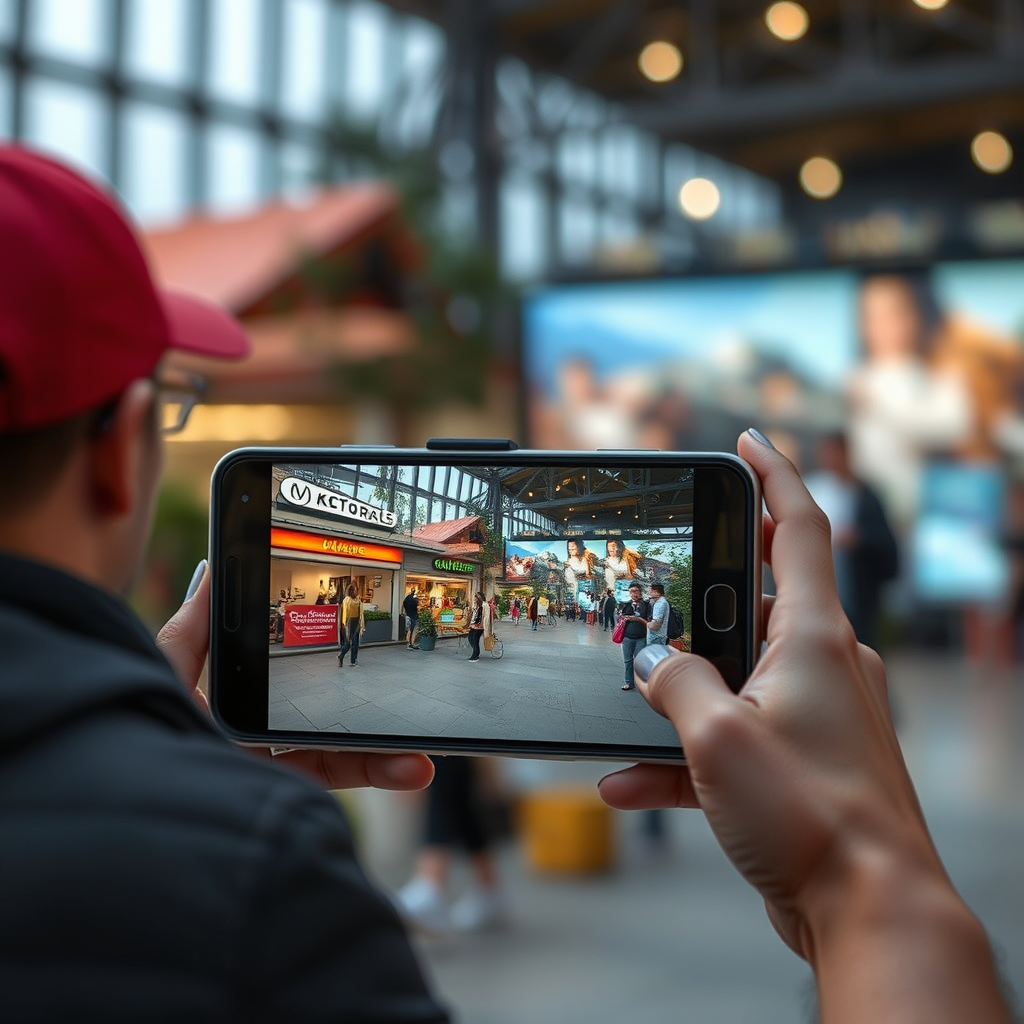
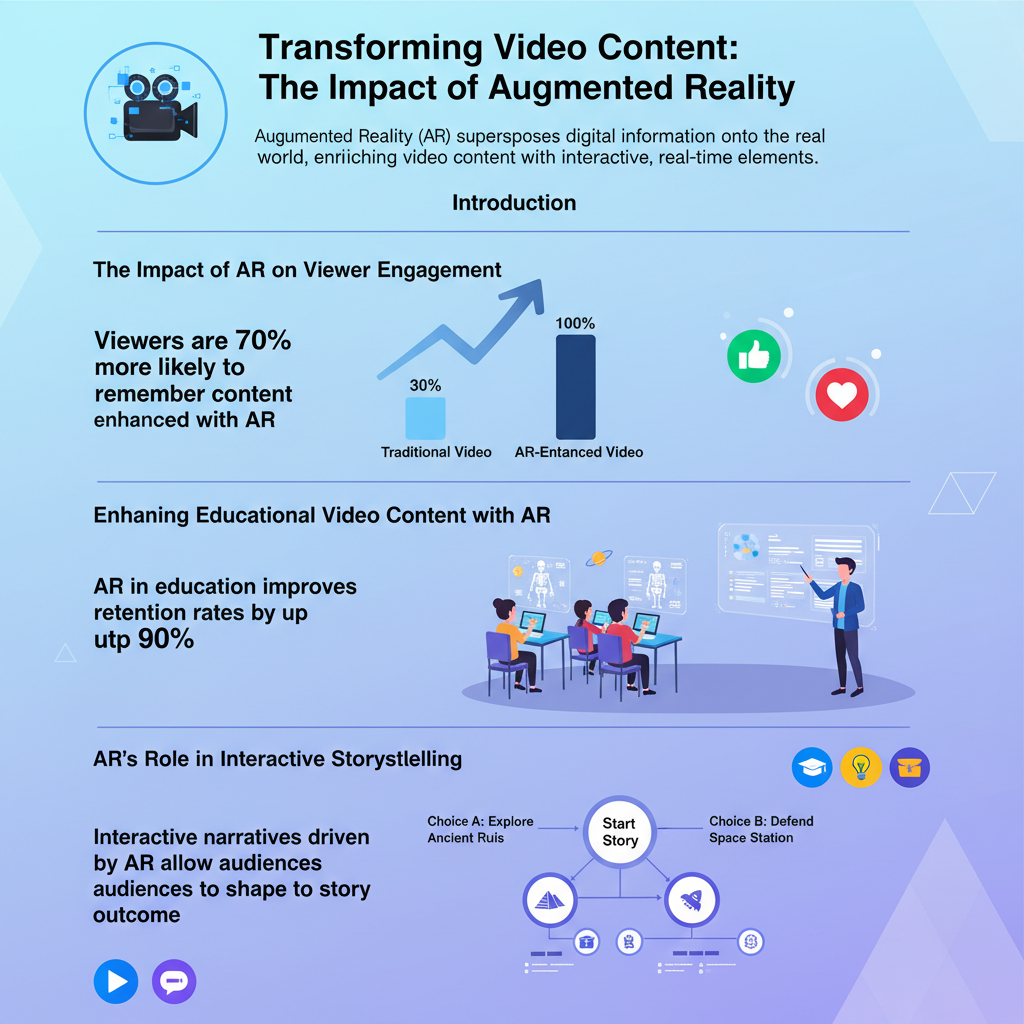
AR creates interactive experiences that keep audiences captivated longer. Imagine watching a cooking show where you can see a 3D model of the dish being prepared right in your kitchen! This kind of interaction draws viewers in, allowing them to visualize the process as if they were part of it. According to a study by the Interactive Advertising Bureau, AR experiences have been shown to increase viewing time by an average of 65%.
Incorporating 3D visuals and animations makes content more relatable and memorable. For example, consider the AR feature in a popular fitness app that enables users to see a virtual trainer demonstrating exercises in their living space. This not only makes the content more engaging but also allows users to mimic movements accurately. The combination of visual stimuli and interactivity transforms passive viewing into a lively, participatory experience, making it easier for audiences to connect with the material.
Enhancing Educational Video Content with AR

AR can visualize complex concepts, making learning more effective. Traditional educational videos often rely on 2D animations or static images to explain difficult subjects, such as anatomy or physics. With AR, students can view 3D models of the human heart or interactive simulations of gravitational forces, providing a deeper understanding of the subject matter. For instance, platforms like Merge Cube allow students to hold a physical cube that, when viewed through a device, reveals detailed 3D models, enhancing their learning experience.
Interactive elements allow students to engage with the material, promoting better retention. By tapping or swiping on AR elements, learners can explore content at their own pace, diving deeper into areas of interest. Schools and universities that have adopted AR in their educational videos report increased engagement and improved test scores. This hands-on approach caters to various learning styles, making education more inclusive and effective.
AR in Marketing and Advertising
Brands use AR to create immersive ads that stand out from traditional formats. Rather than simply showcasing a product in a static image or video, companies like IKEA and Sephora utilize AR to let customers visualize how furniture looks in their home or how makeup would appear on their skin. This interactive approach not only captivates potential buyers but also enhances their shopping experience by providing valuable context.
Interactive product demonstrations help consumers make informed purchasing decisions. For instance, car manufacturers are now offering AR experiences that allow customers to view the vehicle’s features and options in their driveway through their smartphones. This not only saves time for both consumers and salespeople but also builds a stronger emotional connection between the customer and the product, as they can explore it in their environment.
The Role of AR in Gaming and Entertainment
AR blends gaming with reality, offering players unique experiences that traditional video cannot provide. Games like Pokémon GO have demonstrated the potential of AR to create engaging experiences that encourage players to explore their surroundings. This innovative gameplay not only entertains but also promotes physical activity and social interaction, as players often gather in public spaces to hunt for virtual creatures together.
Entertainment companies use AR to create interactive narratives that engage audiences on a deeper level. For example, shows like “Stranger Things” have incorporated AR elements that allow fans to interact with the storyline through their devices, deepening their connection to the characters and plot. By blurring the lines between the virtual and real worlds, AR enriches the storytelling experience, making it more immersive and memorable.
Future Trends in AR and Video Content
Advances in AR technology will continue to reshape how video content is produced and consumed. As devices become more powerful and AR software improves, we can expect to see even more sophisticated overlays and interactions. For example, the integration of AI with AR could enable personalized experiences, tailoring content based on individual viewer preferences and behaviors.
The potential for AR in live events and social media platforms is expanding rapidly. Brands are beginning to experiment with AR filters on platforms like Instagram and Snapchat, allowing users to engage with products in a fun and interactive way. As AR becomes more mainstream, we will likely see it integrated into live broadcasts, allowing viewers to explore additional content or interact with the show in real time.
Challenges and Considerations for Implementing AR
Content creators must consider accessibility and compatibility across devices. Not all viewers will have access to high-end smartphones or AR glasses, so it’s vital to ensure that AR experiences are designed to work on a range of devices. Additionally, offering alternative content for those unable to access AR features can help maintain inclusivity.
Balancing AR integration without overwhelming the viewer is crucial for effectiveness. While AR can greatly enhance content, it’s important to ensure that it complements rather than distracts from the main message. Overly complex or flashy AR elements can detract from the viewer’s experience, making it essential to find the right balance.
AR is transforming video content, making it more engaging, educational, and effective for marketing. As technology advances, embracing AR can significantly enhance your video strategy. Consider how you can incorporate AR elements into your content creation process to captivate your audience and provide them with a richer experience. By staying ahead of the curve, you not only improve viewer engagement but also position yourself as a forward-thinking creator in an increasingly competitive landscape.
Frequently Asked Questions
How does augmented reality (AR) enhance video content engagement?
Augmented reality enhances video content engagement by providing interactive and immersive experiences that captivate viewers’ attention. With AR, users can visualize 3D models in their real-world environment, leading to increased retention and interaction. This technology encourages active participation rather than passive viewing, making the content more memorable and impactful.
What are the benefits of using augmented reality in video marketing?
The benefits of using augmented reality in video marketing include improved customer engagement, enhanced storytelling, and higher conversion rates. AR allows brands to create unique experiences that resonate with audiences, making their marketing efforts more effective. Additionally, by integrating AR into video campaigns, companies can stand out in a crowded digital landscape, leading to increased brand loyalty and sales.
Which industries are leveraging augmented reality to enhance their video content?
Industries such as retail, education, healthcare, and entertainment are leveraging augmented reality to enhance their video content. In retail, brands use AR to let customers visualize products in their homes. Educational institutions create AR-enhanced videos for interactive learning experiences, while healthcare providers use AR in training videos for medical procedures. The entertainment industry also utilizes AR to create immersive storytelling experiences, engaging viewers in innovative ways.
Why should businesses consider incorporating augmented reality into their video strategies?
Businesses should consider incorporating augmented reality into their video strategies because it significantly improves viewer engagement and offers a competitive edge. AR technology allows brands to create unique, memorable experiences that can lead to higher customer satisfaction and loyalty. As consumers increasingly seek interactive content, integrating AR into video strategies positions businesses as forward-thinking and responsive to modern consumer preferences.
How can I create AR-enhanced videos for my brand?
To create AR-enhanced videos for your brand, start by defining your goals and identifying the right AR tools and platforms that align with your vision. Collaborate with AR developers or utilize user-friendly software to design interactive elements that complement your video content. Once the AR features are integrated, test your video to ensure a seamless user experience before launching it across your marketing channels, maximizing reach and engagement.
References
- Augmented reality
- https://www.sciencedirect.com/science/article/pii/S1877050919312020
- https://www.bbc.com/future/article/20201109-how-augmented-reality-is-changing-the-way-we-see-the-world
- https://www.nature.com/articles/s41599-020-00630-5
- https://www.researchgate.net/publication/327350127_Augmented_Reality_in_Education
- https://www.frontiersin.org/articles/10.3389/feduc.2021.694897/full
- https://www.theguardian.com/technology/2021/apr/09/augmented-reality-education-technology
- https://www.edutopia.org/article/using-augmented-reality-classroom
- https://www.arts.gov/impact/creative-placemaking/augmented-reality-and-the-arts