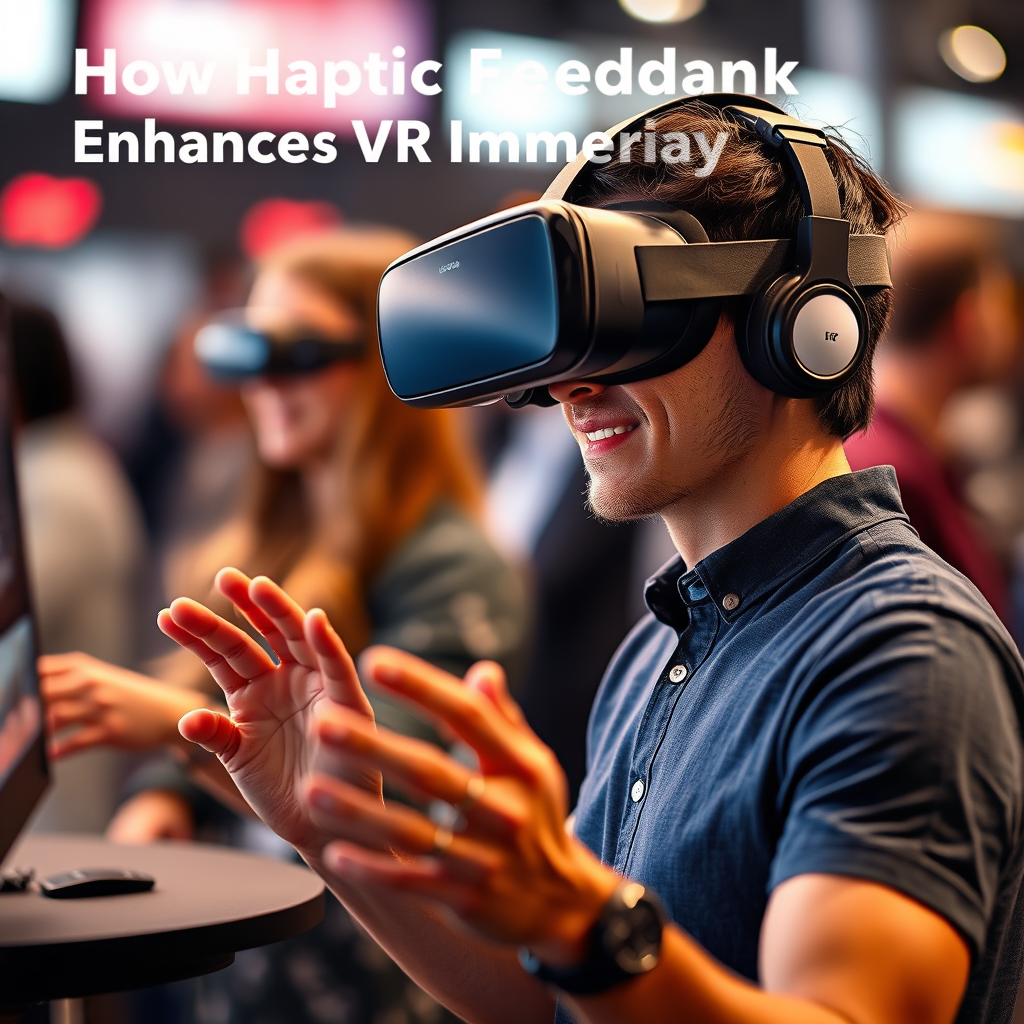

Haptic feedback significantly enhances VR immersion by providing users with realistic tactile sensations that simulate real-world interactions. This technology bridges the gap between virtual and physical experiences, making users feel more present in the digital environment. By incorporating touch into virtual reality, users not only see and hear but also feel the environment around them, which greatly enriches their overall experience. In this article, we will explore the various ways haptic feedback contributes to a richer VR experience.
Understanding Haptic Feedback
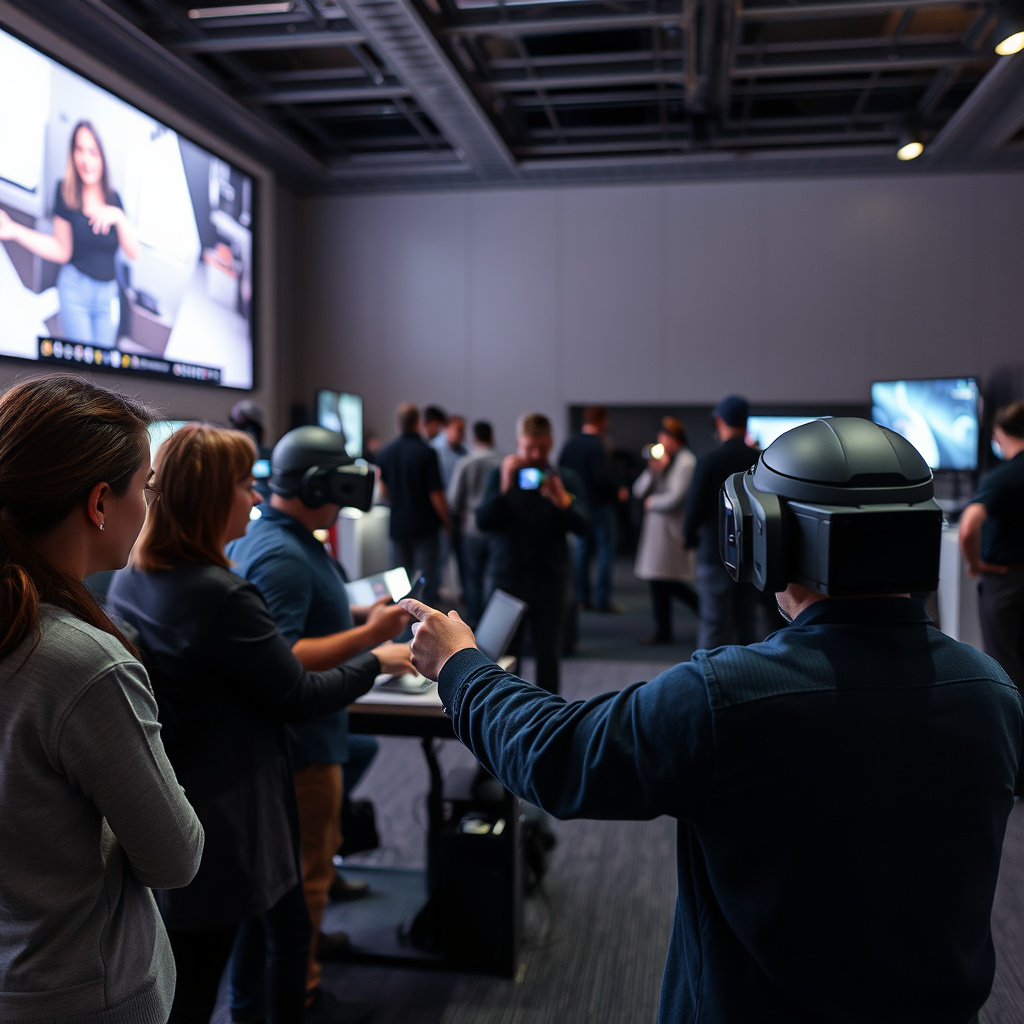
Haptic feedback refers to technology that communicates with users through the sense of touch. It works by applying forces, vibrations, or motions to simulate physical sensations, creating a more immersive experience. Haptic feedback can be experienced through various devices, including controllers, gloves, and full-body suits.
For example, haptic controllers like the Oculus Touch or the Valve Index provide vibrations that mimic the sensation of shooting a gun or picking up an object. Meanwhile, advanced haptic gloves can reproduce nuanced sensations such as texture and weight, allowing users to grip virtual objects as if they were real. Full-body haptic suits take this a step further by stimulating the entire body, enabling users to feel impacts or environmental changes, such as wind or temperature, enhancing the immersive experience in profound ways.
The Role of Touch in Immersion
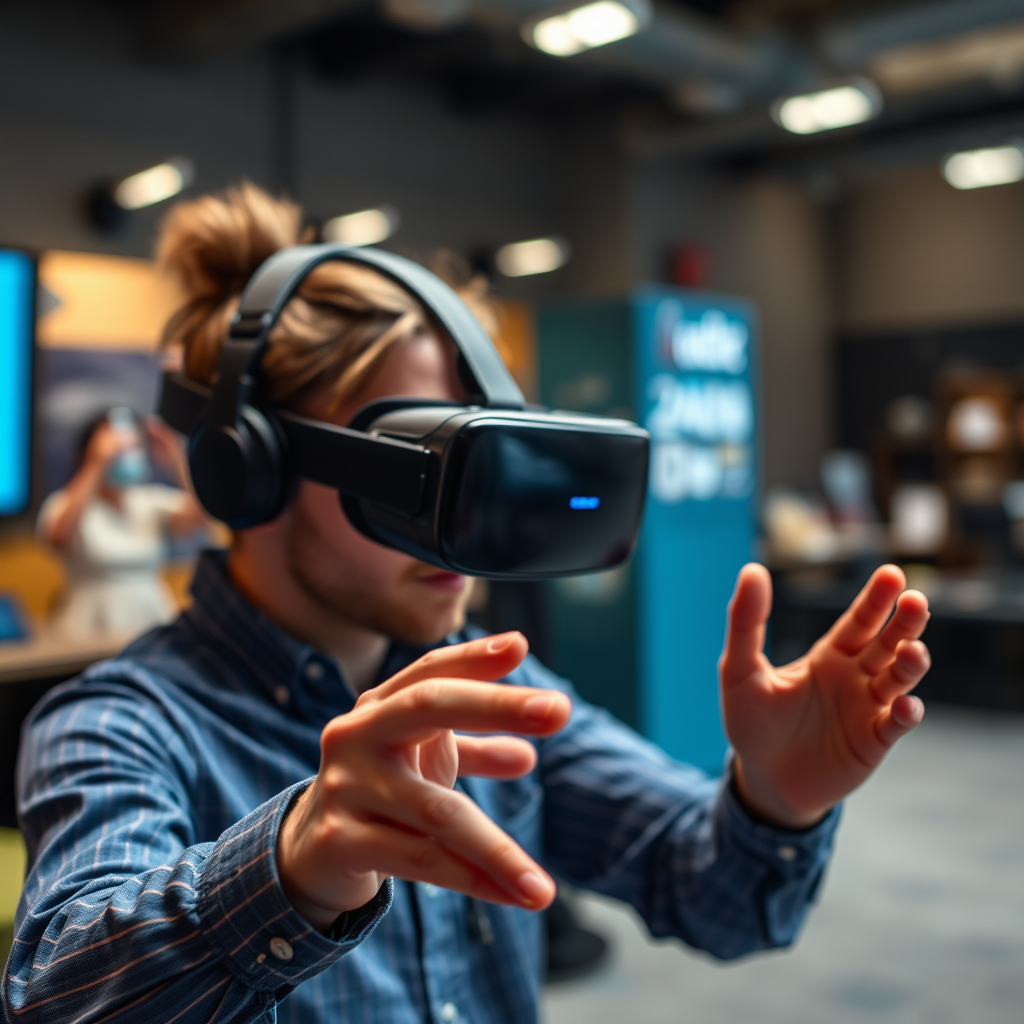
Touch plays a critical role in creating a sense of presence in virtual environments. When users can physically feel feedback from their actions, it deepens their engagement and emotional connection to the virtual experience. Research has shown that tactile sensations can significantly increase user engagement, as they provide essential feedback that visual and auditory cues alone cannot.
Studies indicate that users who experience haptic feedback during VR interactions report higher satisfaction and a stronger sense of immersion. For instance, a study published in the journal “Virtual Reality” found that participants who engaged with haptic-enabled VR scenarios felt more present and emotionally connected than those who did not experience haptics. This connection is crucial for applications like gaming and training simulations, where user engagement directly impacts performance and learning outcomes.
Enhancing Gameplay with Haptic Feedback
Many modern games are leveraging haptic feedback to create more immersive and engaging gameplay experiences. Titles such as “Half-Life: Alyx” and “Beat Saber” utilize haptic cues to provide players with realistic sensations that enhance their interactions within the game. For instance, in “Half-Life: Alyx,” players can feel the tension of a bowstring as they pull back to shoot an arrow, making the act of playing feel much more dynamic and engaging.
Haptic feedback can also improve gameplay mechanics by providing critical information through tactile sensations. For example, players can feel a vibration in their controller when their health is low, prompting them to take action. Similarly, the sensation of a rumble can signal environmental interactions, such as walking over different terrains or experiencing weather changes, which can elevate the realism and intensity of the gaming experience.
Applications Beyond Gaming
While gaming is often the first application that comes to mind, haptic feedback has far-reaching implications beyond entertainment. In training simulations, such as those used in medical or military contexts, haptic technology plays a vital role in creating realistic scenarios for skill development. For example, medical training simulators that incorporate haptic feedback allow trainees to practice surgical procedures with a level of realism that helps them develop their skills more effectively.
In virtual tourism and education, haptic feedback can create engaging experiences that transport users to new environments. Imagine being able to feel the texture of ancient ruins or the warmth of a tropical breeze while exploring a virtual landscape. Educational platforms are beginning to utilize haptic technology to enhance lessons in subjects like science and history, making learning more interactive and memorable.
Challenges and Limitations
Despite the exciting possibilities of haptic feedback, there are still challenges and limitations that need addressing. One significant barrier is the current limitations in haptic technology itself. Many devices are still bulky or cumbersome, which can detract from the immersive experience they aim to create. Additionally, the quality of haptic feedback can vary significantly between devices, leading to inconsistent user experiences.
Accessibility and affordability also present hurdles for widespread adoption. While prices for haptic devices are gradually decreasing, they can still be prohibitively expensive for many consumers. This issue raises concerns about equitable access to immersive VR experiences, particularly for educational and training applications where budget constraints can limit availability.
Future Trends in Haptic Feedback
The future of haptic feedback in VR is promising, with emerging technologies on the horizon that could significantly enhance the user experience. Innovations such as ultrasonic haptics, which use high-frequency sound waves to create sensations without direct contact, could revolutionize how users interact with virtual environments, providing more subtle and nuanced feedback.
Predictions for the evolution of haptic systems suggest we may see more integrated and streamlined devices that offer a wider range of tactile sensations. As the technology continues to improve, we can anticipate more immersive experiences in gaming, training, and beyond, ultimately reshaping how we engage with virtual worlds.
The integration of haptic feedback into virtual reality experiences fundamentally transforms how users interact with digital environments. By providing tactile sensations that mimic real-life interactions, haptic feedback not only heightens immersion but also expands the potential applications of VR technology. As this technology continues to evolve, it will open up new possibilities for engaging and meaningful experiences across various fields. To stay updated on the latest advancements in haptic technology and VR immersion, consider exploring new VR experiences or investing in haptic devices.
Frequently Asked Questions
How does haptic feedback enhance virtual reality experiences?
Haptic feedback enhances virtual reality (VR) experiences by providing tactile sensations that simulate real-world interactions, allowing users to feel textures, impacts, and movements. This sensory feedback creates a more immersive environment, making actions like touching objects or experiencing collisions feel more realistic and engaging. By integrating haptic technology, VR developers can heighten emotional responses and increase user presence within the virtual space.
Why is haptic feedback important for VR gaming?
Haptic feedback is crucial for VR gaming as it significantly increases the level of immersion and realism that players experience. When players can feel the weight of a weapon or the impact of a virtual explosion through vibrations and pressure, it enhances gameplay and emotional engagement. This connection not only makes gaming more enjoyable but also allows players to react more intuitively during gameplay, improving overall performance.
What types of haptic feedback technologies are used in VR?
Various haptic feedback technologies are used in VR, including vibration motors, force feedback systems, and advanced devices like haptic gloves and vests. Vibration motors provide basic feedback for simple interactions, while force feedback systems can simulate resistance and weight, enhancing realism. Haptic gloves and vests use a combination of these technologies to create a comprehensive sensory experience, allowing users to feel a wider range of sensations, from light touches to full-body impacts.
Which VR headsets offer the best haptic feedback features?
Some of the best VR headsets for haptic feedback include the Valve Index, Oculus Quest 2, and PlayStation VR. The Valve Index is known for its advanced finger tracking and precise haptic feedback in controllers, while the Oculus Quest 2 offers a more accessible option with satisfactory vibration feedback. PlayStation VR provides a unique experience with its Aim Controller that features enhanced haptic feedback for shooting games, making it a favorite among gamers.
How can developers effectively implement haptic feedback in their VR applications?
Developers can effectively implement haptic feedback in VR applications by designing interactions that align with the virtual environment and user actions. They should use haptic cues to emphasize critical moments, such as detecting collisions or providing feedback on object manipulation. Additionally, balancing the intensity and timing of haptic responses is vital to avoid overwhelming users, ensuring that the feedback complements the visual and audio elements of the experience for optimal immersion.
References
- Haptic technology
- https://www.sciencedirect.com/science/article/pii/S187705091931860X
- https://www.frontiersin.org/articles/10.3389/frobt.2021.00001/full
- https://www.nature.com/articles/s41596-020-0340-2
- https://www.bbc.com/future/article/20200106-how-haptic-feedback-can-change-the-way-we-live
- https://www.researchgate.net/publication/341520922_Haptic_feedback_in_virtual_reality_A_systematic_literature_review
- News | NSF – U.S. National Science Foundation
- https://www.tandfonline.com/doi/full/10.1080/17470218.2019.1697512
- https://www.wired.com/story/haptic-feedback-virtual-reality/