

The future of holographic displays in augmented reality (AR) and virtual reality (VR) is set to transform how we engage with digital media, offering experiences that blend the physical and digital worlds like never before. As advancements in technology continue to unfold, we can expect holograms that are not only more realistic and high-definition but also versatile enough to enhance a variety of applications, from gaming to professional training. This article will delve into the trends shaping this exciting field, the technological breakthroughs on the horizon, and the challenges that lie ahead.
Current State of Holographic Technology
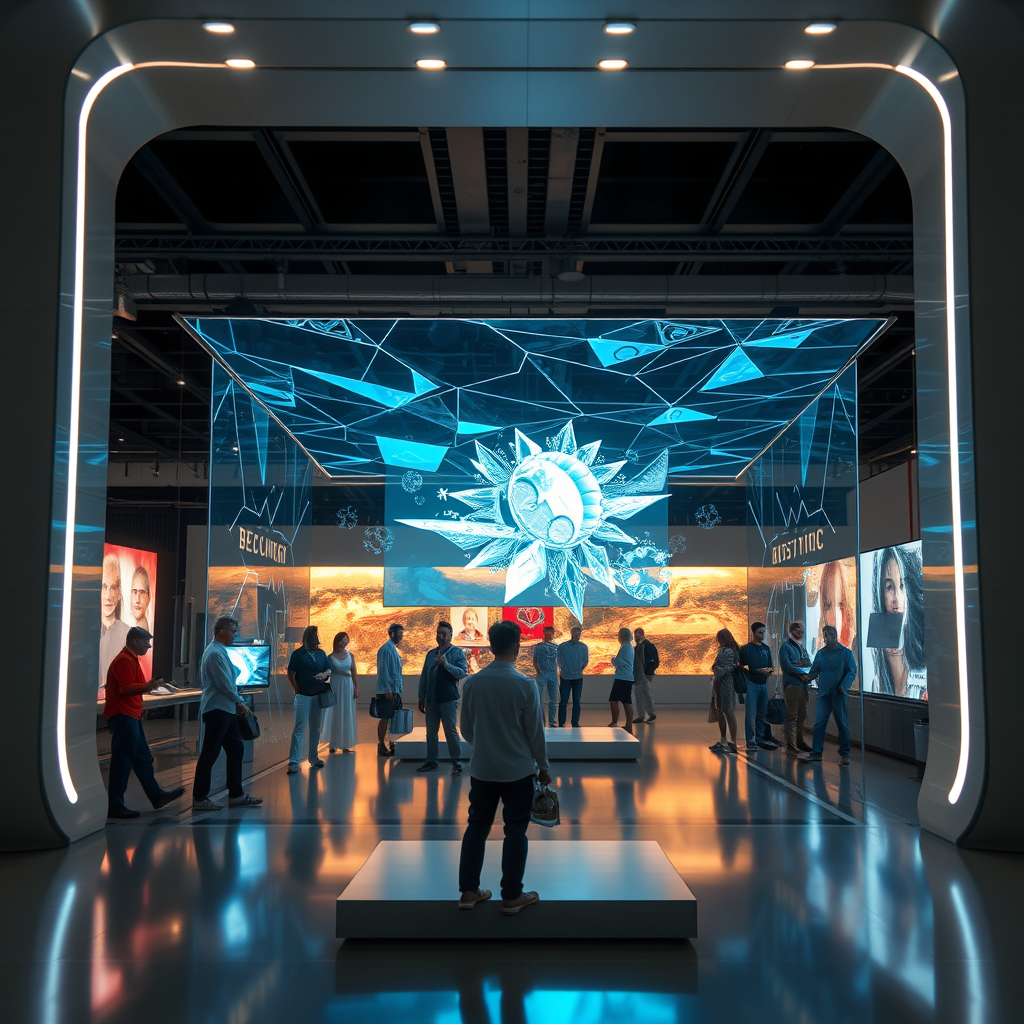
Holographic displays today leverage a variety of technologies, including light field displays, volumetric displays, and laser-based projections to create three-dimensional images that can be viewed from different angles. Companies like Microsoft with their HoloLens and Magic Leap are pioneering the integration of holographic technology into AR, allowing users to interact with digital objects that appear in their physical space. Meanwhile, VR platforms like Oculus and HTC Vive are experimenting with holographic elements to enhance the immersive experience.
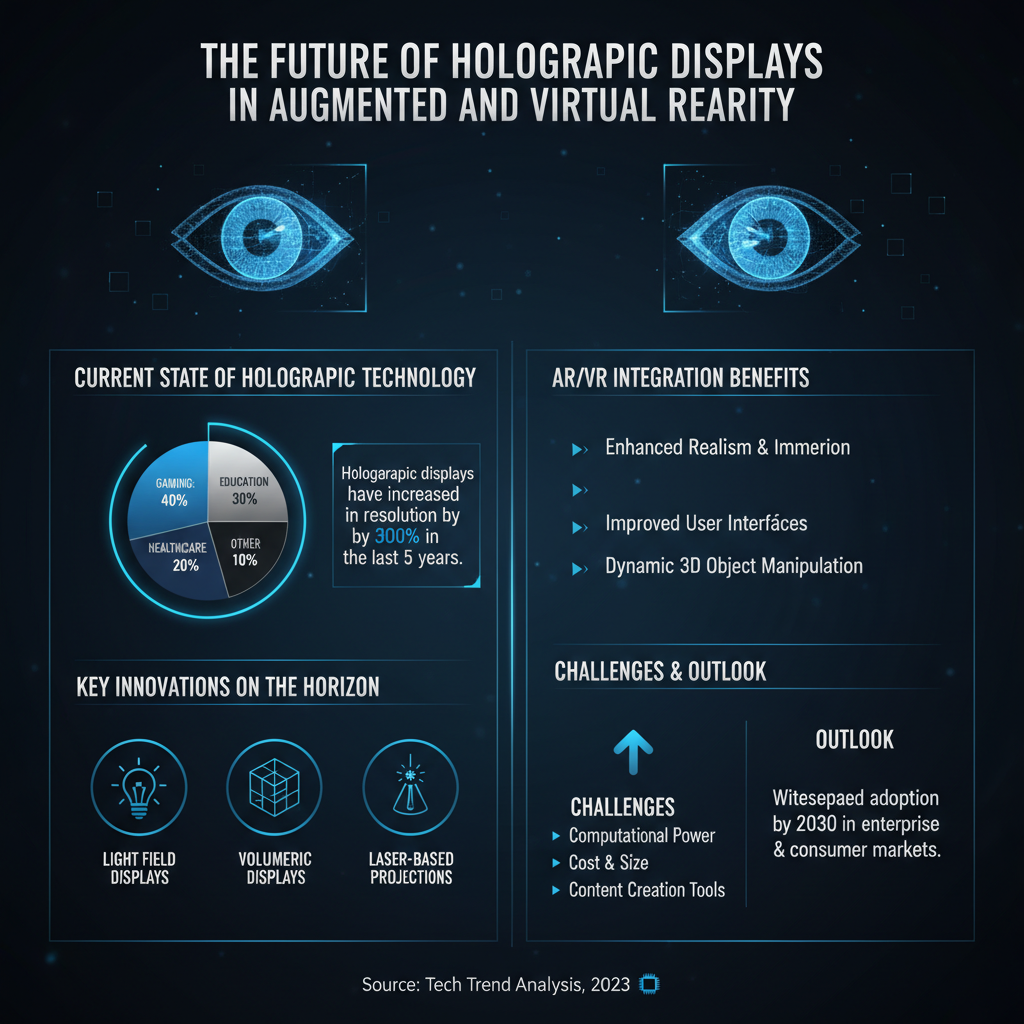
However, current systems face several limitations. The resolution and depth of existing holographic displays often fall short of providing truly life-like visuals, and issues such as latency and field of view can detract from the overall experience. Additionally, many users report discomfort during prolonged use, which can hinder adoption. Addressing these limitations is crucial for the technology to reach its full potential.
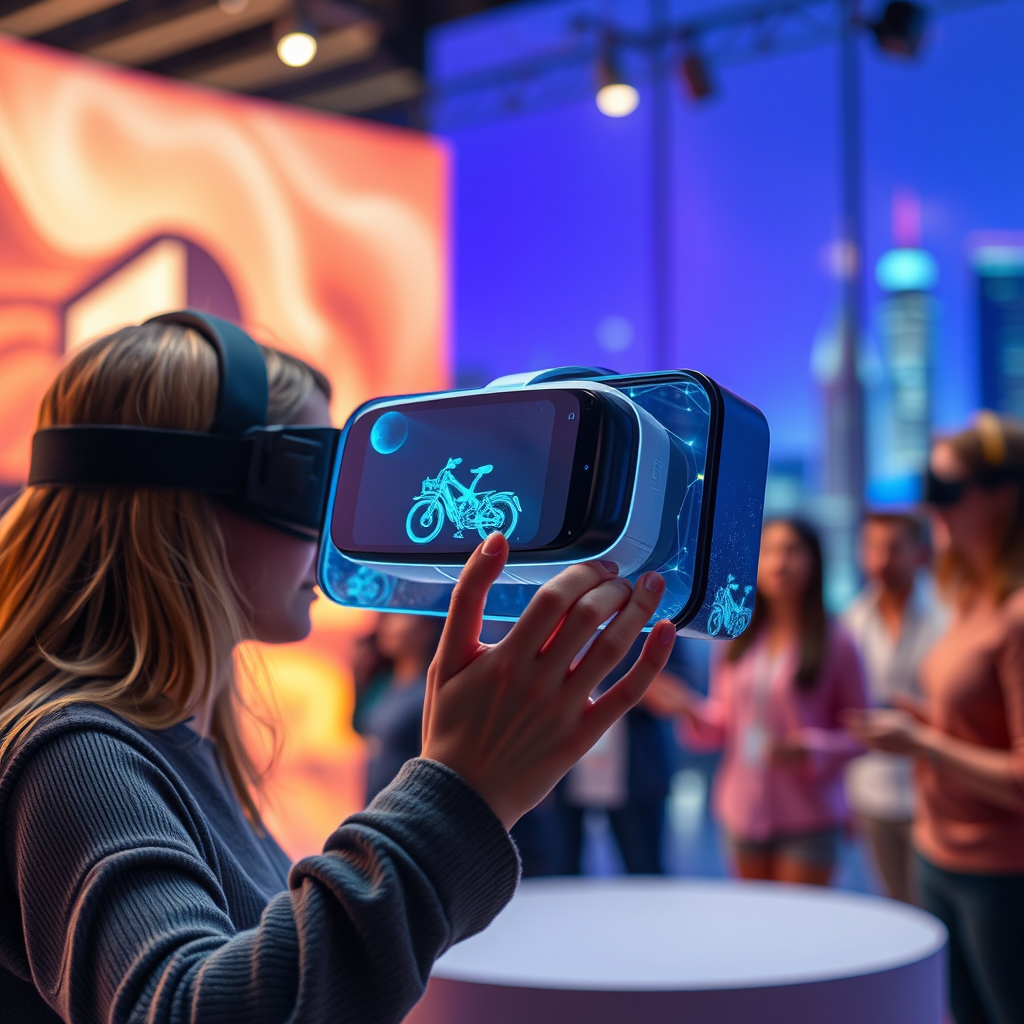
Key Innovations on the Horizon
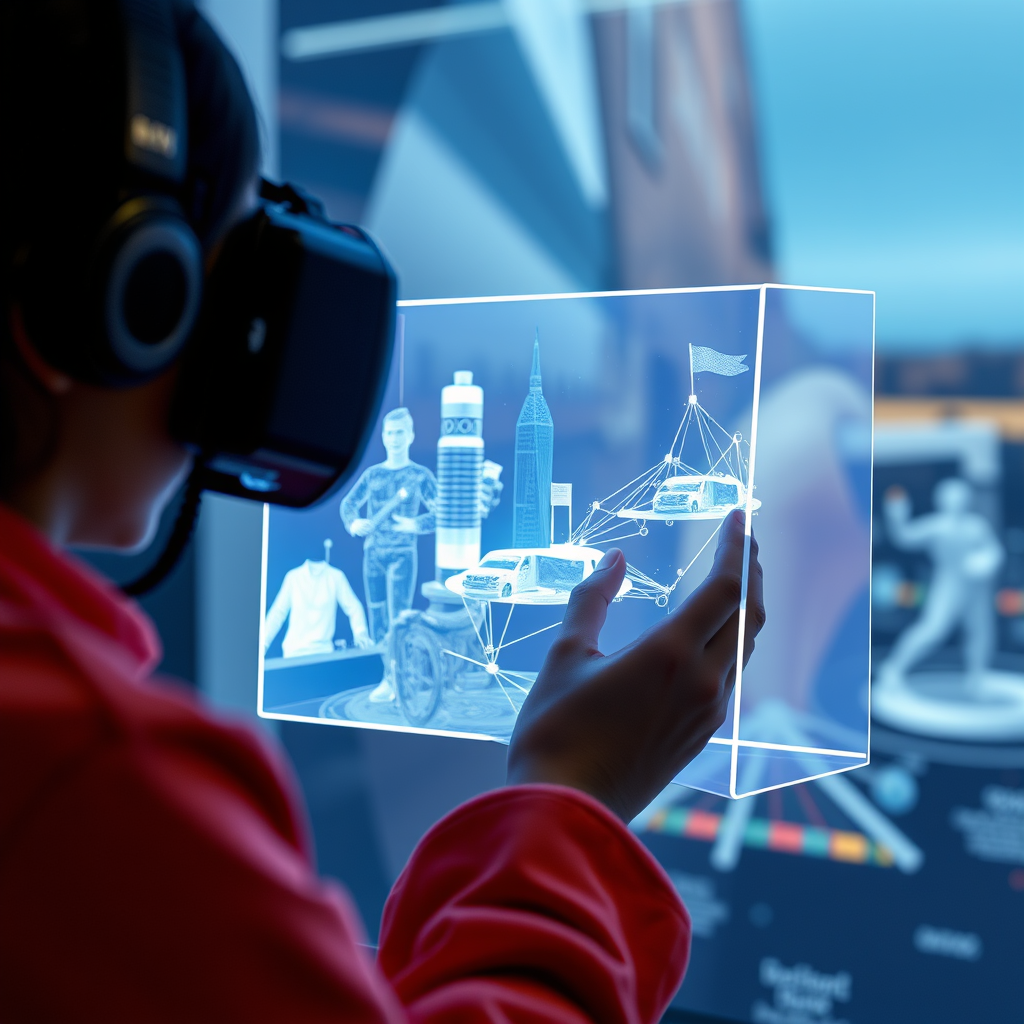
Exciting innovations are on the horizon that could revolutionize holographic displays. Researchers are exploring advanced materials like meta-materials that manipulate light in unprecedented ways, potentially leading to displays with enhanced clarity and depth. Techniques such as holographic waveguides, which can project light into the user’s eyes more efficiently, are also being developed.
For instance, a project at the University of Cambridge is investigating the use of programmable materials to create smart surfaces that can dynamically change their holographic output based on user interactions. This could pave the way for more adaptive and responsive holographic environments, making interactions feel more intuitive and engaging. As these innovations unfold, they promise to enhance the realism and functionality of holographic displays significantly.
Integration with AR and VR Platforms
The integration of holographic displays into AR and VR platforms is where the magic truly happens. Imagine a gaming experience where characters not only appear in your living room but also interact with your environment in real-time. Companies like Facebook (Meta) are investing heavily in creating social VR experiences that utilize holographic elements, allowing friends to meet in virtual spaces while feeling more connected through lifelike representations.
In education, institutions are beginning to utilize holograms for training medical professionals, allowing students to interact with 3D models of human anatomy as if they were right in front of them. This not only enhances learning but also prepares students for real-world applications. The potential for holographic displays to enhance user experiences in gaming, training, and education is vast and continues to grow as the technology matures.
User Experience and Interaction
One of the most compelling aspects of holographic displays is their ability to improve interactivity and engagement. Traditional 2D screens can often feel flat and disconnected from our reality; however, holograms can create a sense of presence that draws users in. For example, a study conducted by the University of Southern California found that users interacting with holographic displays reported significantly higher levels of engagement and satisfaction compared to traditional displays.
User feedback is crucial in shaping the development of these technologies. As companies like Apple and Google increasingly explore AR capabilities, early adopters are providing insights that help refine user interfaces and interactions. The result is a more immersive experience that not only entertains but also fosters deeper connections to the content being consumed.
Challenges and Considerations
Despite the potential of holographic displays, several technical and logistical hurdles must be overcome for widespread adoption. For one, creating high-quality holograms requires significant computational power and advanced hardware, which can drive up costs. As a result, affordability and accessibility remain significant concerns, particularly for educational institutions and small businesses that may want to leverage this technology.
Moreover, user adaptability is a consideration that developers must keep in mind. Transitioning from traditional screens to holographic displays may require users to adjust their expectations and interactions, which can be a barrier to entry for some. Ensuring that holographic technologies are user-friendly and intuitive is essential for encouraging adoption.
Future Market Trends
The market for holographic technology in AR and VR is poised for significant growth. According to industry forecasts, the global holographic display market is expected to reach several billion dollars by the mid-2020s, driven by increased consumer demand for immersive experiences and ongoing investment from tech giants. Companies like NVIDIA and Sony are already making strides in developing the necessary hardware to support these advancements, indicating a robust future for the industry.
As consumers become more accustomed to immersive experiences through AR and VR, the demand for high-quality holographic displays will likely increase. This, coupled with industry investment in research and development, will help shape a future where holographic technology is not just a novelty but an integral part of our daily lives.
The rapid evolution of holographic displays in AR and VR promises to create a more immersive and interactive digital environment. As we witness ongoing innovations and address the challenges at hand, it’s essential for consumers, developers, and businesses to stay informed about these advancements. Embracing this technology means being part of an exciting journey that will redefine how we connect with digital content and one another. The future is bright, and holographic displays are set to illuminate the path ahead.
Frequently Asked Questions
What are holographic displays and how do they work in AR & VR environments?
Holographic displays are advanced visual technologies that create three-dimensional images by manipulating light. In augmented reality (AR) and virtual reality (VR), these displays enhance user experiences by projecting realistic images that can be viewed from multiple angles, allowing for immersive interactions. By using techniques such as interference and diffraction, they create the illusion of depth, making digital content blend seamlessly with the real world or envelop users in a virtual environment.
How will holographic displays impact gaming and entertainment in the future?
Holographic displays are set to revolutionize the gaming and entertainment industries by providing more immersive and interactive experiences. As these technologies advance, they will allow players to engage with 3D game environments and characters in real-time, enhancing storytelling and gameplay. This shift will likely lead to the development of new genres of games that leverage holographic visuals, making entertainment more captivating and engaging than ever before.
Why are holographic displays considered a game changer for remote collaboration and communication?
Holographic displays enhance remote collaboration by allowing users to interact with 3D models and virtual environments as if they were physically present together. This technology facilitates better understanding and communication, particularly in fields like architecture, engineering, and medical training, where visualizing complex structures is crucial. By bridging the gap between digital and physical spaces, holographic displays can improve teamwork and reduce misunderstandings in remote work settings.
What are the current limitations of holographic displays in AR & VR?
Currently, the limitations of holographic displays include high costs, limited resolution, and the need for specialized hardware. Many existing holographic systems require expensive equipment, making them less accessible for widespread use. Additionally, achieving high-quality visuals that are comparable to traditional displays remains a challenge, as many holographic technologies struggle with brightness and viewing angles, impacting their effectiveness in various applications.
Which companies are leading the development of holographic display technology in AR & VR?
Several companies are at the forefront of holographic display technology, including Microsoft with its HoloLens, Magic Leap with its Magic Leap One, and companies like VividQ and Looking Glass Factory. These organizations are innovating in areas such as light field technology and volumetric displays, pushing the boundaries of how holograms can be integrated into AR and VR experiences. As competition grows, we can expect exciting advancements that will shape the future of immersive technology.
References
- Holography
- https://www.sciencedirect.com/science/article/pii/S0360835219302106
- https://www.nature.com/articles/s41598-021-98908-9
- https://www.reuters.com/technology/what-holographic-technology-can-do-future-2021-03-23/
- https://www.bbc.com/future/article/20200204-holograms-what-are-they-and-how-do-they-work
- https://www.theverge.com/2021/6/2/22465468/holographic-displays-ar-vr-technology-future
- https://www.techrepublic.com/article/the-future-of-holographic-displays-in-ar-and-vr/
- https://www.frontiersin.org/articles/10.3389/fcomp.2020.00045/full
