

360-degree videos play a crucial role in crafting immersive experiences by providing viewers with a sense of presence and engagement that traditional media cannot match. These videos transport audiences into the heart of the action, creating a multisensory environment that enhances storytelling and user interaction. From the entertainment industry to educational settings and innovative marketing strategies, 360-degree videos are revolutionizing how we connect with content and engage with the world around us.
The Power of Immersion

Immersion is the magic ingredient that transforms passive watching into active participation. With 360-degree videos, viewers are no longer confined to a fixed perspective; instead, they can navigate a virtual environment, looking around and experiencing the scene as if they were actually there. This level of immersion fosters a deeper emotional connection, enabling audiences to relate to characters and events on a more personal level. For instance, a documentary about wildlife filmed in 360 degrees allows viewers to feel as if they are in the middle of the action, standing beside elephants in the savannah or swimming with dolphins in the ocean.
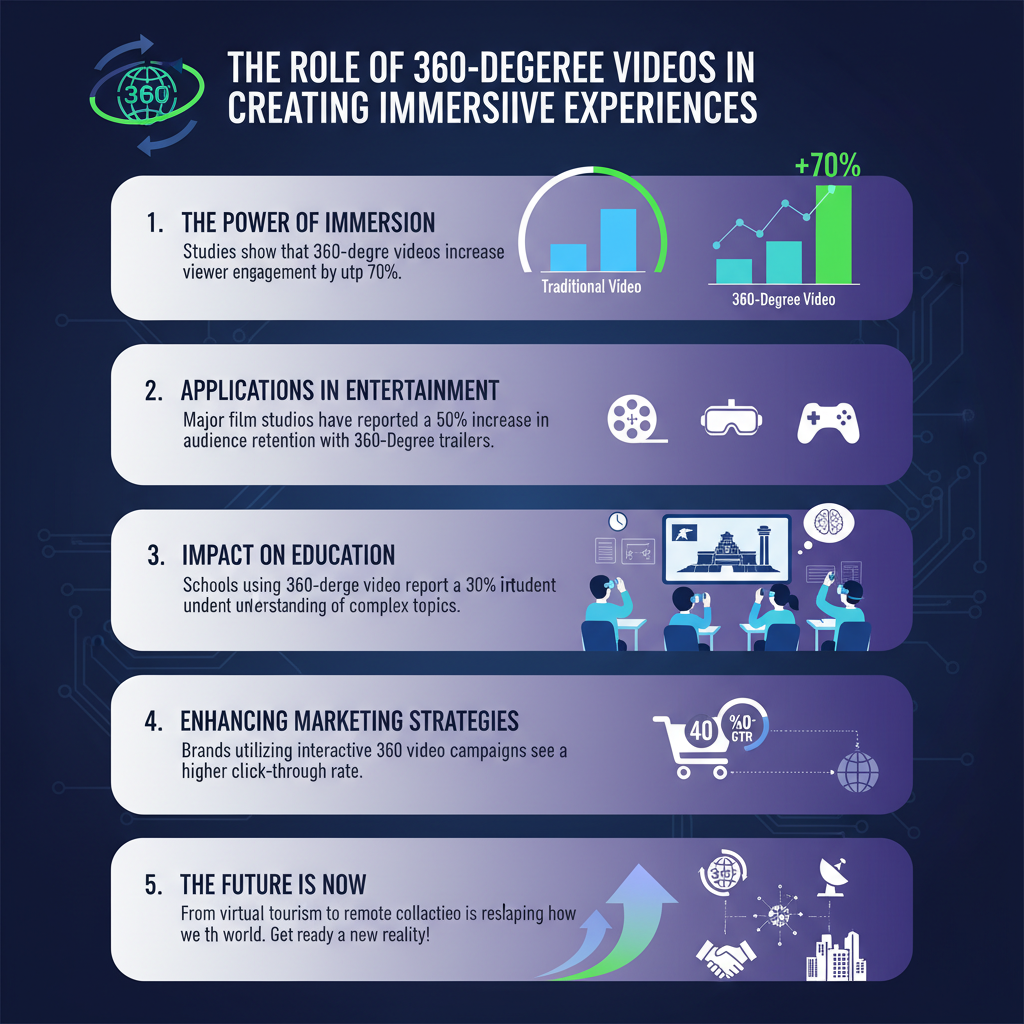
The psychological benefits of this immersive experience are significant. Research has shown that when people feel present in a virtual environment, they are more likely to retain information and develop empathy. This is particularly valuable in educational settings, where complex topics can be better understood through immersive experiences. By allowing viewers to explore and interact with content, 360-degree videos create an engaging atmosphere that makes learning and retention far more effective than traditional methods.
Applications in Entertainment
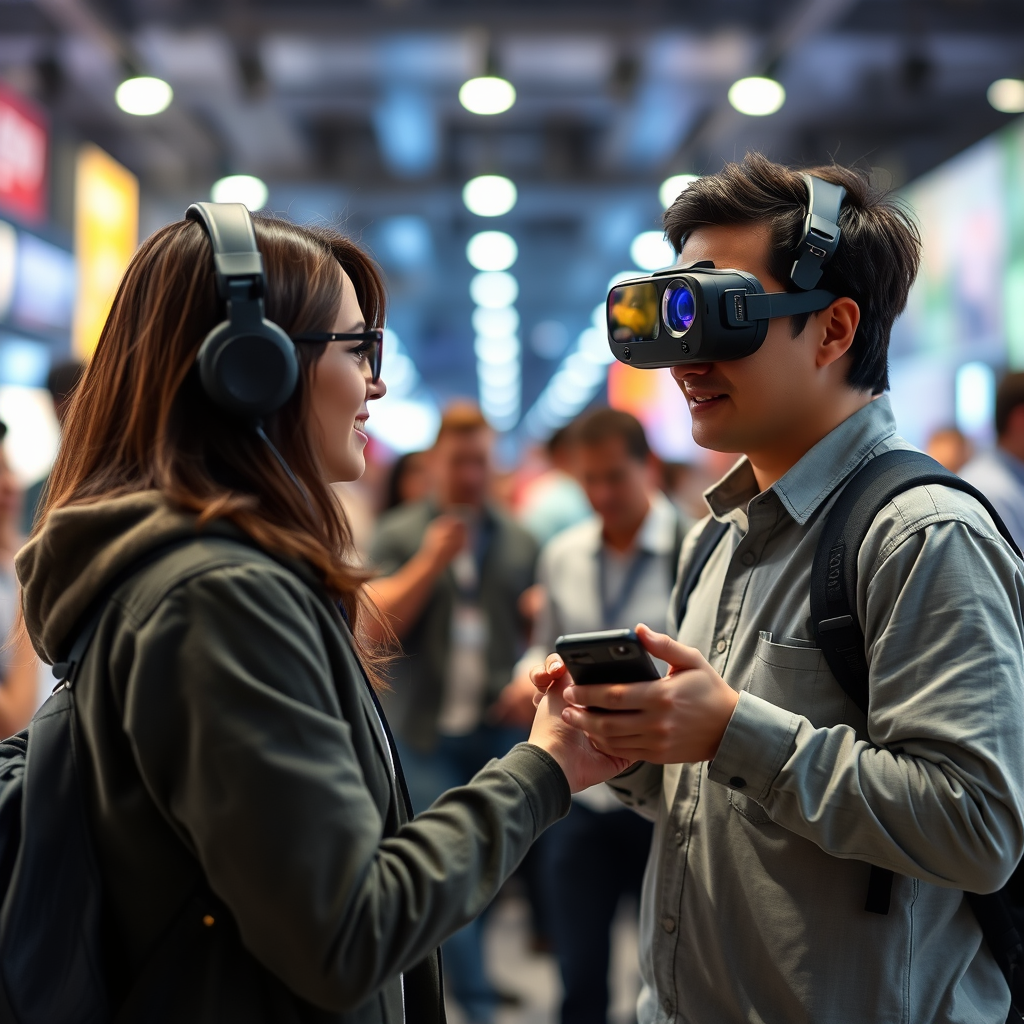
In the realm of entertainment, 360-degree videos are reshaping how stories are told and experienced. Filmmakers are embracing this technology to create dynamic narratives that invite viewers to explore scenes from multiple angles, enhancing the storytelling process. For example, a horror film shot in 360 degrees allows audiences to choose where to look, increasing the suspense and engagement as they become active participants in the unfolding drama.
Gaming is another area where 360-degree video technology has made a significant impact. Virtual reality (VR) games rely heavily on this format to create immersive worlds that feel tangible and real. Players can move through these environments, interact with characters, and even manipulate objects, resulting in a gaming experience that is both thrilling and deeply engaging. Titles like “Beat Saber” and “Half-Life: Alyx” showcase the potential of 360-degree videos in gaming, drawing players into a universe where they can truly lose themselves.
Impact on Education
Educational institutions are beginning to recognize the immense potential of 360-degree videos to enhance learning experiences. By integrating immersive videos into their curricula, teachers can offer students experiential learning opportunities that traditional methods simply cannot provide. Imagine a history class where students can virtually visit ancient Rome, walking through the Colosseum or the Forum, all while learning about its rich history.
Field trips have taken on a whole new meaning with 360-degree videos, allowing students to explore inaccessible locations worldwide. For instance, a science class learning about the ocean can take a virtual dive into the Great Barrier Reef, experiencing marine life firsthand without ever leaving the classroom. This approach not only makes learning more effective but also caters to different learning styles, as visual and kinesthetic learners benefit significantly from immersive experiences.
Enhancing Marketing Strategies
Brands are also leveraging 360-degree videos to innovate their marketing strategies. By offering virtual tours and product showcases, companies can engage potential customers in a novel and interactive way. For example, real estate agencies use 360-degree videos to provide virtual walkthroughs of properties, allowing potential buyers to explore homes from the comfort of their own living rooms. This not only enhances the customer experience but can also lead to higher conversion rates as clients feel more connected to the properties.
Furthermore, brands can showcase products in unique environments, enabling customers to envision how they would use these products in real life. A furniture company might create a 360-degree video that places their products in a beautifully designed living space, allowing consumers to visualize how the items would fit into their homes. This format fosters a deeper connection between the brand and its audience, increasing engagement and driving sales.
The Future of 360-Degree Videos
The future of 360-degree videos looks promising, with advancements in technology poised to enhance the quality and accessibility of this captivating content. As cameras become more advanced and user-friendly, more creators will have the opportunity to experiment with 360-degree video, leading to a broader range of applications. Emerging trends suggest a growing integration of artificial intelligence and interactive features. Imagine a 360-degree video that adapts to your interests, offering personalized experiences based on your preferences. This level of customization could take immersion to new heights, making every viewing experience unique and tailored to the individual.
As 5G technology rolls out globally, streaming high-quality 360-degree videos will become faster and more reliable, opening the door for more people to enjoy this immersive content. As virtual reality becomes increasingly mainstream, we can expect 360-degree videos to play a central role in transforming entertainment, education, and marketing even further.
Challenges and Considerations
Despite the immense potential of 360-degree videos, there are challenges and considerations that creators must navigate. Producing high-quality 360-degree content requires significant resources, including advanced equipment and skilled personnel in production and editing. This can be a barrier for smaller companies or independent creators who wish to tap into this innovative medium.
Additionally, not all viewers have access to the necessary technology to experience 360-degree videos fully. While many smartphones and computers can support basic 360-degree content, the best experiences often require specialized headsets. This limitation can restrict the audience reach, making it essential for creators and marketers to balance their investments in 360-degree video with accessibility considerations.
The use of 360-degree videos is transforming how we experience content across various fields. By allowing for greater immersion and interactivity, these videos not only captivate audiences but also enhance learning and marketing efforts. As technology continues to evolve, the possibilities for 360-degree videos are limitless. Whether you’re an educator, a marketer, or a content creator, consider how this innovative medium can be applied in your own projects or industries. Embrace the future of immersive experiences, and watch as your audience becomes more engaged and connected than ever before!
Frequently Asked Questions
What are 360-degree videos and how do they enhance immersive experiences?
360-degree videos are immersive video formats that allow viewers to explore a scene in all directions, providing a more engaging experience compared to traditional videos. By using special cameras that capture a full panoramic view, these videos allow users to feel as if they are physically present in the environment. This enhanced immersion is particularly effective in fields like virtual reality, tourism, and education, where participants can interact with their surroundings in a more natural way.
How can businesses effectively utilize 360-degree videos for marketing?
Businesses can leverage 360-degree videos in marketing by creating virtual tours of their facilities, showcasing products in real-world environments, or providing immersive storytelling experiences. This format can significantly boost customer engagement by allowing potential clients to explore a brand’s offerings interactively. Platforms like Facebook and YouTube support 360-degree video, making it easy for brands to reach a wider audience and enhance their online presence through innovative content.
Why should educators consider incorporating 360-degree videos into their teaching methods?
Educators can greatly benefit from incorporating 360-degree videos into their teaching methods as these videos promote active learning and student engagement. By immersing students in a virtual environment, educators can provide experiences that might be difficult to replicate in a traditional classroom, such as virtual field trips or historical reenactments. This approach caters to various learning styles and can enhance comprehension by making complex subjects more tangible and relatable.
What are the best practices for creating effective 360-degree videos?
To create effective 360-degree videos, it’s essential to focus on high-quality production values, including clear audio and well-planned visuals. Use a stable camera setup to avoid disorientation, and ensure that the content is engaging by incorporating interactive elements or storytelling techniques. Additionally, optimizing the video for different platforms and devices can enhance the viewing experience, allowing users to access the content seamlessly whether on a VR headset or a mobile screen.
Which industries are currently benefiting the most from 360-degree video technology?
Several industries are reaping the benefits of 360-degree video technology, with notable examples being real estate, travel, education, and entertainment. In real estate, virtual property tours allow potential buyers to explore homes remotely, while the travel industry uses immersive videos to entice customers by showcasing destinations. Education leverages this technology for virtual field trips, and the entertainment sector utilizes 360-degree videos for enhanced viewer engagement in films and gaming. As technology continues to evolve, more industries are likely to adopt this innovative approach.
References
- 360-degree video
- https://www.sciencedirect.com/science/article/pii/S0360132317301928
- https://www.npr.org/sections/alltechconsidered/2016/12/12/505055562/360-degree-video-is-the-next-best-thing-to-being-there
- Frontiers | Testing the Effects of 3D Multiple Object Tracking Training on Near, Mid and Far Tran…
- https://www.theguardian.com/technology/2016/nov/29/360-degree-video-virtual-reality-youtube
- https://www.researchgate.net/publication/324091302_Immersive_Video_Experiences_The_Effect_of_360-Degree_Video_on_Engagement_and_Memory
- https://www.immersivelearning.news/2021/01/14/the-role-of-360-degree-video-in-immersive-learning/
- https://www.ncbi.nlm.nih.gov/pmc/articles/PMC7428837/
- https://www.bbc.com/future/article/20200213-how-360-degree-video-is-changing-the-way-we-see-the-world