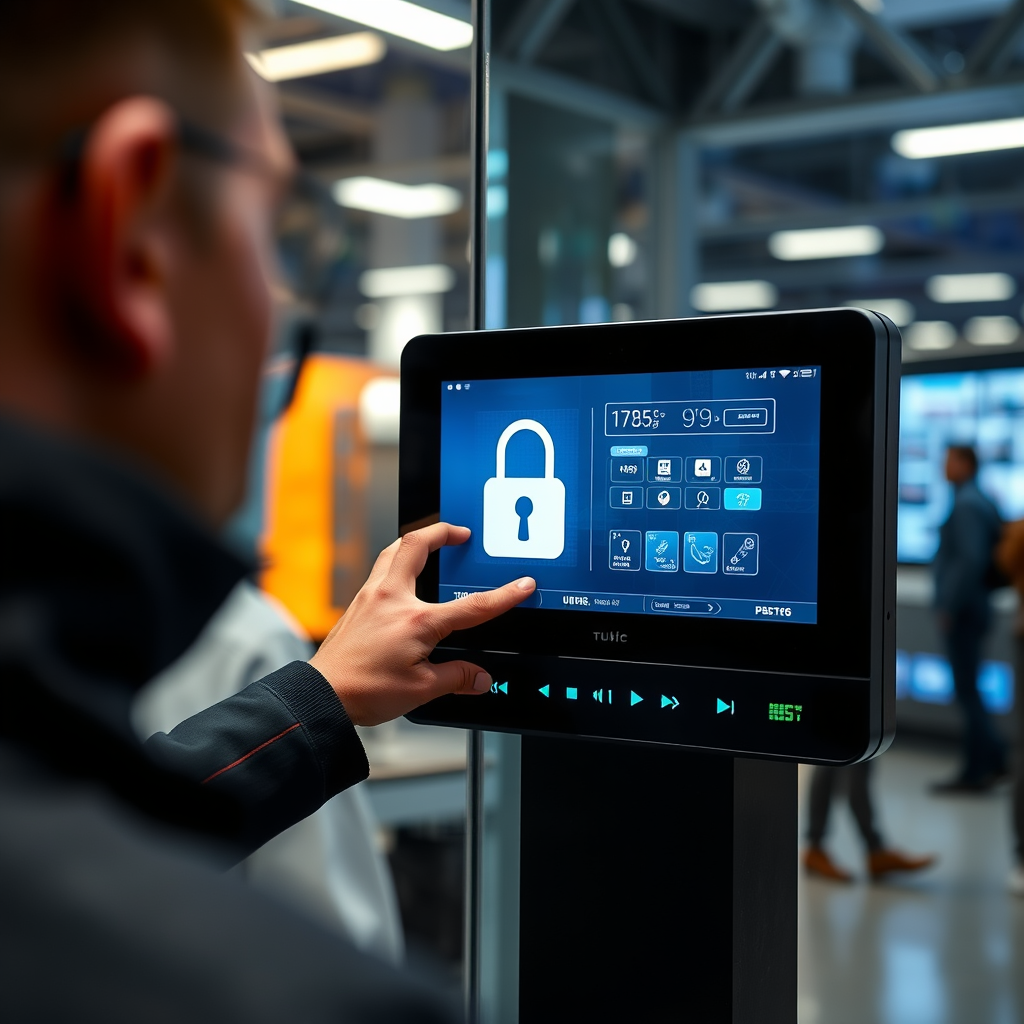
Biometric displays operate by recognizing unique physical characteristics, such as fingerprints or facial features, to authenticate users. This advanced technology enhances security by ensuring that only authorized individuals can access devices or systems. In this article, you’ll learn how biometric displays function, their various types, and the significant security benefits they offer, making it clear why they are becoming increasingly popular in our digital age.




Understanding Biometric Displays
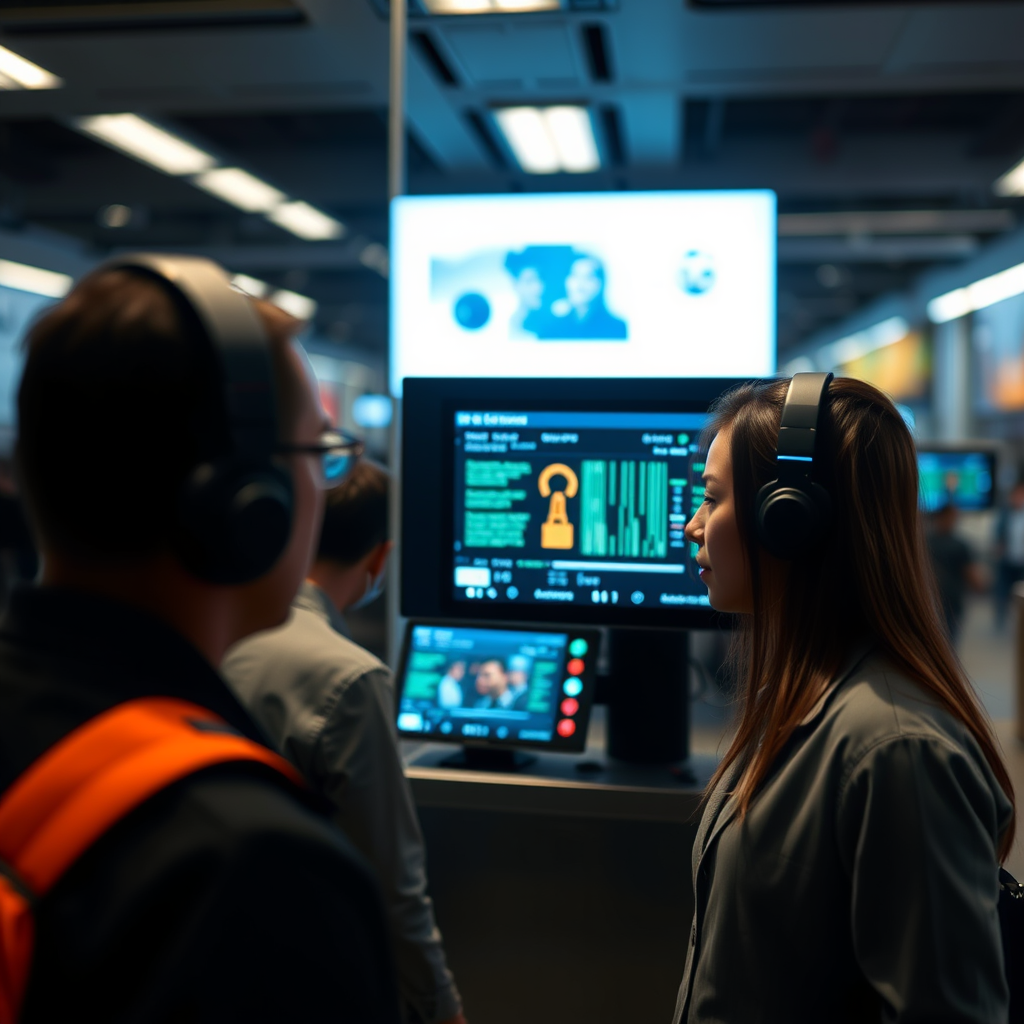
Biometric displays are fascinating pieces of technology that utilize specialized sensors to capture and analyze unique biological traits. These traits serve as a reliable means of identification, making them a cornerstone of modern security systems. Common types of biometric displays include fingerprint scanners, which have become ubiquitous in smartphones and laptops, facial recognition systems that can unlock devices with a simple glance, and iris scanners that offer even more precision by analyzing the unique patterns in the colored part of the eye. Each of these technologies provides a different approach to authentication, but they all share the same goal: to offer a secure and convenient way to verify identity.
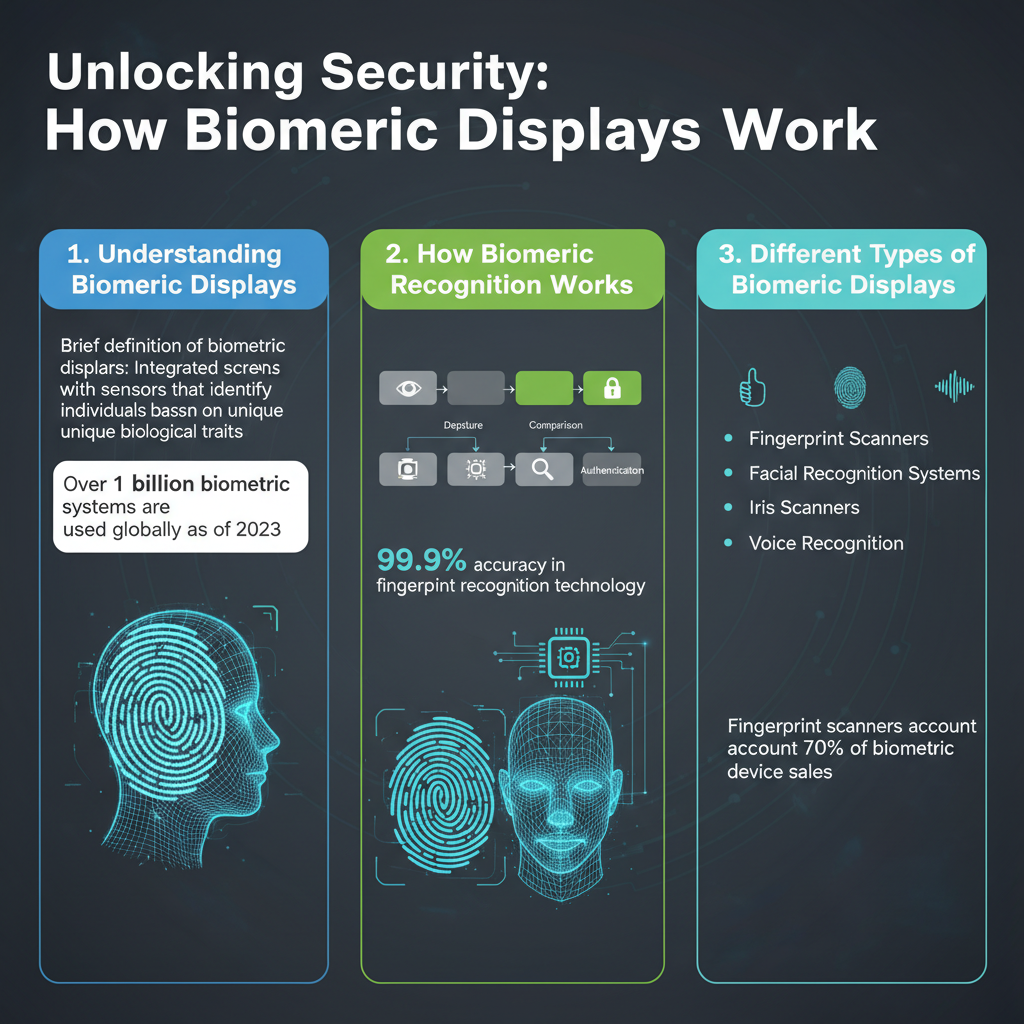
How Biometric Recognition Works
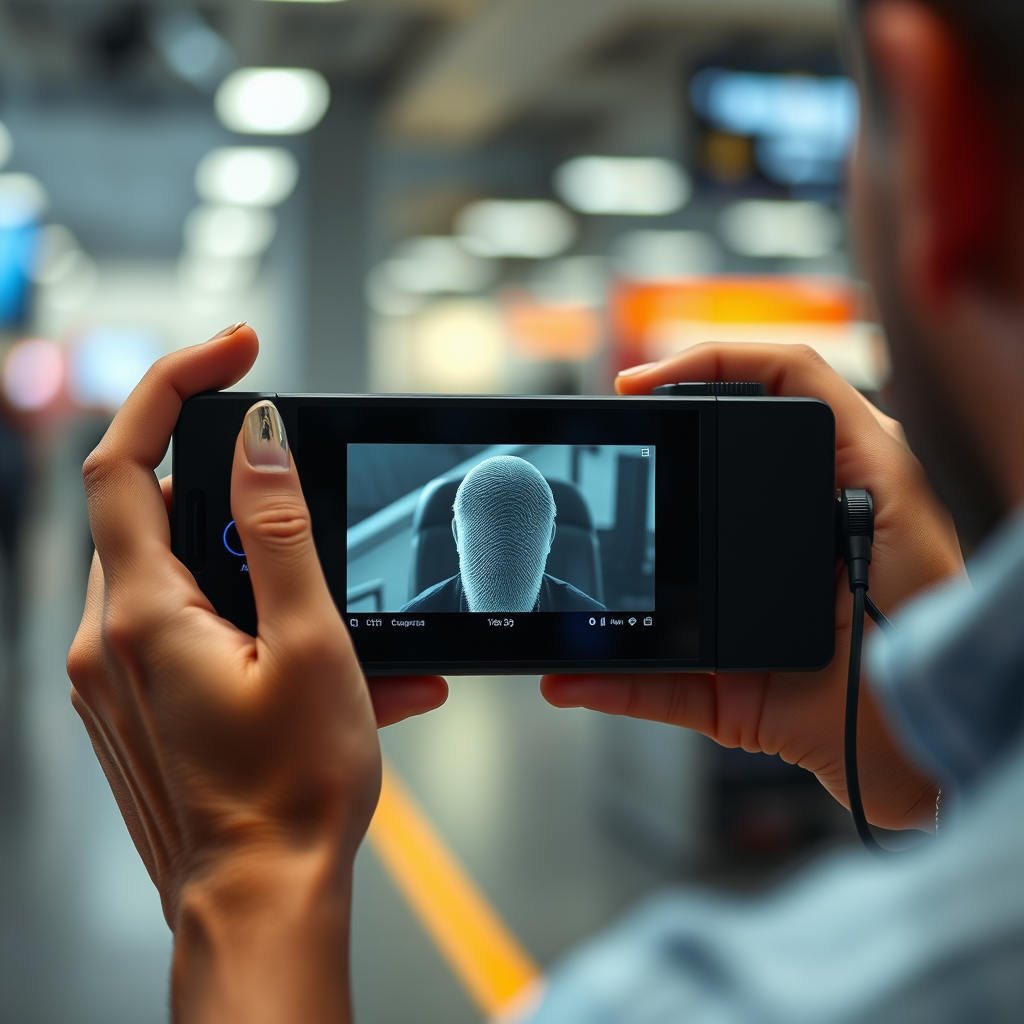
The process of biometric recognition is both intricate and fascinating, beginning with data collection. When a user attempts to authenticate their identity, the biometric trait — be it a fingerprint, facial feature, or iris pattern — is captured by a specialized sensor. This raw data is then converted into a digital template, which acts as a unique identifier for that individual. During subsequent authentication attempts, this template is compared against the stored versions to determine if there’s a match. This process occurs in milliseconds, allowing for a seamless user experience while maintaining a high level of security.
For instance, when you unlock your smartphone using your fingerprint, the device captures your fingerprint and converts it into a digital template. This template is stored securely on your device and is used every time you attempt to access it. If the fingerprint you present matches the stored template, the phone unlocks; if not, access is denied. This efficiency and speed are part of what makes biometric displays so appealing.
Different Types of Biometric Displays
There are several types of biometric displays, each with its own unique advantages and applications.
– Fingerprint Scanners: These are perhaps the most common biometric authentication tools, found in mobile devices, laptops, and security systems. They work by scanning the unique patterns of ridges and valleys on a person’s fingertip. Some advanced versions even utilize ultrasonic technology to improve accuracy and working conditions.
– Facial Recognition: This technology has gained immense popularity, especially in smartphones and security cameras. It works by analyzing the unique features of an individual’s face, such as the distance between the eyes, the shape of the jawline, and other distinct characteristics. For example, Apple’s Face ID uses advanced infrared technology to ensure that it can recognize a face even in low light or if the user is wearing glasses.
– Iris Scanners: Though less common than the previous two, iris scanners offer a high level of security. They analyze the unique patterns in the colored part of the eye. This technology is often used in high-security environments, such as government facilities or border control, due to its accuracy.
Each type of biometric display offers different levels of security and convenience, which can be tailored to meet specific needs.
The Security Benefits of Biometric Displays
One of the most compelling reasons to adopt biometric displays is their enhanced protection. Biometric traits are inherently unique to individuals, making them incredibly difficult to replicate or forge. Unlike passwords or PINs, which can be shared or stolen, biometric data is tied directly to a person’s physical presence, creating a robust barrier against unauthorized access.
Additionally, the use of biometric displays significantly reduces the risk of unauthorized access. With traditional security methods, such as passwords and access cards, there is always the potential for theft or sharing. However, biometric authentication ensures that only registered users can gain entry, making it much more challenging for intruders to breach security systems. For example, many banking apps now require fingerprint or facial recognition for transactions, adding an extra layer of security to protect sensitive financial information.
Challenges and Limitations
Despite their numerous advantages, biometric displays are not without challenges and limitations. One significant concern is the potential for false positives and negatives. Misidentification can occur, which may prevent legitimate users from accessing their devices or systems. This can be particularly problematic in high-stakes environments where access is crucial, such as hospitals or emergency services.
Moreover, privacy concerns surrounding the collection and storage of biometric data raise ethical questions. Individuals may feel uncomfortable with their biological traits being recorded and stored, especially if that data is not adequately protected. Data breaches involving biometric information can lead to severe consequences, as these traits cannot be changed like a password. Consequently, organizations must ensure robust security measures are in place to protect this sensitive information.
Future Trends in Biometric Technology
As technology continues to evolve, so too does the field of biometrics. One of the most promising trends is the advancement of artificial intelligence (AI) to improve the accuracy and speed of biometric recognition. AI can analyze vast amounts of data and learn from variations in biometric traits, leading to improved performance and reduced error rates. For instance, AI-driven facial recognition systems can adapt to changes in a person’s appearance, such as aging or changes in hairstyle, enhancing their reliability.
Another trend is the integration of biometric technology with other security measures. Combining biometrics with traditional methods, such as passwords or security tokens, creates a layered security approach. This multi-factor authentication (MFA) enhances security by requiring users to provide multiple forms of verification, making it much harder for unauthorized users to gain access.
The future of biometric displays looks promising, with ongoing innovations poised to enhance user experience while maintaining high levels of security.
The integration of biometric displays into security systems presents a robust solution for safeguarding sensitive information. With their unique ability to authenticate users based on physical traits, they significantly reduce the risk of unauthorized access. As technology advances, the reliability and effectiveness of biometric systems will continue to grow, making them a critical component in modern security strategies. Consider exploring biometric options for your personal or organizational security needs; the benefits far outweigh the challenges, paving the way for a safer, more secure future.
Frequently Asked Questions
What are biometric displays and how do they work?
Biometric displays are advanced screen technologies that integrate biometric sensors, such as fingerprint readers or facial recognition, directly into the display itself. These systems work by capturing unique biological traits when a user interacts with the screen, analyzing them using algorithms to authenticate identity. This seamless integration enhances user experience while providing an added layer of security for devices.
Why are biometric displays considered more secure than traditional security methods?
Biometric displays are deemed more secure due to their reliance on unique physical characteristics that are difficult to replicate, unlike passwords or PINs, which can be forgotten or stolen. By using features like fingerprints or facial recognition, they provide a higher level of assurance that the user is indeed who they claim to be. Additionally, biometric data is often stored in a secure enclave within the device, making it less vulnerable to external breaches.
How do biometric displays enhance user experience on smartphones and tablets?
Biometric displays enhance user experience by enabling quick and convenient access to devices without the need to remember complex passwords or patterns. Users can unlock their smartphones or tablets with a simple touch or glance, making the process faster and more intuitive. This efficiency not only saves time but also encourages user engagement by simplifying interactions with technology.
What are the best practices for ensuring security when using biometric displays?
To ensure security when using biometric displays, it’s essential to enable additional security measures such as two-factor authentication, which combines biometric verification with something the user knows (like a password). Regularly updating software and firmware is also crucial, as these updates often include security patches that protect against emerging threats. Lastly, users should be cautious about where and how they register their biometric data, ensuring it is done through trusted devices and applications.
Which devices currently utilize biometric display technology, and what features do they offer?
Many modern smartphones, tablets, and laptops utilize biometric display technology, including flagship models from brands like Apple, Samsung, and Google. These devices often feature integrated fingerprint sensors in the screen, facial recognition capabilities, and advanced security software that protects biometric data. This technology not only enhances security but also streamlines functions such as mobile payments and secure app access, making it a popular choice among consumers looking for convenience and safety.
References
- Biometrics
- https://www.ncbi.nlm.nih.gov/pmc/articles/PMC5638042/
- https://www.nist.gov/news-events/news/2019/11/biometric-technology-and-its-security-benefits
- https://www.sciencedirect.com/science/article/pii/S1877050919300594
- https://www.bbc.com/future/article/20200221-how-your-face-became-the-password-of-choice
- https://www.gao.gov/assets/690/688052.pdf
- https://www.itu.int/en/ITU-T/studygroups/2013-2016/17/Documents/2016/biometric_authentication.pdf
- https://www.techrepublic.com/article/how-biometrics-are-redefining-security-in-the-digital-age/




One thought on “How Biometric Displays Work and Their Security Advantages”