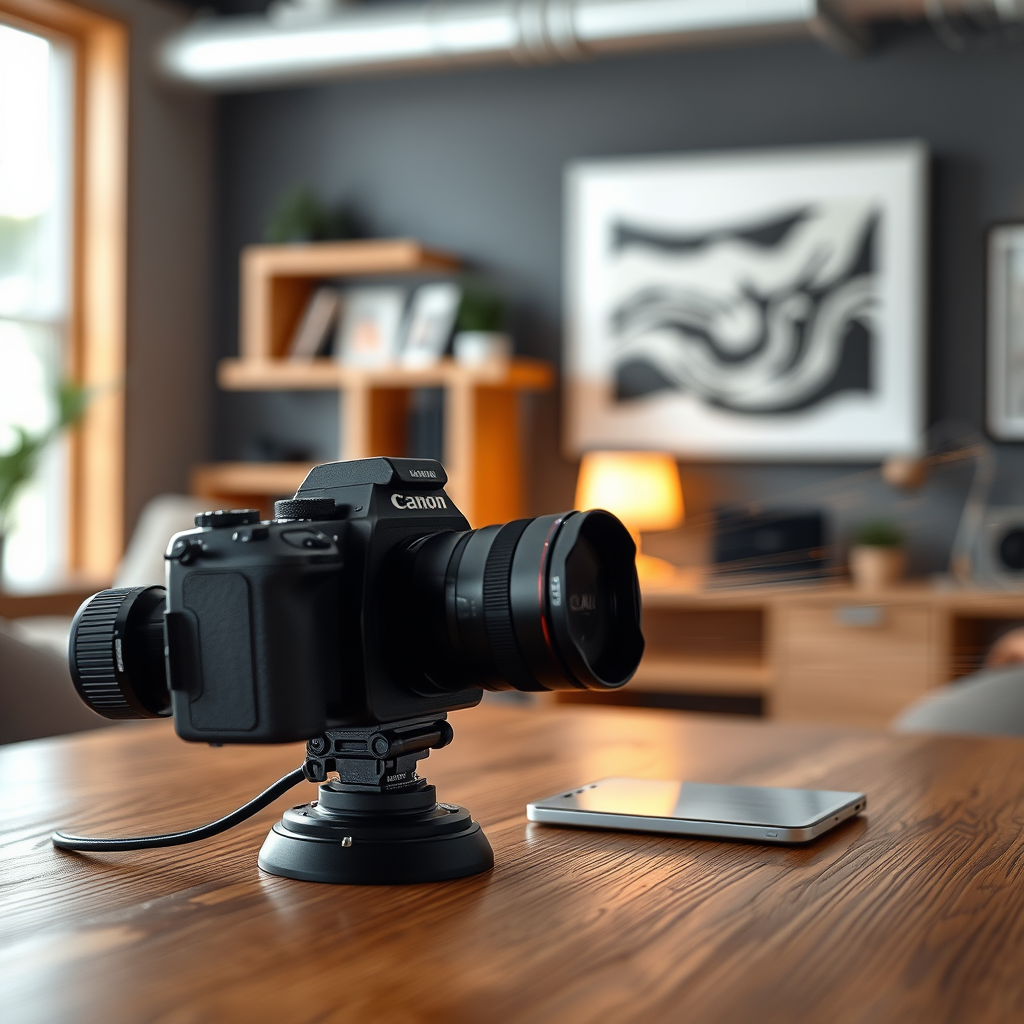

High-speed cameras enable us to see fleeting moments in stunning slow motion, revealing details that our eyes typically miss. These remarkable devices capture images at incredibly fast frame rates, allowing us to analyze and appreciate rapid events in a whole new way. In this article, we’ll dive into the technology behind high-speed cameras, how they operate, and the diverse applications they serve across various fields.
Understanding High-Speed Photography
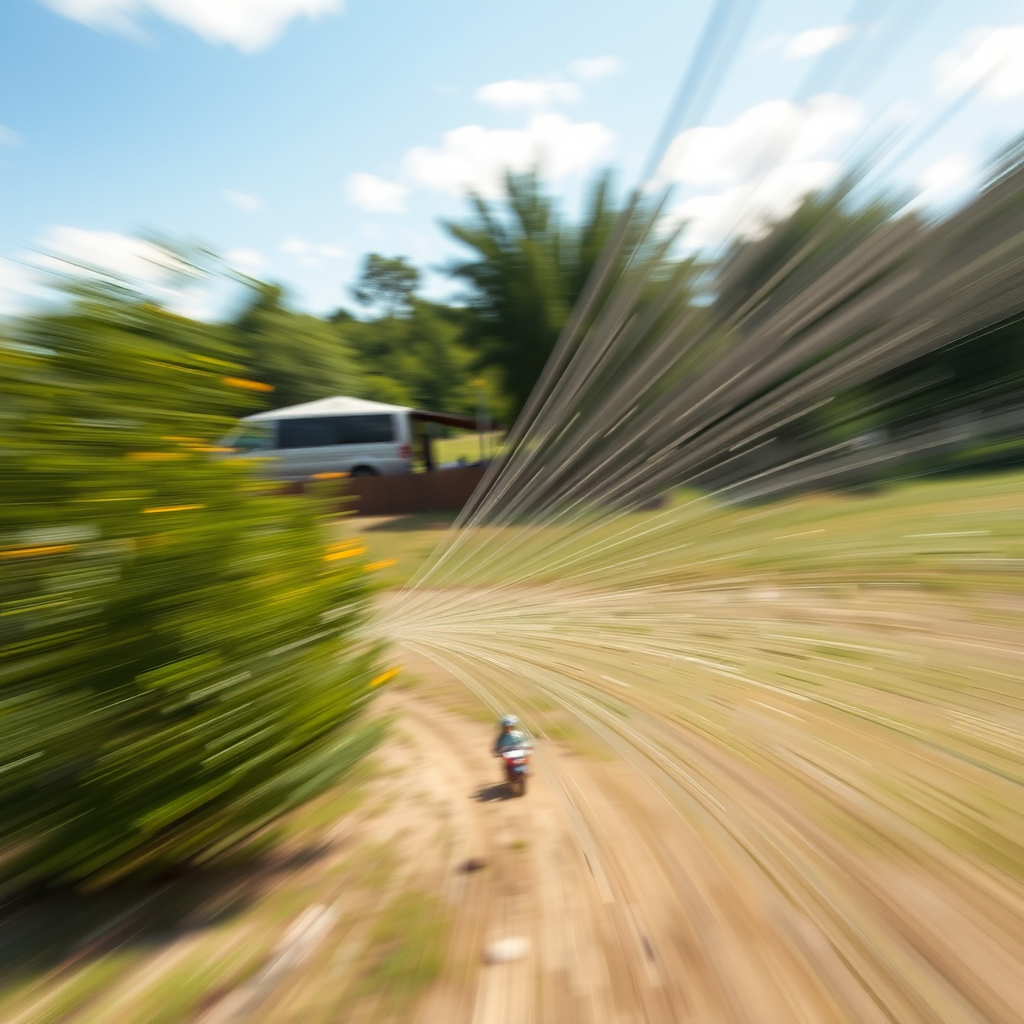
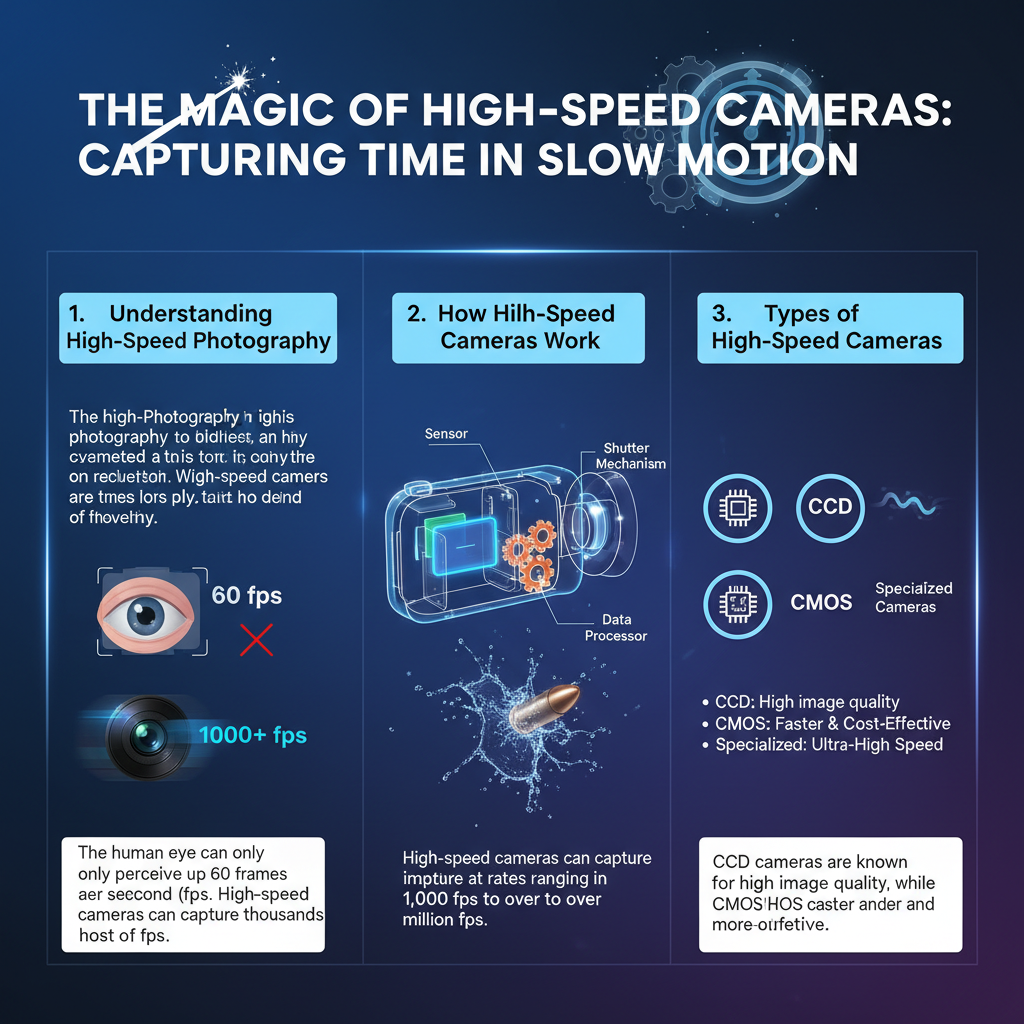
High-speed photography is the art and science of capturing fast-moving subjects in still images or slow-motion video. This technique is significant because it allows us to study phenomena that occur too quickly for the human eye to perceive, such as the snap of a whip, the flutter of a hummingbird’s wings, or the impact of a golf ball striking a club. Unlike standard cameras, which typically operate at frame rates of 30 to 60 frames per second (fps), high-speed cameras can capture thousands or even millions of frames per second, providing a detailed look at events that last only fractions of a second.
The key difference between standard and high-speed cameras lies in their technology. Standard cameras are designed for everyday photography and videography, prioritizing ease of use and versatility. In contrast, high-speed cameras are equipped with specialized sensors and mechanisms that enable them to capture rapid motion with precision. This advanced technology makes high-speed photography an invaluable tool in many fields, from scientific research to entertainment.
How High-Speed Cameras Work
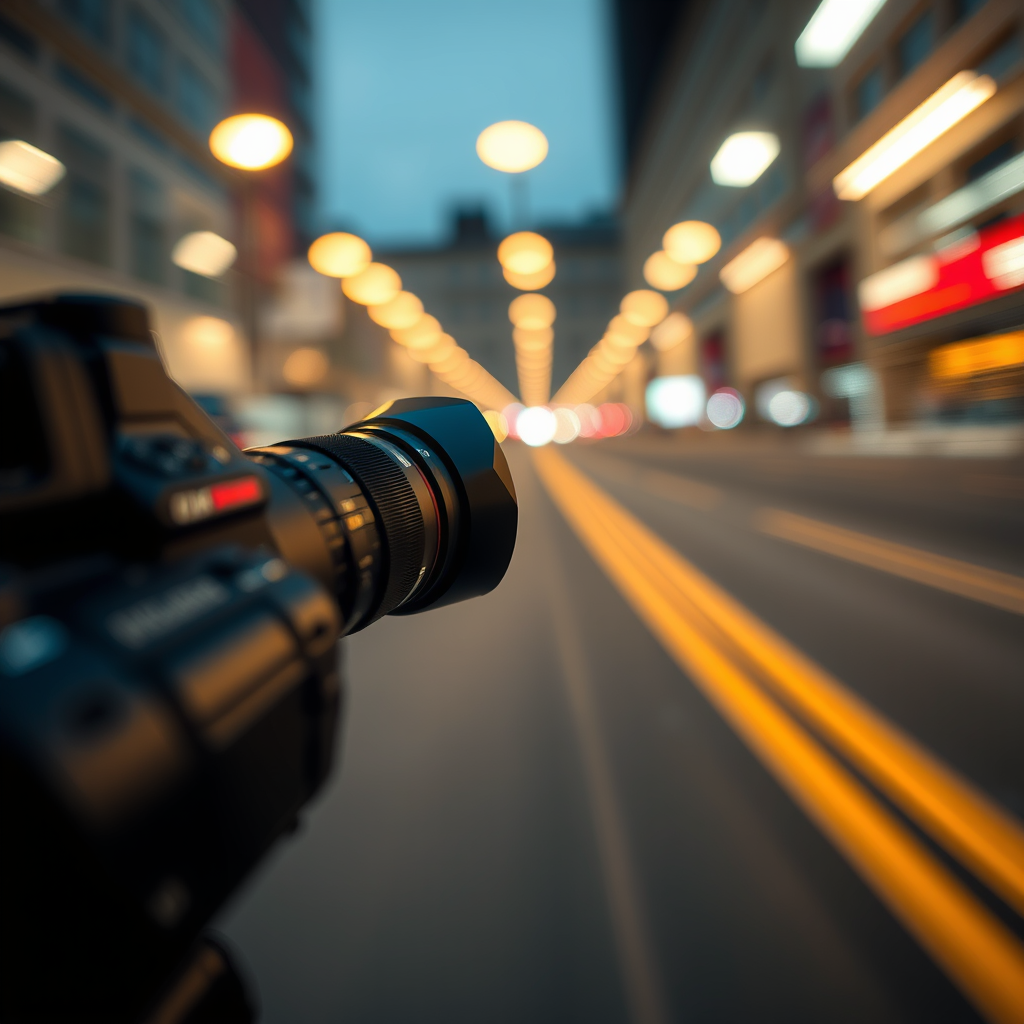
At the heart of high-speed cameras is the frame rate, which refers to the number of images captured per second. A higher frame rate results in smoother slow-motion footage, as it provides more data points to work with. For instance, a camera that records at 1,000 fps will produce slow-motion video that appears four times slower than what we perceive at 240 fps. This capability is essential for analyzing quick events in detail, such as the motion of a bullet or the explosion of fireworks.
The sensor technology used in high-speed cameras plays a crucial role in their functionality. Many high-speed cameras employ CMOS (complementary metal-oxide-semiconductor) sensors, which are lightweight, faster, and more energy-efficient than traditional CCD (charge-coupled device) sensors. This allows high-speed cameras to capture high-resolution images while maintaining rapid frame rates. The combination of high frame rates and advanced sensor technology is what makes these cameras so effective in capturing fast-paced action.
Types of High-Speed Cameras
High-speed cameras come in various types, each designed to meet specific needs. Traditional high-speed cameras, often used in laboratories and industrial settings, are typically bulkier and more expensive, but they excel in capturing high-resolution footage at extreme frame rates. Digital high-speed cameras have become increasingly popular due to their versatility and ease of use. These cameras often feature user-friendly interfaces and can be integrated with software for advanced analysis.
Specialized cameras, such as those used in sports analysis or filmmaking, have unique features tailored to their applications. For example, sports high-speed cameras are designed to track athletes’ movements in real time, helping coaches analyze performance and improve techniques. On the other hand, high-speed cameras used in filmmaking can create stunning visual effects, allowing filmmakers to capture dramatic moments in breathtaking detail. Each type of high-speed camera offers distinct advantages based on its intended use, making it essential to choose the right one for the task at hand.
Key Technologies in High-Speed Cameras
High-speed cameras are equipped with several key technologies that enhance their performance. Image sensors, as previously mentioned, are critical for capturing high-quality footage. These sensors convert light into electrical signals, which are then processed into images. The choice of sensor can significantly impact image quality, dynamic range, and low-light performance.
Shutter mechanisms are equally important in high-speed photography. Traditional cameras use mechanical shutters that can limit the frame rate and introduce motion blur. In contrast, high-speed cameras often use electronic shutters, which can capture images almost instantaneously, reducing motion blur and allowing for clearer footage of fast-moving subjects.
Lighting systems also play a vital role in high-speed camera performance. Because high-speed cameras capture images in rapid succession, they require bright lighting to illuminate the subject adequately. This often means using specialized lighting setups, such as high-intensity strobe lights or LED panels, to ensure that the images captured are bright and clear. Additionally, data storage and processing speed are crucial for handling the large amounts of information generated by high-resolution footage. High-speed cameras often utilize high-capacity memory cards and advanced processing systems to ensure smooth recording and playback.
Applications of High-Speed Cameras
The applications of high-speed cameras are vast and varied, making them invaluable in many fields. In scientific research, high-speed cameras are used to study phenomena such as fluid dynamics, particle collisions, and biological processes. For example, researchers can analyze the behavior of droplets in a spray or the intricate movements of an insect in flight.
In the realm of sports analysis, high-speed cameras enable coaches and athletes to break down movements, improve techniques, and enhance overall performance. By capturing the motion of a golf swing or a sprinter’s start, coaches can provide targeted feedback and help athletes reach their full potential.
Filmmakers also benefit from high-speed cameras, as they can create stunning visual effects and dramatic slow-motion sequences that captivate audiences. Iconic scenes, such as the bullet-dodging sequences in “The Matrix” or the slow-motion shots of athletes in action films, rely on this technology to create memorable cinematic moments.
Challenges and Limitations
Despite their impressive capabilities, high-speed cameras come with challenges and limitations. One of the most significant barriers to entry is cost. High-quality high-speed cameras can be quite expensive, making them less accessible for amateur photographers or small production companies. Additionally, the complexity of using high-speed cameras can be daunting, requiring specialized knowledge and training to operate effectively.
Lighting conditions are another consideration when using high-speed cameras. Due to their rapid capture rates, these cameras often need bright lighting to produce clear images. This can complicate shooting in natural light or poorly lit environments, necessitating additional equipment and preparation.
Future of High-Speed Camera Technology
The future of high-speed camera technology looks promising, with advancements on the horizon that could revolutionize how we capture and analyze fast motion. Innovations in sensor technology, such as the development of faster and more efficient CMOS sensors, are likely to improve image quality and expand the capabilities of high-speed cameras.
Additionally, trends in artificial intelligence and machine learning may enhance the functionality of these cameras, allowing for real-time analysis and processing of footage. This could lead to exciting applications in fields like sports, where instant feedback can significantly impact performance outcomes.
As high-speed camera technology continues to evolve, we can expect to see even more creative uses in filmmaking, scientific research, and beyond. The potential for capturing and analyzing fast-paced action will only grow, offering new opportunities for exploration and discovery.
High-speed cameras enable us to witness and analyze events that happen in the blink of an eye. By understanding how they work and their various applications, you can appreciate the artistry and science behind slow-motion videos. Whether for professional use or personal curiosity, exploring high-speed camera technology opens up a world of visual possibilities, allowing us to experience moments in a way we never thought possible.
Frequently Asked Questions
What is a high-speed camera and how does it differ from a regular camera?
A high-speed camera is a specialized type of camera designed to capture fast-moving subjects at a much higher frame rate than standard cameras. While a typical camera may record at 30 or 60 frames per second (fps), high-speed cameras can record thousands or even millions of frames per second. This allows for incredibly detailed slow-motion playback of events that occur too quickly for the human eye to see, making them ideal for scientific research, sports analysis, and creative filmmaking.
How do high-speed cameras achieve slow-motion video capture?
High-speed cameras achieve slow-motion video capture by utilizing a combination of high frame rates and advanced sensor technology. When recording, these cameras take numerous frames in quick succession, capturing each moment in great detail. The footage is then played back at a standard frame rate, such as 24 or 30 fps, which effectively slows down the action to reveal intricate movements and details that would otherwise go unnoticed.
Why would I choose a high-speed camera for my projects?
Choosing a high-speed camera is essential for projects where capturing fast motion with clarity is crucial. Whether you’re documenting scientific experiments, analyzing athletic performance, or creating artistic slow-motion videos, high-speed cameras provide the detail and precision necessary to understand and appreciate rapid movements. The ability to slow down footage dramatically enhances the storytelling aspect of a project and can reveal insights that are not visible in real time.
What are the best high-speed cameras for amateur filmmakers?
For amateur filmmakers looking to explore slow-motion videography, some of the best high-speed cameras include the Sony RX10 IV, the Phantom Miro, and the GoPro HERO10 Black. These cameras offer a range of features such as high frame rates, user-friendly interfaces, and varying price points, making them accessible for hobbyists. Additionally, they provide excellent image quality and the ability to shoot in various lighting conditions, allowing for creative flexibility.
Which factors should I consider when purchasing a high-speed camera?
When purchasing a high-speed camera, consider factors such as frame rate capabilities, resolution, sensor size, and lens options. Additionally, evaluate the camera’s low-light performance, ease of use, and whether it has features like slow-motion playback and high-speed recording modes. It’s also important to think about your budget and how the camera will fit into your specific filming needs, whether for professional use or personal projects.
References
- High-speed camera
- https://www.sciencedirect.com/science/article/pii/S0097849321000540
- https://www.nature.com/articles/s41598-020-69064-4
- https://www.techopedia.com/definition/32110/high-speed-camera
- https://www.researchgate.net/publication/322276195_High-speed_camera_technology_and_applications
- https://www.bbc.com/future/article/20190731-how-high-speed-cameras-capture-the-unseen
- https://www.nist.gov/news-events/news/2019/06/how-high-speed-cameras-capture-fast-phenomena
- GeeksforGeeks | 404