

AI-powered video analytics significantly improve security by enabling real-time monitoring, threat detection, and data-driven insights. These innovative technologies transform security operations across various sectors, making them more effective and responsive to potential risks and threats. In this article, we’ll explore the intricacies of AI video analytics, their benefits, various industry applications, and the challenges associated with their implementation, all while considering future trends that promise even greater advancements.
Understanding AI-Powered Video Analytics
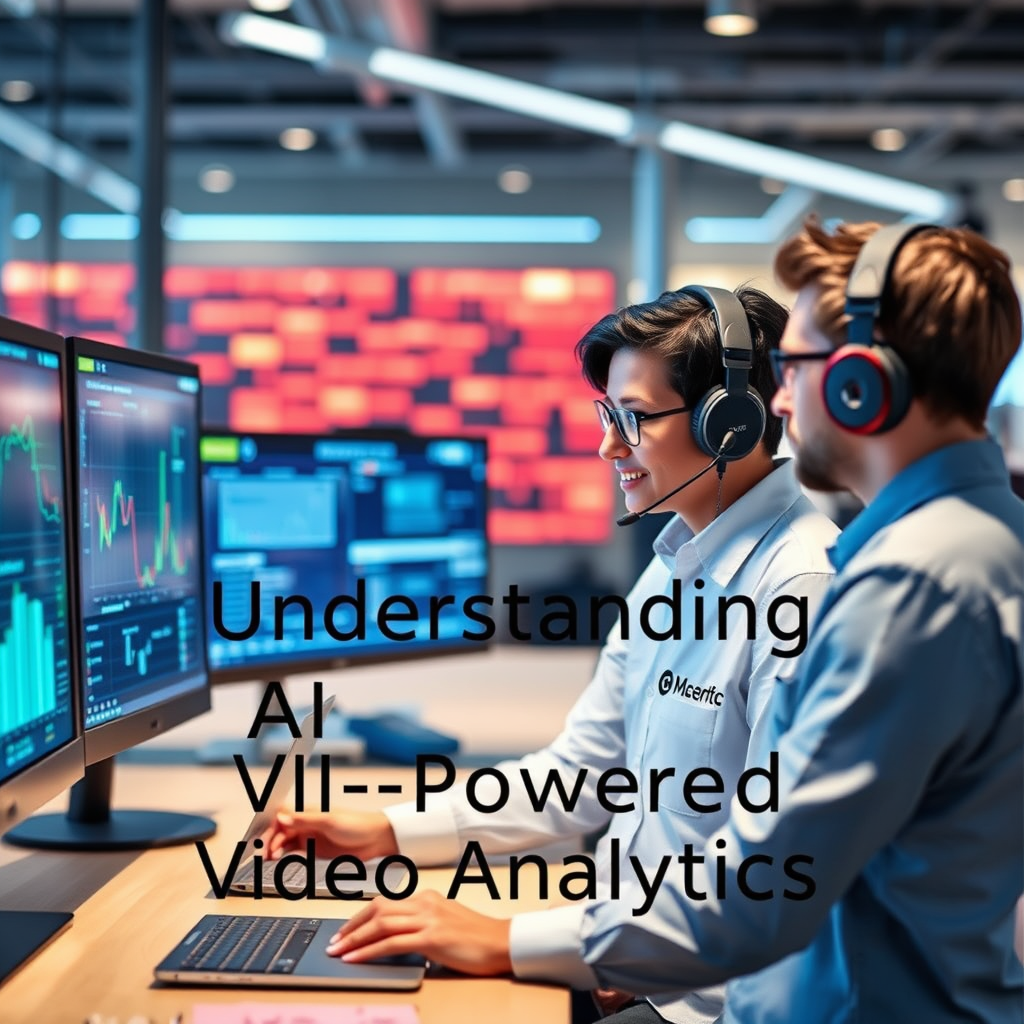
AI-powered video analytics refers to the use of artificial intelligence algorithms to analyze video footage in real-time. Core components include machine learning, computer vision, and deep learning models that help in recognizing and interpreting visual data. This technology processes video feeds from security cameras, extracting meaningful information that can help security teams identify potential threats. Through continuous learning, these systems can adapt and improve their accuracy over time, making them a powerful tool in enhancing security measures.
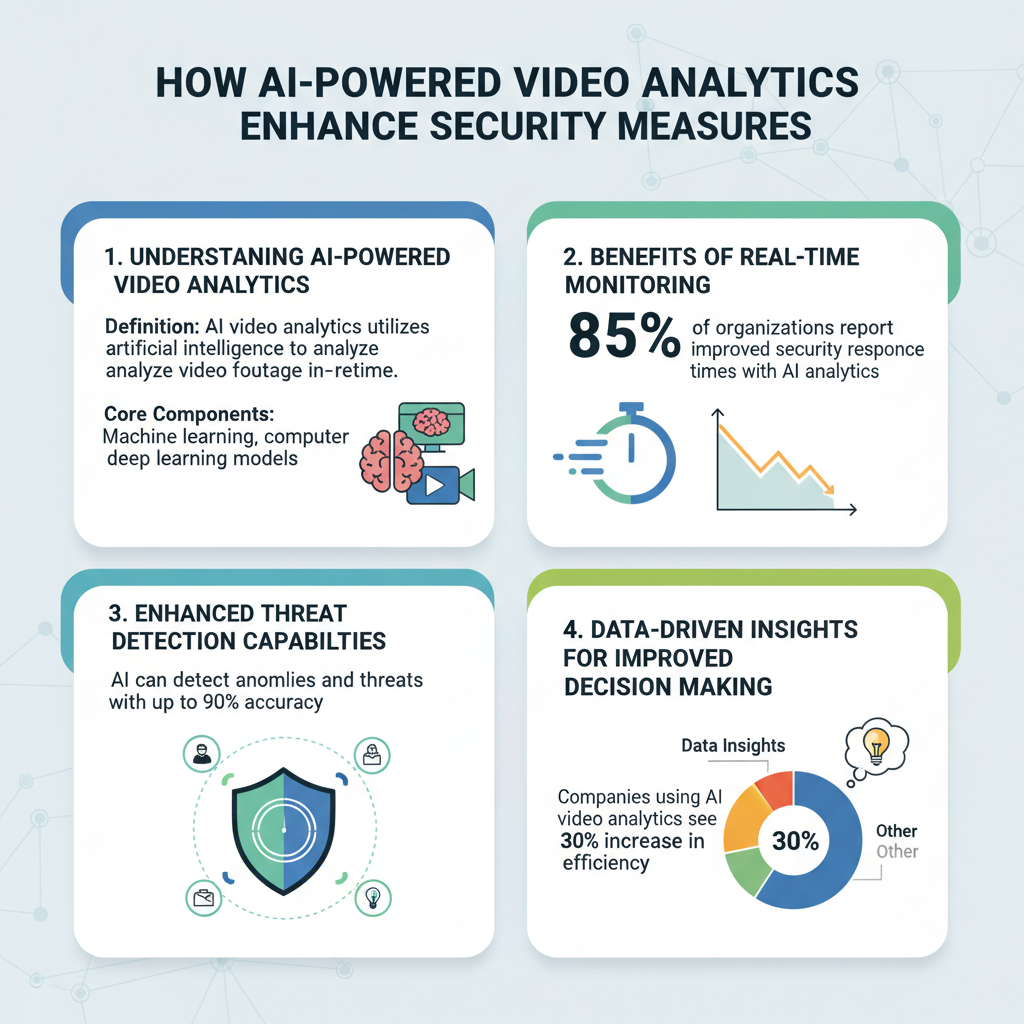
When it comes to security purposes, AI processes video data by analyzing frames for anomalies, tracking movements, and recognizing specific objects or individuals. This capability allows organizations to move from reactive to proactive security measures, significantly enhancing their overall safety protocols.
Benefits of Real-Time Monitoring

One of the most significant advantages of AI-powered video analytics is the ability to monitor environments in real-time. This means that security teams can receive immediate alerts about suspicious activities, such as unauthorized access or unusual behaviors. For instance, if a camera detects someone loitering in a restricted area, the system can send an instant alert to security personnel, enabling them to take quick action.
Moreover, real-time monitoring greatly reduces response times. In fast-paced environments like shopping malls or airports, even a few seconds can make a difference in preventing incidents. With AI systems constantly analyzing video feeds, security teams can act swiftly, potentially averting thefts, vandalism, or breaches before they escalate into more significant issues.
Enhanced Threat Detection Capabilities
AI video analytics take threat detection to the next level through the use of advanced machine learning algorithms. These algorithms can be trained to recognize unusual patterns or behaviors that may indicate a security threat. For example, if an individual is seen trying to access a secure area without proper authorization, the system can flag this behavior as a potential threat.
Additionally, AI video analytics can be integrated with existing surveillance systems, providing comprehensive coverage and enhancing overall security. This integration allows organizations to leverage their current infrastructure while benefiting from the added intelligence of AI. The result is a more robust security system that can adapt to various threats and respond accordingly.
Data-Driven Insights for Improved Decision Making
Another crucial benefit of AI-powered video analytics lies in the data-driven insights it provides. By analyzing video data over time, organizations can identify security trends and vulnerabilities that may not be apparent at first glance. For instance, a retail store might discover that theft incidents are more frequent during specific hours or days, allowing them to adjust staffing levels or implement additional monitoring during those times.
Moreover, leveraging historical data can help refine security protocols and strategies. By understanding past patterns, organizations can implement more effective measures that address specific vulnerabilities. This proactive approach not only improves security but also builds a culture of safety within the organization.
Industry Applications of AI Video Analytics
AI video analytics find applications across various sectors, each benefiting uniquely from this transformative technology. In retail, for example, AI can help monitor customer behavior, optimize store layouts, and prevent theft. A leading retail chain recently used AI analytics to reduce shoplifting incidents by over 30% by identifying high-risk areas and adjusting staff placement accordingly.
In the transportation sector, airports have adopted AI video analytics to enhance passenger safety and streamline operations. These systems can monitor passenger queues, detect unattended luggage, and even identify potential threats based on behavioral analysis. A notable case study involved an airport that integrated AI video analytics into its security system, resulting in a 25% increase in the speed of threat detection.
Public safety agencies are also leveraging AI video analytics to enhance city surveillance. By analyzing footage from street cameras, AI can help identify crime hotspots and deploy resources more effectively. A city that implemented such a system reported a significant drop in crime rates within a year, showcasing the potential of AI in creating safer urban environments.
Challenges and Considerations
While the benefits of AI video analytics are substantial, several challenges and considerations must be addressed. Privacy concerns are at the forefront of discussions surrounding AI surveillance technologies. As organizations implement these systems, they must ensure compliance with regulations and maintain transparency to protect individuals’ privacy rights. It’s essential to establish clear policies on data usage and retention to build trust with the public.
Technical challenges also exist when implementing AI video analytics systems. Ensuring accurate data processing, managing large volumes of video footage, and integrating with legacy systems can pose significant hurdles. Organizations may need to invest in robust infrastructure and training to maximize the effectiveness of these technologies.
Future Trends in AI Video Analytics
Looking ahead, we can expect to see several exciting advancements in AI video analytics that will further enhance security measures. Predictions indicate that the integration of AI with other emerging technologies, such as the Internet of Things (IoT) and 5G connectivity, will revolutionize how video data is processed and analyzed. This synergy could lead to faster and more accurate threat detection, enabling security teams to respond to incidents almost instantaneously.
Furthermore, innovations in facial recognition technology and behavior analysis are likely to evolve, contributing to more sophisticated security systems. As these technologies continue to advance, organizations will have more powerful tools at their disposal to combat threats and ensure safety.
In summary, AI-powered video analytics are revolutionizing security practices by providing real-time monitoring, enhanced threat detection, and valuable data insights. As these technologies continue to evolve, organizations must stay informed and consider implementing AI solutions to bolster their security strategies. For those interested, exploring AI video analytics options could be the next step towards a safer environment. By embracing these advancements, we can create more secure spaces for everyone.
Frequently Asked Questions
What is AI-powered video analytics, and how does it enhance security?
AI-powered video analytics refers to the use of artificial intelligence algorithms to analyze video footage in real-time or post-event, extracting valuable insights to enhance security measures. This technology can detect unusual behavior, identify potential threats, and automate surveillance processes, allowing security teams to respond promptly and effectively to incidents. By leveraging machine learning and computer vision, AI video analytics significantly improves the accuracy and efficiency of security monitoring.
How does AI video analytics reduce false alarms in security systems?
AI video analytics reduces false alarms by employing advanced algorithms that differentiate between genuine security threats and non-threatening activities, such as animals or environmental changes. By analyzing patterns and learning from previous incidents, AI can accurately classify events and minimize unnecessary alerts. This not only saves time for security personnel but also increases trust in the system’s reliability, ensuring that resources are focused on real threats.
Why should businesses invest in AI video analytics for their security needs?
Businesses should invest in AI video analytics because it offers enhanced surveillance capabilities, improved response times, and the ability to analyze vast amounts of video data efficiently. These systems provide actionable insights that can help prevent incidents before they occur, ultimately safeguarding assets and personnel. Additionally, AI-driven solutions can lead to cost savings by optimizing manpower and reducing reliance on traditional security measures, making them an invaluable investment for any organization.
Which industries benefit most from AI-powered video analytics for security?
Several industries benefit significantly from AI-powered video analytics, including retail, transportation, banking, and education. In retail, for instance, these systems can monitor customer behavior and prevent theft, while in transportation, they can enhance safety by analyzing traffic patterns. Banking institutions leverage AI video analytics to detect suspicious activities, and educational facilities utilize it to ensure campus safety. Overall, any industry that relies on surveillance can enhance its security posture through AI technology.
What features should I look for in AI video analytics software for security?
When selecting AI video analytics software for security, look for features such as real-time threat detection, facial recognition capabilities, and customizable alerts. Additionally, ensure the software can integrate seamlessly with existing security systems, has robust data analysis tools, and offers user-friendly interfaces for easy operation. Other important features include cloud storage options for video data, scalability to accommodate future growth, and strong data encryption to protect sensitive information, ensuring comprehensive security management.
References
- Video content analysis
- https://www.nist.gov/publications/video-analytics-security-applications
- https://www.sciencedirect.com/science/article/pii/S0167739X20316366
- https://www.bbc.com/news/technology-55034996
- https://www.researchgate.net/publication/338805030_A_Survey_on_Artificial_Intelligence_in_Video_Analytics_for_Security_Applications
- https://www.techrepublic.com/article/the-future-of-video-analytics-in-security/
- https://www.ncbi.nlm.nih.gov/pmc/articles/PMC7822234/
- https://www.brookings.edu/research/how-ai-can-improve-public-safety-and-security/