
Edge AI significantly enhances smart surveillance systems by processing data locally, improving response times, and reducing bandwidth usage. This innovative technology allows for faster decision-making and more efficient use of resources, thereby ensuring a more secure environment. In this article, you will learn how Edge AI integrates with surveillance technologies, the benefits it brings, and its future implications.




Understanding Edge AI in Surveillance
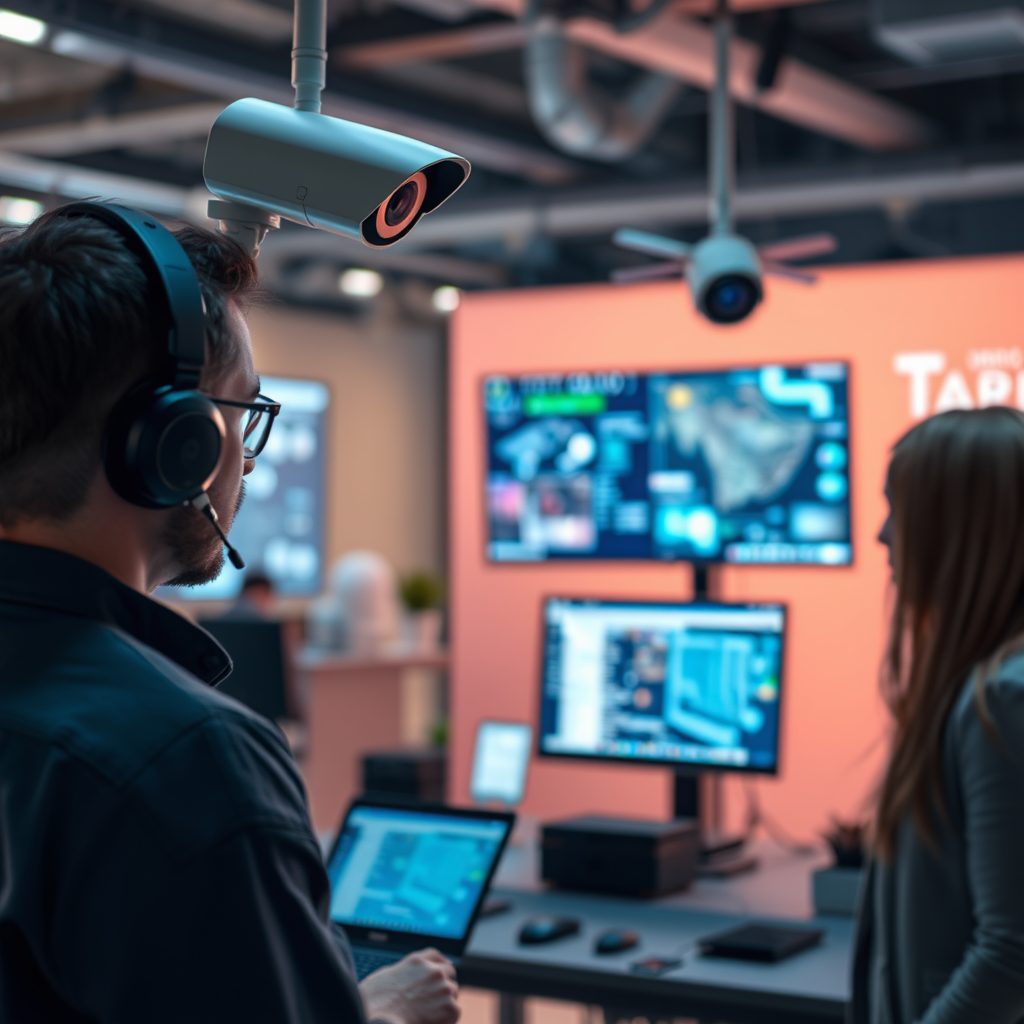
Edge AI refers to the deployment of artificial intelligence algorithms directly on devices at the edge of the network, instead of relying on centralized servers for data processing. This means that surveillance cameras and other monitoring devices can analyze footage and make decisions in real-time without having to send all data back to a cloud or data center. For instance, a smart camera equipped with Edge AI can detect unusual activities, such as someone loitering near a restricted area, and immediately alert security personnel.
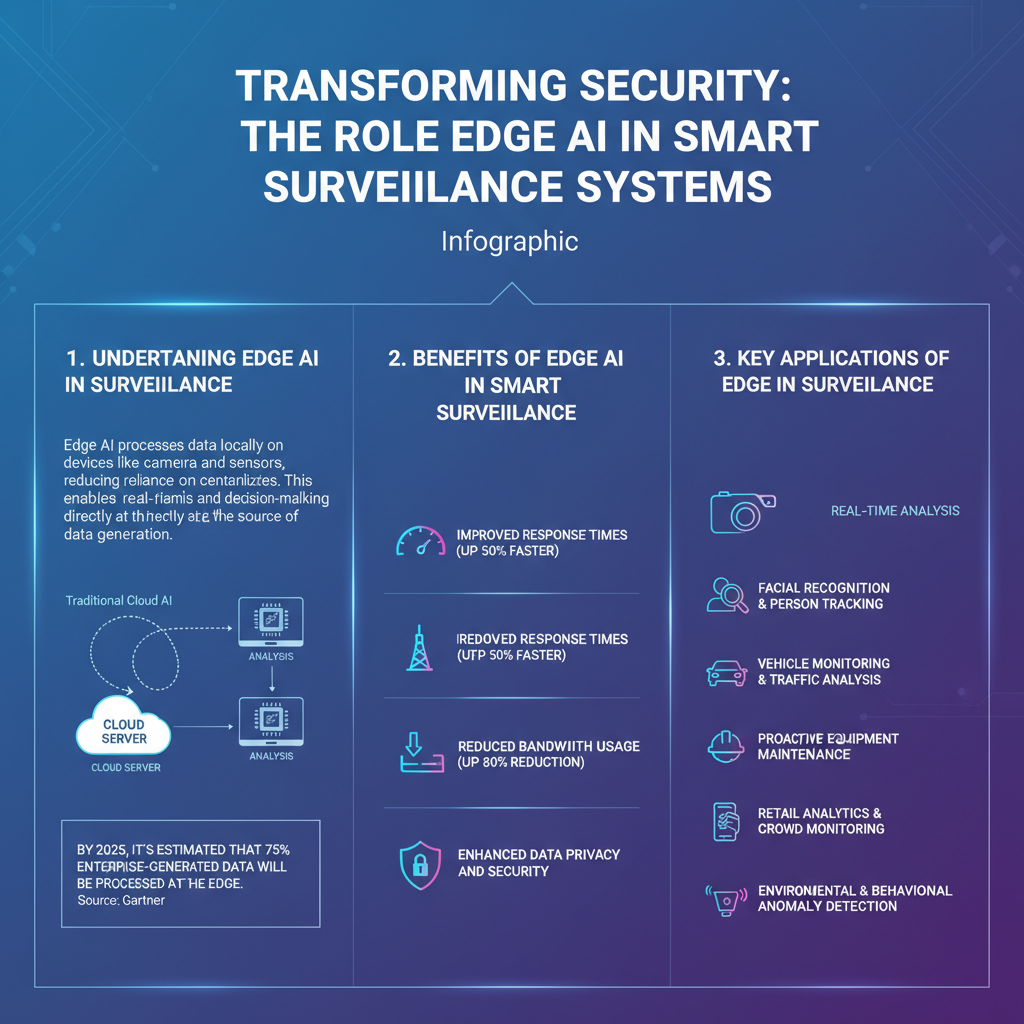
The integration of Edge AI into surveillance systems is a game-changer, particularly in environments where speed and efficiency are critical. By processing data locally, these systems can operate independently, making them less vulnerable to latency issues and bandwidth limitations that often plague traditional surveillance setups. This seamless integration not only enhances the capabilities of existing surveillance technologies but also opens the door to smarter, more autonomous security solutions.
Benefits of Edge AI in Smart Surveillance

One of the standout benefits of Edge AI in smart surveillance is its enhanced real-time data processing capabilities. With traditional systems, data is often sent to a central server for analysis, which can introduce delays that hinder immediate action. Edge AI, however, allows for instantaneous analysis of video feeds and sensor data, enabling quicker responses to potential security threats. For example, if a camera detects a person entering a restricted area, the system can immediately alert security personnel, allowing them to respond before a situation escalates.
Reduced latency is closely tied to increased system responsiveness, another significant advantage of Edge AI. In high-stakes environments, such as airports or public transportation hubs, every second counts. Edge AI ensures that surveillance systems can react promptly to emergencies, reducing the time it takes to identify and address incidents. This capability is especially crucial in urban settings where rapid response can mean the difference between prevention and disaster.
Key Applications of Edge AI in Surveillance
Edge AI is being utilized in various critical applications, particularly in urban safety and crime prevention. Smart cities are increasingly adopting these technologies to monitor public spaces more effectively. For instance, cities like Chicago have implemented AI-powered cameras that can analyze foot and vehicle traffic, detect suspicious behavior, and even help in real-time traffic management. This integration not only aids in crime prevention but also enhances overall public safety.
In private security settings and enterprises, Edge AI is transforming how businesses safeguard their properties. Retailers, for example, use smart cameras with Edge AI to monitor customer behavior, detect shoplifting, and optimize store layouts based on foot traffic data. Similarly, manufacturing plants deploy Edge AI to ensure safety compliance by monitoring hazardous areas and alerting staff to potential risks. These applications demonstrate the versatility of Edge AI in enhancing security measures across various sectors.
Challenges and Limitations of Edge AI
While Edge AI offers numerous benefits, it is not without its challenges. Privacy concerns and data security issues are paramount, particularly when dealing with surveillance technologies that monitor public spaces. The need to balance security with individual privacy rights poses a significant ethical dilemma. Stakeholders must ensure that surveillance systems are transparent and that data collected is handled responsibly to maintain public trust.
Technical limitations also come into play with Edge AI. Not all devices possess the necessary processing power to run complex AI algorithms, which can limit the effectiveness of Edge-based systems. Compatibility issues may arise when integrating new technologies with existing infrastructure, requiring businesses and municipalities to carefully plan upgrades and investments. Ensuring that the right hardware and software are in place is crucial for maximizing the potential of Edge AI in surveillance.
Future Trends in Edge AI for Surveillance
Looking ahead, the future of Edge AI in surveillance systems is promising. Predictions suggest that advancements in machine learning algorithms and processing power will enable even more sophisticated capabilities. For instance, we may see the emergence of predictive analytics, where systems not only react to incidents but also anticipate potential threats based on historical data patterns.
Moreover, as the regulatory landscape evolves, there will likely be shifts in how surveillance technologies are implemented. Stricter laws on data privacy and usage could drive innovation, pushing companies to develop solutions that prioritize ethical considerations while still enhancing security. The convergence of Edge AI with other emerging technologies, such as the Internet of Things (IoT), will further enhance the capabilities of smart surveillance systems, creating a more connected and intelligent security ecosystem.
Best Practices for Implementing Edge AI in Surveillance
For businesses and municipalities looking to adopt Edge AI in their surveillance systems, several best practices can guide the implementation process. First and foremost, it is essential to conduct a comprehensive needs assessment to determine the specific requirements of your security strategy. Understanding the environment in which the technology will be deployed will help in selecting the most suitable hardware and software solutions.
Choosing the right technology partners is also critical. Collaborating with reputable vendors who have a proven track record in Edge AI and surveillance can make a significant difference in the success of the implementation. Additionally, investing in ongoing training for staff to ensure they understand how to operate and maintain these advanced systems is vital for maximizing their effectiveness.
Finally, establishing clear policies on data privacy and security is crucial. Engaging with stakeholders, including the community and regulatory bodies, can help build trust and ensure that the deployment of Edge AI in surveillance aligns with ethical standards.
The rise of Edge AI is transforming smart surveillance systems by enabling faster, more efficient data processing while addressing privacy concerns. As technology continues to evolve, staying informed about these developments will help you make better decisions for your surveillance needs. Explore how you can leverage Edge AI to enhance your security strategies today.
Frequently Asked Questions
What is Edge AI and how does it enhance smart surveillance systems?
Edge AI refers to the deployment of artificial intelligence algorithms on local devices (or “edges”) rather than relying solely on cloud computing. In smart surveillance systems, this technology enhances real-time data processing, allowing for quicker decision-making, such as identifying potential threats or unusual activities without latency. By reducing the need for continuous cloud communication, Edge AI also improves data privacy and security, making smart surveillance more efficient and reliable.
How does Edge AI improve response times in surveillance monitoring?
Edge AI significantly enhances response times in surveillance monitoring by processing data at the device level, which minimizes the time taken to analyze video feeds and detect anomalies. Instead of sending all data to a centralized server for analysis, Edge AI enables immediate action at the source, such as triggering alarms or alerts when suspicious behavior is detected. This rapid processing capability is crucial for real-time security interventions, making surveillance systems more proactive.
Why should businesses invest in Edge AI technology for their surveillance systems?
Businesses should consider investing in Edge AI technology for their surveillance systems because it offers several advantages, including enhanced security, reduced bandwidth costs, and improved data privacy. By processing data locally, organizations can avoid the risks associated with transmitting sensitive video feeds over the internet, while also reducing reliance on expensive cloud storage. Additionally, the ability to analyze data in real-time ensures that businesses can respond to security threats swiftly, safeguarding their assets and personnel.
What are the best applications of Edge AI in smart surveillance systems?
The best applications of Edge AI in smart surveillance systems include facial recognition, anomaly detection, and behavior analysis. Facial recognition technology can quickly identify individuals in real-time, enhancing security protocols in high-traffic areas. Anomaly detection algorithms can alert security personnel to unusual activities, such as loitering or trespassing, while behavior analysis can help predict and prevent potential security breaches. These applications collectively make surveillance systems more intelligent and effective.
Which industries can benefit most from implementing Edge AI in their surveillance solutions?
Several industries can greatly benefit from implementing Edge AI in their surveillance solutions, including retail, healthcare, transportation, and critical infrastructure. In retail, for instance, Edge AI can optimize loss prevention by detecting theft in real-time. In healthcare, it can enhance patient safety by monitoring access to sensitive areas. Transportation sectors can improve safety and traffic management, while critical infrastructure can utilize Edge AI to bolster security against potential threats, making it a versatile solution across various sectors.
References
- Edge computing
- https://www.sciencedirect.com/science/article/pii/S0167739X20308466
- https://www.nist.gov/news-events/news/2020/08/edge-ai-and-future-smart-surveillance
- https://www.researchgate.net/publication/339148437_Edge_AI_in_Smart_Surveillance
- https://www.ijcaonline.org/archives/volume175/number4/28729-2020903480
- https://www.bbc.com/news/technology-55061859
- https://www.techrepublic.com/article/what-is-edge-ai-and-why-is-it-important/