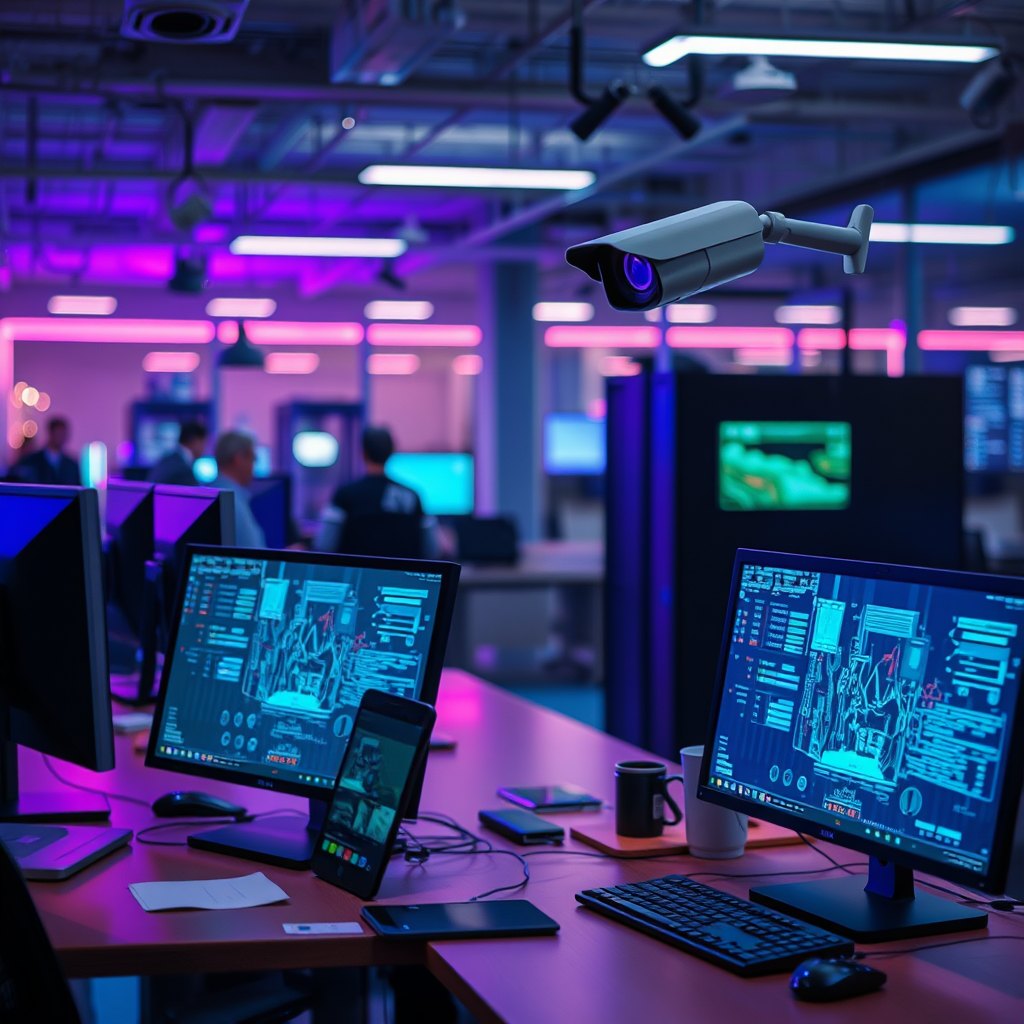

The future of AI in autonomous surveillance video processing is set to transform security and monitoring systems, making them more efficient and effective. This technology will enable real-time analysis, reduce human error, and enhance decision-making capabilities. With advancements in AI, surveillance systems will not only watch over us but will also understand and predict behavior, ensuring a safer environment for everyone. In this article, we will explore the key advancements and implications of AI-driven solutions in surveillance.
Advancements in AI Technologies

Machine learning algorithms are becoming increasingly sophisticated, allowing for better object recognition and behavior analysis. These algorithms can learn from vast datasets, improving their accuracy over time. For instance, systems can now distinguish between a harmless gathering of people and a potential crowd disturbance by analyzing factors like movement patterns and density.
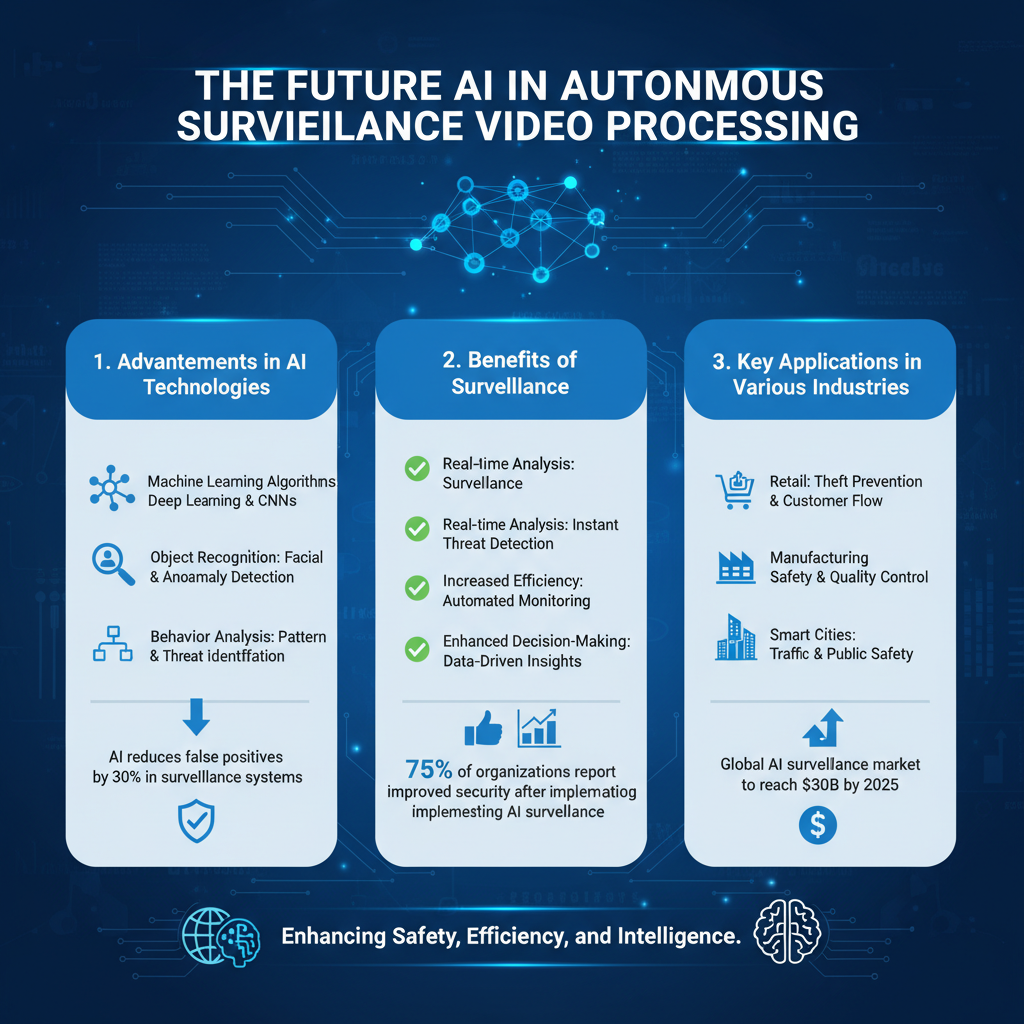
Deep learning models, which mimic human brain functions, can process enormous amounts of video data rapidly. This capability is crucial in identifying patterns and anomalies with high accuracy—think of a security camera detecting a person loitering in a restricted area. The speed and precision of these technologies mean that potential threats can be flagged in real time, enabling faster responses.
Furthermore, advancements in natural language processing (NLP) allow AI systems to analyze both visual and auditory data. An autonomous surveillance system could, for example, recognize a raised voice or distressed shouting and cross-reference it with visual data to assess the situation comprehensively.
Benefits of Autonomous Surveillance
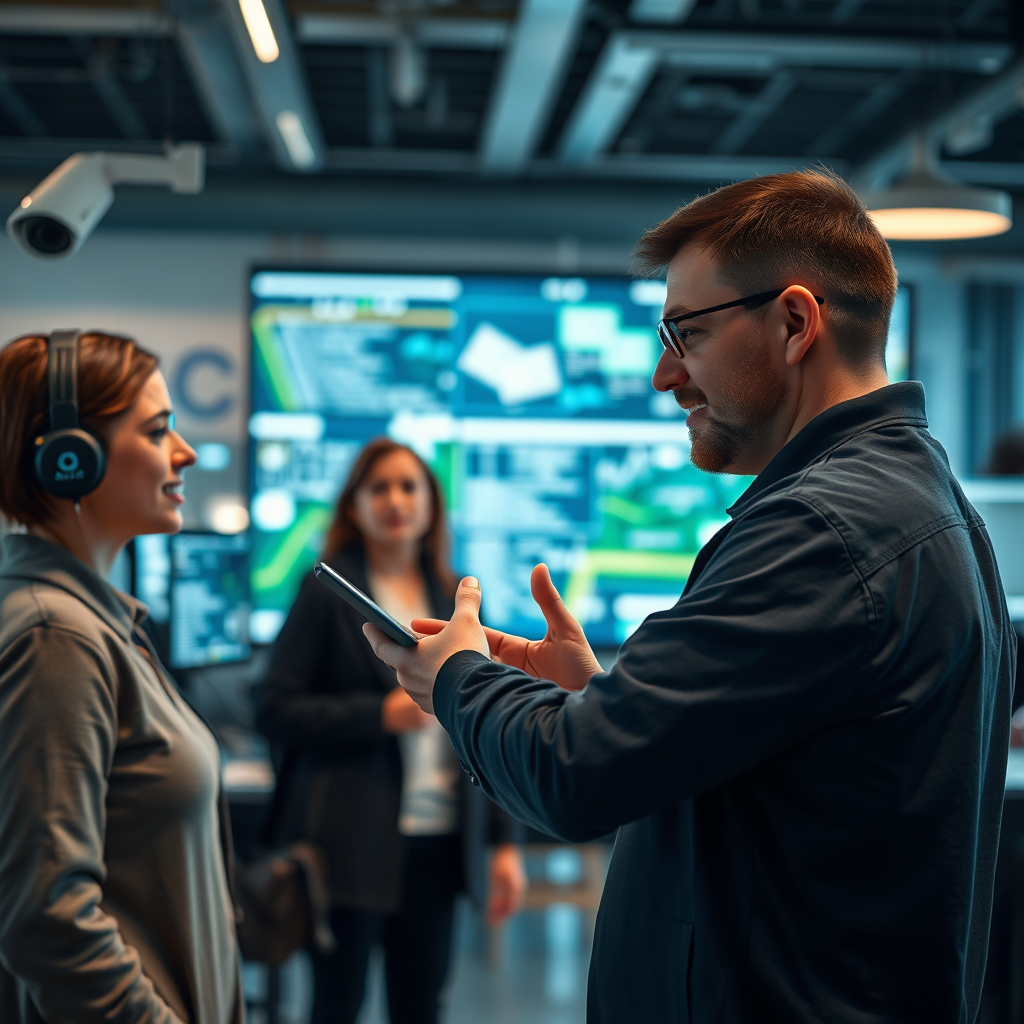
The benefits of autonomous surveillance are manifold. Real-time monitoring allows for immediate response to potential threats or incidents, significantly increasing overall safety. Imagine a situation where a suspicious activity is detected; with AI, alerts can be sent instantly to security personnel, ensuring that they can act before a situation escalates.
Reduced reliance on human operators minimizes errors and biases in surveillance interpretation. Human operators can become fatigued or distracted, leading to oversight and misinterpretation. AI-driven systems consistently analyze data without fatigue, ensuring a more reliable surveillance process. This objectivity is particularly important in high-stakes environments like airports or stadiums, where the consequences of human error can be dire.
Moreover, the integration of AI in surveillance can lead to cost savings over time. While the initial investment may be substantial, the efficiency gained through automation can reduce the need for large security teams and the associated operational costs.
Key Applications in Various Industries
The applications of AI in autonomous surveillance span a variety of industries. In retail, for instance, AI can analyze customer behavior patterns to optimize store layouts. By studying how customers move through a store, retailers can arrange products strategically to increase sales and enhance security by monitoring for theft.
In urban environments, autonomous surveillance systems contribute to public safety. Cities can deploy AI to monitor crowds during events, ensuring that any unusual activity is detected and addressed promptly. For example, during large festivals, AI can help identify overcrowding or potential hazards, allowing authorities to intervene before any issues arise.
Healthcare facilities are also leveraging AI surveillance to monitor patient safety. Cameras equipped with AI can detect falls or other emergencies in real time, alerting staff instantly. This application is not only crucial for patient safety but also helps in improving the operational efficiency of healthcare services.
Ethical Considerations and Privacy Issues
While the deployment of AI in surveillance brings many benefits, it also raises important questions about privacy rights and data protection. The capability to monitor individuals continuously can lead to a feeling of being watched constantly, which might infringe on personal freedoms.
Establishing clear regulations is essential to balance security needs with individual privacy concerns. Policymakers must work to create guidelines that dictate how data can be collected, stored, and used. For instance, some jurisdictions may require that surveillance footage be deleted after a specific period unless it is needed for an investigation.
Transparency is another critical factor. Organizations implementing AI surveillance must communicate their intentions clearly to the public, detailing how data will be used and the measures taken to protect privacy. Engaging the community in discussions about surveillance practices can foster trust and understanding.
Future Trends in AI Surveillance
Looking ahead, several trends are set to shape the future of AI surveillance. One significant trend is the integration of AI with IoT devices, creating a more interconnected surveillance ecosystem. For example, smart streetlights equipped with cameras could analyze foot traffic patterns and report incidents to a central system, enhancing data collection and analysis.
The use of predictive analytics will also become more prevalent. Instead of merely reacting to incidents, AI systems will analyze historical data and trends to anticipate potential issues. This proactive approach could lead to preemptive measures, such as increased police presence in areas identified as high risk based on past behavior.
Furthermore, advancements in edge computing will allow AI processing to occur closer to where data is generated. This means faster response times and reduced bandwidth usage, making systems more efficient and effective in real-time monitoring.
Challenges Facing Implementation
Despite the promising future of AI in autonomous surveillance, several challenges remain. Technical limitations, such as processing power and data storage, need to be addressed for widespread adoption. As the volume of video data grows, systems must be able to handle and analyze it efficiently without compromising performance.
Public acceptance and trust in AI surveillance systems must also be cultivated. Many people are understandably cautious about the implications of surveillance technology. Building trust requires transparency and accountability in how these systems operate. Engaging with communities and providing education about the benefits and safeguards of AI surveillance can help alleviate concerns.
Additionally, as AI systems become more complex, ensuring they are free from bias and discrimination is crucial. Regular audits and updates must be conducted to ensure fairness and accuracy in surveillance practices.
AI in autonomous surveillance video processing is poised to revolutionize how we monitor and respond to security threats. By leveraging advanced technologies and addressing ethical concerns, we can enhance safety while respecting individual rights. As we move forward, it’s essential to stay informed about these developments and consider how they might impact your environment or industry, ensuring that we strike a balance between security and privacy for all.
Frequently Asked Questions
What are the key benefits of using AI in autonomous surveillance video processing?
The integration of AI in autonomous surveillance video processing offers numerous benefits, including enhanced accuracy in object and behavior detection, real-time analytics, and reduced human oversight. AI algorithms can quickly analyze large volumes of video data, identifying anomalies or threats more effectively than traditional methods. This leads to improved security measures, optimized resource allocation, and timely responses to incidents, ultimately enhancing overall safety.
How is AI transforming the way surveillance footage is analyzed?
AI is revolutionizing surveillance footage analysis by employing machine learning and computer vision technologies to automatically identify and classify objects, activities, and patterns within video streams. These systems can learn from vast datasets, improving their predictive capabilities over time. As a result, AI-driven solutions can provide actionable insights from surveillance footage, reducing the need for manual review and allowing security personnel to focus on critical situations.
Why should businesses invest in AI-driven surveillance systems?
Investing in AI-driven surveillance systems allows businesses to enhance security protocols while improving operational efficiency. These systems can reduce false alarms through more precise detection capabilities and provide advanced analytical insights that inform decision-making. Additionally, the automation of video processing can lead to significant cost savings by decreasing the need for extensive human monitoring and increasing the speed of threat identification and response.
What are the ethical considerations surrounding AI in surveillance technology?
The use of AI in surveillance technology raises important ethical considerations, including privacy concerns, data security, and potential biases in algorithmic decision-making. Organizations must ensure compliance with data protection regulations and adopt transparent practices in how surveillance data is collected and utilized. Additionally, continuous evaluation of AI algorithms is necessary to mitigate biases that may arise, ensuring fair and equitable treatment for all individuals monitored by these systems.
Which industries are currently leading in the adoption of AI for surveillance video processing?
Industries such as retail, transportation, and law enforcement are at the forefront of adopting AI for surveillance video processing. In retail, AI systems help monitor customer behavior and optimize store layouts, while in transportation, they enhance traffic management and safety monitoring. Law enforcement agencies utilize AI to analyze surveillance footage for crime prevention and investigation purposes. The growing demand for security solutions across these sectors drives innovation and investment in AI surveillance technologies.
References
- Surveillance
- https://www.nist.gov/news-events/news/2021/03/ai-techniques-video-surveillance
- https://www.sciencedirect.com/science/article/pii/S0957417421003488
- https://www.bbc.com/news/technology-61015384
- https://www.researchgate.net/publication/335548148_The_impact_of_artificial_intelligence_on_video_surveillance
- IBM watsonx
- https://www.ncbi.nlm.nih.gov/pmc/articles/PMC7307000/
- https://www.theguardian.com/technology/2021/sep/30/future-of-surveillance-technology-privacy
- https://www.rand.org/pubs/research_reports/RR3132.html