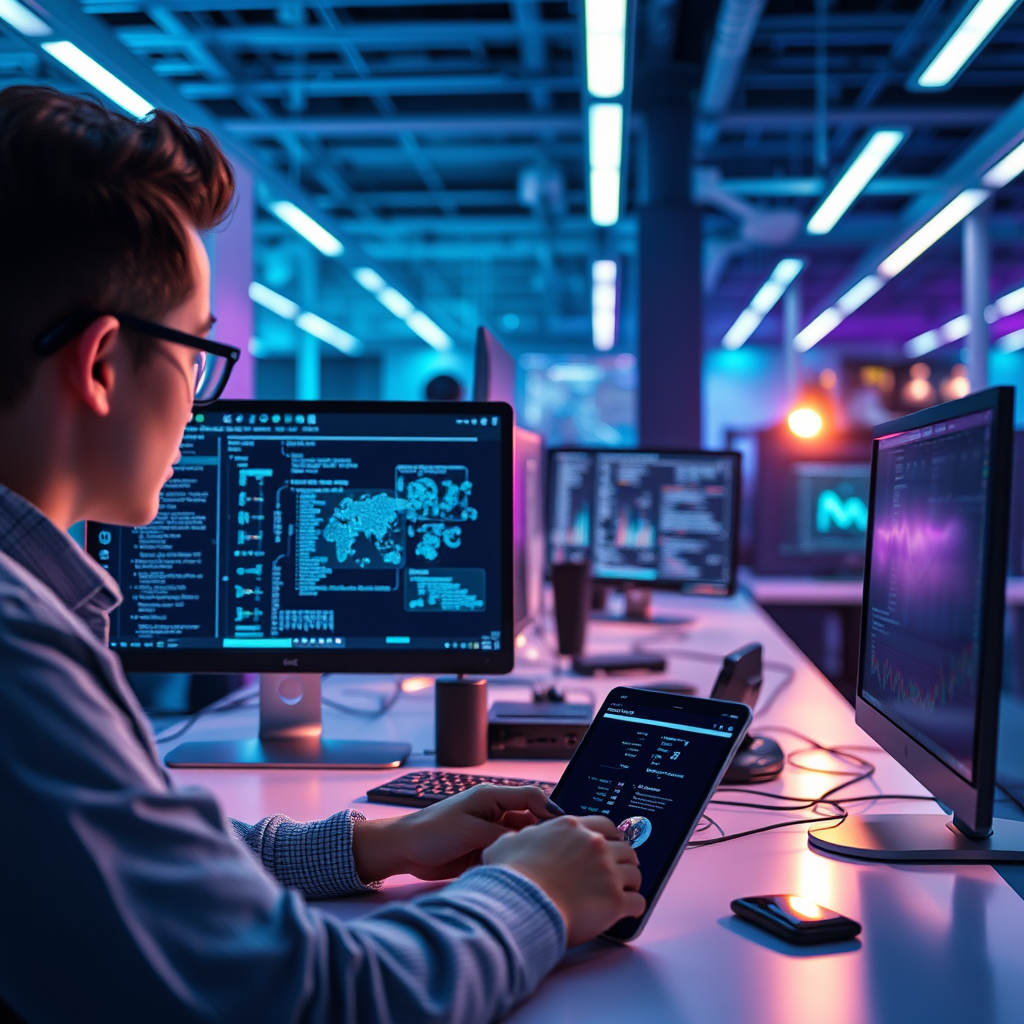

The integration of AI in cybersecurity for display technologies is crucial for protecting sensitive information and ensuring seamless user experiences. By employing advanced algorithms and machine learning, AI enhances threat detection, response capabilities, and overall security posture for systems reliant on display technologies. In this article, we will explore how AI revolutionizes cybersecurity in this domain, highlighting its applications, benefits, and challenges.
Understanding Display Technologies
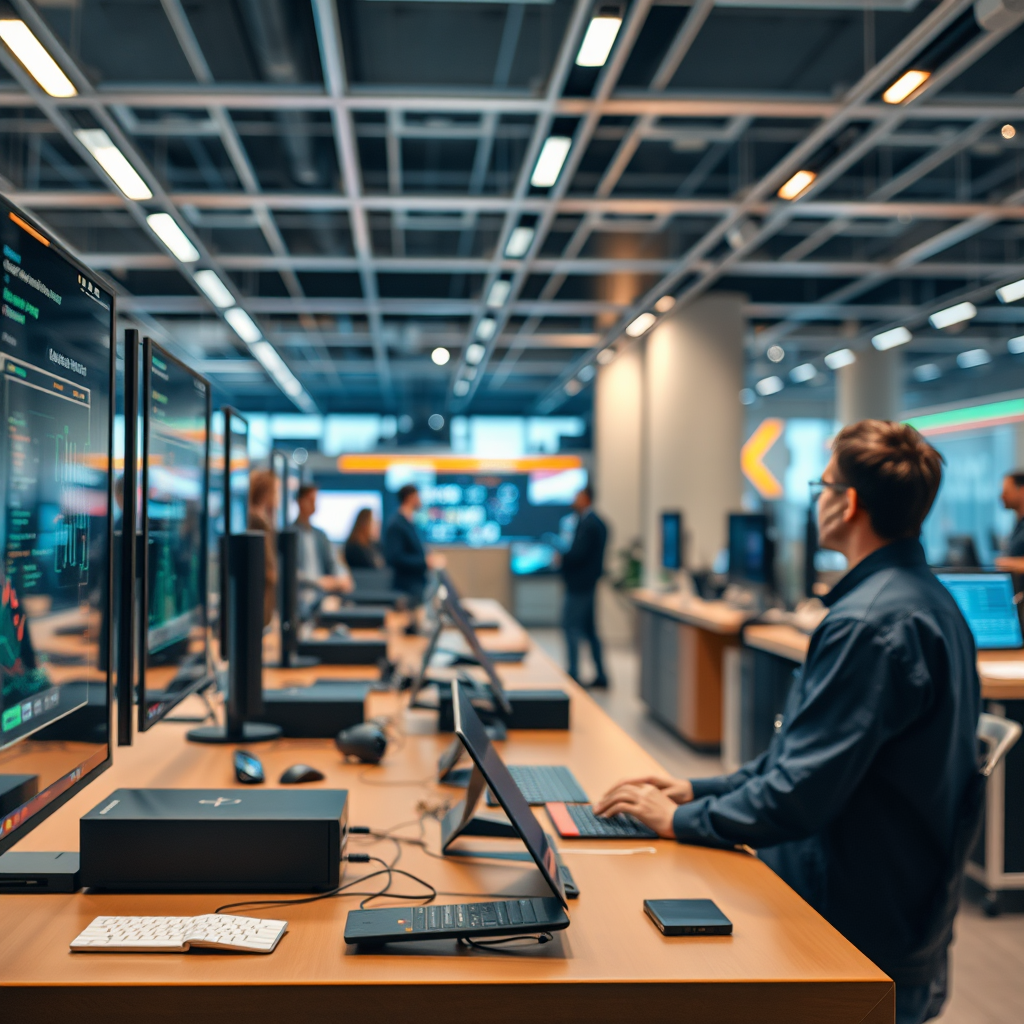
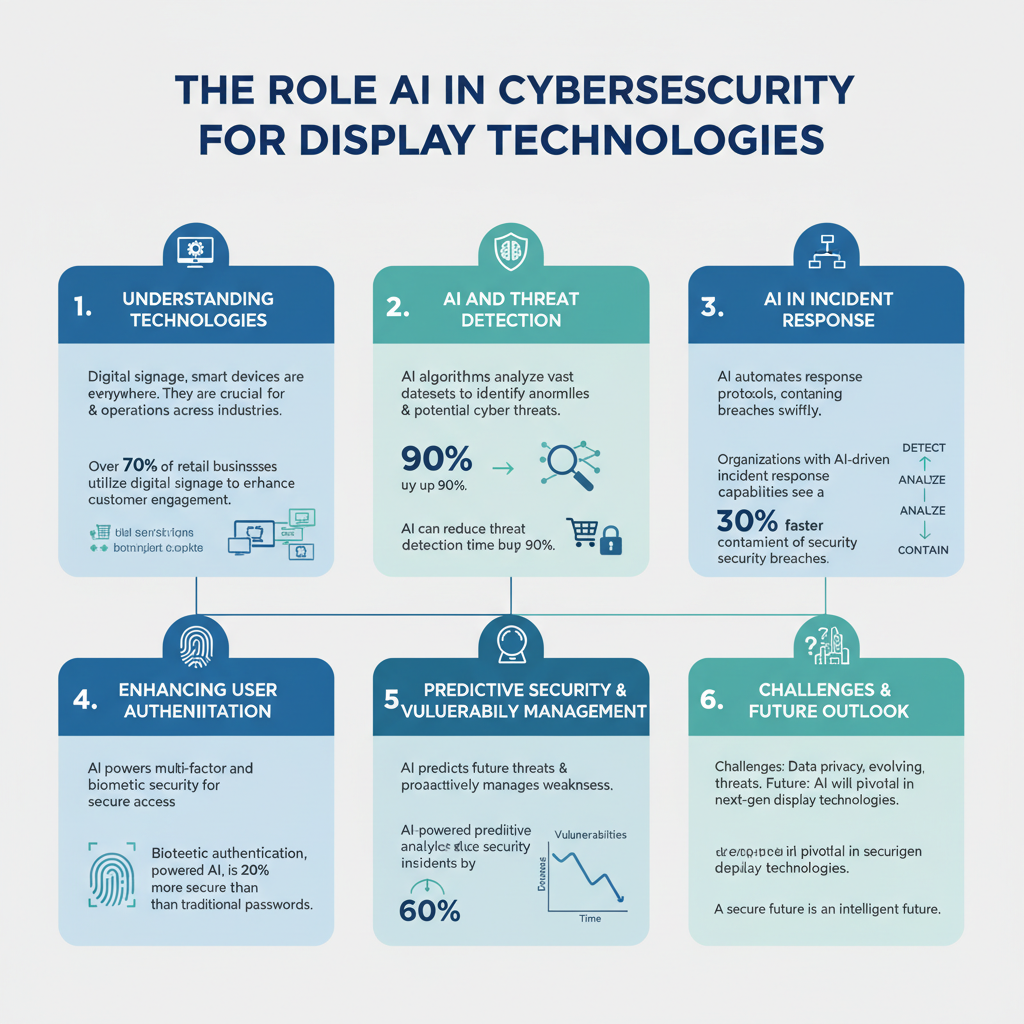
Display technologies are the backbone of various industries, including retail, healthcare, education, and entertainment. Ranging from digital signage that attracts customers in stores to smart devices that facilitate communication, these technologies play a vital role in our daily lives. However, as reliance on these displays increases, so does the risk of cyber threats. Each digital screen acts as a potential entry point for attackers, making it essential to secure them against unauthorized access and data breaches. Implementing robust cybersecurity measures is not just about protecting devices; it’s about safeguarding the sensitive information that flows through them and ensuring that user experiences remain uninterrupted and safe.
AI and Threat Detection
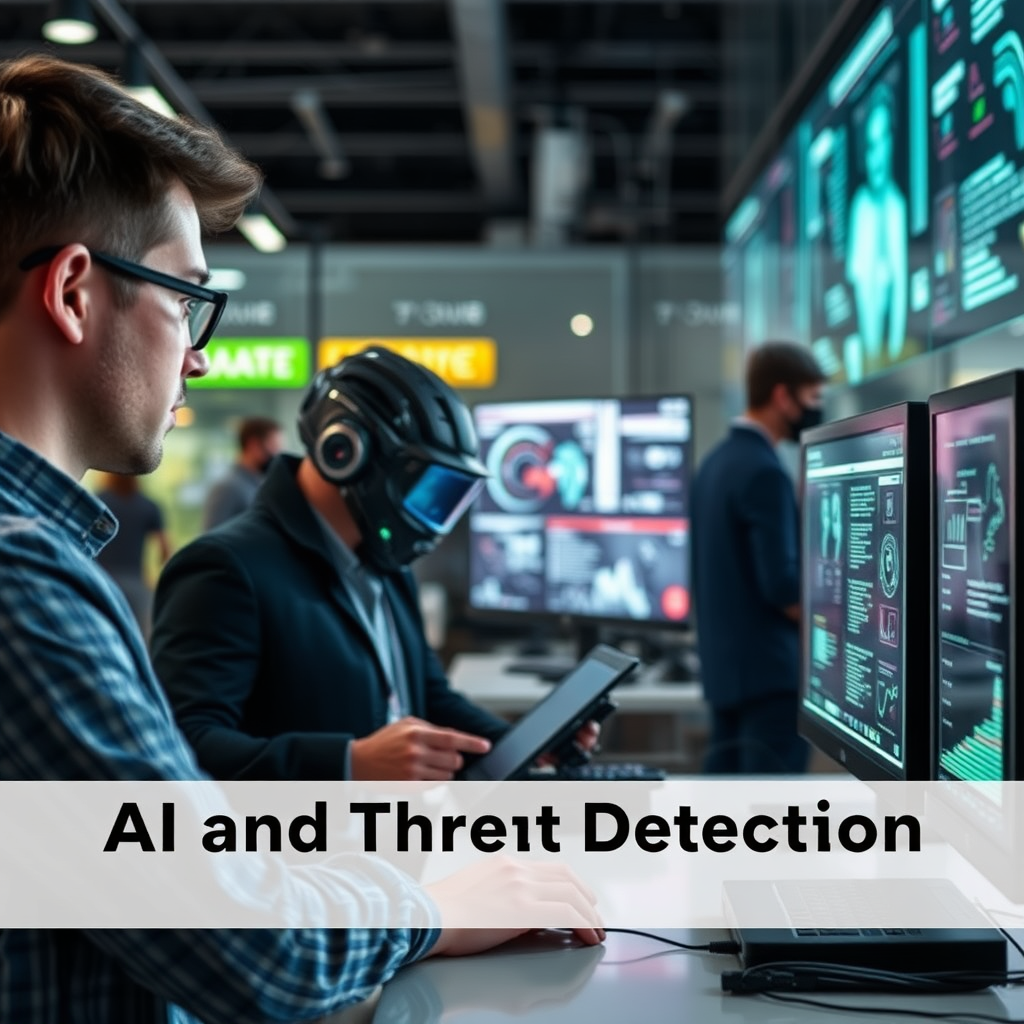
One of the most significant advantages of integrating AI into cybersecurity is its ability to detect threats more effectively than traditional methods. AI algorithms can analyze vast amounts of data to identify patterns that may indicate a cyber attack. This capability is particularly useful in displaying technologies, where real-time data processing is crucial. For instance, an AI system can monitor the behavior of devices connected to a smart display, flagging any anomalous activity that deviates from established norms.
Machine learning, a subset of AI, takes this a step further by continuously improving the accuracy of threat detection. As these systems learn from past incidents, they become adept at distinguishing between benign and malicious activities, effectively reducing false positives. This means fewer interruptions for users and a more streamlined operation for organizations, as they can focus on genuine threats rather than being bogged down by alerts that turn out to be harmless.
AI in Incident Response
In the fast-paced world of cybersecurity, speed is critical. AI systems can automate response actions to detected threats, drastically improving incident response times. For example, when a cybersecurity breach is identified, an AI-driven system can automatically isolate the affected display technology from the network, preventing further damage and containing the threat. This level of automation not only minimizes the risk but also frees up cybersecurity professionals to focus on more complex tasks that require human intervention.
Moreover, AI can facilitate the analysis of incidents post-response, providing insights into how the breach occurred and what weaknesses were exploited. This feedback loop is invaluable for organizations looking to enhance their security measures continuously. By learning from past incidents and adapting their strategies, companies can fortify their defenses against future attacks.
Enhancing User Authentication
User authentication is a critical aspect of cybersecurity, especially for display technologies that often serve multiple users. AI-driven biometric systems, such as facial recognition or fingerprint scanning, provide a secure method for granting access to sensitive information displayed on these technologies. For instance, a smart kiosk in a retail environment can use facial recognition to identify returning customers and customize their experience while ensuring that unauthorized users are denied access.
In addition to biometric systems, AI can also leverage behavioral analysis to enhance security. By monitoring how users interact with display technologies—such as typing patterns or mouse movements—AI can establish a baseline of normal behavior. If an anomaly is detected, the system can trigger alerts or additional verification steps, ensuring that unauthorized users cannot easily access sensitive information.
Challenges of Implementing AI in Cybersecurity
While the benefits of AI in cybersecurity are substantial, there are also challenges that organizations must navigate. One significant limitation is the potential for AI technologies to be vulnerable to attacks themselves. Cybercriminals are becoming increasingly sophisticated, and some may attempt to manipulate AI algorithms to bypass security measures. Ensuring that AI systems are robust and resistant to such attacks is imperative.
Additionally, the effectiveness of AI in cybersecurity relies on continuous updates and training. As cyber threats evolve, so too must the algorithms that defend against them. Organizations must invest in ongoing training and data input to keep their AI systems up to date. This can be resource-intensive and requires a commitment to regularly review and enhance security protocols.
Future Trends in AI and Cybersecurity
The future of AI in cybersecurity looks promising, with several trends expected to shape the landscape. As AI technologies evolve, we can anticipate the emergence of more sophisticated tools that leverage deep learning and natural language processing to enhance threat detection and response further. For example, AI could analyze social media or dark web activity to identify potential threats before they materialize.
Moreover, the integration of AI with other emerging technologies, such as the Internet of Things (IoT) and blockchain, will create more secure environments for display technologies. These combinations can provide layered security strategies, making it increasingly challenging for attackers to breach systems.
Organizations should also expect an increase in collaborative efforts between AI systems and human cybersecurity teams. While AI can handle routine tasks and data processing, human experts will remain essential for strategic decision-making and complex incident resolution. This partnership will likely lead to a more robust security framework.
Case Studies of Successful AI Implementation
Many organizations have successfully integrated AI into their cybersecurity frameworks, yielding impressive results. For instance, a major retail chain implemented an AI-driven monitoring system for its digital signage. The system analyzed user interactions and flagged any suspicious behavior. As a result, the chain reported a significant decrease in unauthorized access attempts and improved customer satisfaction due to the seamless, secure experience provided.
Another example comes from the healthcare sector, where a hospital utilized AI for its patient display systems. By employing biometric authentication and behavioral analysis, the hospital ensured that sensitive patient data was only accessible to authorized personnel. This implementation not only enhanced security but also contributed to a more efficient workflow, allowing healthcare professionals to focus on patient care rather than security concerns.
These case studies illustrate the tangible benefits of AI in enhancing cybersecurity for display technologies, emphasizing the importance of proactive measures in today’s digital landscape.
Summarizing the transformative role AI plays in enhancing cybersecurity for display technologies, it’s evident that while challenges exist, the benefits far outweigh them. Companies must prioritize the adoption of AI-driven solutions to protect their systems proactively. For further insights, consider exploring specific AI tools that can be integrated into your cybersecurity strategies. By embracing AI, organizations can fortify their defenses, safeguard sensitive information, and ensure a secure and seamless user experience.
Frequently Asked Questions
What is the role of AI in enhancing cybersecurity for display technologies?
AI plays a crucial role in enhancing cybersecurity for display technologies by enabling real-time threat detection and response. Utilizing machine learning algorithms, AI systems can analyze vast amounts of data from display networks to identify unusual patterns that may indicate a cyber threat. This proactive approach helps secure sensitive information displayed on screens, such as customer data in retail environments, and ensures the integrity of the content being displayed.
How does AI improve malware detection in display technologies?
AI improves malware detection in display technologies by employing advanced algorithms that can recognize the signatures and behaviors of malware more effectively than traditional methods. By analyzing historical data and learning from previous attacks, AI can identify anomalies in system behavior, flagging potential malware threats before they can cause significant harm. This capability is particularly important in environments that rely on digital signage and interactive displays, where malware can compromise both security and user experience.
Why is AI necessary for protecting IoT-enabled display devices?
AI is necessary for protecting IoT-enabled display devices because these devices often operate without constant human oversight, making them vulnerable to cyber attacks. With the increasing connectivity of devices, AI can continuously monitor network traffic and device behavior to detect potential vulnerabilities or breaches. By automating threat detection and response, AI ensures that IoT display devices are safeguarded against evolving cyber threats, thus maintaining operational integrity and user trust.
What are the best AI tools for improving cybersecurity in display technologies?
Some of the best AI tools for improving cybersecurity in display technologies include Darktrace, CrowdStrike, and IBM Watson for Cyber Security. These platforms utilize machine learning and artificial intelligence to provide advanced threat detection, real-time monitoring, and automated incident response. Choosing the right tool depends on specific business needs, existing infrastructure, and the type of display technology being used, ensuring comprehensive protection against cyber threats.
Which cybersecurity threats can AI help mitigate in display technologies?
AI can help mitigate various cybersecurity threats in display technologies, including phishing attacks, ransomware, and unauthorized access. By continuously analyzing user behavior and network traffic, AI can quickly identify potential phishing attempts and block them before users are compromised. Additionally, AI systems can detect unusual access patterns, helping to prevent unauthorized users from gaining control over critical display systems, thereby protecting sensitive information from being exploited.
References
- Applications of artificial intelligence
- https://www.nist.gov/news-events/news/2020/05/nist-releases-guide-ai-cybersecurity
- https://www.sciencedirect.com/science/article/pii/S0167404821000116
- https://www.researchgate.net/publication/342117678_Artificial_Intelligence_in_Cybersecurity_Opportunities_and_Challenges
- https://www.bbc.com/news/technology-53718410
- https://www.techrepublic.com/article/how-ai-is-changing-the-cybersecurity-landscape/
- https://www.acm.org/publications/tocs/ai-in-cybersecurity
- https://www.cisa.gov/insights/articles/2021/01/role-ai-cybersecurity
- 2017 U.S. Air Force Community Feedback Tool: Key Results Report for Air Force Headquarters | RAND