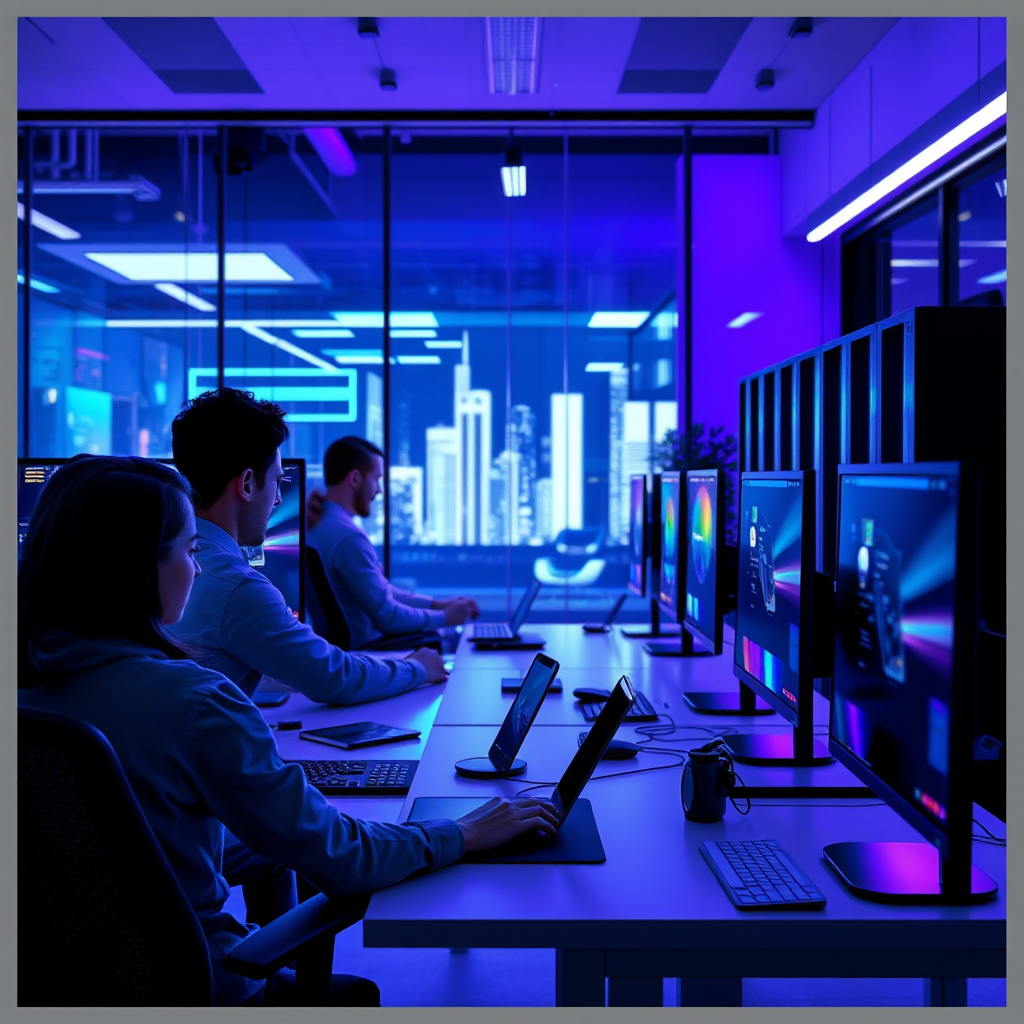

AI-generated environments are transforming the way we interact with digital spaces by customizing experiences to match user display preferences in real-time. These systems leverage advanced machine learning algorithms to analyze user behavior and adapt elements such as lighting, layout, and even color schemes to create immersive virtual experiences tailored to individual tastes. In this article, you’ll discover how these intelligent systems work, the technology behind them, and their potential to redefine user experiences across various platforms.
Understanding User Display Preferences
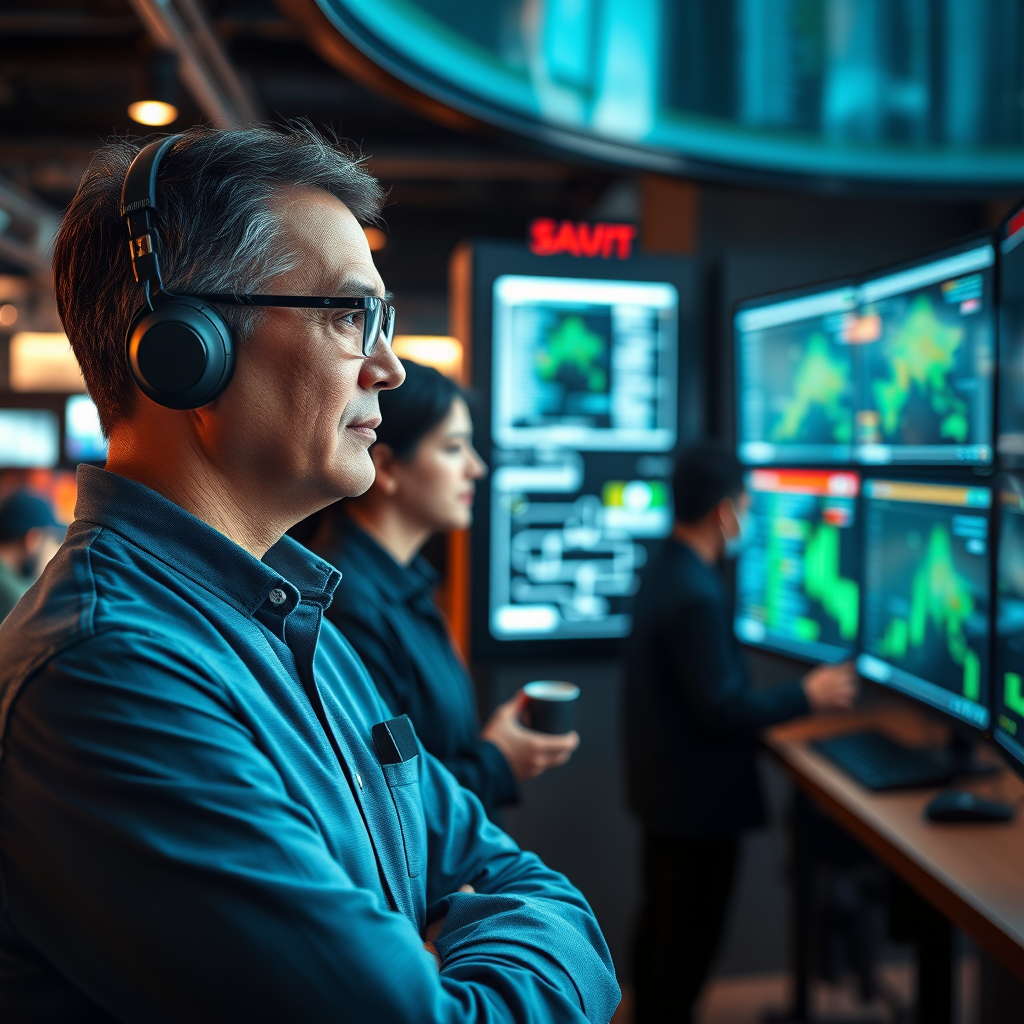
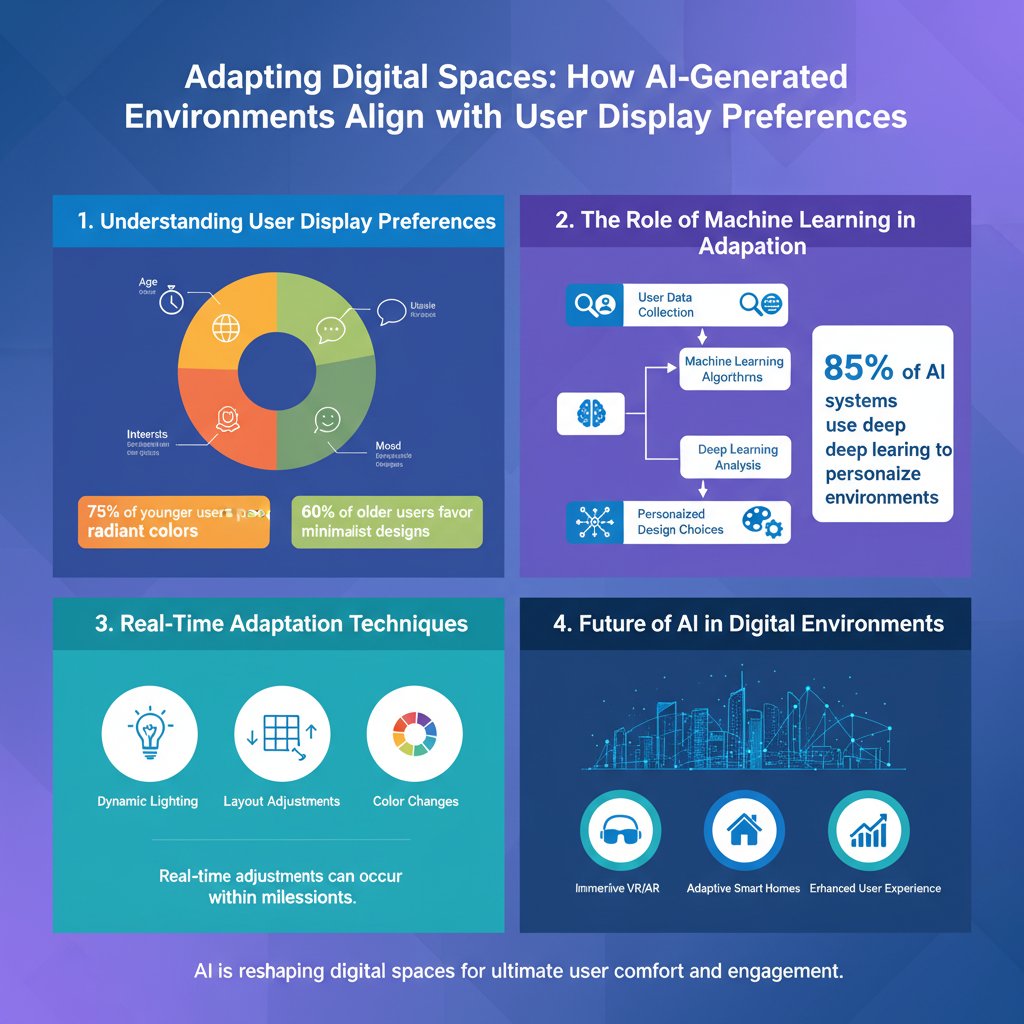
User display preferences can vary greatly, influenced by factors like age, culture, personal interests, and even mood. For instance, a younger audience might prefer vibrant colors and dynamic animations, while older users could gravitate towards simpler, more intuitive layouts. To cater to such diverse preferences, AI systems gather data through nuanced user interactions, including clicks, time spent on elements, and direct feedback. This data collection allows AI to learn and predict individual preferences over time, creating a more personalized experience.
For example, in a virtual shopping environment, an AI system might notice that a user frequently spends time looking at blue-themed items. Based on this behavior, the system could adjust the display to showcase similar products in a blue palette, enhancing the likelihood of engagement. This adaptability not only improves user satisfaction but also encourages longer interaction times, benefiting businesses aiming for higher conversion rates.
The Role of Machine Learning in Adaptation

Machine learning plays a crucial role in the adaptation of AI-generated environments. These algorithms process vast amounts of data to identify patterns in user behavior, honing in on what works and what doesn’t. For instance, when an AI detects that users tend to abandon a virtual environment when specific colors are used, it can adjust future displays to avoid those palettes, thus reducing drop-offs.
Moreover, these algorithms continuously improve their accuracy as more data is collected. This means that the more a user interacts with the environment, the better the system becomes at predicting their preferences. For example, an AI might initially offer a generic layout for a virtual workspace. Still, as it learns from user adjustments—like moving a desk or changing the wall color—it can begin to suggest layouts that align more closely with the user’s style, ultimately creating a workspace that feels uniquely tailored to them.
Real-Time Adaptation Techniques
One of the most exciting aspects of AI-generated environments is their ability to modify elements in real-time. Techniques such as dynamic color adjustments, object placement, and even soundscapes can be altered instantly based on user interactions. For instance, if a user expresses interest in a particular feature, the AI can highlight it or adjust the surrounding elements to draw attention to it further.
Feedback loops are essential in this adaptive process. These loops allow the system to respond instantly based on user reactions, which enhances the overall experience. For example, in a gaming scenario, if a player reacts positively to a specific game environment, the AI can quickly replicate and emphasize similar features in future levels, thus maintaining engagement and excitement.
Moreover, real-time adaptation isn’t limited to visual elements. In virtual reality (VR) settings, the AI can also adjust audio cues based on user behavior, creating a more immersive experience that feels responsive to the player’s actions. This level of adaptability not only enriches the experience but also helps in crafting environments that resonate with users on a deeper level.
Case Studies: Successful Implementations
Several case studies exemplify the successful implementation of AI-generated environments tailored to user preferences. In the gaming industry, titles like “No Man’s Sky” utilize AI to create vast, procedurally generated worlds that adapt to the player’s choices and playstyle. Each player’s experience can be vastly different, as the AI curates environments based on individual exploration patterns, making each journey unique and engaging.
In the realm of business, companies are increasingly adopting AI-generated environments for training simulations. For example, organizations like Walmart have employed virtual reality training programs that adjust to different employee learning styles. As employees interact with the training modules, the AI analyzes their performance and preferences, adapting scenarios to better suit their learning pace and style. This not only enhances the training experience but also improves retention and application of skills in real-world situations.
These case studies highlight how AI can create personalized experiences that not only engage users but also serve practical purposes in learning and development.
Challenges in AI Adaptation
Despite the exciting advancements in AI-generated environments, several challenges remain. One significant hurdle is data privacy concerns, which can hinder the collection of user preferences. Users are increasingly wary of how their data is used, and stringent regulations like GDPR in Europe add layers of complexity to data collection. Without sufficient consent and transparency, the effectiveness of AI systems may be limited, as they struggle to gather the necessary data to tailor experiences accurately.
Additionally, ensuring consistency in user experience across different devices and platforms poses another technical challenge. Users may switch between smartphones, tablets, and desktops, and maintaining a cohesive experience across these varying environments requires sophisticated integration. For instance, a user might customize their virtual workspace on a desktop, but if those preferences do not translate seamlessly to a mobile device, the experience could feel disjointed and frustrating.
Addressing these challenges is crucial for the continued evolution of AI-generated environments, as they must balance user personalization with ethical data practices and technical reliability.
The Future of AI in Display Customization
Looking ahead, the future of AI in display customization is filled with potential. Innovations in AI technology promise even more sophisticated adaptations in the coming years. For instance, advancements in emotional recognition could allow AI systems to detect user emotions through facial expressions or voice tones, enabling environments to adjust accordingly. Imagine a virtual workspace that dims lights and softens sounds when it detects stress, creating a calming atmosphere.
Furthermore, improved contextual awareness could allow AI to understand the situation in which a user is engaging with the environment. For instance, if a user is in a meeting versus working on a creative project, the AI could adjust the virtual space to reflect the appropriate mood and functionality for each scenario.
As AI technology continues to evolve, those interested in leveraging these environments should stay informed about the latest advancements and consider how they can be applied in their own projects, whether in entertainment, education, or workplace settings.
The integration of AI-generated environments into various sectors is revolutionizing how users interact with digital spaces. By understanding and adapting to display preferences, these technologies not only enhance user satisfaction but also pave the way for future innovations in personalized experiences. As AI continues to advance, those interested in leveraging these environments should stay informed and consider their applications in their own projects. Embracing these technologies now could provide a competitive edge in creating engaging, user-centered experiences that resonate deeply with audiences.
Frequently Asked Questions
What are AI-generated environments and how do they adapt to display preferences?
AI-generated environments are digitally created spaces that use artificial intelligence to simulate realistic landscapes, interiors, or settings. These environments can adapt to user display preferences by analyzing factors such as screen size, resolution, and user interactions, ensuring optimal visual experiences. This adaptability enhances user engagement by delivering tailored content that aligns with individual viewing conditions.
How can I customize AI-generated environments for my specific display settings?
Customizing AI-generated environments involves adjusting settings within the application or platform that creates these environments. Most platforms offer user-friendly interfaces where you can modify parameters like brightness, contrast, and resolution. Additionally, many AI systems learn from user behavior, allowing them to automatically optimize the environment based on your display preferences over time.
Why is it important for AI-generated environments to adapt to user preferences?
Adapting to user preferences in AI-generated environments is crucial for improving user experience and satisfaction. When these environments align with individual display characteristics, it enhances clarity, reduces eye strain, and maximizes immersion. This personalization leads to longer engagement times and better interactions, making the technology more effective for applications in gaming, training, and virtual reality.
What are the best practices for developers to ensure AI-generated environments adapt properly to display preferences?
Developers should implement responsive design principles and machine learning algorithms that can analyze and respond to user display preferences effectively. Additionally, including user feedback mechanisms can help refine the adaptation process. Utilizing scalable graphics and ensuring compatibility across various devices also plays a vital role in creating flexible AI environments that meet diverse user needs.
Which industries benefit the most from AI-generated environments adapting to display preferences?
Several industries benefit significantly from AI-generated environments, especially those focused on gaming, virtual reality, architecture, and education. In gaming, for instance, personalized environments enhance user immersion and enjoyment. In architecture, tailored visualizations allow clients to experience designs in the best possible light, while educational platforms can use adaptive environments to cater to different learning styles and preferences, improving overall engagement and effectiveness.
References
- https://en.wikipedia.org/wiki/Artificial_intelligence
- https://www.sciencedirect.com/science/article/pii/S0004370221000784
- https://www.nature.com/articles/s41598-019-46020-6
- https://www.technologyreview.com/2021/06/10/1025799/ai-generated-environments/
- https://www.bbc.com/news/technology-57813529
- https://www.researchgate.net/publication/335413646_Adaptive_AI_Environments_for_Human_Interaction
- https://www.frontiersin.org/articles/10.3389/frai.2021.00001/full
- https://www.acm.org/publications/toc
- https://www.nsf.gov/news/special_reports/ai/index.jsp