

In the metaverse, personalized AI interfaces significantly enhance user experiences by adapting to individual preferences and behaviors, creating a uniquely immersive environment. These advanced interfaces leverage algorithms and machine learning techniques to tailor interactions, making virtual realities more engaging and relevant for each user. By understanding how these systems work and their effects on user engagement and satisfaction, we can better appreciate the transformative potential of the metaverse.
Understanding Personalized AI Interfaces

Personalized AI interfaces are designed to analyze user behavior and preferences through data analytics. They collect vast amounts of information, such as how users interact with virtual environments, what content they consume, and their emotional responses to various stimuli. This data is then processed to create a profile for each user, allowing the AI to curate content and experiences that resonate with their unique tastes.
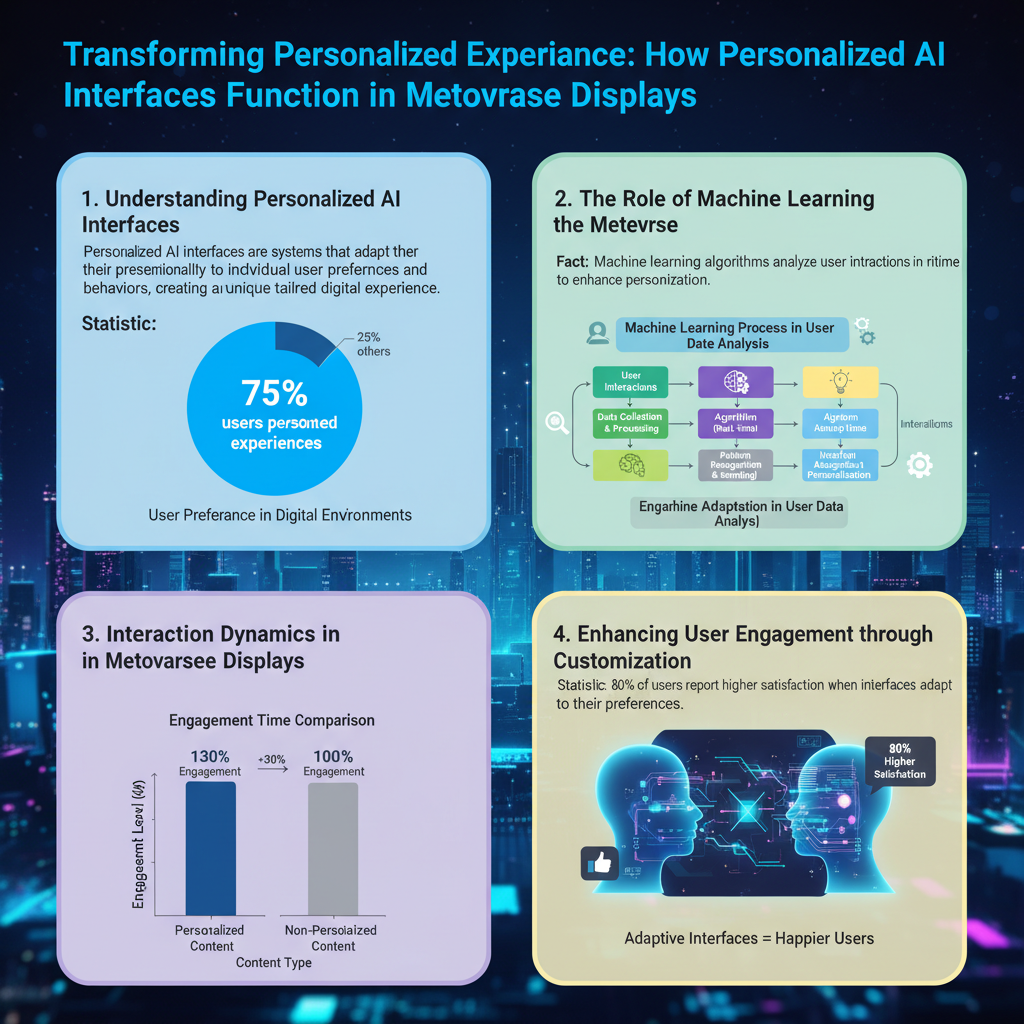
For example, if a user frequently visits art galleries in a virtual world, the AI might prioritize showcasing new exhibitions or artist interviews, ensuring that the user feels a sense of continuous discovery. This dynamic content delivery not only makes the experience enjoyable but also encourages users to engage with the metaverse more frequently, knowing that each visit will offer something tailored just for them.
The Role of Machine Learning in the Metaverse
Machine learning plays a crucial role in the functionality of personalized AI interfaces within the metaverse. These algorithms analyze user data in real-time, enabling the AI to adapt quickly to changing preferences and behaviors. For instance, if a user starts showing interest in adventure games instead of social simulations, the AI can promptly adjust recommendations to introduce similar games or experiences.
Additionally, machine learning models learn from past interactions, identifying patterns that reveal what types of content users are likely to enjoy in the future. This predictive capability means that users are not just passively consuming content; they are engaged in a constantly evolving dialogue with the metaverse, where the AI becomes more attuned to their needs over time. The result is a personalized experience that feels intuitive and responsive, fostering a deeper connection between the user and the virtual environment.
Interaction Dynamics in Metaverse Displays
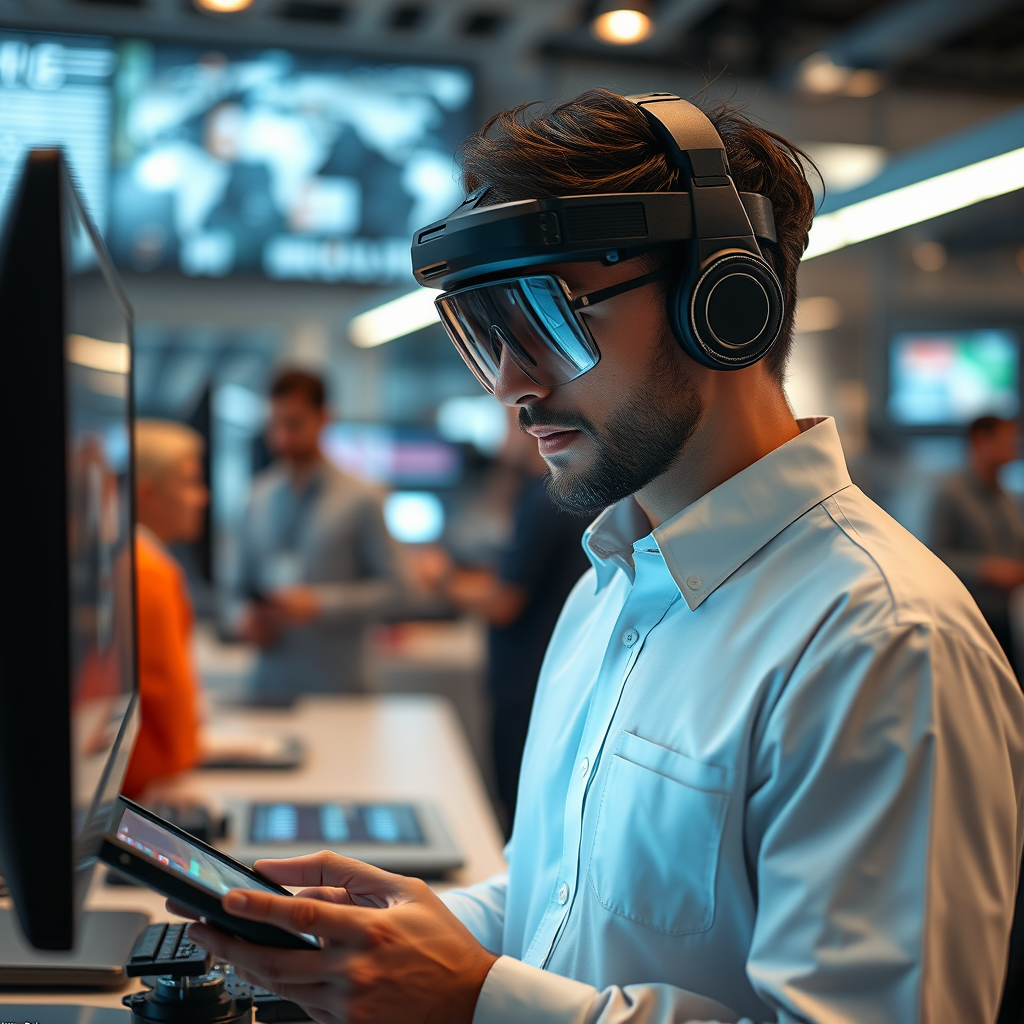
The interaction dynamics facilitated by AI interfaces in metaverse displays are pivotal in shaping user experiences. A key feature is natural language processing (NLP), which allows users to communicate with AI in a conversational manner. This means users can ask questions, request information, or seek assistance without needing to learn complex commands. Imagine walking into a virtual café and simply asking the AI for recommendations on drinks or events happening that week—the AI understands the request and provides tailored suggestions.
Moreover, advances in gesture recognition technology enable users to interact with the virtual world using natural movements. This makes the experience more intuitive, as users can wave their hands to navigate through spaces or use facial expressions to convey emotions during interactions. Such seamless input methods remove barriers to engagement, making users feel more present and connected within the metaverse.
Enhancing User Engagement through Customization
One of the most exciting aspects of personalized AI interfaces is their ability to enhance user engagement through customization. Personalized recommendations are a powerful tool for keeping users involved, as they ensure that the content presented is relevant and appealing. For instance, if a user enjoys virtual reality concerts, the AI might suggest upcoming performances based on musical preferences, ensuring that users have a continuous stream of engaging experiences.
Additionally, the ability to create customized avatars and environments allows users to express their identity within the metaverse. Users can personalize their digital selves—choosing clothing, accessories, and even physical traits that resonate with their real-world persona or an idealized version of themselves. This customization fosters a sense of ownership and belonging, encouraging users to invest more time and effort in their virtual experiences. When users see themselves reflected in their avatars and surroundings, it deepens their emotional connection to the metaverse.
Privacy and Security Considerations
While personalized AI interfaces offer many benefits, they also raise essential privacy and security considerations. The collection of user data for personalization can lead to concerns about how that information is used and who has access to it. Users may be wary of sharing personal details if they don’t trust that their data will be protected.
To address these concerns, developers must implement robust security measures, such as encryption and data anonymization, to safeguard user information. Transparency is also key; providing users with clear information about what data is collected and how it is utilized can foster trust. By prioritizing privacy and security, developers can create an environment where users feel comfortable engaging with personalized AI interfaces, ultimately leading to a more vibrant and active metaverse community.
Future Trends in AI and Metaverse Integration
Looking ahead, the integration of AI and metaverse technology is poised for exciting developments. Emerging technologies, such as augmented reality (AR), will further enhance the personalization capabilities of AI. For instance, as AR becomes more prevalent, users may find themselves in environments that adapt in real-time to their surroundings, suggesting interactions or experiences based on contextual data.
Moreover, the development of more sophisticated AI models promises an even deeper level of personalization. As AI continues to evolve, it will become better at understanding complex human emotions and preferences, leading to interactions that feel not just personalized, but also empathetic. This evolution could result in virtual companions or guides that offer support, advice, or simply good company, enhancing the overall metaverse experience.
The integration of personalized AI interfaces in metaverse displays revolutionizes user experience by creating tailored environments that respond to individual needs. As technology continues to evolve, embracing these advancements will be crucial for both users and developers. By understanding the implications and possibilities of personalized AI, users can explore how to leverage these innovations to enhance their own metaverse interactions, ensuring that their virtual experiences are as fulfilling and engaging as possible.
Frequently Asked Questions
What are personalized AI interfaces in metaverse displays, and how do they function?
Personalized AI interfaces in metaverse displays are advanced digital systems that adapt to individual user preferences and behaviors. These interfaces utilize machine learning algorithms and user data to create customized experiences, such as tailored avatars, interactive environments, and personalized content suggestions. By analyzing user interaction patterns, these AI systems can enhance engagement and provide a more immersive experience in virtual spaces.
How do personalized AI interfaces improve user experience in the metaverse?
Personalized AI interfaces enhance user experience in the metaverse by ensuring that interactions and environments are tailored to individual preferences. This can include customized virtual spaces, personalized recommendations for events or activities, and adaptive learning that adjusts based on user feedback. By creating a more relevant and engaging experience, users are more likely to spend time in the metaverse and feel a deeper connection to the content and community.
Why is personalization important in metaverse displays?
Personalization is crucial in metaverse displays because it fosters a sense of ownership and belonging among users. In a virtual environment where countless interactions occur, personalized experiences help users navigate vast content more effectively and connect with others who share similar interests. This tailored approach not only enhances user satisfaction but also drives engagement, making the metaverse a more appealing and dynamic space for exploration and interaction.
What are the best practices for developing personalized AI interfaces in the metaverse?
Developing effective personalized AI interfaces in the metaverse involves several best practices, including robust data collection methods to understand user behavior and preferences, implementing strong privacy measures to protect user data, and utilizing adaptive algorithms that can learn and evolve over time. Additionally, it’s important to create intuitive UI/UX designs that allow for seamless interaction and ensure users feel in control of their personalized experiences.
Which technologies are essential for creating personalized AI interfaces in metaverse displays?
Key technologies essential for creating personalized AI interfaces in metaverse displays include natural language processing (NLP) for conversational interactions, machine learning algorithms for predictive analytics, and augmented reality (AR) or virtual reality (VR) tools for immersive experiences. Additionally, cloud computing and edge computing play a vital role in processing and analyzing vast amounts of data in real-time, enabling a responsive and personalized experience for users in the metaverse.
References
- Metaverse
- https://www.bbc.com/news/technology-59012285
- https://www.sciencedirect.com/science/article/abs/pii/S0167739X21001367
- https://www.nytimes.com/2022/10/28/technology/metaverse-facebook.html
- https://www.forbes.com/sites/bernardmarr/2021/10/25/how-the-metaverse-will-change-the-way-we-live-and-work/?sh=7ff61c1b3946
- https://www.researchgate.net/publication/351234678_Artificial_Intelligence_in_the_Metaverse
- https://www.wired.com/story/metaverse-virtual-reality-augmented-reality/
- https://www.nature.com/articles/s41598-021-94342-5
- https://www.techcrunch.com/2021/10/28/the-metaverse-is-here/