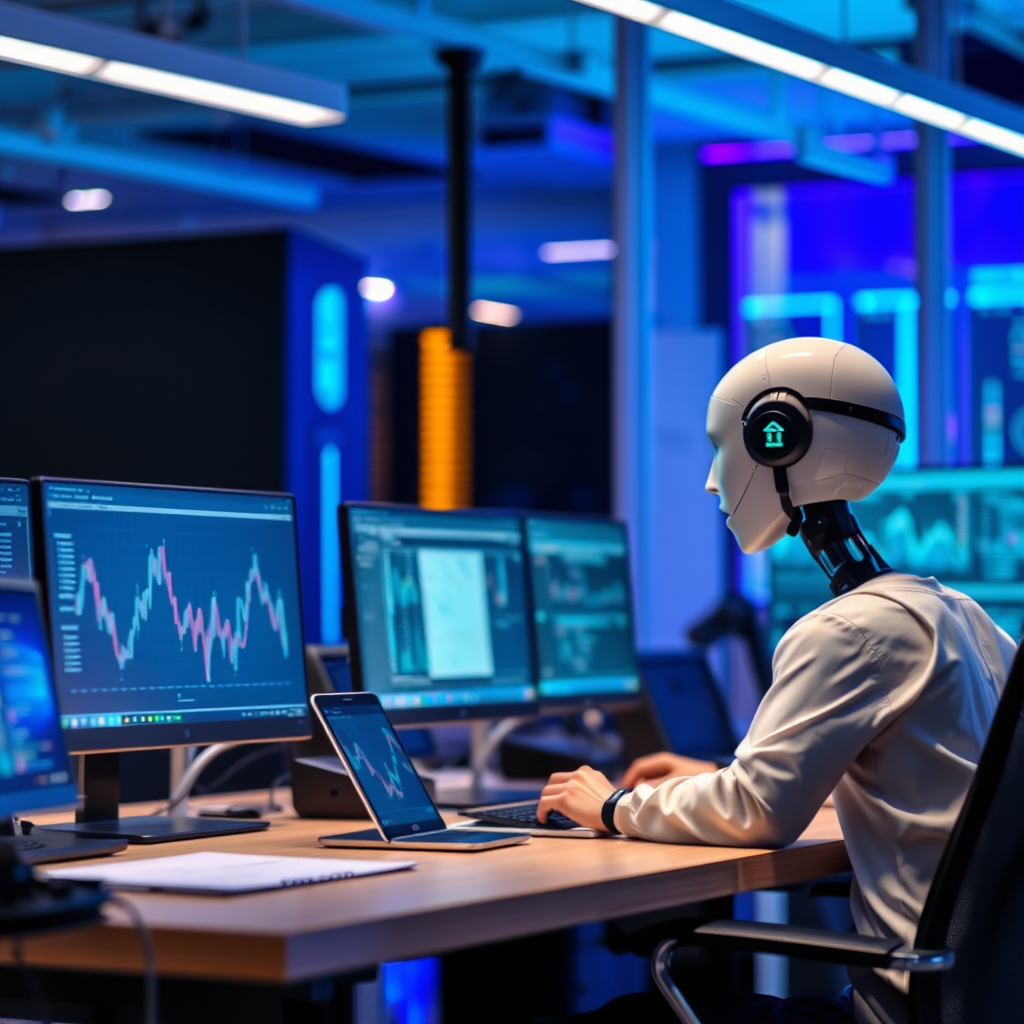

The integration of AI in traffic management through display analytics significantly enhances the efficiency and responsiveness of urban transport systems. By leveraging real-time data from various sources, AI can optimize traffic flow, reduce congestion, and improve safety. This innovative approach not only streamlines commuting experiences but also empowers city planners to make informed decisions that foster sustainable urban growth. In this article, we will explore how AI-driven display analytics transforms traffic management and the benefits it brings to cities.
Understanding AI and Display Analytics in Traffic Management

AI, or artificial intelligence, refers to the simulation of human intelligence in machines designed to think and act like humans. In traffic systems, AI can analyze vast amounts of data, predict traffic patterns, and automate responses to changing conditions. This system is particularly effective when combined with display analytics, which involves the collection and analysis of traffic data through sensors, cameras, and other digital platforms. Display analytics provides a visual representation of traffic conditions, enabling real-time analysis of vehicle flow, congestion levels, and even pedestrian movements. By understanding these metrics, cities can make data-driven decisions that enhance overall traffic management.
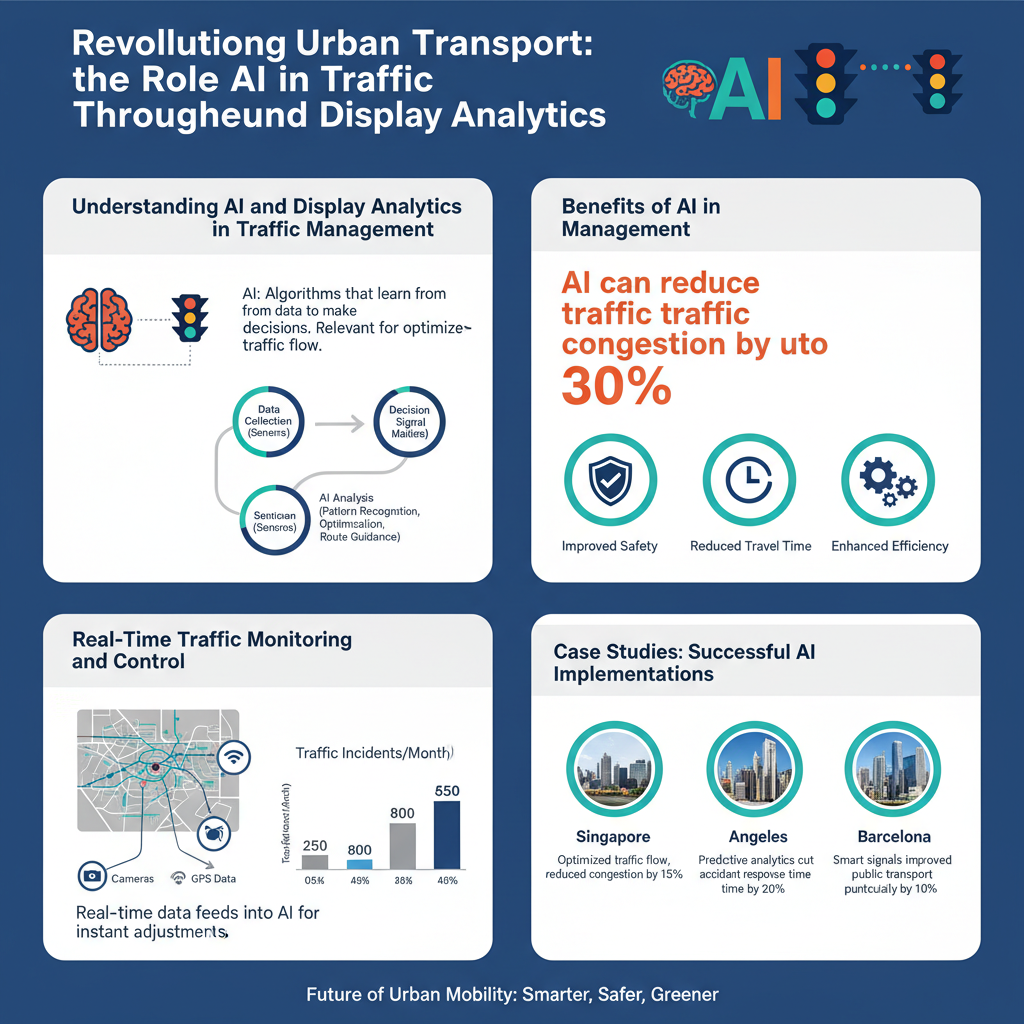
Display analytics collects data from numerous sources, including GPS data from vehicles, traffic cameras, and mobile applications. This information is processed to identify patterns and trends in traffic behavior. For instance, AI can recognize peak hours when congestion is likely to occur and suggest alternative routes or adjust traffic signals accordingly. The combination of AI and display analytics creates a comprehensive view of urban mobility, allowing cities to respond swiftly to emerging challenges.
Benefits of AI in Traffic Management

One of the most significant benefits of integrating AI into traffic management is the improvement of traffic flow and the reduction of congestion. Predictive analytics plays a vital role in this area by using historical and real-time data to forecast traffic conditions. For example, AI can analyze past traffic data to determine the best times for road maintenance or construction, minimizing disruptions. By predicting when and where congestion will occur, city officials can implement strategies such as rerouting traffic or increasing public transport options during peak times.
Enhanced safety measures are another crucial advantage of AI in traffic management. By identifying high-risk areas and accident patterns, AI can proactively address safety concerns. For instance, if a particular intersection records multiple accidents, AI can analyze the contributing factors—such as traffic volume, signal timing, or visibility issues—and recommend targeted improvements. This data-driven approach helps cities allocate resources effectively, ensuring that safety measures are implemented where they are needed most.
Real-Time Traffic Monitoring and Control
AI algorithms are instrumental in monitoring traffic conditions in real-time. By continuously analyzing data from various sources, these algorithms can detect changes in traffic flow and respond accordingly. For example, if an accident occurs on a major roadway, AI can quickly assess the impact on surrounding routes and suggest detours to drivers through navigation apps. This responsive system not only alleviates congestion but also improves overall traffic efficiency.
Dynamic traffic signal adjustments are another exciting application of AI in traffic management. Instead of relying on fixed signal timings, AI can adjust traffic lights based on current conditions. For instance, if a particular street experiences an unexpected surge of vehicles, AI can extend the green light duration to facilitate smoother flow. This real-time adaptability helps to keep traffic moving and reduces the likelihood of frustrating stop-and-go conditions.
Case Studies: Successful AI Implementations
Several cities around the world have successfully integrated AI into their traffic management systems, yielding remarkable outcomes. For instance, Los Angeles implemented an AI-driven traffic signal control system that optimizes signal timings based on real-time traffic data. As a result, the city reported a 10% reduction in travel times across several major routes, significantly enhancing commuter experience.
In Singapore, the government has utilized AI and display analytics to monitor and manage traffic patterns throughout the city. The Smart Traffic Management System leverages data from various sources to predict traffic conditions, leading to a notable decrease in congestion and a reduction in accidents by over 15% since its implementation. These case studies highlight the transformative potential of AI in improving urban traffic systems.
Challenges and Considerations
While the benefits of AI in traffic management are substantial, there are also challenges to consider. One primary concern is the potential for high implementation costs. Upgrading existing infrastructure to accommodate AI technologies may require significant investment from city budgets. Moreover, the integration of multiple data sources necessitates advanced technological frameworks that some cities may struggle to develop.
Data privacy is another crucial consideration. As traffic management systems rely heavily on personal data, including location tracking through mobile devices, cities must prioritize user privacy and ensure compliance with data protection regulations. Striking a balance between effective traffic management and protecting citizens’ rights will be essential for successful AI implementations.
Future Trends in AI and Traffic Management
Looking ahead, emerging technologies such as 5G connectivity and the Internet of Things (IoT) are poised to further enhance traffic management capabilities. With faster data transmission speeds and interconnected devices, cities can expect even more accurate real-time traffic data, leading to improved decision-making. Additionally, the rise of autonomous vehicles presents new opportunities for AI in traffic management. As these vehicles become more prevalent, traffic systems will need to adapt to accommodate their unique operational requirements.
As cities continue to embrace smart initiatives, AI will play an increasingly vital role in developing sustainable urban mobility solutions. Urban planners and policymakers must stay abreast of technological advancements to leverage these tools effectively, ensuring a smoother, safer, and more efficient transportation experience for all.
The implementation of AI in traffic management through display analytics is revolutionizing how cities handle transportation issues. By optimizing traffic flow, enhancing safety, and providing real-time insights, AI is poised to play a crucial role in shaping the future of urban mobility. For city planners and decision-makers, embracing these technologies is essential for creating smarter, more efficient transportation systems. As we continue to explore the possibilities of AI in traffic management, the path toward smarter cities becomes clearer and more achievable.
Frequently Asked Questions
What is the role of AI in traffic management through display analytics?
AI plays a crucial role in traffic management by utilizing display analytics to gather, analyze, and interpret large datasets from traffic cameras and sensors. This technology enables real-time monitoring of traffic flow, congestion levels, and other critical factors. By processing this data, AI algorithms can provide insights that help city planners optimize traffic signals, reduce bottlenecks, and enhance overall road safety, ultimately leading to smoother traffic conditions.
How can display analytics improve traffic flow in urban areas?
Display analytics, when powered by AI, can significantly improve urban traffic flow by providing accurate, real-time visualizations of traffic patterns. These insights allow traffic management systems to adjust signal timings dynamically, reroute vehicles away from congested areas, and inform drivers about optimal routes. As a result, cities can reduce travel times, minimize emissions, and enhance the commuting experience for residents.
Why is AI preferred over traditional methods in traffic management?
AI is preferred over traditional traffic management methods due to its ability to process vast amounts of data quickly and accurately. While conventional systems often rely on historical data and fixed timing schedules, AI can adapt to real-time conditions, making decisions based on immediate traffic circumstances. This adaptability leads to more effective traffic management strategies, improved response times during incidents, and a reduction in the overall congestion faced by urban areas.
What are the best practices for implementing AI-driven display analytics in traffic management?
The best practices for implementing AI-driven display analytics in traffic management include integrating multiple data sources, such as GPS data, social media traffic updates, and weather conditions, to create a comprehensive view of traffic dynamics. Additionally, collaboration between city planners, technology providers, and transportation authorities is essential to ensure that the systems are tailored to local needs. Regular monitoring and updating of algorithms based on real-world performance data also help maintain the effectiveness of the AI system.
Which challenges do cities face when using AI for traffic management with display analytics?
Cities face several challenges when adopting AI for traffic management through display analytics, including data privacy concerns, the high cost of technology implementation, and the need for skilled personnel to manage these systems. Additionally, ensuring interoperability between various traffic management technologies can be difficult, as many cities operate with legacy systems that may not seamlessly integrate with AI solutions. Overcoming these challenges is crucial for maximizing the benefits of AI in improving traffic conditions and enhancing urban mobility.
References
- Traffic management
- Automated Vehicle Safety | NHTSA
- https://www.sciencedirect.com/science/article/pii/S0968090X20300134
- ITS JPO | ITS Joint Program Office
- https://www.ncbi.nlm.nih.gov/pmc/articles/PMC8176545/
- https://www.bbc.com/future/article/20210106-how-ai-could-transform-traffic-management
- https://www.itu.int/en/ITU-T/focusgroups/ai4iot/Pages/default.aspx
- TRB Straight to Recording for All: Adaptive Reuse of Aggregate Pits and Quarries | Blurbs New | B…