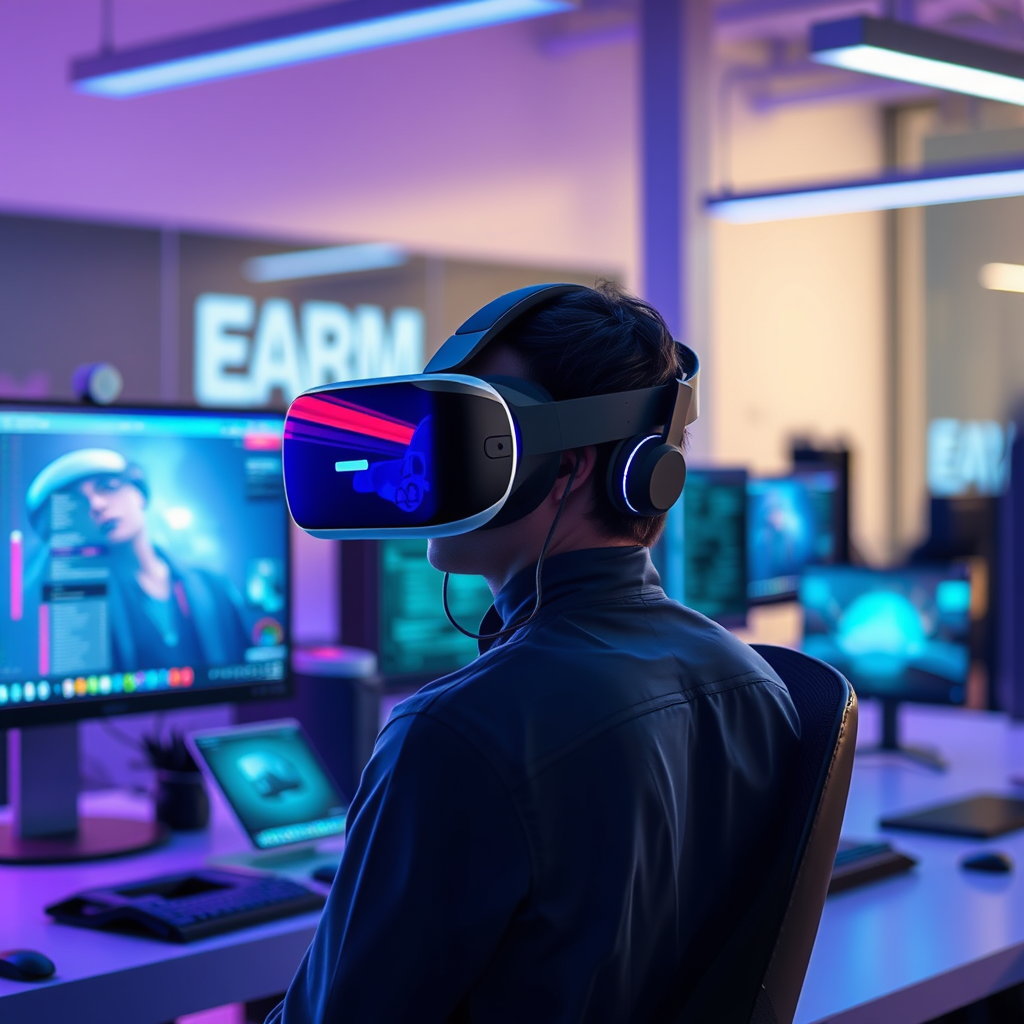

The emergence of AI-generated virtual reality movies is revolutionizing the film industry by enhancing storytelling and viewer engagement. This innovative technology allows creators to produce immersive experiences that were previously unimaginable, combining artificial intelligence with the art of filmmaking. In this article, you’ll discover how AI is shaping the future of virtual reality movies, the benefits it brings, and what to expect in the coming years.
The Impact of AI on Filmmaking
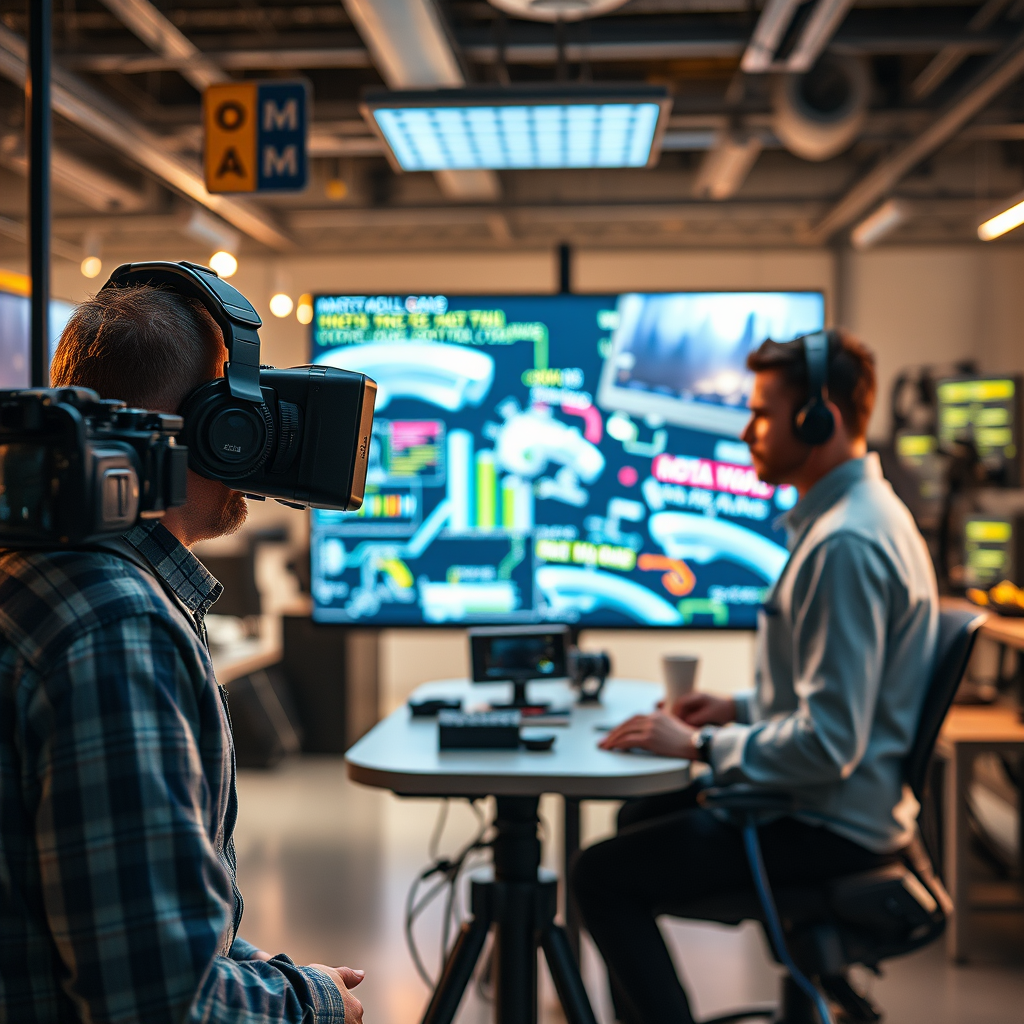
AI is making significant strides in enhancing scriptwriting and story development, allowing for dynamic narratives that adapt to viewer responses. Imagine a film that changes its plot based on how viewers react to certain scenes! AI algorithms can analyze data from countless scripts and viewer preferences to craft stories that resonate on a deeper level. This capability not only makes the storytelling process more engaging but also more efficient.
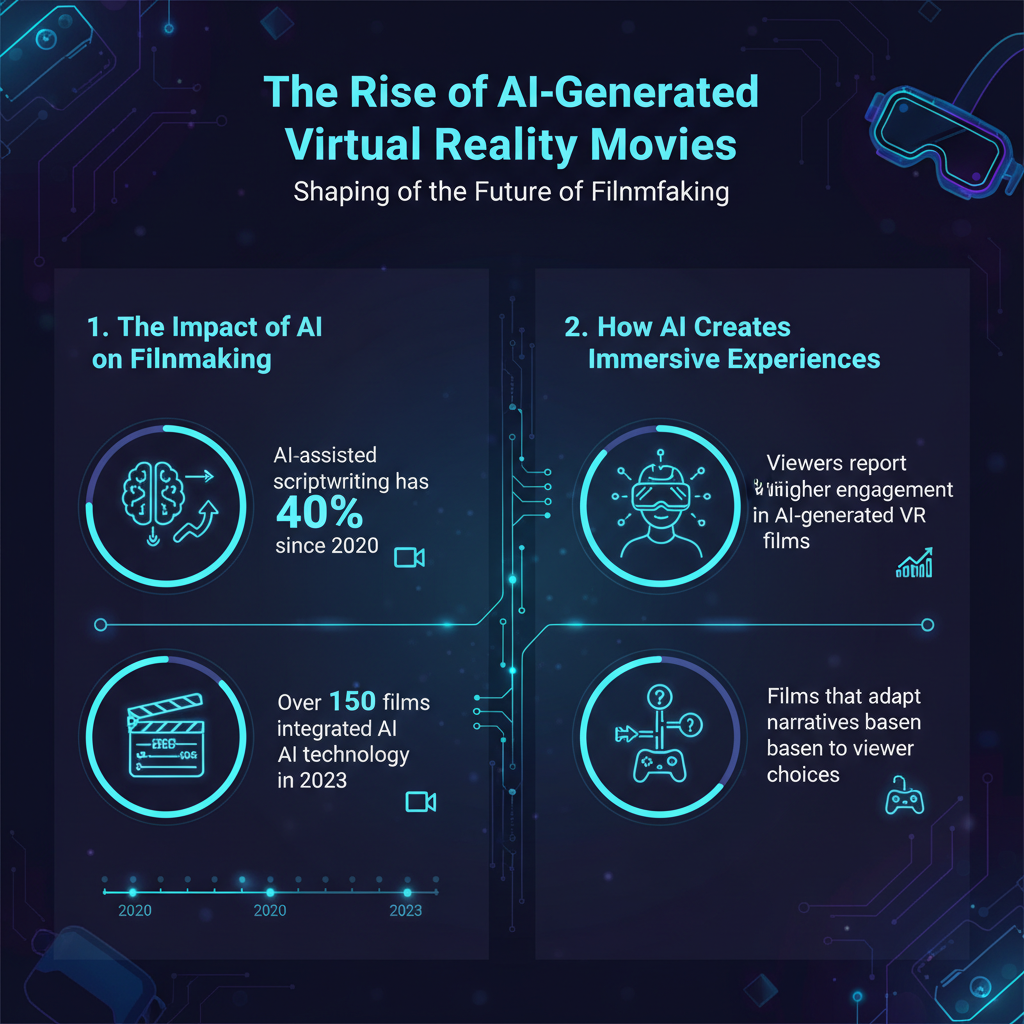
Moreover, the technology streamlines production processes by automating tasks such as editing, sound design, and even CGI effects. This means that filmmakers can save time and costs that would traditionally go into labor-intensive processes. For instance, AI tools like Adobe Sensei can assist in video editing by automatically selecting the best takes and applying color grading, allowing filmmakers to focus more on the creative aspects of their projects.
How AI Creates Immersive Experiences
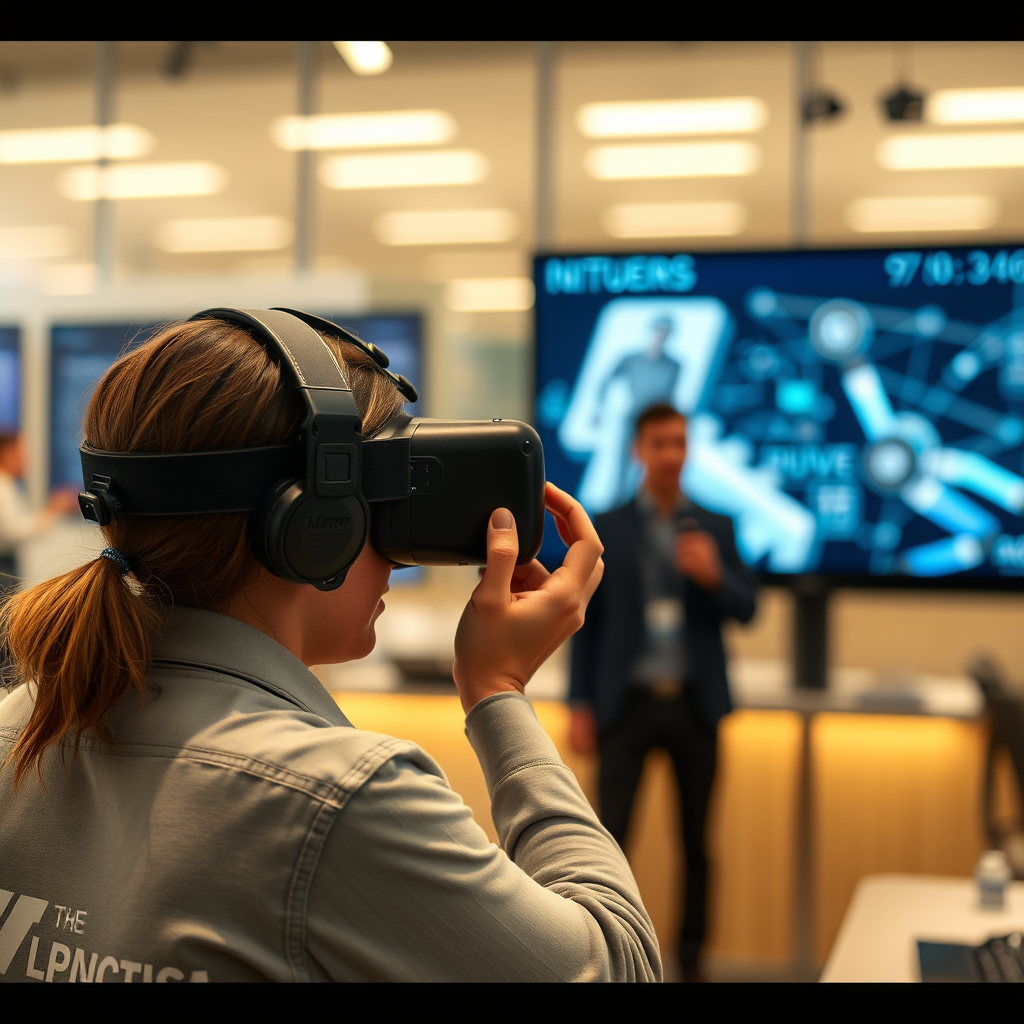
One of the most exciting aspects of AI in virtual reality is its ability to create personalized experiences. By analyzing viewer preferences, AI can tailor content that resonates uniquely with each individual. This could mean adjusting the storyline, character interactions, or even the environment based on the viewer’s past choices and reactions.
Additionally, the integration of real-time interactivity enhances audience engagement and emotional connection. Imagine watching a virtual reality movie where your choices dictate the character’s fate or alter the story’s outcome. This level of interactivity fosters a sense of agency in viewers, making them feel like they are part of the story rather than just passive spectators. An excellent example of this is “The Invisible Hours,” a VR experience that allows players to explore a murder mystery from multiple viewpoints, creating a unique narrative for each viewer.
The Role of Virtual Reality in Storytelling
Virtual reality is transforming storytelling by offering a 360-degree experience that places viewers in the middle of the action. This immersive approach allows audiences to feel as if they are part of the story, walking alongside characters and experiencing their emotions firsthand.
Furthermore, VR fosters empathy by enabling audiences to experience stories from diverse perspectives. For instance, through VR films like “Clouds Over Sidra,” viewers can step into the shoes of a refugee child, gaining insight into her struggles and triumphs. This powerful medium encourages a deeper understanding of complex social issues, making storytelling not just an art form but also a tool for social change.
Challenges in AI-Generated Virtual Reality Movies
Despite its promise, the rise of AI-generated virtual reality movies does come with challenges. Ethical considerations around content creation and copyright issues are significant. For example, as AI continues to learn from existing films, questions arise about originality and ownership. Who owns the rights to a script generated by AI? This dilemma needs to be addressed as the technology evolves.
Additionally, technical limitations and accessibility issues can hinder the widespread adoption of VR experiences. Not everyone has access to high-end VR equipment, which can restrict the audience to those who can afford such technology. As the industry progresses, finding solutions to make VR content more accessible will be crucial for its growth.
Future Trends in AI and Virtual Reality Films
Looking ahead, we can expect significant advancements in AI-driven content personalization that will further enhance viewer experiences. As algorithms become more sophisticated, they will be able to create even more tailored narratives, making each viewer’s journey unique.
Moreover, the potential for collaboration between AI and human creatives could redefine filmmaking. Imagine a future where AI assists writers in brainstorming sessions or helps directors visualize complex scenes before filming begins. This synergy could lead to groundbreaking storytelling techniques that blend human creativity with machine efficiency.
Case Studies of Successful AI-Generated VR Movies
Several notable examples have successfully utilized AI in their production, showcasing the potential of this technology. One such film is “The Lion King” remake, which employed AI in its animation processes, resulting in breathtaking visuals that captivated audiences. Another example is the VR experience “The Walking Dead: Saints & Sinners,” which integrates AI to enhance character interactions and decision-making, providing a truly immersive experience.
Audience reception has been overwhelmingly positive for these films, highlighting how innovative technology can elevate storytelling. The success of these projects demonstrates that AI-generated content can resonate with viewers, making them eager for more immersive experiences.
The rise of AI-generated virtual reality movies signifies a major shift in how stories are told and experienced. By embracing this technology, filmmakers can create unprecedented levels of engagement and interactivity, paving the way for the future of entertainment. As we continue to witness advancements in AI and VR, it will be exciting to see how these tools evolve and the new stories they enable. Stay informed about these developments and consider how you might explore or incorporate AI in your own creative endeavors.
Frequently Asked Questions
What are AI-generated virtual reality movies and how do they work?
AI-generated virtual reality movies are immersive films created using artificial intelligence technologies that analyze and synthesize visual and audio data to create dynamic environments and narratives. These movies leverage machine learning algorithms to generate realistic graphics, adapt storylines based on viewer interactions, and provide a personalized experience. By employing AI, filmmakers can reduce production time and costs while enhancing the creativity and engagement of virtual reality storytelling.
How is the quality of AI-generated virtual reality movies compared to traditional films?
The quality of AI-generated virtual reality movies can vary significantly, depending on the sophistication of the AI technology used and the creative vision behind the project. While traditional films benefit from the expertise of human directors and actors, AI can produce stunning visuals and compelling narratives that are often on par with human-made content. However, the emotional depth and nuanced performances found in traditional cinema may still be challenging for AI to replicate fully, making a hybrid approach a potential avenue for the future of filmmaking.
Why are filmmakers turning to AI for virtual reality movie production?
Filmmakers are increasingly turning to AI for virtual reality movie production because it offers innovative solutions for enhancing creativity, reducing costs, and speeding up the production process. AI tools can automate various aspects of filmmaking, such as script generation, animation, and even sound design, allowing artists to focus on crafting unique narratives. Additionally, AI’s ability to analyze audience data helps creators tailor experiences to specific viewer preferences, ultimately leading to higher engagement and satisfaction.
What are the best platforms for experiencing AI-generated virtual reality movies?
Some of the best platforms for experiencing AI-generated virtual reality movies include Oculus Quest, HTC Vive, and PlayStation VR, which support various VR content and applications. Additionally, platforms like SteamVR and Viveport offer access to a range of AI-driven VR experiences, along with indie titles that leverage AI for unique storytelling. As technology evolves, dedicated apps and streaming services specifically designed for AI-generated VR content are also emerging, enhancing the accessibility and variety of available experiences.
Which industries are most likely to benefit from AI-generated virtual reality movies?
Several industries stand to benefit significantly from AI-generated virtual reality movies, including entertainment, education, healthcare, and real estate. In entertainment, immersive storytelling can create engaging experiences for viewers, while educational institutions can utilize VR for interactive learning. Healthcare professionals can employ VR simulations for training and therapy, and the real estate industry can offer virtual tours of properties. By harnessing AI technology, these industries can revolutionize their offerings and enhance user engagement.
References
- https://en.wikipedia.org/wiki/Artificial_intelligence_in_film
- https://www.bbc.com/news/technology-59817276
- https://www.theguardian.com/technology/2020/jul/27/the-future-of-virtual-reality-in-film-and-tv
- https://www.sciencedirect.com/science/article/pii/S2352914821000012
- https://www.forbes.com/sites/bernardmarr/2021/01/18/the-rise-of-ai-in-film-and-video-production/
- https://www.nature.com/articles/d41586-019-00812-5