The use of AI in personalizing learning videos significantly enhances the educational experience by adapting content based on user progress. This means that as learners engage with material, AI technology tailors video recommendations and learning pathways to suit individual needs. This innovative approach not only helps students grasp complex concepts more effectively but also ensures they remain motivated and engaged throughout their learning journey. In this article, we will explore how this personalization works, its benefits, and its impact on learner engagement.



Understanding AI in Education
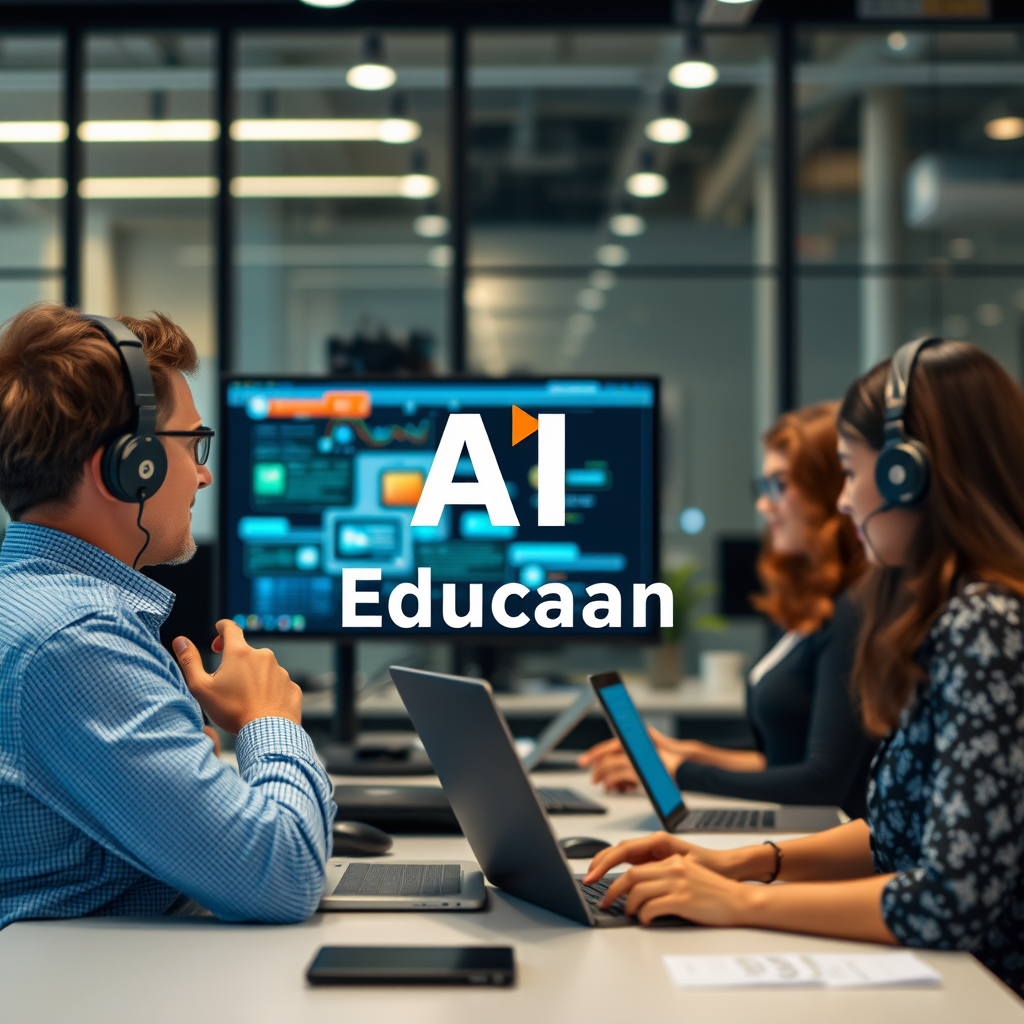
Artificial Intelligence (AI) has become a game-changer in the field of education, transforming traditional teaching methods into dynamic, interactive experiences. At the core of this transformation are sophisticated AI algorithms that analyze user data to assess learning patterns. These algorithms can track a learner’s progress in real-time, gathering information on their performance, engagement levels, and even their emotional responses to the content. By doing so, AI systems can adapt content delivery based on individual strengths and weaknesses, ensuring that each learner receives materials that are not only relevant but also challenging enough to foster growth.
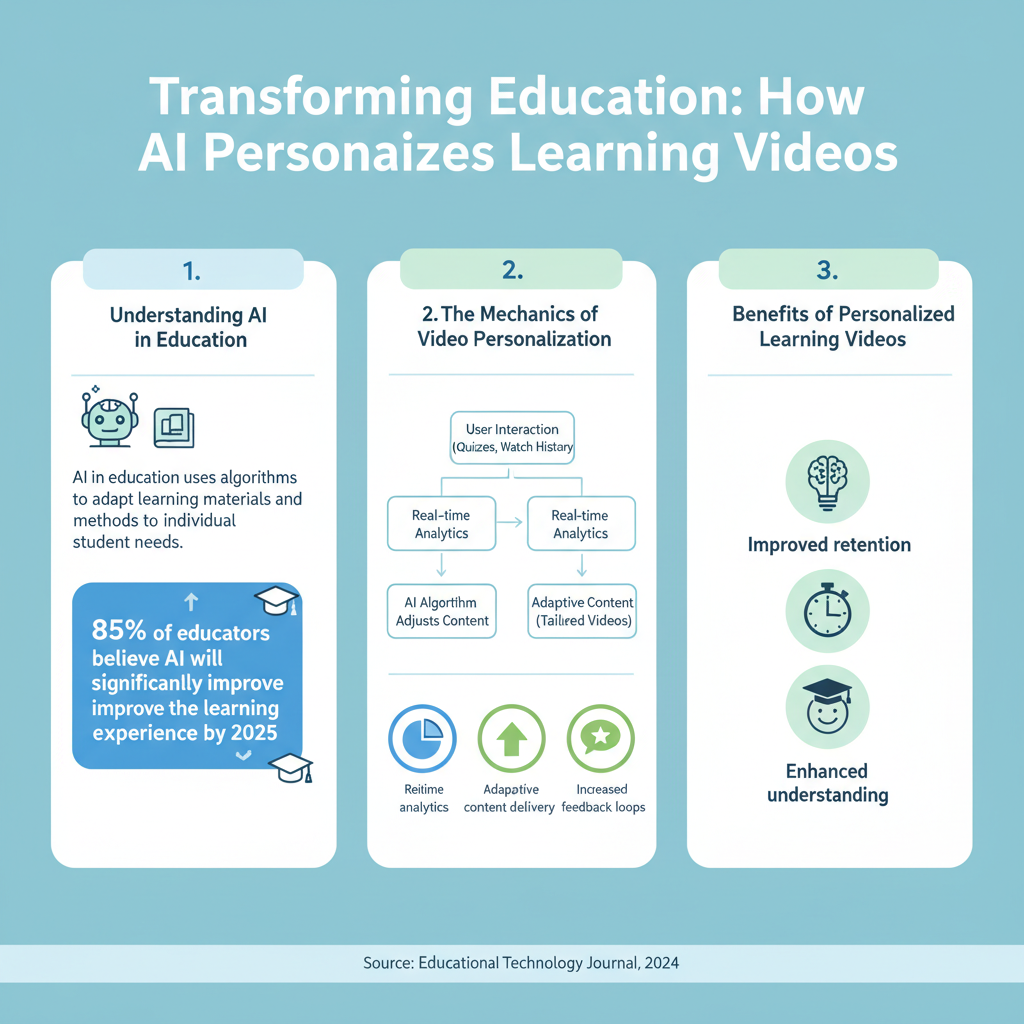
For instance, if a student struggles with a particular math concept, the AI can detect this through their quiz scores and time spent on related videos. Consequently, it might recommend supplementary videos that break down the concept further or provide alternative explanations. This adaptability is crucial for addressing diverse learning styles, allowing for a more personalized educational experience that resonates with each student.
The Mechanics of Video Personalization
The mechanics behind video personalization are fascinating and complex. Learning videos are customized in real-time as users progress, thanks to continuous data collection and analysis. AI tracks various metrics such as completion rates, quiz scores, and even the time spent on each video segment to refine recommendations. For example, if a learner consistently completes videos quickly and scores high marks on quizzes, the AI might suggest more advanced topics or faster-paced content to keep them challenged.
Conversely, for those who might be struggling, the system can present foundational videos or interactive quizzes that reinforce earlier lessons. This real-time feedback loop not only enhances the learning experience but also helps educators identify which students might need additional support. This level of customization creates a responsive learning environment that encourages students to take charge of their education.
Benefits of Personalized Learning Videos
The benefits of personalized learning videos are many, with increased learner engagement and motivation topping the list. By providing tailored content that aligns with a student’s unique learning journey, AI can spark a genuine interest in subjects that may have previously felt daunting. When students see that the material is relevant to their needs, they are more likely to invest time and effort into their learning.
Moreover, personalized learning supports differentiated instruction, catering to various learning styles and paces. Some students may thrive with visual content, while others might prefer hands-on activities or auditory explanations. AI technology can accommodate these differences by recommending videos that match individual preferences. For instance, a student who learns best through visual aids might receive video recommendations featuring dynamic graphics and animations, while another might benefit from narrated explanations. This level of customization not only enhances knowledge retention but also fosters a sense of ownership over one’s educational path.
Real-World Applications of AI Personalization
Several platforms have successfully integrated AI personalization into their educational offerings, demonstrating the effectiveness and potential of this approach. Khan Academy, for example, utilizes AI to tailor learning experiences by assessing a student’s performance and suggesting subsequent lessons based on their progress. As learners complete exercises and quizzes, the platform continually adapts content to align with their current understanding, ensuring that they are neither overwhelmed nor bored.
Similarly, Coursera employs AI to recommend courses and videos that fit users’ interests and career objectives. By analyzing user behavior and preferences, Coursera can suggest personalized learning pathways that guide users toward achieving their professional goals. This level of customization not only enhances user satisfaction but also increases the likelihood of course completion, as learners feel more connected to the material.
These case studies provide a glimpse into the potential of AI personalization in education, highlighting the importance of tailoring learning experiences to meet the diverse needs of students.
Challenges and Considerations
While the benefits of AI in personalizing learning videos are impressive, several challenges and considerations must be addressed. One major concern is privacy, particularly regarding the collection and storage of user data. Many learners and parents may feel apprehensive about how their information is used and whether it is adequately protected. Educational institutions and platform providers must prioritize transparency and security, ensuring that users understand how their data contributes to their learning experience.
Additionally, there is a pressing need to ensure that AI models remain unbiased and equitable for all learners. If not carefully monitored, AI algorithms could inadvertently perpetuate existing biases or overlook the needs of underrepresented groups. Continuous evaluation and refinement of AI systems are essential to create an inclusive and effective learning environment for all students.
The Future of AI in Learning Video Personalization
The future of AI in learning video personalization is bright, with exciting advancements on the horizon. Experts predict that as technology continues to evolve, AI will enable even more sophisticated learning analytics, allowing for deeper insights into student behavior and performance. This could lead to the development of more interactive and immersive educational content, such as virtual reality (VR) experiences that adapt in real-time based on user interactions.
Imagine a learning environment where students can explore historical events through VR simulations that adapt to their understanding and interests. Such advancements could revolutionize the way we engage with educational content, making learning more dynamic and impactful.
As educators and learners embrace these innovations, the potential for enhancing educational experiences will only grow. The integration of AI-powered platforms into our learning journeys can provide invaluable support, helping students learn at their own pace and according to their unique needs.
Incorporating AI into learning video personalization is revolutionizing the way education is delivered and experienced. By adapting to each student’s journey, AI not only fosters better understanding but also promotes a more engaging learning environment. As technology continues to evolve, embracing these innovations will be crucial for educators and learners alike. Explore AI-powered platforms and see the difference in your learning experience today!
Frequently Asked Questions
How does AI personalize learning videos based on user progress?
AI personalizes learning videos by analyzing user interactions, such as time spent on each video, quiz results, and engagement levels. By tracking this data, the AI can identify areas where the learner struggles and adapt future content accordingly, ensuring that learners receive targeted videos that address their specific needs, enhancing retention and understanding.
What are the benefits of using AI to tailor educational videos?
The benefits of using AI in educational video personalization include improved engagement, greater retention of information, and a more efficient learning experience. AI can help create a customized learning path for each student, allowing them to progress at their own pace and focus on topics that require more attention, ultimately leading to better learning outcomes.
Why is personalized learning through AI important in education?
Personalized learning through AI is important because it addresses the diverse learning styles and paces of individual students. Traditional one-size-fits-all approaches can leave some learners behind, while AI-driven personalization ensures that each student receives relevant and engaging content, fostering a more inclusive and effective educational environment.
Which AI technologies are commonly used to personalize learning videos?
Common AI technologies used to personalize learning videos include machine learning algorithms, natural language processing, and data analytics. These technologies enable platforms to analyze vast amounts of user data, understand learning patterns, and adapt content dynamically, providing a tailored learning experience that can evolve as the learner progresses.
How can I ensure that the AI learns effectively from my progress in learning videos?
To ensure that AI learns effectively from your progress in learning videos, consistently engage with the content by completing quizzes, providing feedback, and watching videos to the end. The more data the AI collects on your learning habits and preferences, the better it can tailor content to suit your needs, enhancing your overall learning experience and effectiveness.
References
- Artificial intelligence in education
- https://www.edutopia.org/article/how-ai-personalizes-learning
- https://www.educationcorner.com/technology-and-education.html
- https://www.sciencedirect.com/science/article/pii/S0360131518301996
- Frontiers | Potential Factors to Enhance Students’ STEM College Learning and Career Orientation
- https://www.jstor.org/stable/10.5325/jeducationalresearch.34.4.0759
- https://www.nature.com/articles/s41539-019-0122-1
- For College | Pearson US
- https://www.brookings.edu/research/ai-and-the-future-of-learning/