
Choosing between the Shure SM7B and Rode NT1 for podcasting can be challenging, but both microphones offer exceptional quality and unique features. If you need a microphone that excels in noisy environments, the Shure SM7B is your best bet. On the other hand, if you want crystal-clear sound in a controlled studio setting, the Rode NT1 is the way to go. In this article, we will compare these two popular microphones to help you make an informed decision that fits your podcasting needs.
Overview of the Shure SM7B
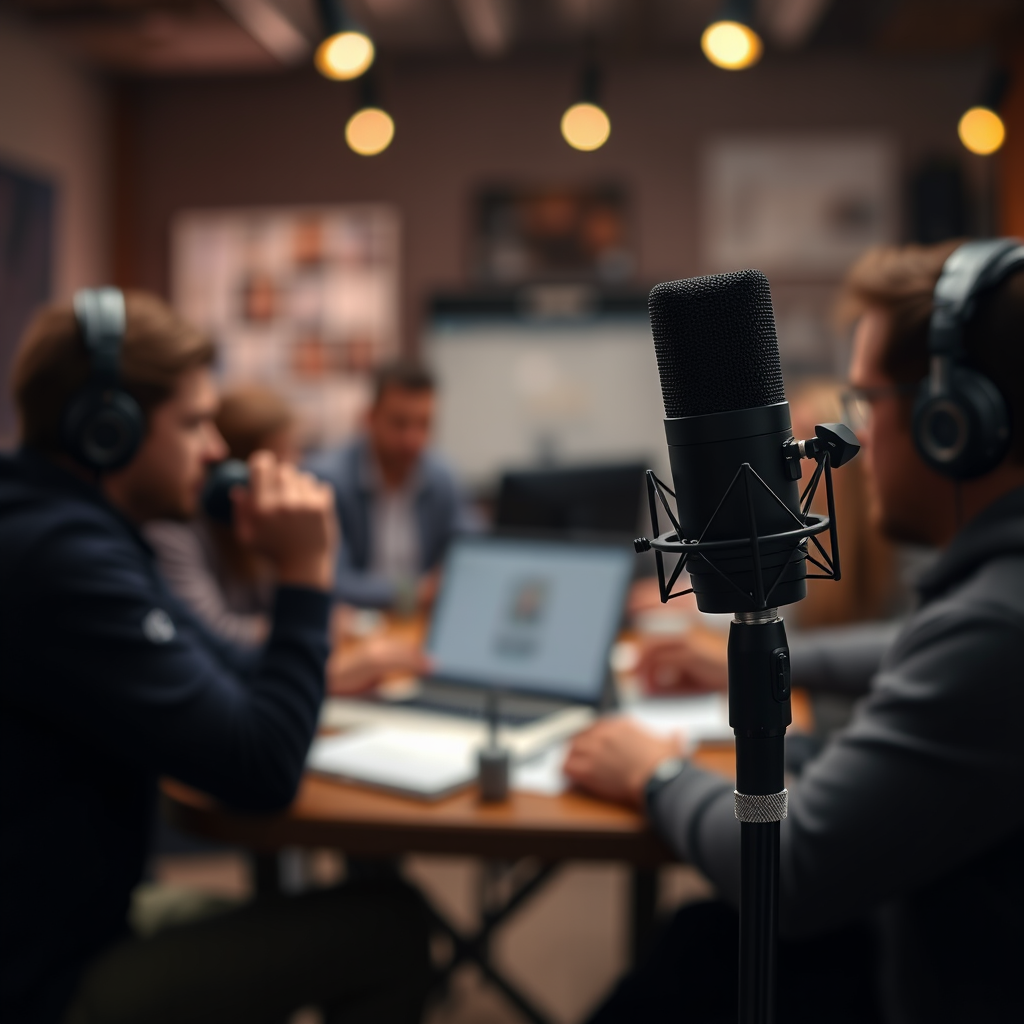
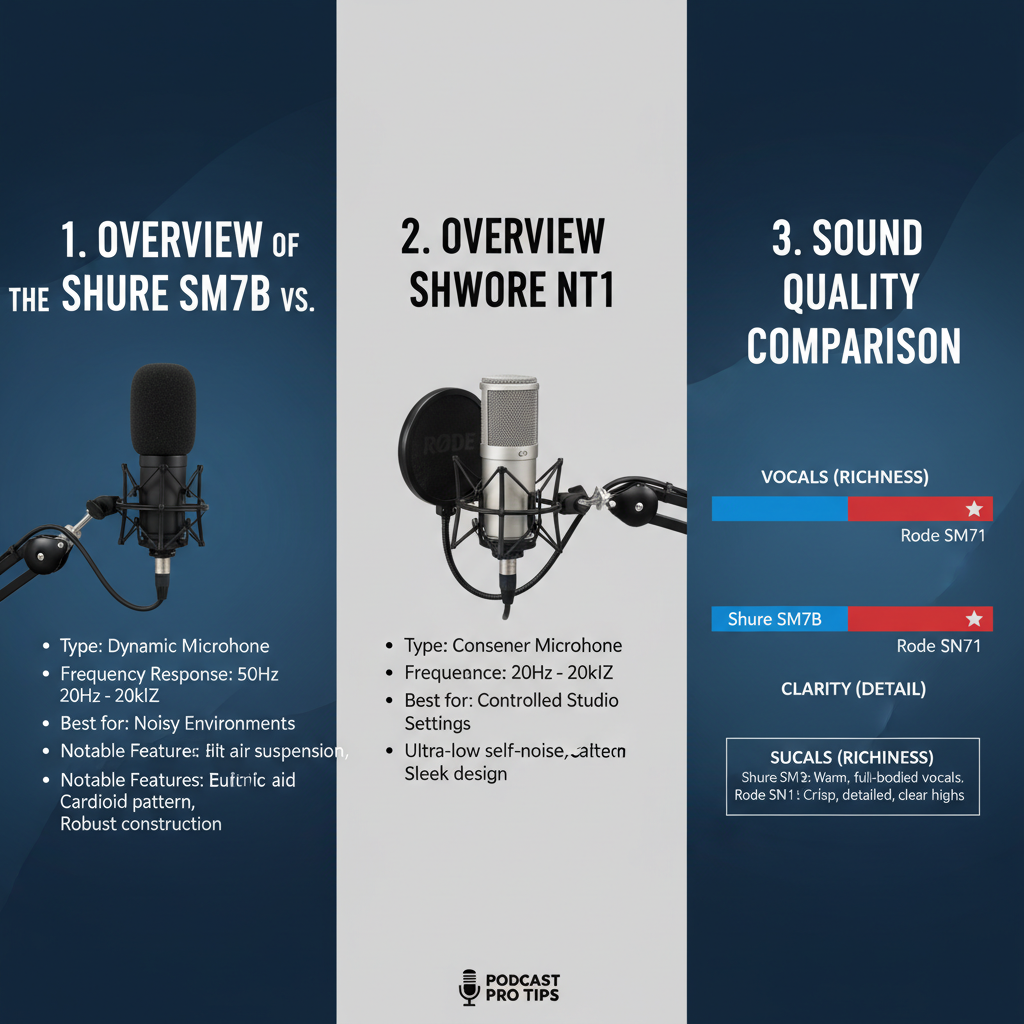
The Shure SM7B is a dynamic microphone that has earned its reputation across various applications, from broadcasting to music production. Known for its robust construction, the SM7B handles not only vocals but also instruments with ease, making it a versatile choice for podcasters. One of its standout features is its ability to reject background noise, which is particularly beneficial for those working in untreated rooms or noisy environments. This characteristic allows for a clean recording, enabling your voice to shine without interference from external sounds. The SM7B is equally adept in studio settings and live performances, making it a reliable tool for any podcaster looking to elevate their audio quality.
Overview of the Rode NT1
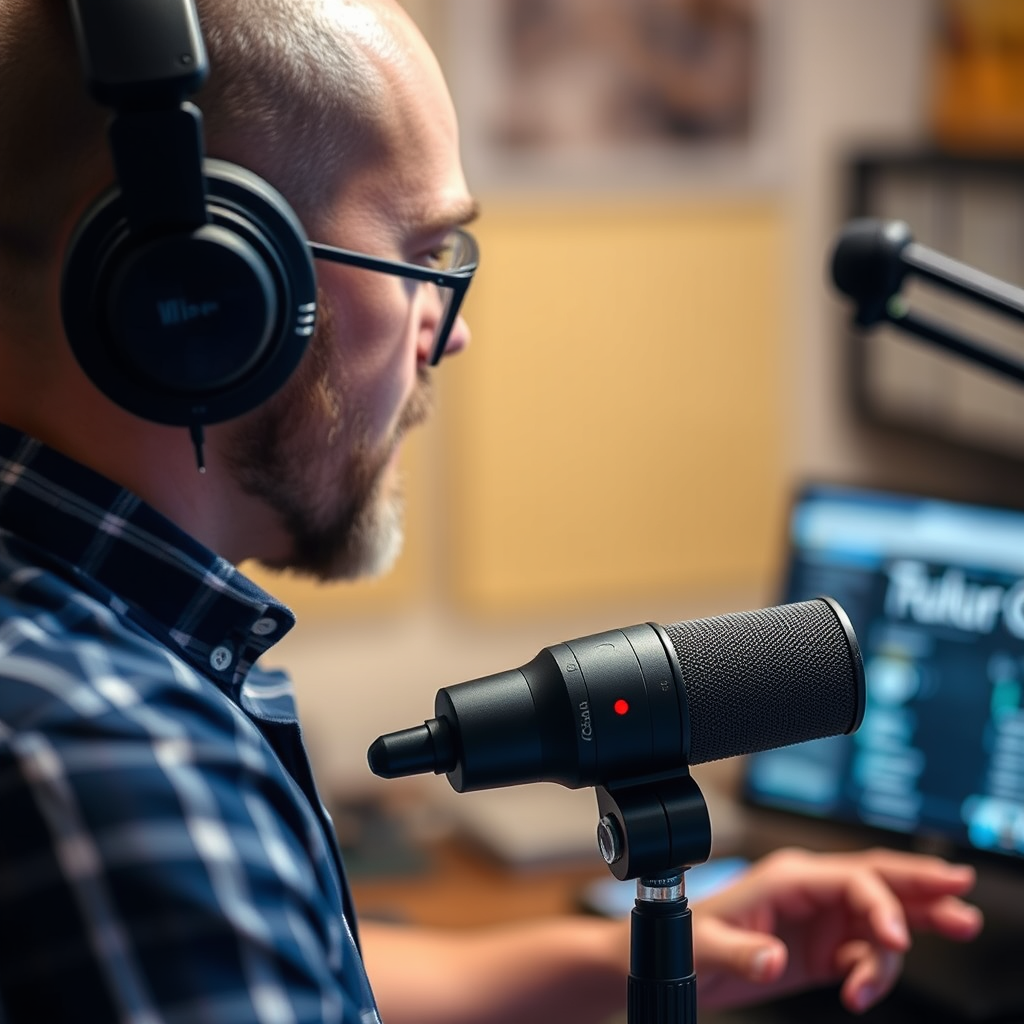
On the flip side, the Rode NT1 is a condenser microphone that is renowned for its clarity and wide frequency response. It’s designed to capture sound with incredible detail, making it an excellent option for podcasters who prioritize audio fidelity. With an astonishingly low self-noise level, the NT1 is able to capture even the subtlest nuances of your voice, ensuring that your recordings sound professional and polished. It’s particularly well-suited for studio environments where sound quality is paramount, allowing for rich and vibrant recordings that bring your content to life. The Rode NT1’s design and performance make it a favorite among vocalists and podcasters alike.
Sound Quality Comparison
When it comes to sound quality, the Shure SM7B delivers a warmer tone that’s particularly suitable for spoken word formats like podcasting. Its frequency response is tailored to enhance the clarity of speech, ensuring that listeners can easily understand your message. The SM7B’s design also minimizes sibilance, which is a common issue with many microphones, making it an excellent choice for voice-centric content.
In contrast, the Rode NT1 excels in providing crisp and clear audio, making it a powerhouse for vocal recordings. Its extended frequency response captures the full spectrum of sound, from the lowest bass notes to the highest treble. This makes it ideal for those who might also want to include music or sound effects in their podcasts. The NT1’s ability to convey detail can help your podcast sound more professional, providing an immersive listening experience.
Build Quality and Design
The Shure SM7B is built like a tank, featuring a rugged design that can withstand the rigors of both studio and live settings. Its durable metal housing not only protects it from wear and tear but also contributes to its exceptional performance in demanding environments. The microphone includes a built-in air suspension system, which helps to minimize mechanical noise and ensures that your recordings are as clean as possible. This durability makes the SM7B a long-term investment for any podcaster.
In contrast, the Rode NT1 boasts a sleek and modern design that will look great in any studio setup. Its lightweight structure doesn’t compromise its quality and performance; rather, it allows for ease of use, especially when mounted on a boom arm. The NT1 is often praised for its aesthetic appeal, making it an attractive choice for those looking to impress guests or audience members during video recordings. Plus, the included shock mount and pop filter enhance the overall recording experience, ensuring that you capture the best sound possible.
Price and Value
When it comes to pricing, the Shure SM7B is generally more expensive than the Rode NT1, but it offers incredible value for its versatility and performance. Priced around $400, the SM7B is a professional-grade microphone that can be used in various settings, ensuring that you get your money’s worth. Its durability and noise rejection capabilities also contribute to its long-term value, making it a smart investment for serious podcasters.
The Rode NT1, typically priced around $300, provides an excellent balance of quality and affordability. With its exceptional sound clarity and low self-noise, the NT1 is a fantastic option for those looking to achieve professional sound without breaking the bank. While it may not be as versatile as the SM7B, its performance in controlled environments makes it well worth the price, especially for those focused primarily on voice recordings.
Use Cases and Recommendations
If you’re a podcaster who values versatility and requires a microphone that can handle various environments, the Shure SM7B is highly recommended. Its ability to reject background noise makes it an excellent choice for recording in untreated rooms or for those who might find themselves podcasting on the go.
On the other hand, if you prioritize audio fidelity and work primarily in a controlled studio environment, the Rode NT1 may be the better choice for you. Its crisp sound quality and low self-noise make it perfect for capturing the nuances of your voice, providing a polished finish that listeners will appreciate.
User Reviews and Testimonials
User experiences for both microphones tend to highlight their key strengths. Many Shure SM7B users rave about its ability to capture clear, rich sound while minimizing background noise. Podcasters often mention that they can record in less-than-ideal conditions without worrying about unwanted sounds creeping into their recordings. Common complaints include its size and weight, which some users find cumbersome for portable setups.
On the other hand, Rode NT1 users frequently praise its clarity and detail, noting how well it captures the subtleties of their voice. Many testimonials highlight its performance in studio settings, where the microphone shines during vocal recordings. However, some users have reported that it may pick up too much ambient noise if not placed correctly, making it essential to have a proper recording environment for best results.
Ultimately, both microphones have their devoted fans and loyal user bases, reflecting their respective strengths and suitability for different podcasting scenarios.
The choice between the Shure SM7B and Rode NT1 ultimately depends on your specific podcasting needs and recording environment. The SM7B is perfect for dynamic and live settings where background noise is a concern, while the NT1 shines in studio conditions requiring pristine sound. To make the best decision, consider your budget, recording space, and personal sound preferences. Each microphone has its merits, and with the right choice, you can significantly elevate your podcasting game!
Frequently Asked Questions
What are the key differences between the Shure SM7B and the Rode NT1 microphones for podcasting?
The Shure SM7B is a dynamic microphone known for its rich, warm sound and excellent rejection of background noise, making it ideal for untreated rooms. In contrast, the Rode NT1 is a condenser microphone that offers a wider frequency response and greater sensitivity, capturing more subtle details in voice. Thus, while the SM7B excels in live environments, the NT1 is better suited for controlled studio setups where clarity and depth are paramount.
How does the price of the Shure SM7B compare to the Rode NT1 for podcasters?
The Shure SM7B typically retails at a higher price point than the Rode NT1, often ranging from $400 to $500, whereas the Rode NT1 is usually available for around $300 to $400. This price difference can impact your budget, especially for new podcasters, but it’s essential to consider the value each microphone provides in terms of sound quality and durability when making a decision.
Which microphone is better for beginners in podcasting, the Shure SM7B or the Rode NT1?
For beginners, the Rode NT1 is often recommended due to its ease of use and versatility in various recording environments. Its lighter weight and lower price make it more accessible for those just starting out. However, if you have a tight budget for additional equipment (like a good preamp), the SM7B may require more investment since it generally needs a more powerful preamp to achieve optimal sound levels.
Why is the Shure SM7B considered a favorite among professional podcasters?
The Shure SM7B is favored by professional podcasters because of its exceptional sound quality, durability, and ability to minimize background noise, making it perfect for live or noisy environments. Its cardioid pickup pattern focuses on the sound source while rejecting ambient sounds, which is crucial for clear audio. Many well-known podcasts use the SM7B, adding to its reputation and trust among audio professionals.
What accessories should I consider when using the Rode NT1 for podcasting?
When using the Rode NT1 for podcasting, consider investing in a pop filter or windscreen to reduce plosive sounds and improve vocal clarity, a shock mount to minimize vibrations, and a high-quality audio interface to ensure optimal sound capture. Additionally, using a microphone stand or boom arm can help position the microphone correctly and enhance your recording experience by keeping your workspace organized.
References
- Microphone
- https://www.theguardian.com/technology/2020/jan/10/best-podcast-microphones
- https://www.soundonsound.com/reviews/shure-sm7b
- Rode NT1
- https://www.podcasting.org/
- https://www.techradar.com/news/best-podcast-microphones
- https://www.wired.com/story/best-microphones-podcasting/
- https://www.npr.org/sections/money/2021/06/07/1003387891/the-best-microphones-for-podcasting-and-what-to-look-for
- https://www.vox.com/2020/10/3/21499207/best-podcast-microphone-guide
- https://www.cnet.com/tech/home-entertainment/best-podcast-microphones/