
360-degree cameras capture immersive, panoramic images and videos by using multiple lenses and sensors, allowing users to create engaging virtual reality (VR) content. These innovative devices enable anyone—from hobbyists to professionals—to produce stunning VR experiences that transport viewers into new worlds. In this article, you will learn how these cameras function, the technology behind them, and how they can elevate your VR experiences.
Understanding 360-Degree Camera Technology
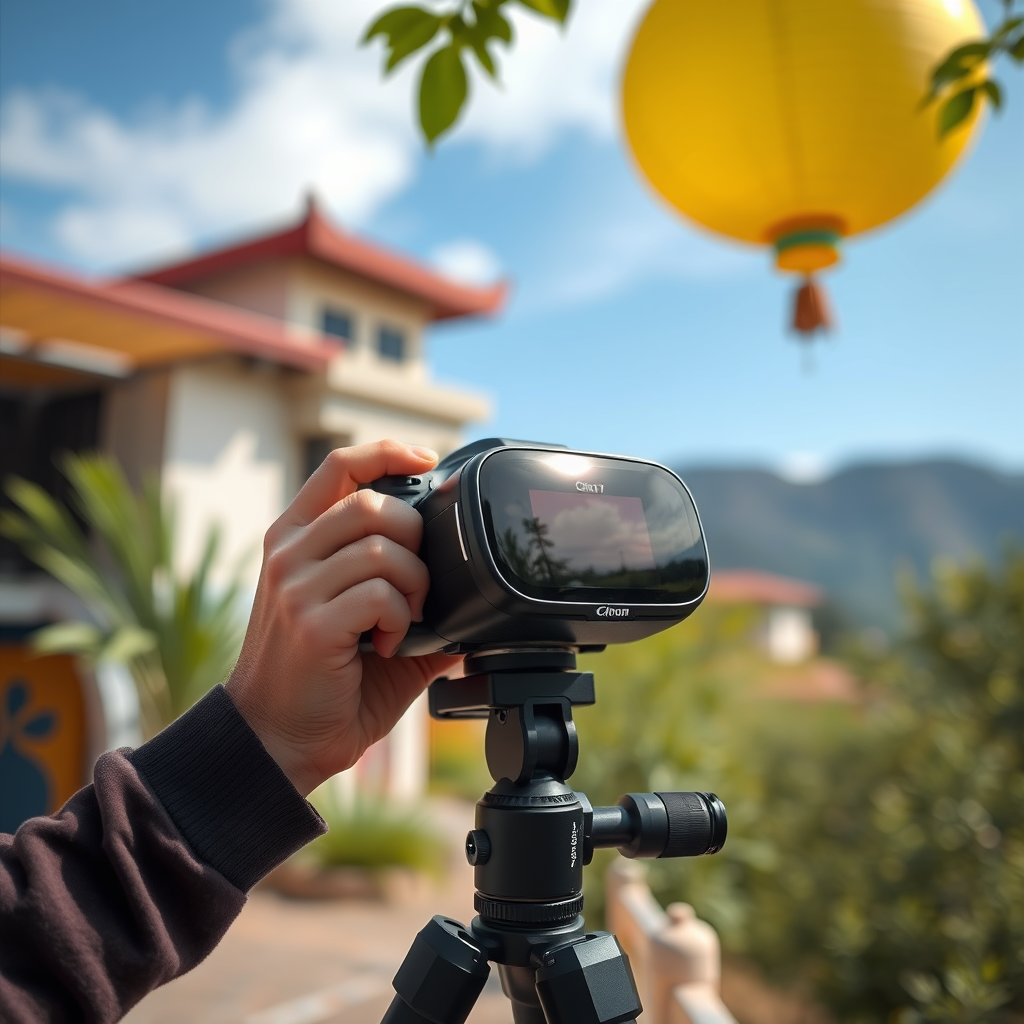
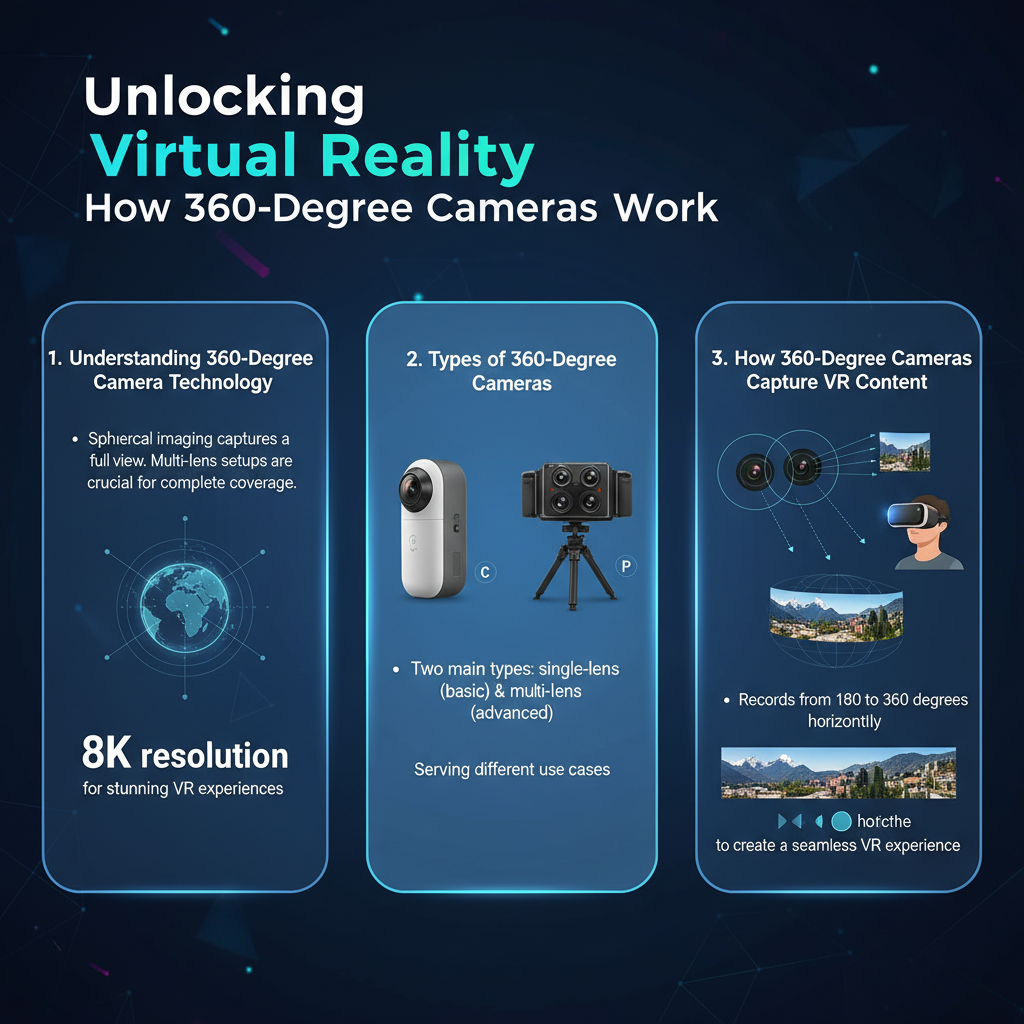
At the heart of 360-degree cameras is the technology that allows them to capture a full spherical view of their surroundings. Typically, these cameras are equipped with dual or multiple lenses strategically positioned to record everything around them. This multi-lens setup is essential; it enables the camera to gather images from various angles simultaneously, which is crucial for creating a seamless panoramic experience.
Once the images are captured, they undergo a process known as stitching. This involves sophisticated software that aligns and blends the images from different lenses into a cohesive 360-degree panorama. The result is an immersive visual experience that feels as if the viewer is right in the middle of the action. Many modern 360-degree cameras also incorporate advanced sensors that enhance image quality, improve low-light performance, and stabilize footage, making them even more appealing to creators looking to produce professional-grade content.
Types of 360-Degree Cameras
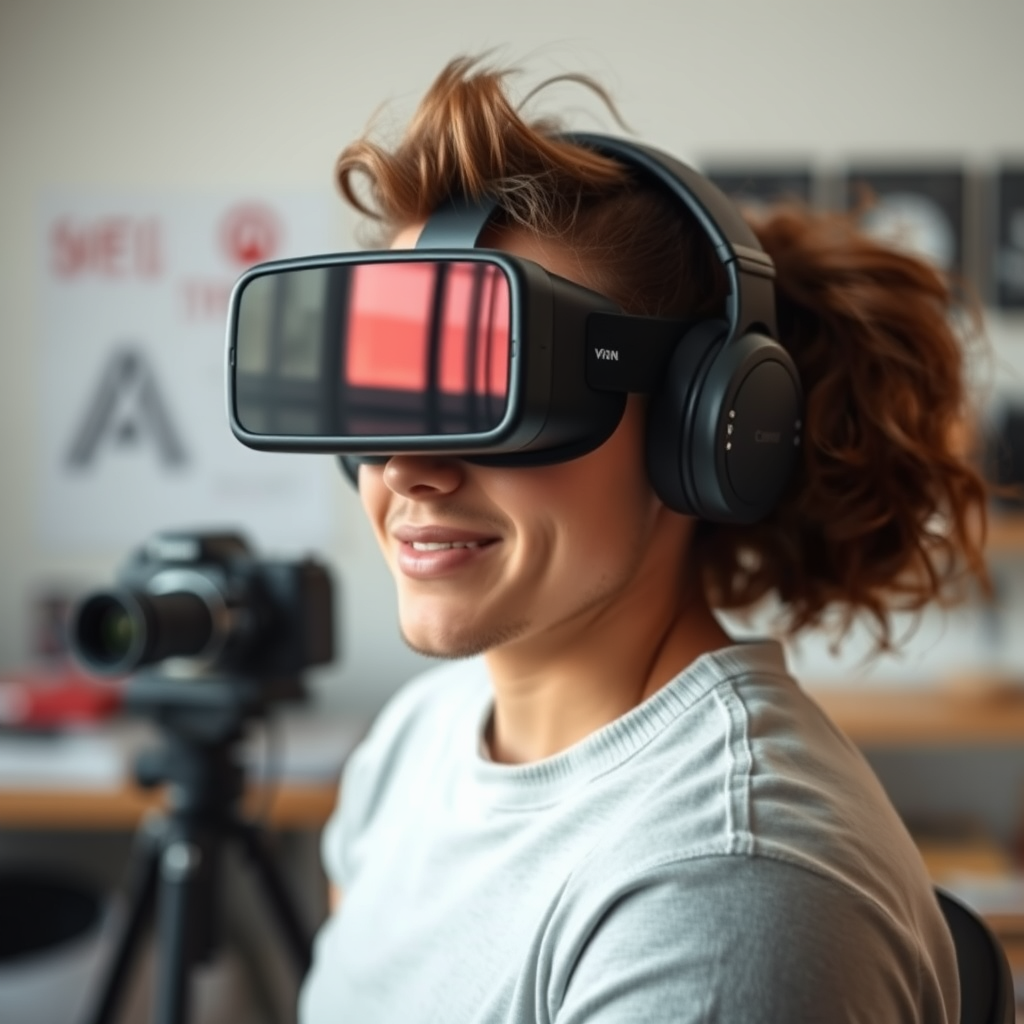
When exploring the world of 360-degree cameras, you’ll find a variety of models tailored for different users. Consumer-grade cameras, such as the Insta360 ONE X2 or the Ricoh Theta SC2, are designed for casual use and are generally user-friendly, making them perfect for travel vlogs or family gatherings. These cameras often feature automatic stitching and intuitive mobile apps to help users easily share their experiences on social media.
On the other hand, professional models like the GoPro MAX or the Nokia OZO cater to high-quality production needs. These cameras offer features such as higher resolutions, greater field of view, and enhanced audio capture capabilities. When selecting a 360-degree camera, consider key factors like resolution, field of view, ease of use, and battery life. A camera that meets your specific needs will make the process of creating VR content much smoother and more enjoyable.
How 360-Degree Cameras Capture VR Content
The magic of 360-degree cameras lies in their ability to record video and audio from all directions simultaneously. This full-sphere capture is what makes the content fully immersive, allowing viewers to look around in any direction as if they were physically present in the scene.
These cameras often support various formats, including monoscopic and stereoscopic. Monoscopic content is great for straightforward experiences, while stereoscopic footage creates a depth perception that enhances the feeling of presence in VR environments. This depth is achieved by capturing two slightly offset images, mimicking how our eyes perceive the world. For those looking to create interactive VR experiences, 360-degree cameras can also record spatial audio, which adds another layer of immersion, enabling viewers to hear sounds from different directions based on their viewing perspective.
Post-Processing Techniques for VR Content
Capturing stunning VR content is just the beginning; the post-processing phase is equally critical. After recording, the video footage typically requires stitching, editing, and rendering to enhance quality. This ensures that the final product is polished and engaging.
Stitching software, such as Adobe Premiere Pro or Final Cut Pro, can help combine the various video streams into a single, seamless panorama. Additionally, during the editing process, creators can trim unwanted segments, adjust color grading, and apply special effects to elevate the overall aesthetic. Adding interactive elements—like clickable hotspots or branching narratives—can also significantly enrich the viewer’s experience. Tools like Unity or Unreal Engine allow developers to build immersive environments around their 360-degree footage, making the content not only visually stunning but also engaging and interactive.
Best Practices for Shooting VR Content
Creating high-quality VR content involves more than just pointing and shooting with a 360-degree camera. Consideration of lighting and composition is essential, as these factors significantly impact the quality of the final product. Proper lighting enhances details and colors, making the experience more vibrant and lifelike. For instance, shooting during the golden hour—just after sunrise or before sunset—can provide stunning natural lighting for outdoor scenes.
Planning your shots is crucial, too. Since viewers can look in any direction, it’s important to account for potential interactions within the VR environment. Think about how people might move through the space and what they might want to explore. Avoid cluttered backgrounds and distractions that could take away from the experience. By carefully curating your scenes and ensuring that the composition is visually appealing from all angles, you can create a more engaging and enjoyable VR experience for your audience.
Applications of 360-Degree Cameras in VR
The applications of 360-degree cameras in VR are vast and varied. In the entertainment industry, filmmakers are using these cameras to create immersive storytelling experiences that captivate audiences. For example, VR concerts allow fans to feel as though they are right in the front row, surrounded by the energy of the performance.
In education, 360-degree cameras are being utilized for virtual field trips, allowing students to explore historical sites or natural wonders from the comfort of their classrooms. In real estate, virtual tours powered by 360-degree camera footage enable potential buyers to explore properties without having to visit in person. Similarly, the tourism industry has embraced this technology, creating immersive virtual experiences that entice travelers to visit new destinations.
The versatility of 360-degree cameras means that their potential in various fields is only beginning to be realized. As more industries adopt this technology, we can expect to see even more innovative applications emerge.
Future Trends in 360-Degree Camera Technology
As technology continues to advance, so too does the world of 360-degree cameras. One exciting trend is the integration of artificial intelligence (AI) and machine learning, which are enhancing stitching and real-time processing capabilities. These advancements make it easier for creators to produce high-quality content with minimal effort, allowing them to focus on storytelling rather than technical challenges.
The rise of 5G technology is another game-changer for 360-degree cameras. With faster data transfer speeds, live streaming 360-degree video will become increasingly viable. This opens up new possibilities for events, such as live VR broadcasts of sports games or concerts, where viewers can choose their perspective in real-time. As these technologies continue to evolve, they promise to make creating and sharing VR content even more accessible and engaging for everyone.
Creating compelling VR content with 360-degree cameras is an exciting venture that leverages cutting-edge technology. By understanding how these cameras work, choosing the right model for your needs, and implementing best practices, you can significantly enhance your VR projects. The possibilities are vast, whether you’re exploring new applications in education, entertainment, or beyond. Dive into this technology and explore innovative ways to engage your audience today!
Frequently Asked Questions
How do 360-degree cameras capture VR content?
360-degree cameras capture VR content by using multiple lenses positioned around the camera’s body, allowing for a full spherical view of the environment. These lenses work together to record video and images simultaneously, which are then stitched together using specialized software to create a seamless panoramic view. This comprehensive capture method enables users to experience immersive virtual reality scenarios, making it ideal for applications in gaming, real estate, and virtual tours.
What are the key features to look for in a 360-degree camera for VR content?
When selecting a 360-degree camera for VR content, key features to consider include resolution, field of view, image stabilization, and ease of use. Higher resolution (at least 4K) ensures clearer images, while a wide field of view captures more of the scene. Additionally, built-in image stabilization is crucial for reducing motion blur, and user-friendly interfaces can simplify the filming and editing process, making it accessible for both amateurs and professionals.
Why is stitching important in 360-degree video production?
Stitching is important in 360-degree video production because it combines the footage from multiple camera lenses into a single cohesive image or video. Proper stitching minimizes visible seams and ensures a smooth transition between different angles, which is essential for creating an immersive VR experience. High-quality stitching software can significantly enhance the final product by improving visual continuity and reducing artifacts that can distract viewers.
Which platforms support the playback of VR content created with 360-degree cameras?
Many platforms support the playback of VR content created with 360-degree cameras, including popular social media sites like Facebook and YouTube, as well as dedicated VR applications such as Oculus and Google VR. These platforms allow users to upload and share their 360-degree videos, ensuring accessibility across various devices. Additionally, VR headsets like the Oculus Quest series and HTC Vive provide an immersive viewing experience, enhancing the impact of the content.
What are some common challenges when using 360-degree cameras for VR content?
Common challenges when using 360-degree cameras for VR content include difficulty in achieving a stable shot, managing lighting conditions, and ensuring proper sound capture. Because 360-degree cameras capture everything around them, even minor movements can lead to shaky footage, necessitating the use of tripods or gimbals. Additionally, uneven lighting can cause exposure issues, and capturing clear audio may require external microphones, as built-in mics often pick up unwanted ambient sounds. Addressing these challenges is essential for producing high-quality VR content.
References
- Omnidirectional camera
- https://www.sciencedirect.com/science/article/pii/S1877050919310465
- Frontiers | A Hypothesis About Parallelism vs. Seriality in Dreams
- https://www.techopedia.com/definition/31933/360-degree-camera
- https://www.npr.org/sections/alltechconsidered/2016/09/21/494849799/360-degree-video-is-the-next-big-thing-in-virtual-reality
- https://www.researchgate.net/publication/319223452_360-degree_Video_Analysis_for_Virtual_Reality_Applications
- https://www.itu.int/en/ITU-T/focusgroups/vr/Pages/default.aspx
- https://www.wired.com/story/360-degree-video-virtual-reality-explained/