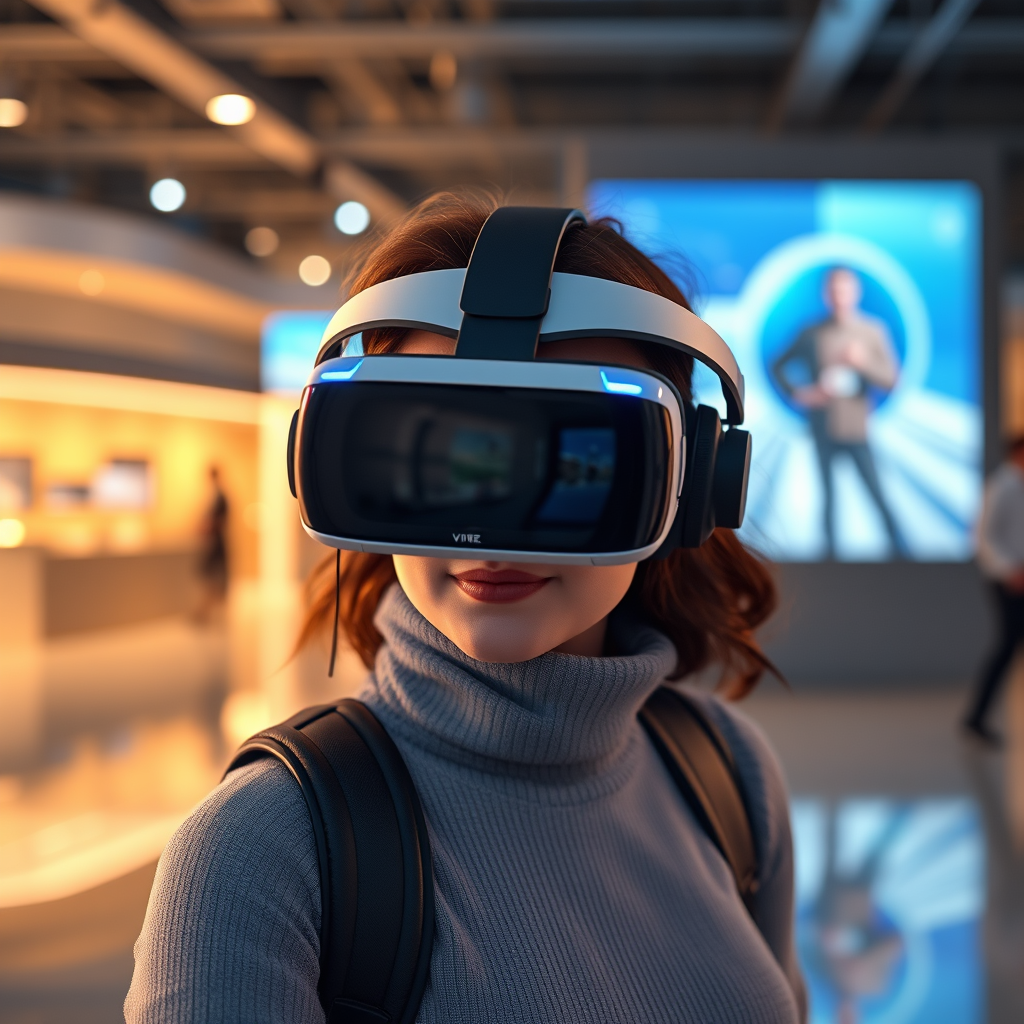

The advent of 8K+ VR displays significantly enhances immersion in the Metaverse by providing ultra-high-definition visuals and reducing motion blur. This technology allows users to experience virtual environments with unparalleled clarity and realism, deepening their sense of presence. By bridging the gap between the digital and physical worlds, 8K+ displays are redefining how we interact with virtual spaces. In this article, we’ll explore the specific ways in which 8K+ VR displays transform the Metaverse experience.
The Importance of Visual Clarity
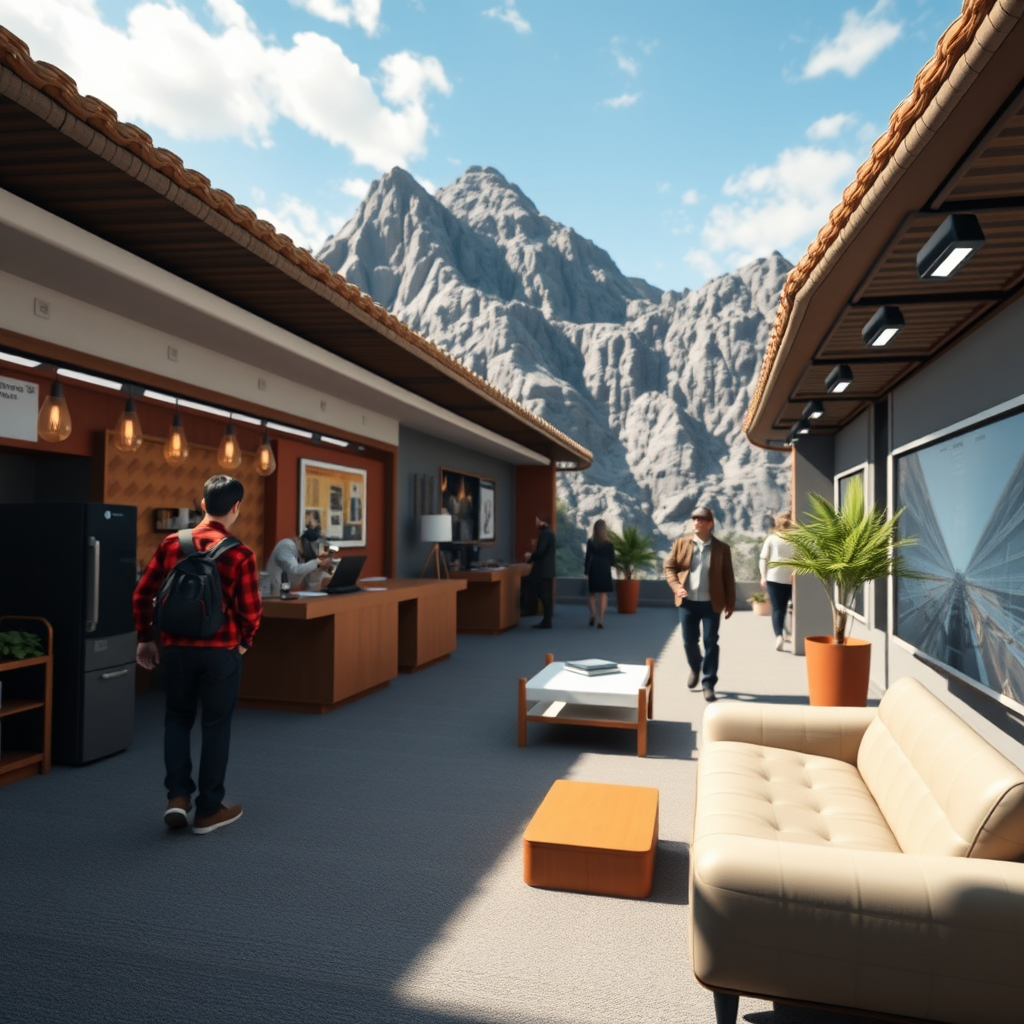
When it comes to virtual reality, visual clarity is paramount. Higher resolution displays, like 8K+, bring an impressive level of detail to virtual worlds, making them feel almost tangible. Imagine walking through a bustling virtual marketplace where you can see the intricate designs on clothing or the fine textures of various food items. With 8K+ resolution, these subtle details become vividly clear, allowing users to engage with their surroundings in a more meaningful way. This depth of detail not only enhances enjoyment but also fosters a sense of realism that is crucial for immersive experiences.
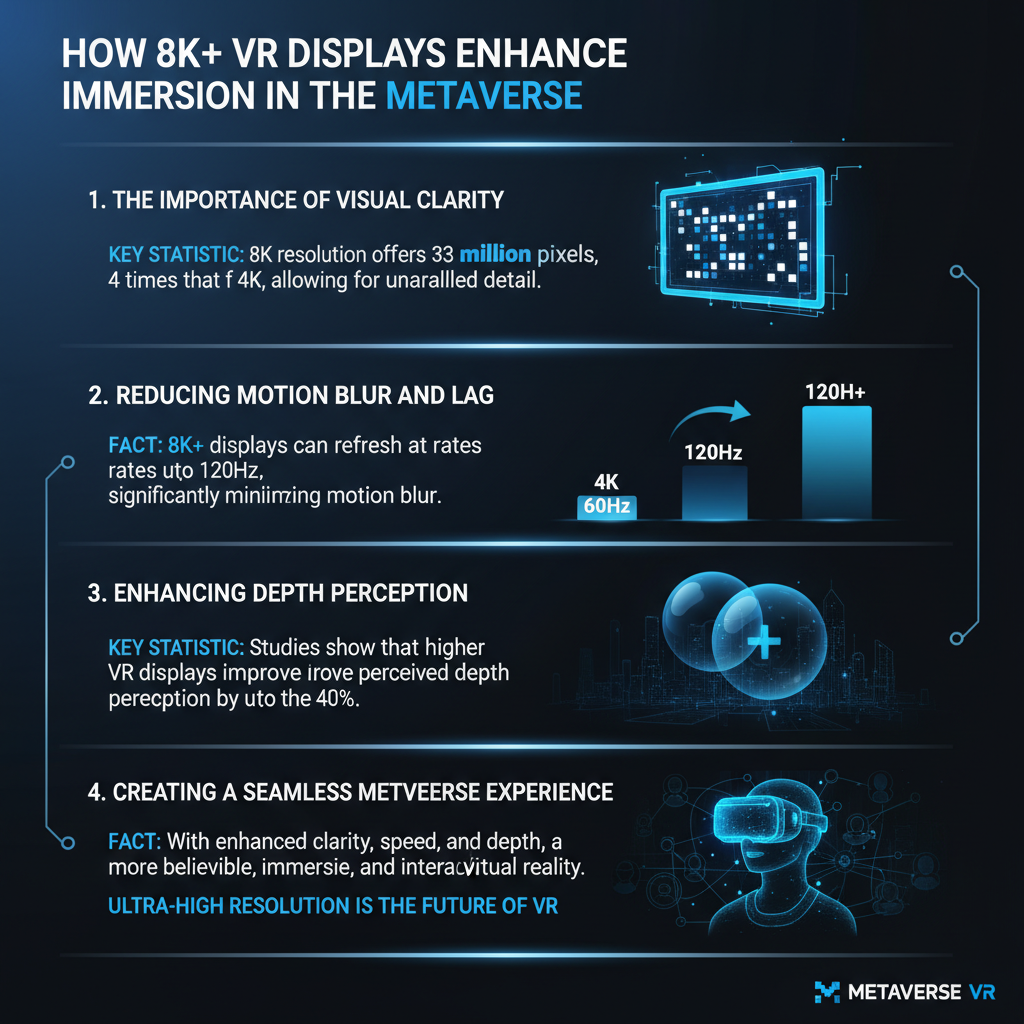
Furthermore, visual clarity in VR is essential for reducing the cognitive load on users. When the graphics are sharp and lifelike, the brain doesn’t have to work as hard to interpret the environment, which can lead to longer and more enjoyable sessions without the fatigue often associated with lower-quality displays. Clear visuals help users feel more connected to the experience, increasing the likelihood of them returning to explore more of what the Metaverse has to offer.
Reducing Motion Blur and Lag
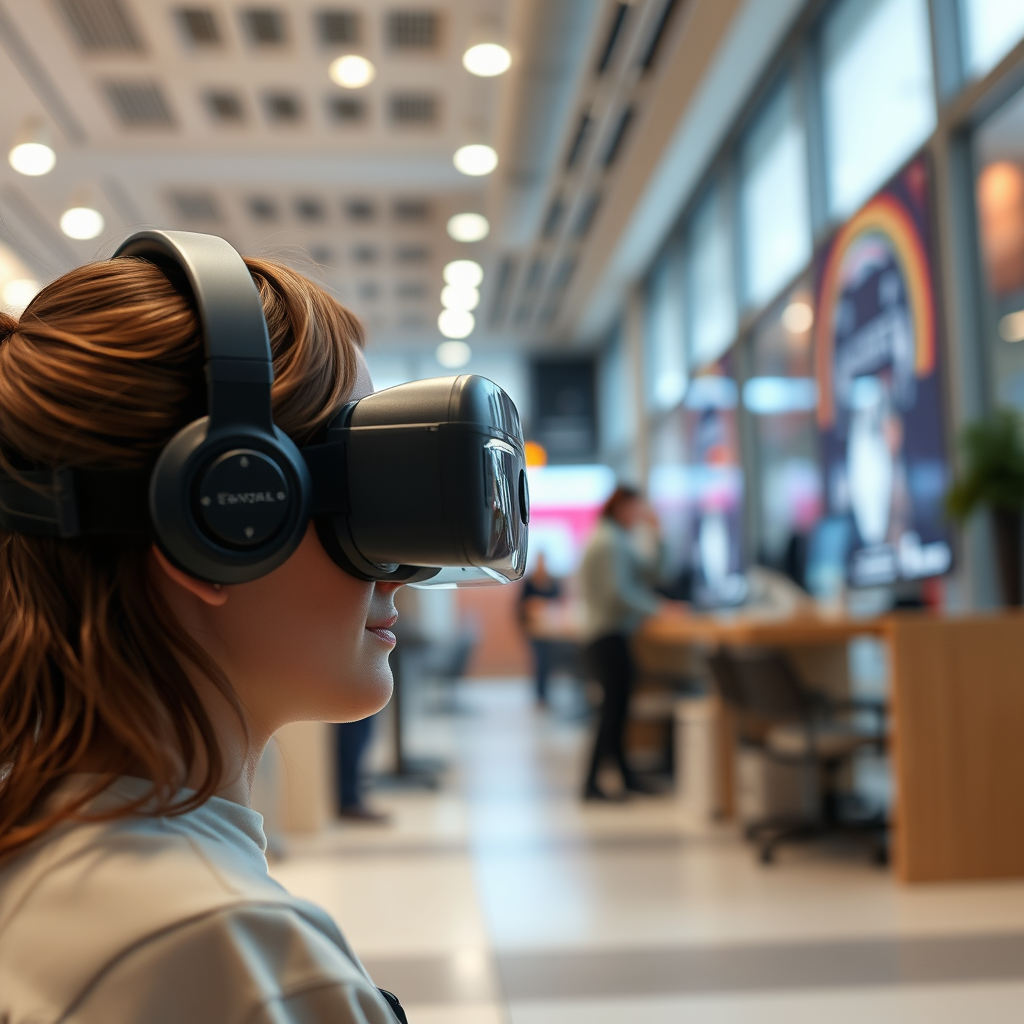
One of the most frustrating aspects of VR experiences can be motion blur and lag, especially during fast-paced interactions. However, advanced display technologies integrated into 8K+ VR displays are designed to minimize these issues, providing a smoother and more responsive experience. This reduction in motion blur is crucial for activities that require quick reflexes, such as gaming or virtual sports, where every millisecond counts.
In addition to minimizing motion blur, lower latency plays a significant role in enhancing real-time interactions. When there’s a delay between a user’s movements and what they see in the virtual space, it can lead to disorientation and frustration. With 8K+ VR systems featuring optimized refresh rates and faster processing times, users can enjoy seamless interactions that feel more natural and intuitive. This responsiveness not only elevates gameplay but also enriches social interactions within the Metaverse, allowing for real-time communication and collaboration that feels genuine.
Enhancing Depth Perception
For many users, the ability to perceive depth accurately is crucial for fully enjoying and navigating virtual environments. 8K+ displays offer improved stereoscopic images that enhance depth perception, making it easier for users to judge distances and interact with objects in a three-dimensional space. This is particularly important for activities such as virtual architecture tours or design applications, where understanding spatial relationships is essential.
Enhanced depth perception also contributes to user comfort. When navigating complex environments, users can move with greater confidence, knowing they can accurately assess their surroundings. This intuitive navigation reduces the likelihood of motion sickness, a common issue in VR, allowing users to explore more freely and with greater enjoyment. Ultimately, the depth perception provided by 8K+ displays makes the Metaverse feel more like a second home, rather than just a digital playground.
Immersive Audio-Visual Synchronization
While visuals are a critical component of immersion, audio plays an equally important role in creating a holistic experience. Higher resolution visuals work best when paired with high-quality audio, and 8K+ VR displays are often designed to accommodate advanced sound technologies. When visuals and audio are perfectly synchronized, users can feel as though they are truly part of the environment, responding to sounds in real-time and enhancing their overall engagement.
For instance, imagine wandering through a virtual forest where you can hear the rustling of leaves, the chirping of birds, and the distant sound of a flowing river. When these audio cues align seamlessly with what you see, it creates a more convincing atmosphere that can deeply affect emotional engagement. Developers are increasingly investing in spatial audio technologies to make these experiences even more immersive, allowing users to perceive sound directionally, further enriching their sense of presence in the Metaverse.
Broader Field of View
Another exciting feature of 8K+ VR displays is their ability to offer a broader field of view (FoV). A wider FoV allows users to take in more of their surroundings, creating an expansive sense of space that enhances immersion. This is particularly beneficial in applications like virtual gaming, where being aware of your environment can mean the difference between victory and defeat.
With a broader FoV, users can easily spot incoming threats or allies during gameplay, while also enjoying panoramic vistas in exploration or travel experiences. The ability to see more of the virtual world at once reduces the feeling of confinement that can sometimes occur in VR environments, allowing users to feel like they’re truly part of a larger universe. This design shift not only enhances enjoyment but also encourages longer exploration sessions, making the Metaverse feel more inviting and engaging.
Applications Beyond Gaming
While gaming is often the first thing that comes to mind with VR, 8K+ displays have potential applications in various fields, including education, training, and virtual tourism. In educational settings, students can immerse themselves in historical events or scientific phenomena, experiencing lessons in a way that feels both engaging and memorable. Imagine a biology class where students can virtually explore the human body in 3D, observing systems and organs up close.
Similarly, in training scenarios, professionals can practice complex tasks in a safe, simulated environment. For example, surgeons can refine their skills in a VR setting before ever stepping into an operating room, reducing the risk of errors. Virtual tourism also benefits from high-quality visuals, allowing users to explore destinations worldwide without leaving home. Whether it’s walking through the streets of Paris or diving into the Great Barrier Reef, 8K+ VR displays can make these experiences feel remarkably lifelike.
The Future of VR Displays
Looking ahead, the future of VR displays is brighter than ever, with emerging technologies promising even greater advancements. We can expect continued improvements in resolution, refresh rates, and overall display quality, making experiences even more immersive. Furthermore, trends indicate that VR technology will become more affordable and accessible, allowing more users to join the Metaverse and explore all it has to offer.
As manufacturers continue to innovate and push the boundaries of what is possible in VR technology, we may also see integration with other emerging technologies like augmented reality (AR) and artificial intelligence (AI). These advancements could lead to even more personalized and engaging experiences, transforming how we interact with both digital and physical spaces.
The integration of 8K+ VR displays is revolutionizing the Metaverse experience by delivering more detailed, immersive environments that engage users on multiple sensory levels. As technology continues to evolve, the potential for enhanced virtual experiences will only grow. By embracing these advancements, we can look forward to a future where the Metaverse is not just a digital place, but a vibrant extension of our everyday lives. To stay updated on the latest in VR technology, consider subscribing to industry news and exploring new VR applications that pique your interest.
Frequently Asked Questions
How do 8K+ VR displays enhance the immersion experience in the metaverse?
8K+ VR displays significantly enhance immersion in the metaverse by providing ultra-high-definition visuals that make virtual environments more lifelike. The increased pixel density reduces the screen door effect, allowing users to see finer details and textures in the virtual world. This heightened visual clarity helps users feel more present and engaged, transforming their overall experience in gaming, social interactions, and virtual events.
What are the benefits of using 8K+ VR displays for gaming in the metaverse?
Using 8K+ VR displays for gaming in the metaverse offers several benefits, including enhanced graphic fidelity, realistic environments, and smoother frame rates. This technology enables gamers to experience more immersive storytelling and dynamic gameplay, as the finer details help create a more believable virtual world. Additionally, the high resolution allows for better visual cues, which can enhance gameplay strategies and user performance.
Why is resolution important for VR immersion in the metaverse?
Resolution is crucial for VR immersion because it directly affects the level of detail and realism users perceive in virtual environments. Higher resolutions, such as 8K+, minimize blurriness and pixelation, leading to a more convincing and engaging experience. This detail is especially important in social interactions and complex environments where users need to recognize subtle cues, enhancing the overall sense of presence in the metaverse.
Which VR headset currently offers the best 8K+ display for metaverse experiences?
As of October 2023, the Varjo XR-3 headset stands out as one of the best options for 8K+ displays in metaverse experiences, offering a stunning resolution of 70 pixels per degree. Another strong contender is the Pimax Crystal, which also delivers exceptional visual fidelity and an expansive field of view. Both headsets are designed for high-performance applications, making them ideal for gamers and professionals seeking an immersive metaverse experience.
How can I optimize my PC setup to fully utilize an 8K+ VR display in the metaverse?
To fully utilize an 8K+ VR display in the metaverse, ensure that your PC has a powerful graphics card, such as the NVIDIA GeForce RTX 3080 or better, to handle the intense graphic demands. Adequate RAM (16GB or more) and a high-speed processor (Intel i7 or AMD Ryzen 7 and above) are also essential for smooth performance. Additionally, using a high-speed USB connection and ensuring your software is up to date will help maintain optimal performance in virtual environments.
References
- Virtual reality
- https://www.sciencedirect.com/science/article/pii/S1877050921004446
- https://www.nytimes.com/2021/10/12/technology/virtual-reality-immersive-experience.html
- https://www.nature.com/articles/s41598-021-00286-3
- https://www.bbc.com/future/article/20210210-what-is-the-metaverse-and-why-should-i-care
- What Is the Metaverse, Exactly? | WIRED
- https://www.researchgate.net/publication/342942919_Virtual_Reality_and_the_Metaverse
- https://www.technologyreview.com/2021/07/26/1030507/metaverse-virtual-reality-augmented-technology/