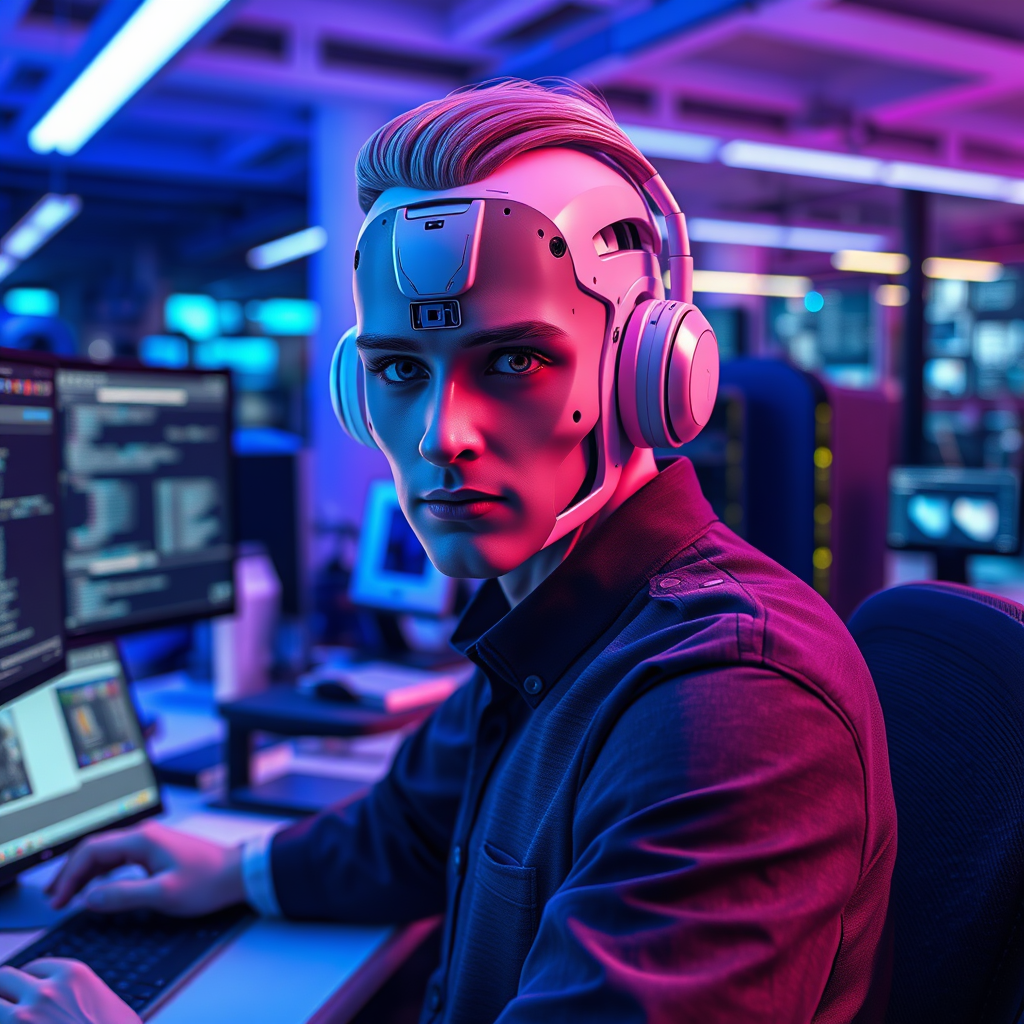

Advancements in artificial intelligence have made it possible to create hyper-realistic virtual actors that can seamlessly portray characters in films. This groundbreaking technology not only enhances the visual storytelling experience but also opens up a world of creative possibilities for filmmakers. In this article, you will learn about the techniques and technologies powering AI-generated virtual actors and how they are reshaping the landscape of cinema.
Understanding Hyper-Realism in Virtual Actors
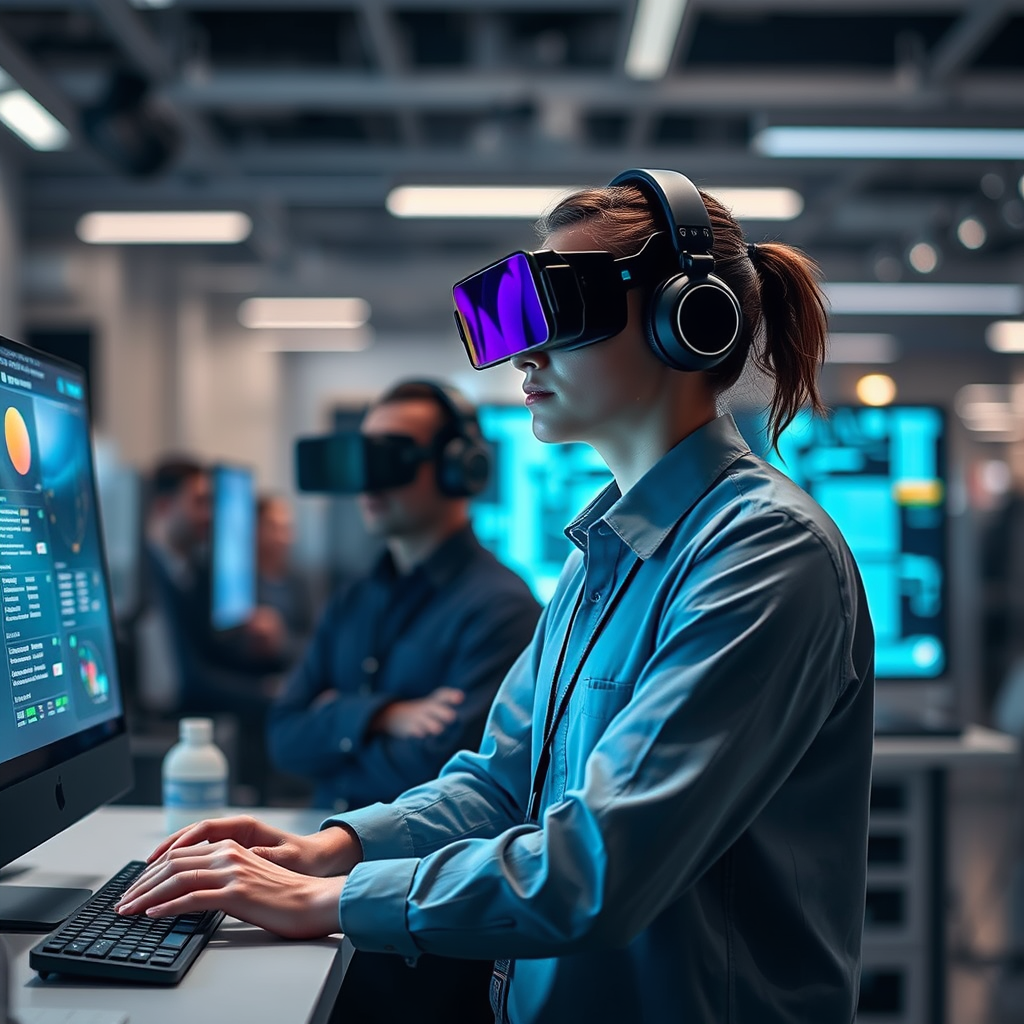
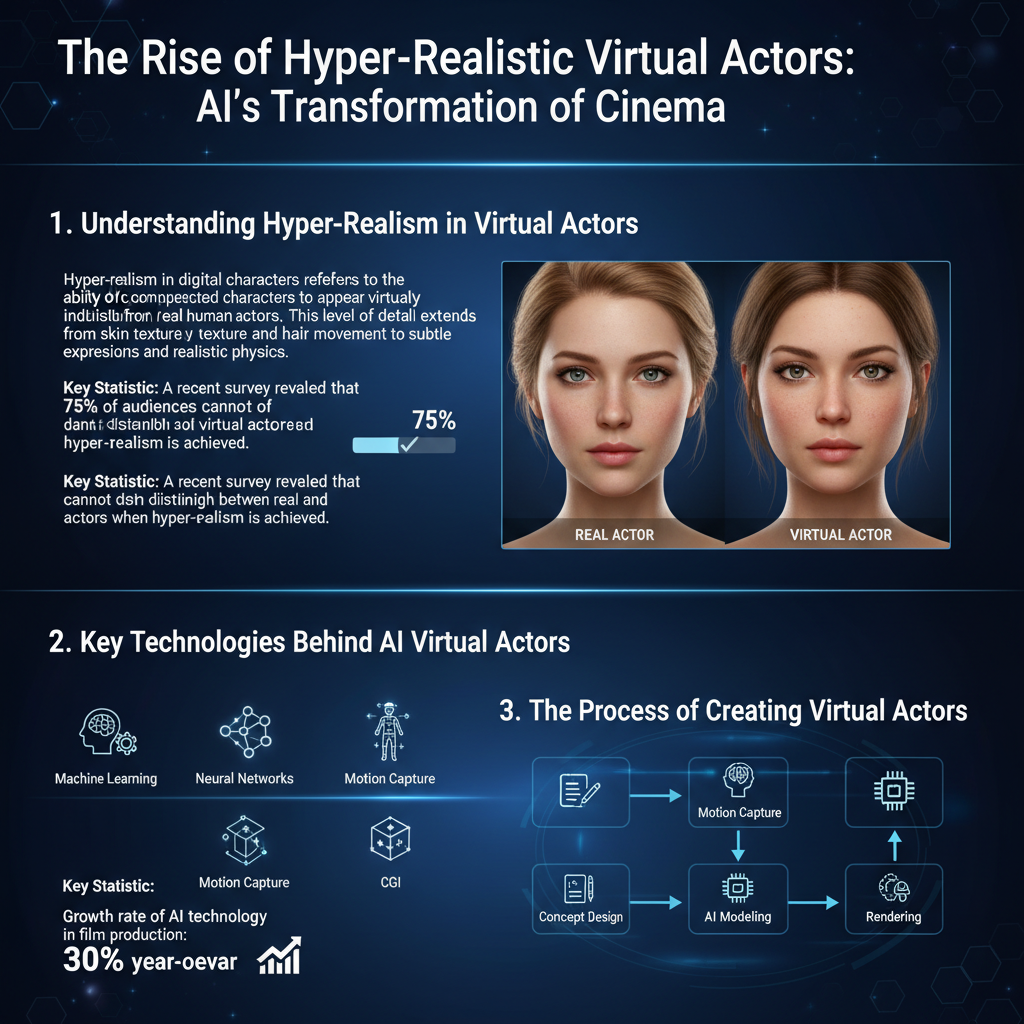
Hyper-realism in virtual actors is the art and science of creating digital characters that closely mimic human features and emotions. The goal is to achieve an uncanny resemblance to real people, not just in appearance but also in the ability to convey emotions through subtle facial expressions and body language. This level of detail is essential for maintaining audience immersion, as viewers are more likely to connect with characters that feel genuinely lifelike.
AI techniques, such as facial recognition and emotion analysis, are employed to dissect and reproduce the intricate nuances of human expressions. For instance, through extensive training on diverse datasets, AI systems can learn to recognize a smile’s slight variations or the way a furrowed brow can indicate concern. This ability to replicate human traits with extreme precision allows virtual actors to deliver performances that resonate deeply with audiences, enhancing the overall storytelling experience.
Key Technologies Behind AI Virtual Actors
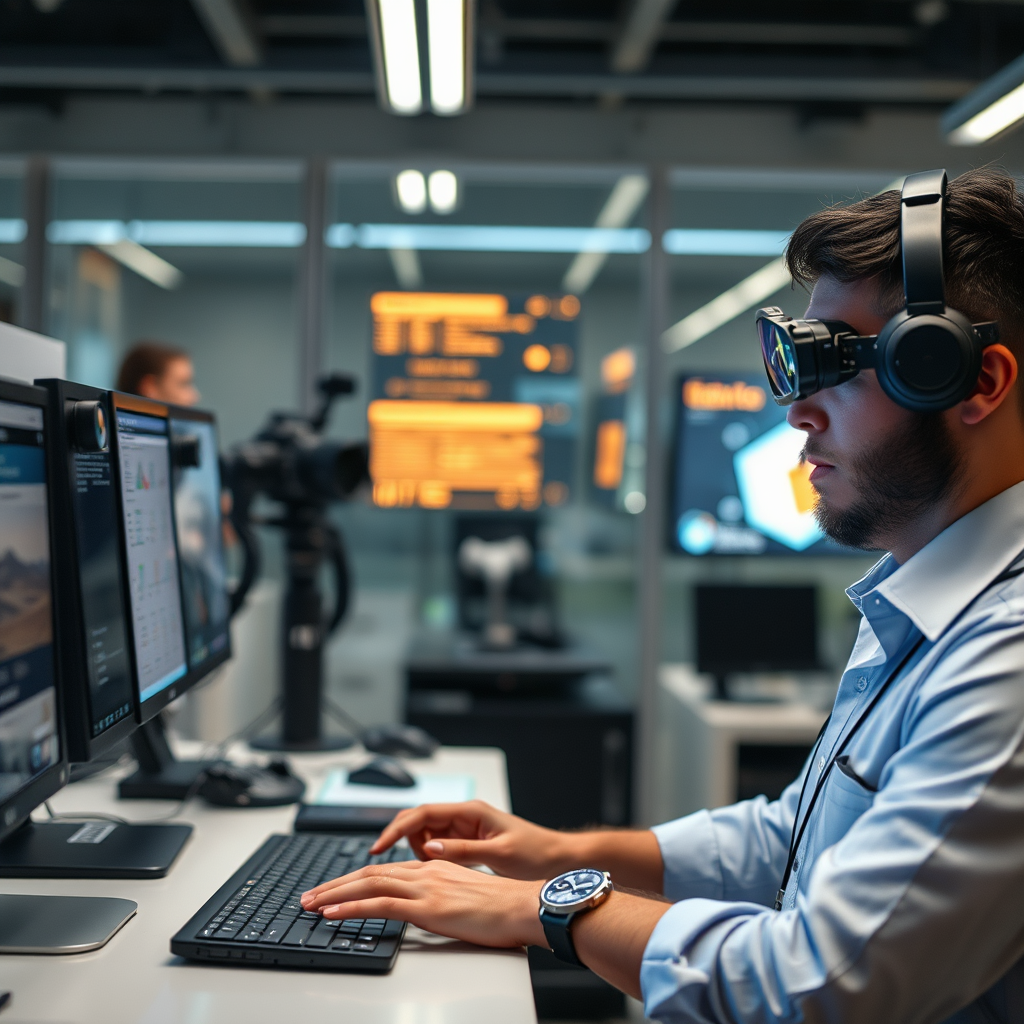
The backbone of AI-generated virtual actors is a combination of advanced machine learning and neural networks.
– Machine Learning: At its core, machine learning involves algorithms that are trained on vast datasets of human behavior. By analyzing these datasets, the AI learns to identify patterns in how people express emotions, move, and interact with one another. For example, training on thousands of hours of film footage allows AI systems to understand the context in which specific expressions are used, creating a more authentic virtual actor.
– Neural Networks: These deep learning models are designed to simulate human cognition, enabling the AI to generate realistic outputs. Using a structure that mimics the human brain, neural networks process information through layers of interconnected nodes, making decisions based on the data provided. This technology is pivotal in generating lifelike textures, movements, and expressions, ensuring that virtual actors can convincingly portray human characters.
As filmmakers continue to leverage these technologies, the potential for creating immersive narratives expands, allowing for complex character development that was previously unattainable.
The Process of Creating Virtual Actors
Creating hyper-realistic virtual actors is a multifaceted process that begins with data collection. Filmmakers gather extensive footage of human actors performing various emotions and actions, which serves as the foundation for training AI models. This data is crucial for teaching the AI how to replicate human behavior accurately.
Once the data has been collected, animation techniques come into play. Motion capture technology is often employed, where real actors perform scenes while their movements are recorded. This data is then translated into digital form, allowing virtual actors to mimic the physicality of their human counterparts. Additionally, keyframe animation is used to refine movements, ensuring that the virtual actors exhibit fluidity and realism in their performances.
For instance, in films like “The Lion King” (2019), the blend of live-action techniques with AI-generated animations created characters that felt both real and enchanting. The meticulous attention to detail in capturing the actors’ movements added depth to the virtual characters, making them relatable and engaging.
Applications in Film Production
The use of AI-generated virtual actors offers several benefits in film production.
– Cost-Effective Casting: One of the most significant advantages is the potential for cost savings. Hiring human actors can be expensive, especially for films that require extensive stunt work or complex visual effects. Virtual actors can step in for high-risk scenes, reducing the need for stunt doubles and potentially lowering insurance costs.
– Enhanced Storytelling: With the ability to perform stunts or portray characters in environments that would be difficult or dangerous for real actors, filmmakers can push the boundaries of storytelling. For example, in action-packed films or fantastical narratives, virtual actors can engage in breathtaking sequences that capture audiences’ imaginations without endangering human performers.
Moreover, as technology evolves, the integration of AI-driven virtual actors enables filmmakers to explore narratives that were previously considered too ambitious or risky, ultimately enriching the cinematic landscape.
Ethical Considerations and Challenges
While the rise of AI-generated virtual actors heralds exciting possibilities, it also brings forth ethical considerations and challenges that must be addressed.
– Consent and Rights: One of the most pressing issues is the question of consent and the rights associated with using an actor’s likeness and performance. As technology allows for the recreation of deceased actors or the digital resurrection of popular stars, filmmakers must navigate complex legal waters to ensure that they are respecting the rights of individuals and their families.
– Authenticity: Another challenge lies in maintaining authenticity within storytelling. While virtual actors can deliver stunning performances, there is a concern about losing the genuine human connection that audiences crave. Balancing the use of AI with the need for authentic emotional resonance is crucial for filmmakers as they craft narratives that remain relatable and impactful.
As discussions around these ethical considerations evolve, it will be essential for the industry to establish guidelines that protect both creators and audiences.
Future Trends in AI and Film
The future of AI in film is bright, with several trends emerging that promise to change how we experience storytelling.
– Increasing Integration: One trend is the growing collaboration between human and virtual actors. By combining the strengths of both, filmmakers can create more dynamic narratives that resonate with audiences on multiple levels. Imagine a film where human actors share the screen with lifelike virtual counterparts, adding layers to the story and enhancing audience engagement.
– Expanding Roles: The potential for virtual actors is not limited to feature films. As technology advances, we can expect to see virtual actors playing significant roles in various genres, including video games and virtual reality experiences. This expansion will allow for innovative storytelling techniques that engage viewers in entirely new ways, drawing them into immersive worlds that blur the lines between reality and fiction.
The future of AI-generated hyper-realistic virtual actors is poised to transform how stories are told in film.
As technology continues to advance, filmmakers will find innovative ways to harness this power, leading to new opportunities and challenges in the industry. By exploring these advancements further, we can gain insight into how they might influence our favorite films and the projects of tomorrow.
In this era of rapid technological growth, embracing the possibilities of AI in filmmaking can lead to a richer, more diverse cinematic experience for audiences worldwide.
Frequently Asked Questions
How does AI technology create hyper-realistic virtual actors for movies?
AI technology generates hyper-realistic virtual actors using advanced machine learning algorithms, particularly deep learning techniques. These systems analyze vast datasets of human facial expressions, movements, and voice patterns to create lifelike models that can mimic real actors. The result is a digital actor that can perform complex emotions and actions, making them indistinguishable from real-life performers on screen.
What are the benefits of using AI-generated actors in film production?
The benefits of using AI-generated actors in film production include reduced costs, increased creative flexibility, and the ability to create characters that are impossible or impractical to cast in real life. For instance, filmmakers can resurrect iconic actors or create entirely new characters without the constraints of physical presence, scheduling conflicts, or location logistics. This innovation also allows for more diverse casting and representation in storytelling.
Why is the use of AI-generated actors controversial in the film industry?
The use of AI-generated actors raises several ethical and artistic concerns within the film industry. Critics argue that it may lead to job losses for human actors and could undermine the authenticity of performances, as AI lacks genuine human experience and emotion. Additionally, there are concerns about copyright issues and the potential misuse of an actor’s likeness without their consent, prompting discussions about regulations and best practices in this evolving field.
Which films have successfully used AI-generated hyper-realistic actors?
Films such as “The Irishman” and “Rogue One: A Star Wars Story” have successfully integrated AI-generated hyper-realistic actors. In “The Irishman,” digital de-aging technology was employed to recreate younger versions of actors like Robert De Niro and Al Pacino, enhancing storytelling through seamless visual effects. “Rogue One” featured the digital resurrection of the late Peter Cushing as Grand Moff Tarkin, showcasing how AI can honor and continue the legacy of beloved characters.
What technologies are essential for creating hyper-realistic virtual actors?
Key technologies essential for creating hyper-realistic virtual actors include motion capture, facial recognition software, and advanced rendering techniques. Motion capture tracks an actor’s physical movements and expressions, while facial recognition captures detailed facial data to ensure accuracy. Coupled with high-quality rendering engines that simulate lighting and textures, these technologies achieve stunning realism in virtual actors, enhancing viewer immersion in film narratives.
References
- Computer-generated imagery
- https://www.bbc.com/future/article/20200114-how-ai-is-creating-hyper-realistic-avatars
- https://www.theguardian.com/technology/2022/aug/01/ai-generated-actors-hollywood-future
- https://www.nytimes.com/2022/04/05/technology/artificial-intelligence-actors.html
- https://www.sciencedirect.com/science/article/abs/pii/S1877050919316816
- https://www.nature.com/articles/s41599-020-0422-1
- https://www.technologyreview.com/2021/12/28/1041931/ai-generated-actors-film-industry/
- https://www.wired.com/story/ai-generated-actors-virtual-humans/