

AI-powered video analytics enhance border security by providing real-time monitoring, detecting threats, and improving response times. These advanced technologies are transforming how border management operates, ensuring safer borders through intelligent surveillance and data analysis. By leveraging AI, authorities can not only monitor vast areas more effectively but also respond swiftly to potential threats, fostering a more secure environment for citizens and travelers alike.
The Role of AI in Video Analytics
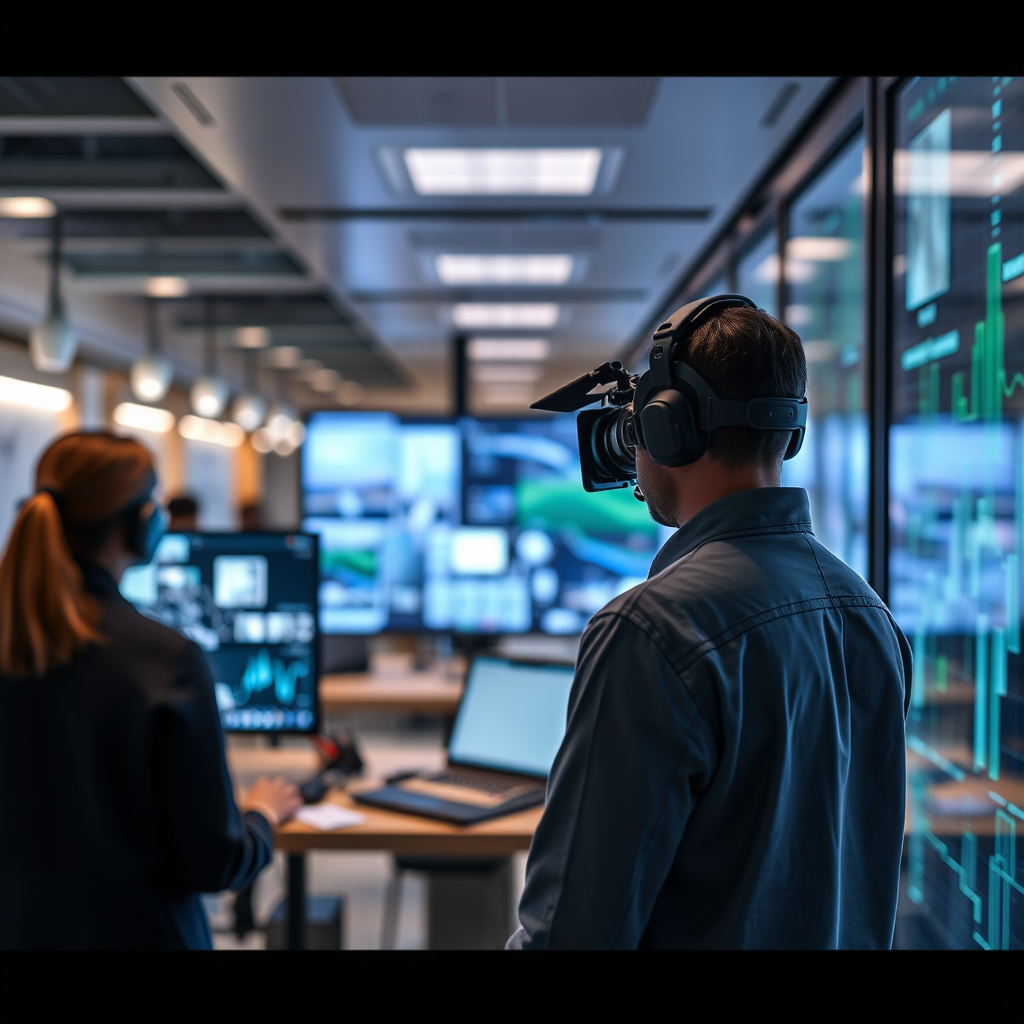
AI algorithms play a pivotal role in analyzing video feeds to identify unusual patterns and potential threats. Traditional surveillance methods often rely on human operators, who can become overwhelmed or distracted. However, AI systems can process vast amounts of video data in real-time, sifting through countless hours of footage to pinpoint anomalies. For instance, if a vehicle enters a restricted area or an individual behaves suspiciously, AI algorithms can flag these instances for further investigation.
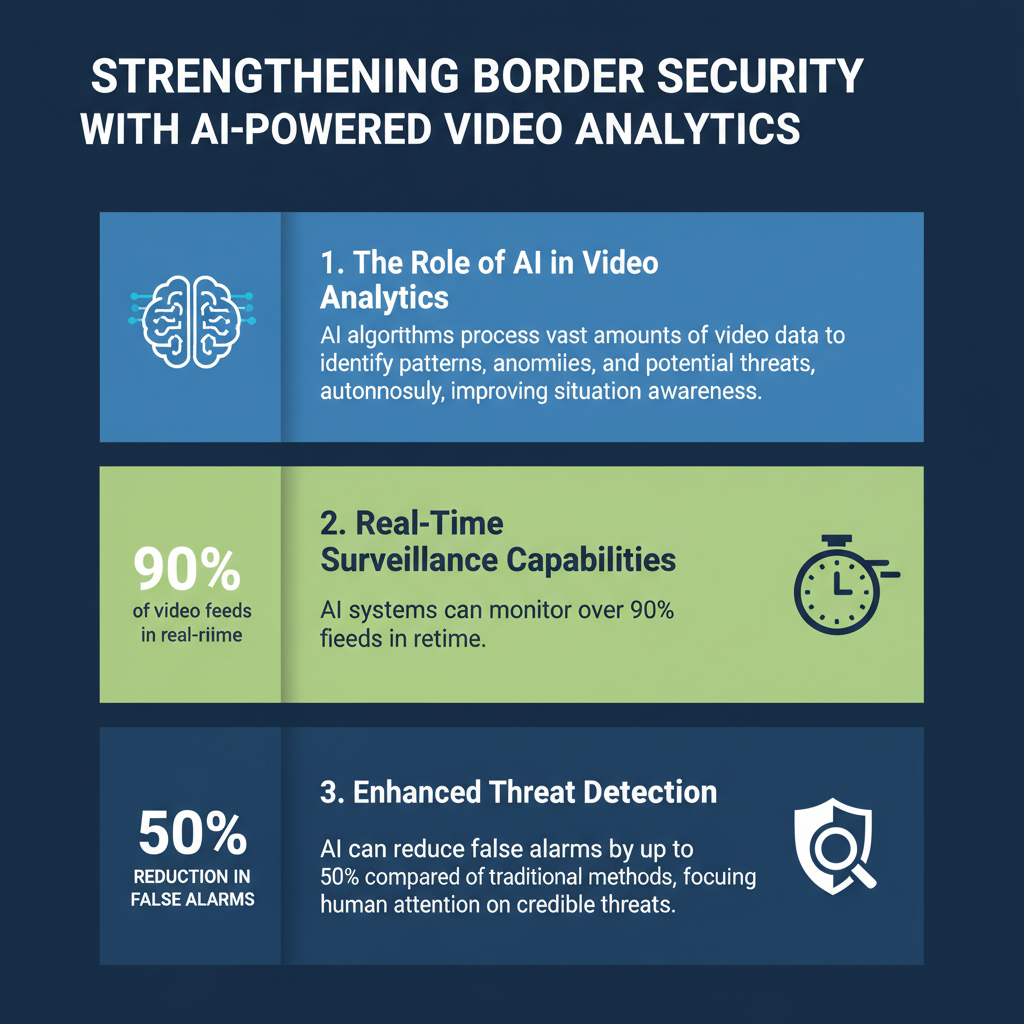
Moreover, machine learning models continuously improve their accuracy by learning from past incidents. This iterative process allows the system to adapt to new threats and challenges, making it increasingly efficient over time. For example, if a specific type of behavior is flagged as suspicious in one instance, the AI can recognize similar patterns in future footage, reducing false positives and enhancing overall security effectiveness.
Real-Time Surveillance Capabilities
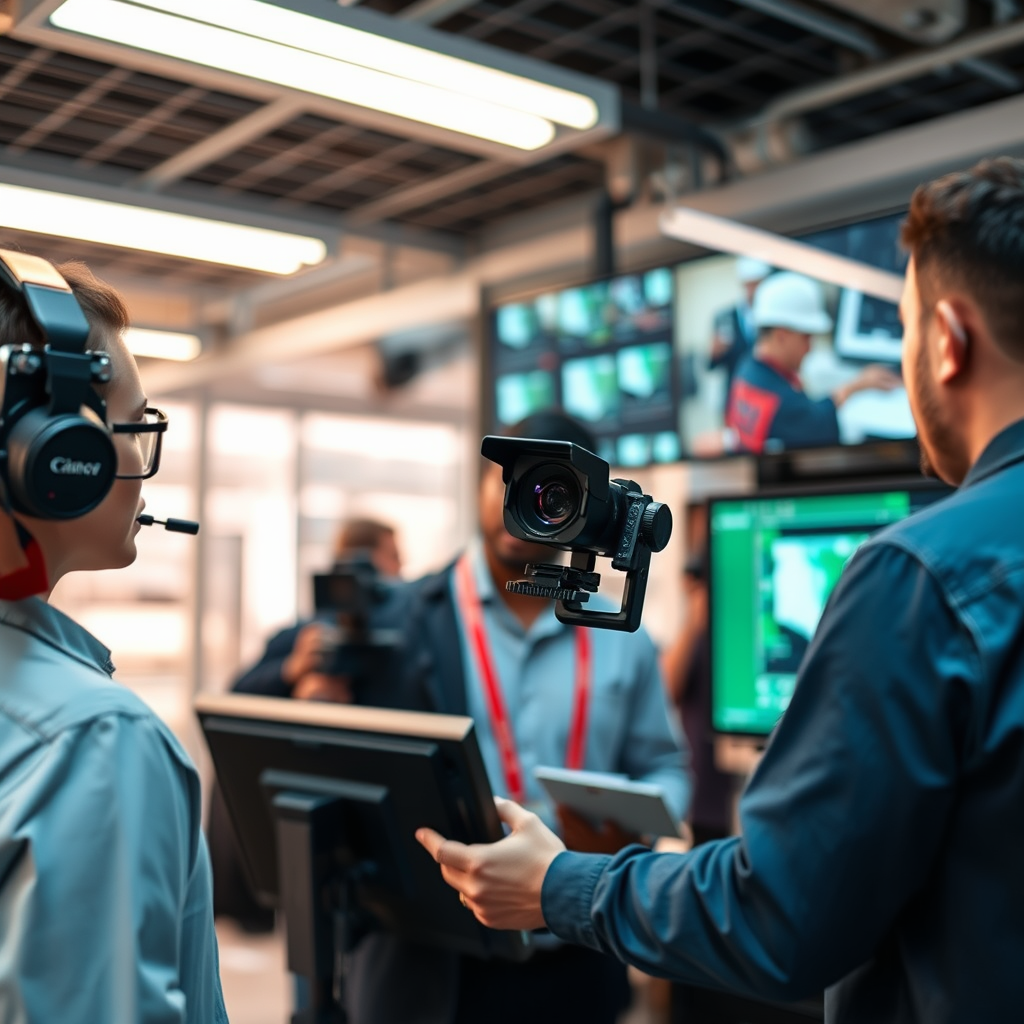
One of the standout features of AI-powered systems is their ability to monitor vast areas without the limitations of human oversight. Traditional border security often struggles with the sheer scale of the terrain, leading to blind spots and delayed responses. AI video analytics can cover expansive regions, ensuring comprehensive surveillance. Whether monitoring remote borders or busy checkpoints, these systems provide a level of coverage that was previously unattainable.
Instant alerts are generated for suspicious activities, enabling quicker responses from border security personnel. For instance, if an AI system detects unauthorized crossings or unusual gatherings, it can immediately notify officers on the ground, allowing them to act promptly. This real-time communication is crucial in preventing potential security breaches before they escalate, demonstrating how AI enhances operational efficiency and responsiveness.
Enhanced Threat Detection
AI technology excels in advanced object recognition, allowing for the identification of vehicles, individuals, and packages of interest. For example, with sophisticated algorithms, the system can differentiate between a regular vehicle and one that matches the profile of a known suspect or threat. This capability is not limited to moving objects; AI can also analyze static images and footage to detect suspicious items left unattended at border crossings.
Integration with other systems, such as facial recognition technology, significantly improves the ability to monitor known threats. By cross-referencing real-time video with databases of wanted individuals, border security can quickly identify suspects attempting to cross borders. Such integration enhances the overall security framework, making it more robust and reliable.
Data-Driven Decision Making
AI-powered video analytics provide invaluable insights into traffic patterns and peak activity times, aiding resource allocation. For example, by analyzing historical data, authorities can identify when certain border crossings experience increased traffic and deploy additional personnel during these peak times. This proactive approach not only enhances efficiency but also helps maintain order during busy periods.
Moreover, historical data analysis aids in predicting and preventing future security challenges. By understanding trends and patterns in border crossings, law enforcement agencies can anticipate potential threats and adjust their strategies accordingly. This data-driven decision-making process is essential for staying ahead of evolving security risks.
Integration with Existing Security Infrastructure
One of the greatest advantages of AI video analytics is that it can be seamlessly integrated with existing surveillance systems. Many border security agencies already have traditional cameras and monitoring equipment in place; AI technology enhances the effectiveness of these systems without necessitating a complete overhaul. This compatibility allows for a gradual transition to more advanced surveillance methods, ensuring that agencies can modernize their operations without significant disruptions.
Additionally, this technology complements traditional methods, such as physical patrols and checkpoint inspections. By providing real-time analytics and alerts, AI empowers security personnel to make informed decisions on the ground, leading to more effective and targeted responses. The harmony between AI and traditional security measures creates a comprehensive defense strategy.
Case Studies of AI Implementation
There are numerous examples of successful AI video analytics deployments in various countries. For instance, in the United States, the Department of Homeland Security has implemented AI-driven surveillance systems at several major border crossings. These systems have reported a measurable impact on border security efficacy, including a marked reduction in illegal crossings and enhanced identification of potential threats.
In Europe, countries like Spain and Germany have also adopted AI technologies to strengthen their border security. Reports indicate that these advancements have led to higher detection rates of human trafficking and smuggling operations, showcasing the tangible benefits of embracing AI in surveillance.
Future Trends in AI and Border Security
As technology continues to evolve, there are exciting predictions for the future of AI in surveillance and border management. Upcoming advancements may include improved predictive analytics, allowing for even greater anticipation of security challenges. Additionally, the utilization of drones equipped with AI technology could further enhance surveillance capabilities, providing a bird’s-eye view of border areas that are difficult to monitor on the ground.
However, with these advancements come potential challenges and ethical considerations surrounding privacy and data use. Striking the right balance between enhanced security and individual privacy rights will be crucial as AI technologies become more integrated into border management. Authorities will need to implement transparent policies and practices to ensure that citizens feel secure without compromising their rights.
The integration of AI-powered video analytics is revolutionizing border security by enhancing surveillance capabilities, improving threat detection, and enabling data-driven decisions. As technology continues to evolve, it is essential for authorities to stay updated on innovations and best practices to effectively protect borders. Embracing these advancements and considering how they can be applied to security strategies will lead to safer and more efficient border management, ultimately fostering a sense of security for all.
Frequently Asked Questions
What are the key benefits of using AI-powered video analytics in border security?
AI-powered video analytics offer several key benefits for border security, including enhanced surveillance capabilities, real-time threat detection, and improved situational awareness. By leveraging advanced machine learning algorithms, these systems can analyze vast amounts of video footage more efficiently than human operators, identifying unusual behavior or potential security breaches. This not only speeds up response times but also allows border security agencies to allocate resources more effectively.
How does AI video analytics improve the accuracy of border security monitoring?
AI video analytics enhances the accuracy of border security monitoring by utilizing advanced algorithms that can distinguish between normal and suspicious activities with high precision. These systems can detect patterns and anomalies, reducing false positives and ensuring that security personnel focus on genuine threats. With capabilities such as facial recognition and object detection, AI video analytics can provide actionable insights that lead to more informed decision-making at border checkpoints.
Why is real-time monitoring crucial for border security, and how does AI facilitate this?
Real-time monitoring is crucial for border security because it enables immediate response to potential threats, such as illegal crossings or smuggling activities. AI facilitates this by processing live video feeds quickly and efficiently, identifying anomalies in real time. This allows border security agents to react instantly, thereby preventing potential incidents before they escalate, which is vital for maintaining safety and security at border regions.
Which industries are most likely to benefit from AI-powered video analytics in border security?
Industries such as government and law enforcement, transportation and logistics, and critical infrastructure management are most likely to benefit from AI-powered video analytics in border security. These sectors require robust surveillance solutions to protect assets, monitor high-traffic areas, and ensure compliance with regulations. By implementing AI technology, these industries can enhance their security measures, increase operational efficiency, and improve overall public safety.
What are the challenges of implementing AI video analytics in border security, and how can they be overcome?
Implementing AI video analytics in border security can pose challenges such as high initial costs, data privacy concerns, and the need for skilled personnel to manage the technology. To overcome these obstacles, agencies can start with pilot programs to demonstrate effectiveness and secure funding, ensure compliance with privacy regulations, and invest in training for staff. By addressing these challenges proactively, border security agencies can successfully integrate AI technologies to enhance their operations.
References
- Closed-circuit television
- https://www.researchgate.net/publication/327865123_Artificial_Intelligence_in_Border_Security
- https://www.dhs.gov/publication/2019-border-security-strategy
- https://www.ncbi.nlm.nih.gov/pmc/articles/PMC7482616/
- https://www.rand.org/pubs/research_reports/RR2976.html
- https://www.bbc.com/news/technology-50848123
- https://www.sciencedirect.com/science/article/pii/S1877050919312550
- https://www.techrepublic.com/article/how-ai-is-being-used-in-border-security/