

Video AI technology is revolutionizing rehabilitation therapy by providing healthcare professionals with the tools to analyze patient movements accurately, leading to customized treatment plans and improved recovery outcomes. By leveraging advanced algorithms and data analytics, practitioners can better track patient progress and make informed decisions about their rehabilitation strategies. In this article, we will delve into how Video AI enhances rehabilitation therapy through movement analysis, data collection, and patient feedback.
Understanding Video AI in Rehabilitation
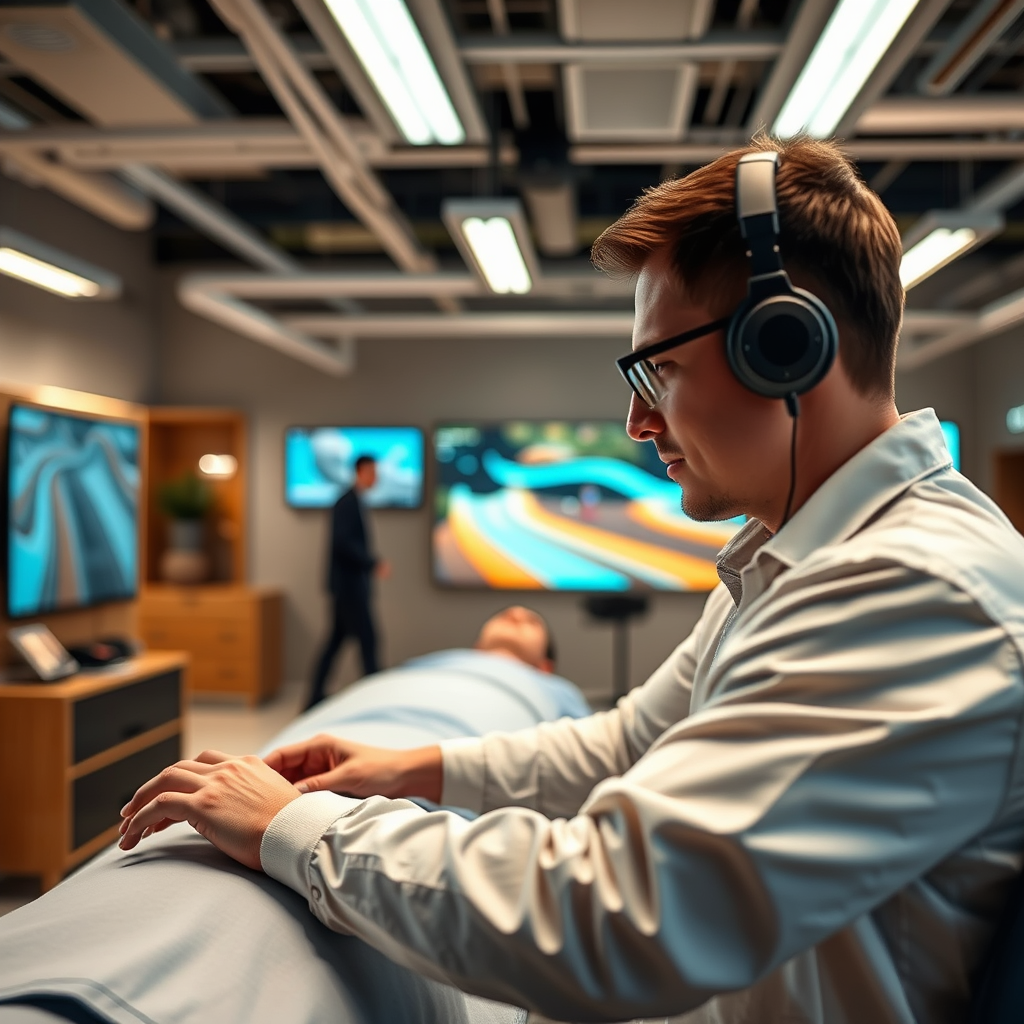
Video AI refers to the use of artificial intelligence to analyze video footage to understand and interpret human movements. In healthcare, particularly in rehabilitation, this technology is applied to monitor and assess the physical activities of patients as they undergo therapy. By capturing real-time video data, Video AI enables therapists to evaluate how well patients perform prescribed exercises, observe their range of motion, and identify specific challenges they may face during rehabilitation.
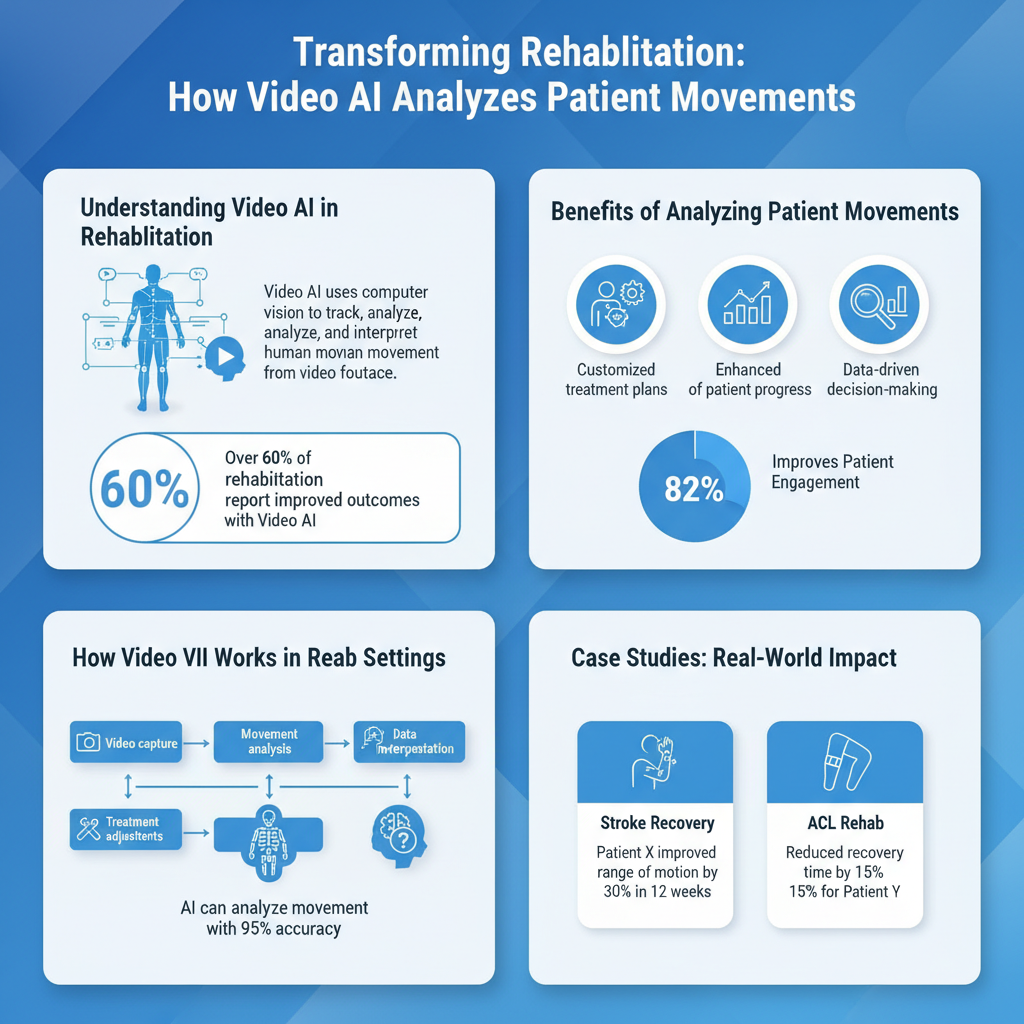
The technology relies on sophisticated cameras and sensors that record patient movements in various settings, such as clinics and home environments. These recordings are then processed by AI algorithms that analyze the footage for patterns, movements, and deviations from expected performance. This combination of real-time monitoring and intelligent analysis allows healthcare providers to gain deeper insights into patient behaviors and progress.
Benefits of Analyzing Patient Movements

One of the primary advantages of analyzing patient movements through Video AI is the improved accuracy in assessing patient progress. Traditional methods often rely on subjective assessments, which can vary between therapists. However, Video AI provides objective data that can be quantified, allowing for a clearer understanding of how patients are responding to their rehabilitation programs. This objective assessment helps to identify when a patient is plateauing or not making expected gains, prompting timely adjustments to their treatment plans.
Additionally, the enhanced ability to tailor rehabilitation programs to individual needs is a significant benefit. With detailed movement analysis, therapists can create personalized exercise regimens that address specific weaknesses or limitations identified through the video footage. For example, if a patient struggles with balance during a particular exercise, the therapist can modify the program to focus on balance training, ensuring the rehabilitation process is as effective as possible.
How Video AI Works in Rehab Settings
In rehabilitation settings, Video AI relies on a combination of cameras, sensors, and advanced algorithms to analyze movement data. High-definition cameras are strategically placed to capture different angles of the patient’s body as they perform exercises. These cameras can operate in various lighting conditions and environments, ensuring that the data collected is consistent and reliable.
The machine learning algorithms play a crucial role in interpreting the movement data captured by the cameras. They analyze the video footage to detect specific movements, assess their accuracy, and measure parameters such as speed, range of motion, and symmetry. For instance, a therapist can evaluate how closely a patient’s movements match the ideal performance for a given exercise, allowing for constructive feedback and targeted interventions. Over time, these algorithms improve their accuracy as they learn from more data, making them increasingly effective in analyzing patient movements.
Case Studies: Successful Implementations
Several healthcare facilities have successfully implemented Video AI technology, leading to notable improvements in patient recovery and engagement. For example, a physical therapy clinic in California adopted Video AI to monitor stroke rehabilitation patients. By analyzing their movements, therapists were able to identify specific deficits in their physical abilities that traditional assessments might have overlooked. This led to more targeted therapy sessions, resulting in a 30% faster recovery time for patients.
Another case study involved a rehabilitation center in Texas that used Video AI to assist patients recovering from sports injuries. By capturing and analyzing their movements, therapists could provide real-time feedback during exercises, significantly increasing patient engagement and motivation. Patients reported feeling more involved in their recovery process, which contributed to a more positive outlook on their rehabilitation journey.
Challenges and Considerations
Despite its many benefits, there are potential limitations to using Video AI in rehabilitation therapy. One challenge is the need for high-quality video equipment and software, which can represent a significant investment for healthcare facilities, especially smaller practices. Additionally, technical issues such as connectivity and data storage must be addressed to ensure seamless operation.
Ethical considerations regarding patient data and privacy also arise with the implementation of Video AI technology. Healthcare providers must ensure that they are compliant with regulations such as the Health Insurance Portability and Accountability Act (HIPAA) to protect patient information. Establishing clear protocols for data handling and obtaining informed consent from patients is crucial to maintaining trust and transparency.
Future Trends in Video AI for Rehab
Looking to the future, innovations in AI technology promise to further enhance movement analysis in rehabilitation. Emerging trends include the integration of wearable devices that can provide real-time data on patient movements and biometrics. These devices could complement Video AI by offering additional insights into patient performance and fatigue levels, leading to even more tailored rehabilitation programs.
Additionally, advancements in virtual reality (VR) and augmented reality (AR) are expected to play a significant role in rehabilitation practices. By combining these technologies with Video AI, therapists could create immersive environments that make rehabilitation exercises more engaging and enjoyable for patients. This could lead to increased compliance and motivation, ultimately improving recovery outcomes.
As Video AI continues to evolve, it is likely to shape the future of rehabilitation practices, making therapy more efficient, personalized, and effective.
Incorporating Video AI technology into rehabilitation therapy represents a significant advancement in patient care. By analyzing patient movements, healthcare providers can obtain valuable insights that lead to better treatment outcomes. The technology not only facilitates objective assessments but also allows for highly personalized care tailored to individual patient needs. For those interested in enhancing their rehab practices, exploring Video AI solutions may be the next step in improving patient recovery and satisfaction.
Frequently Asked Questions
What is Video AI and how does it analyze patient movements in rehab therapy?
Video AI, or artificial intelligence applied to video analysis, utilizes machine learning algorithms to interpret and assess human movements captured on video. In rehab therapy, it tracks patient motions during exercises to evaluate their performance, identify patterns, and provide real-time feedback. This technology enhances the rehabilitation process by allowing therapists to monitor progress accurately and adjust treatment plans based on data-driven insights.
How can Video AI improve rehabilitation outcomes for patients?
Video AI can significantly improve rehabilitation outcomes by providing precise movement analysis, which helps identify any deviations from the prescribed exercises. This technology enables therapists to tailor rehabilitation programs to individual needs, ensuring that patients perform exercises correctly and effectively. Enhanced monitoring and feedback can lead to faster recovery times, increased adherence to therapy, and improved overall patient satisfaction.
Why should rehabilitation facilities invest in Video AI technology?
Investing in Video AI technology can enhance the quality of care provided in rehabilitation facilities by offering objective data on patient performance. This technology not only aids in tracking progress over time but also helps therapists make informed decisions about treatment adjustments. Additionally, the use of Video AI can streamline administrative tasks, allowing therapists to focus more on patient interaction and therapy rather than manual data collection and analysis.
What are the best practices for integrating Video AI into existing rehab therapy programs?
To effectively integrate Video AI into rehab therapy programs, facilities should start by training staff on the technology and its benefits. Establish clear protocols for video recording sessions, ensuring patient privacy and consent. Additionally, combine the insights gained from Video AI with traditional assessment methods to create a comprehensive treatment plan. Regularly reviewing and updating the technology and practices based on feedback will also optimize patient outcomes.
Which patient populations can benefit the most from Video AI in rehabilitation therapy?
Various patient populations can benefit from Video AI in rehabilitation therapy, particularly those recovering from orthopedic surgeries, strokes, or sports injuries. Individuals with chronic conditions such as arthritis or neurological disorders can also gain from this technology, as it helps monitor their progress and adjust exercises accordingly. Ultimately, Video AI is beneficial for any patient requiring structured rehabilitation, as it promotes more personalized and effective treatment strategies.
References
- Physical therapy
- https://www.sciencedirect.com/science/article/pii/S1877050919312900
- https://www.ncbi.nlm.nih.gov/pmc/articles/PMC7529165/
- https://www.researchgate.net/publication/343092456_Artificial_Intelligence_in_Rehabilitation_Medicine
- https://www.frontiersin.org/articles/10.3389/freh.2020.00004/full
- https://www.healthit.gov/topic/scientific-initiatives/ai-healthcare
- https://www.nichd.nih.gov/health/topics/rehab/conditioninfo/using-ai
- https://www.theguardian.com/technology/2020/jan/15/ai-rehabilitation-therapy-patients-healthcare
- https://www.bbc.com/future/article/20220712-how-ai-is-helping-rehab-patients
- News | American Association for the Advancement of Science (AAAS)