

The future of haptic displays in gaming is set to create groundbreaking immersive experiences that allow players to truly feel the virtual worlds they inhabit. As technology advances, the integration of sophisticated touch feedback systems will engage not just sight and sound, but also the sense of touch, enhancing the emotional connection players have with their games. This article delves into the latest innovations in haptic technology, explores current applications in gaming, and examines the challenges and potential impacts on game design.
The Evolution of Haptic Technology
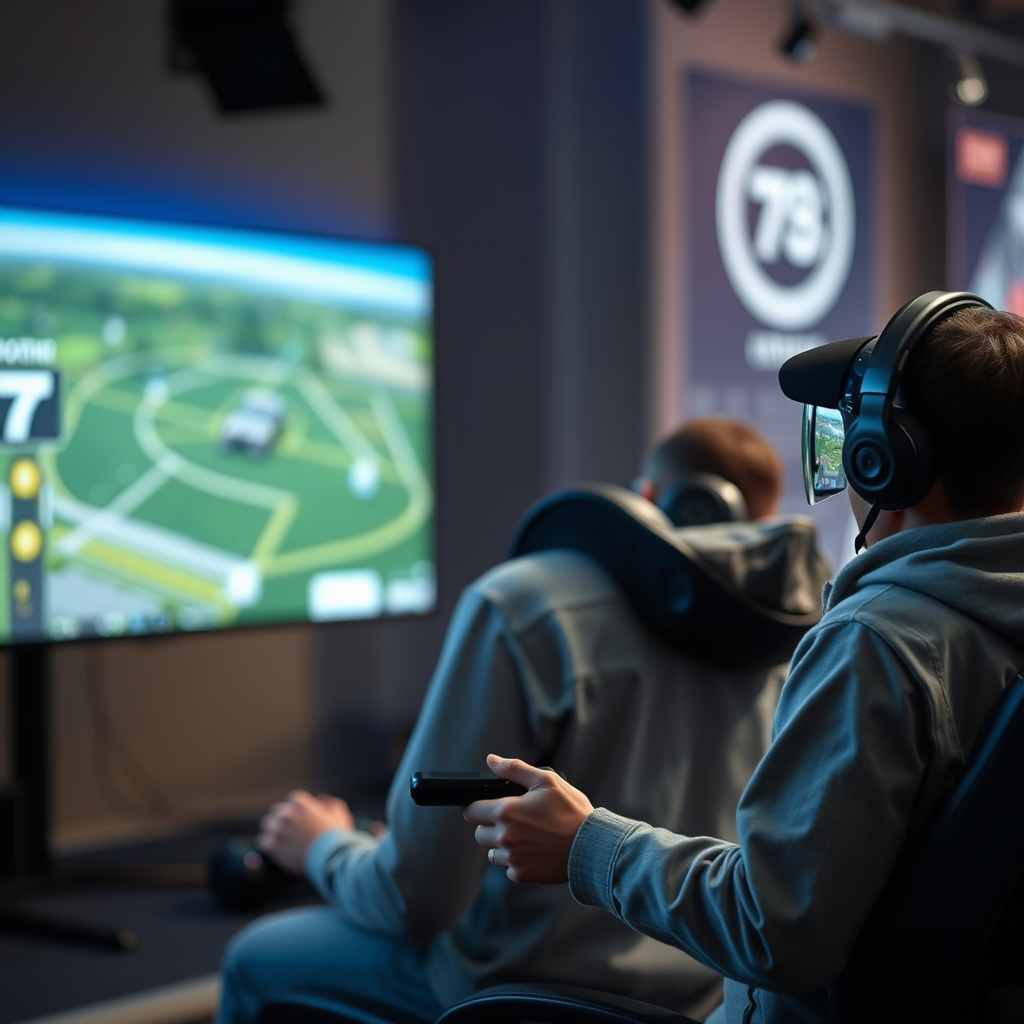
Haptic technology has come a long way since its inception, evolving from simple vibration motors found in early gaming devices to sophisticated systems that provide nuanced tactile feedback. The journey began in the 1990s, with rudimentary vibration features in gaming controllers, but it wasn’t until the rise of virtual reality (VR) that developers began to understand the full potential of haptic feedback.
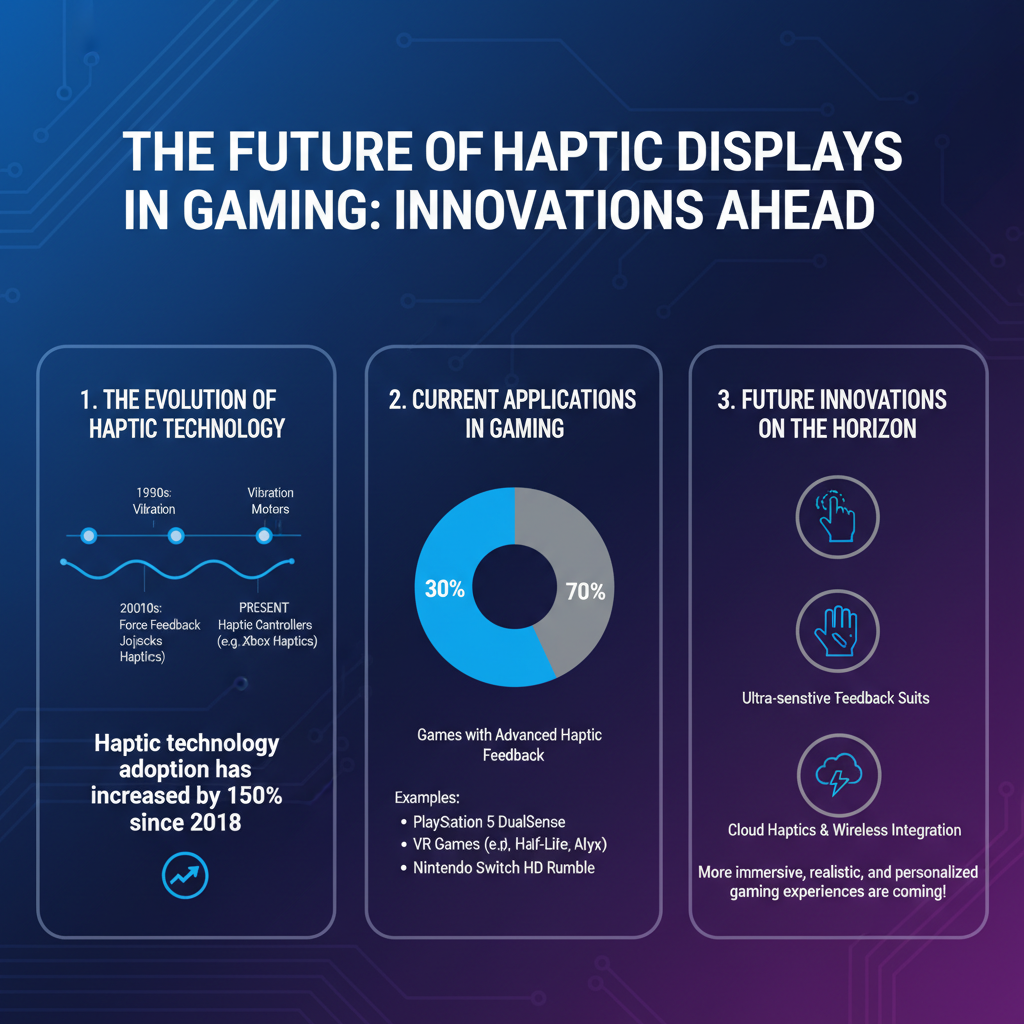
Key milestones in this evolution include the introduction of the PlayStation DualShock controller, which featured vibration feedback, and the Oculus Rift, which paved the way for immersive VR experiences. More recently, the PlayStation 5’s DualSense controller has taken haptics to the next level, offering adaptive triggers and dynamic feedback that simulate different actions in-game, such as the tension of pulling a bowstring or the sensation of driving on various terrains. These developments highlight how haptic technology is becoming integral to gaming, providing players with a more realistic and engaging experience.
Current Applications in Gaming

Today, numerous games are harnessing haptic feedback to create more immersive gameplay. Titles like “Astro’s Playroom” take full advantage of the PlayStation 5’s DualSense controller, allowing players to feel the differences in terrain as they navigate through the game. Meanwhile, the “Half-Life: Alyx” VR experience utilizes haptic gloves and controllers to give players a sense of weight and texture, making the virtual environment feel more tangible.
Several devices on the market today feature advanced haptic technology. The Valve Index and Oculus Quest are notable examples of VR systems that provide exceptional tactile feedback, while gaming peripherals like the Razer Raiju controller and the Xbox Elite Series 2 controller also incorporate haptic features to enhance gameplay. These products invite players to engage with their games on a deeper level, making the experiences not just visual, but also physical.
Future Innovations on the Horizon
Looking ahead, several emerging technologies promise to further shape the landscape of haptic displays in gaming. Ultrasonic haptics, for instance, use sound waves to create sensations in mid-air, allowing players to feel virtual objects without the need for physical controllers. This innovation could revolutionize how we interact with games, as it would eliminate the barriers of traditional input devices.
Wearable devices are also on the rise, with companies developing haptic vests and suits that provide feedback across the entire body. Imagine feeling the blast of a grenade or the thud of footsteps approaching from behind! As these technologies advance, players can expect a level of immersion that goes beyond visual and auditory stimuli, creating a truly multi-sensory gaming experience.
Challenges Facing Haptic Display Integration
Despite the promising advancements, several challenges remain in the integration of haptic displays within gaming. One significant hurdle is the technical complexity involved in creating devices that are both universally compatible and affordable for the average consumer. The cost of high-quality haptic feedback systems can be prohibitive, potentially limiting their widespread adoption.
Furthermore, there is a learning curve for both players and game developers. Players may need time to adjust to new feedback mechanisms, while developers must design experiences that fully utilize haptic technology. This calls for collaboration within the industry to ensure that games are developed with haptic feedback in mind from the ground up, rather than as an afterthought.
Potential Impact on Game Design
The incorporation of haptic technology is poised to have a profound impact on game design, particularly in narrative storytelling and emotional engagement. Haptic feedback can amplify emotional moments in games, allowing players to physically feel a character’s heartbeat during tense situations or the impact of their choices in the storyline. This added layer of immersion can deepen emotional connections, making gaming experiences more memorable.
Additionally, haptic feedback can enhance multiplayer experiences by facilitating social interaction. Imagine feeling the weight of a teammate’s presence in a co-op game or experiencing the tension of a competitive match through tactile cues. These innovations could foster a new level of engagement and camaraderie among players, making gaming not just a solitary activity, but a shared emotional journey.
Industry Trends and Consumer Expectations
As gamers increasingly demand more immersive experiences, the industry is responding with a focus on haptic technology. Insights from market research indicate that consumers are eager for advancements that enhance realism, with many willing to invest in devices that provide richer tactile experiences. This trend is influencing hardware and software development, with companies prioritizing haptic feedback as a key feature in upcoming releases.
In addition, as gaming becomes more mainstream, there is a growing expectation for all devices, from consoles to mobile platforms, to incorporate some form of haptic feedback. This shift is likely to drive competition among manufacturers, ultimately leading to more innovative and affordable solutions for consumers.
The future of haptic displays in gaming is bright, with numerous innovations poised to transform the industry. As technology advances, players can expect richer, more immersive experiences that blur the lines between the virtual and real worlds. To stay updated on these exciting developments, follow industry news and consider experimenting with the latest haptic devices in your gaming setup.
Frequently Asked Questions
What are haptic displays and how do they work in gaming?
Haptic displays are advanced interfaces that provide tactile feedback to users, enhancing the immersive experience in gaming. They work by using vibrations or motions to simulate physical sensations, allowing players to feel actions such as explosions or character movements. This technology utilizes actuators, sensors, and algorithms to create a more engaging environment, making gameplay more interactive and realistic.
How will haptic display technology impact the future of gaming experiences?
The future of haptic display technology is poised to revolutionize gaming experiences by adding a new layer of realism that traditional visual and audio cues cannot provide. By incorporating haptic feedback, games can offer more intuitive controls and emotional responses, which can lead to deeper player engagement and enjoyment. As more developers adopt this technology, we can expect games that not only look and sound great but also feel authentic, transforming how players interact with virtual worlds.
Why are haptic displays considered essential for virtual reality (VR) gaming?
Haptic displays are essential for virtual reality gaming because they bridge the gap between visual immersion and physical interaction. VR environments can often feel disconnected from the real world, but haptic feedback allows players to “feel” the game, enhancing the sense of presence. This tactile interaction can lead to more accurate movements and reactions, making VR experiences more believable and enjoyable while reducing motion sickness for gamers.
Which gaming platforms are most likely to adopt haptic display technologies in the near future?
Major gaming platforms like PlayStation, Xbox, and PC are likely to adopt haptic display technologies in the near future, as they seek to enhance user experiences. The PlayStation 5, for instance, has already incorporated advanced haptic feedback in its DualSense controller, indicating a commitment to this technology. Additionally, gaming PCs with specialized peripherals like haptic gloves or advanced VR systems are also expected to integrate haptic displays, making them a significant part of the gaming ecosystem.
What are the challenges facing the widespread adoption of haptic displays in gaming?
The widespread adoption of haptic displays in gaming faces several challenges, including high development costs, the need for specialized hardware, and the requirement for game developers to create content that effectively utilizes this technology. Additionally, there is a learning curve for both developers and players to fully embrace and understand the potential of haptic feedback. Overcoming these challenges will be crucial for the mainstream integration of haptic displays in gaming, but as technology advances, solutions are likely to emerge.
References
- Haptic technology
- https://www.sciencedirect.com/science/article/pii/S187705091931098X
- https://www.nature.com/articles/s41598-019-41162-5
- https://www.techrepublic.com/article/the-future-of-haptic-technology-in-gaming/
- https://www.wired.com/story/haptic-tech-gaming-future/
- https://www.researchgate.net/publication/343231899_Haptic_Displays_for_Gaming
- https://www.bbc.com/future/article/20200117-haptic-feedback-the-future-of-touch-in-gaming