

The integration of artificial intelligence (AI) in automating ultrasound image analysis is revolutionizing the medical imaging field, making diagnoses faster and more accurate. By leveraging advanced algorithms, AI can streamline the interpretation of ultrasound images, ultimately enhancing patient outcomes and alleviating the workload on healthcare professionals. This article explores the multifaceted role of AI in ultrasound analysis, shedding light on its benefits, challenges, and future prospects.
Understanding Ultrasound Imaging
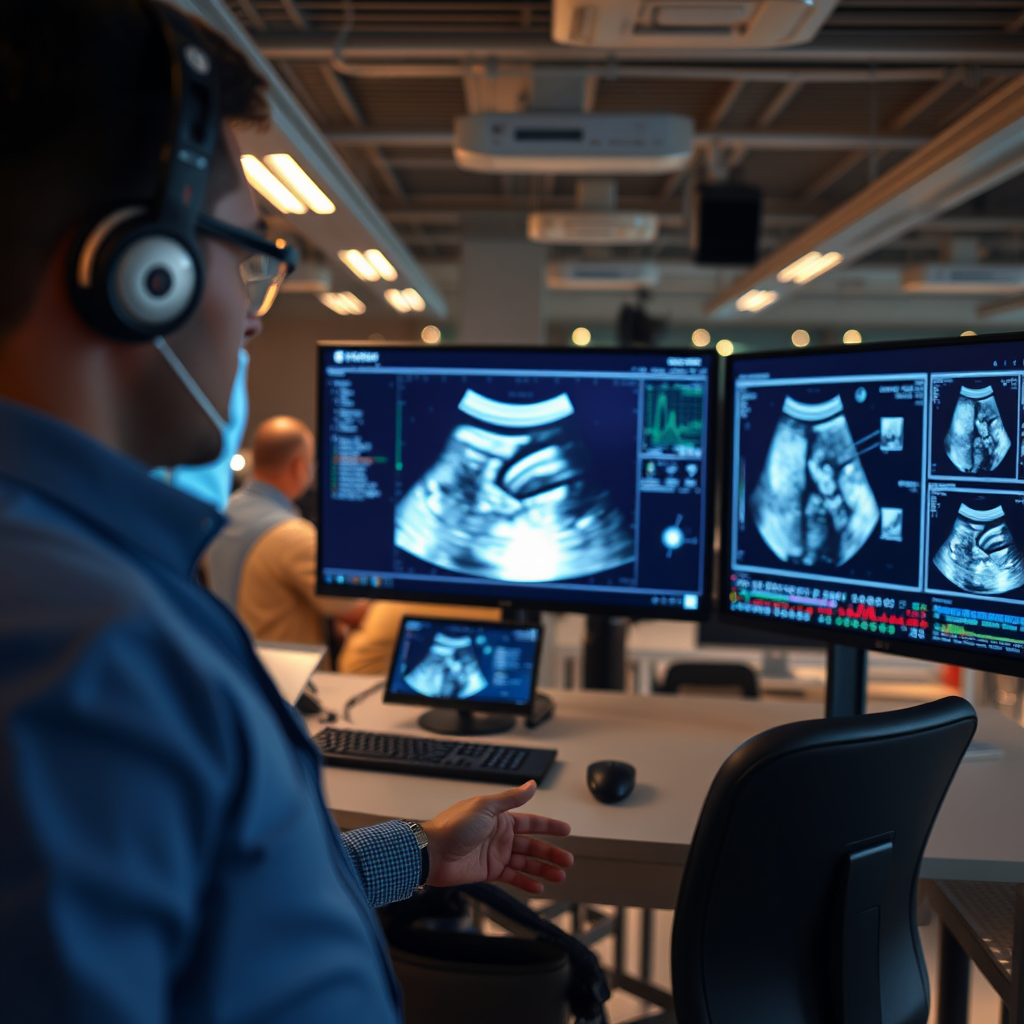
Ultrasound imaging is a non-invasive diagnostic tool that utilizes high-frequency sound waves to create images of the inside of the body. This technology is widely used in various medical applications, including obstetrics for monitoring fetal development, cardiology for assessing heart conditions, and musculoskeletal evaluations for diagnosing injuries. The importance of accurate image analysis cannot be overstated; precise interpretations can lead to timely interventions and better health outcomes. Inaccurate readings, on the other hand, can result in misdiagnoses, unnecessary procedures, or missed treatment opportunities. As such, the demand for enhanced image analysis techniques has never been greater.
The Emergence of AI in Medical Imaging
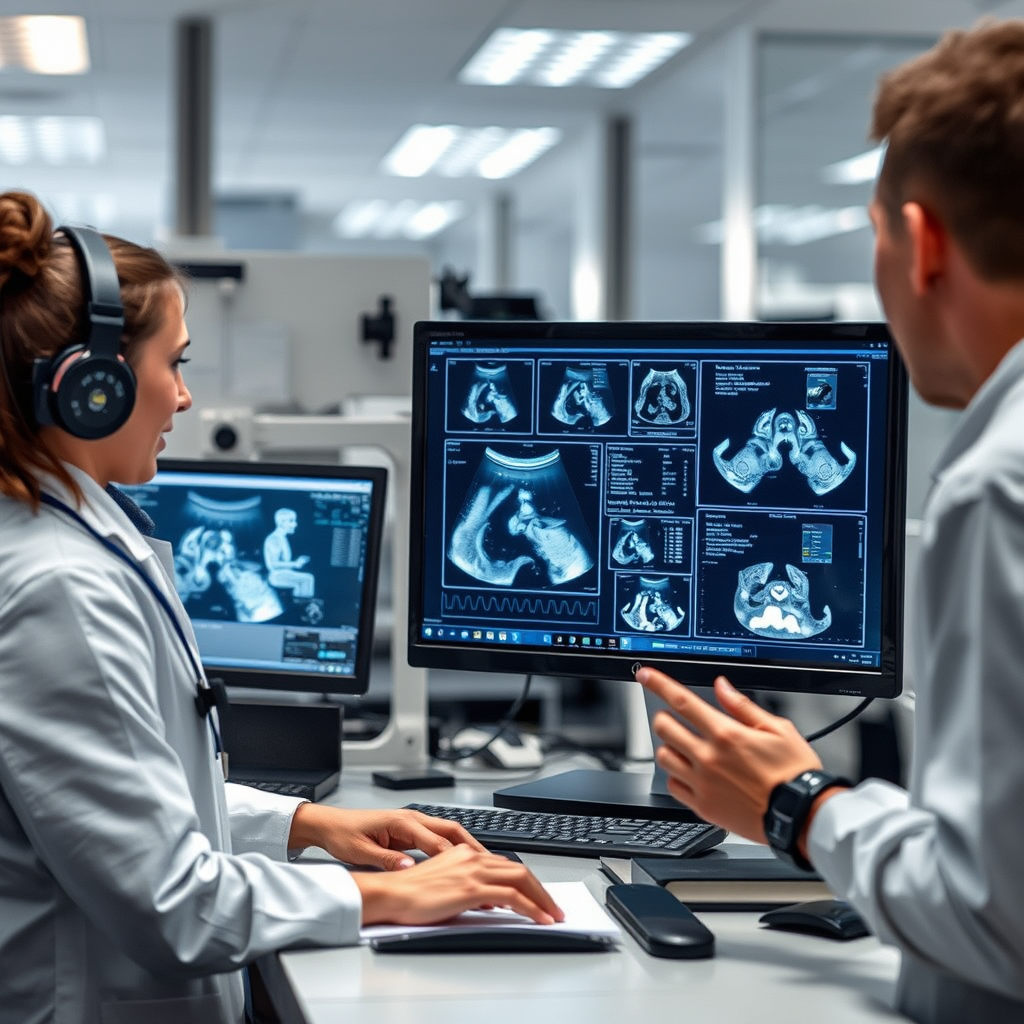
The journey of AI in healthcare began several decades ago, with early attempts to develop computer-aided diagnostic systems. However, it wasn’t until the advent of machine learning and deep learning technologies that AI began to make significant strides in medical imaging. Today, AI applications are rapidly gaining traction in diagnostics, particularly for ultrasound. According to recent studies, AI algorithms are being employed to detect conditions like tumors, vascular diseases, and cardiac abnormalities with remarkable accuracy. These advancements reflect a growing trend where AI is becoming an indispensable tool in the healthcare arsenal, offering support to radiologists and clinicians alike.
How AI Automates Image Analysis
The automation of ultrasound image analysis relies heavily on sophisticated AI algorithms, particularly those involved in image recognition and analysis. Convolutional Neural Networks (CNNs) are among the most common machine learning models used in this domain. These networks can learn to identify patterns and features in images, making them exceptionally good at distinguishing between normal and abnormal findings. For instance, a CNN trained on a large dataset of ultrasound images can learn to recognize the subtle differences in tissue textures that indicate pathology.
Moreover, the role of machine learning extends beyond just initial training. As AI systems are exposed to more data, they continually refine their algorithms, improving diagnostic accuracy over time. For example, an AI model may initially identify a specific type of tumor with 85% accuracy, but with continuous learning from new cases, that accuracy can rise to 95%. This iterative process not only enhances the reliability of the diagnosis but also provides valuable insights into emerging trends in patient care.
Benefits of AI in Ultrasound Analysis
The benefits of integrating AI into ultrasound analysis are manifold. First and foremost, AI significantly speeds up the image interpretation process. Traditional methods of image analysis can be time-consuming, often requiring radiologists to scrutinize images for extended periods. With AI, the analysis can be completed in a fraction of the time, allowing healthcare professionals to allocate their time to other critical tasks.
Additionally, AI reduces human error, which is a significant concern in medical diagnostics. Studies have shown that AI-assisted ultrasound readings can lead to more consistent and reliable results compared to those made solely by human interpretation. For example, an AI system may flag potential abnormalities that a human might overlook due to fatigue or distraction. This enhanced consistency is particularly important in high-stakes environments, where accurate diagnoses are vital for patient safety.
Challenges and Limitations
Despite its promising potential, the implementation of AI solutions in clinical settings is not without challenges. One major hurdle is the integration of AI systems into existing workflows. Radiologists and clinicians may be resistant to adopting new technologies, particularly if they feel that AI could undermine their expertise or lead to job displacement. To overcome this, it’s crucial for stakeholders to view AI as a supportive tool rather than a replacement.
Furthermore, ethical considerations regarding patient data privacy and the need for robust regulatory frameworks cannot be ignored. As AI systems rely on vast amounts of data to learn and improve, ensuring that this data is handled securely and ethically is paramount. Regulatory bodies must establish guidelines to ensure that AI technologies are used responsibly, prioritizing patient safety and data integrity.
Future Prospects of AI in Ultrasound
Looking ahead, the future of AI in ultrasound imaging appears bright. Predictions suggest that as technology continues to evolve, we will see even greater integration of AI in clinical practices. This could include real-time analysis during ultrasound examinations, where AI algorithms provide instant feedback to clinicians, allowing for immediate decision-making.
Moreover, the potential impact on healthcare practices and patient care is profound. With AI handling routine analyses, healthcare professionals will have more time to focus on complex cases and patient interactions, ultimately leading to improved patient satisfaction and outcomes. The future landscape of healthcare could be one where AI and human expertise work in tandem, providing a level of care that is both efficient and empathetic.
The integration of AI in automating ultrasound image analysis is paving the way for more efficient and accurate diagnostics, ultimately benefiting both healthcare providers and patients. As the technology advances, it is crucial for stakeholders to stay informed and prepared for the changes ahead. Embracing these innovations will foster a more effective healthcare system, so consider exploring further resources and discussions on this evolving topic.
Frequently Asked Questions
What is the role of AI in automating ultrasound image analysis?
AI plays a crucial role in automating ultrasound image analysis by utilizing machine learning algorithms to interpret imaging data quickly and accurately. This technology helps in identifying patterns, detecting abnormalities, and enhancing image quality, reducing the time healthcare professionals need to spend on manual analysis. As a result, AI can improve diagnostic accuracy, streamline workflows, and free up radiologists to focus on more complex cases.
How does AI improve the accuracy of ultrasound diagnoses?
AI improves the accuracy of ultrasound diagnoses by employing deep learning techniques that can analyze vast datasets of images, learning to recognize subtle features that may be missed by the human eye. This technology continually refines its algorithms based on new data, thus enhancing its diagnostic capabilities over time. Additionally, AI can assist in standardizing interpretations, reducing variability in diagnostic results among different practitioners.
Why is automating ultrasound image analysis important for healthcare providers?
Automating ultrasound image analysis is essential for healthcare providers because it enhances efficiency, reduces the likelihood of human error, and accelerates patient care. With AI handling routine image interpretations, practitioners can prioritize complex cases and provide timely diagnoses, ultimately improving patient outcomes. Moreover, automation can help address the shortage of trained radiologists in many regions, ensuring that patients receive the necessary imaging evaluations without extended delays.
What are the best practices for implementing AI in ultrasound image analysis?
The best practices for implementing AI in ultrasound image analysis include selecting a reliable AI platform that complies with medical regulations and standards, ensuring data privacy, and providing adequate training for staff. It’s essential to integrate AI tools seamlessly into existing workflows to enhance usability and acceptance among healthcare professionals. Regularly updating the AI system and conducting performance assessments will also ensure that the technology remains effective and accurate.
Which types of ultrasound procedures benefit most from AI automation?
AI automation significantly benefits various ultrasound procedures, particularly those involving complex organ assessments like echocardiography, obstetric ultrasounds, and abdominal imaging. These areas often require nuanced analysis to detect conditions such as heart disease, fetal abnormalities, and organ pathologies. By streamlining the evaluation process in these procedures, AI can enhance diagnostic accuracy and efficiency, making it an invaluable tool in modern ultrasound practices.
References
- https://www.ncbi.nlm.nih.gov/pmc/articles/PMC7341504/
- https://www.sciencedirect.com/science/article/pii/S1361841519301571
- Frontiers | Bioprocess Optimization for the Production of Aromatic Compounds With Metabolically E…
- Medical ultrasound
- https://www.researchgate.net/publication/335123456_Artificial_intelligence_in_ultrasound_imaging
- https://www.ncbi.nlm.nih.gov/pmc/articles/PMC7017115/
- https://www.acr.org/Clinical-Resources/Clinical-Practice-Guidelines/Artificial-Intelligence-in-Medical-Imaging
- https://www.healthit.gov/topic/scientific-initiatives/ai-healthcare
- https://www.bmj.com/content/372/bmj.n203
- https://www.theguardian.com/technology/2020/dec/29/ai-ultrasound-images-healthcare