

The integration of AI in both cloud and edge processing significantly enhances video rendering capabilities, offering improved efficiency, reduced latency, and optimized performance. By utilizing advanced algorithms and machine learning, AI is transforming how video content is processed, rendered, and delivered across various platforms. In this article, we’ll delve into the specifics of how AI is reshaping cloud and edge processing environments, and what these changes mean for the future of video rendering applications.
Understanding Cloud Processing
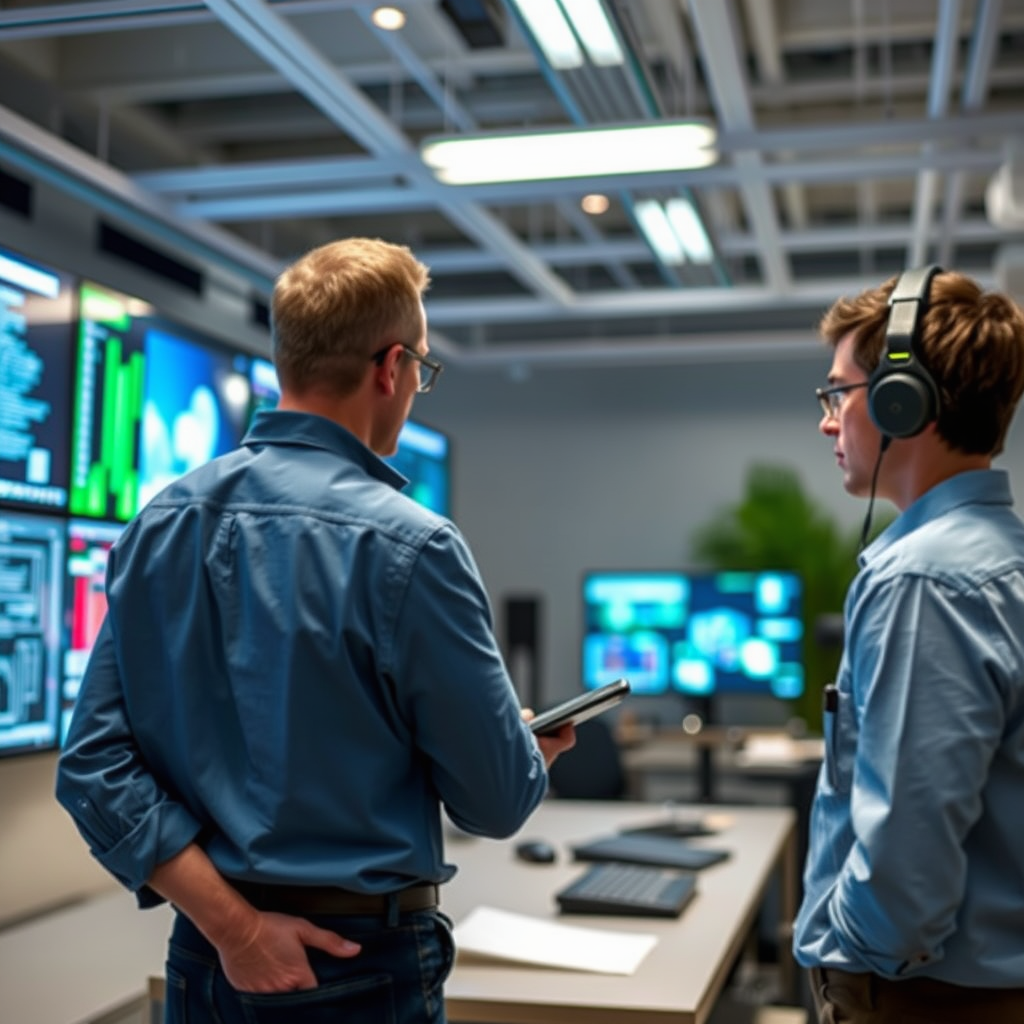
Cloud processing is a powerful solution that leverages vast server resources to handle large-scale video rendering tasks. Instead of relying on local hardware, which can be limited in capacity and power, cloud processing distributes the workload across a network of high-performance servers, enabling the handling of complex video rendering jobs seamlessly.
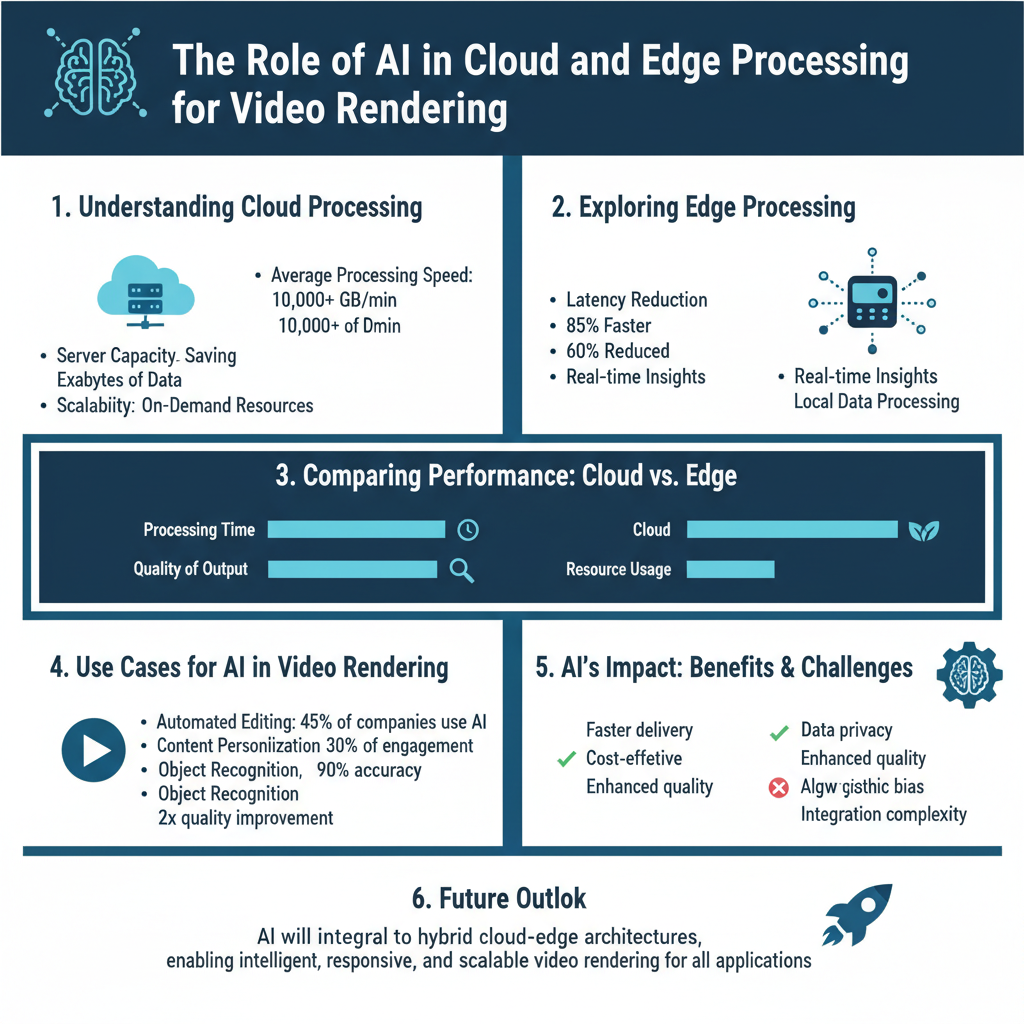
AI algorithms play a critical role in optimizing resource allocation and processing power within these cloud environments. By analyzing workload patterns and predicting resource demands, AI can dynamically allocate computational resources, ensuring that rendering tasks are completed efficiently. For instance, AI can automatically scale resources up during peak demand periods and scale them down when they are no longer needed, which not only enhances efficiency but also reduces costs. This intelligent management of resources allows for quicker rendering times and improved quality of output, making cloud processing a vital tool for content creators and businesses alike.
Exploring Edge Processing

Edge processing represents a shift towards decentralizing data processing by bringing it closer to the source of the data. This approach reduces latency by processing video data at or near the location where it is generated, rather than sending it back to a centralized cloud server. Such proximity is particularly beneficial for applications where real-time processing is crucial, such as live streaming events, online gaming, and augmented reality experiences.
AI plays a pivotal role in enhancing edge processing capabilities by enabling real-time analysis and rendering. For instance, AI algorithms can analyze video feeds on-the-fly, recognizing objects, detecting anomalies, or even enhancing video quality through smart adjustments. This immediate processing capability ensures that users experience minimal delays, which is essential for interactions that require instant feedback, such as online gaming or interactive video conferencing. Imagine playing a fast-paced game where every millisecond counts; AI-driven edge processing ensures that your gameplay remains smooth and responsive, enhancing the overall user experience.
Comparing Performance: Cloud vs. Edge
When it comes to performance, both cloud and edge processing have their unique strengths. Cloud processing excels in handling complex tasks due to its scalability. With virtually limitless resources at its disposal, cloud processing can tackle intricate rendering jobs that require significant computational power, such as 3D graphics rendering or extensive video editing tasks. For example, major film studios often rely on cloud processing for rendering high-definition visual effects that demand substantial resources.
On the other hand, edge processing provides faster response times, which is essential for interactive video experiences. The reduced latency of edge computing means that users can enjoy smoother streaming and quicker interaction with content. For instance, in live sports broadcasting, edge processing allows for real-time analytics and highlights to be displayed almost instantaneously, creating a more engaging experience for viewers.
In summary, while cloud processing is ideal for handling large-scale, resource-intensive tasks, edge processing shines in applications where speed and responsiveness are critical.
Use Cases for AI in Video Rendering
AI is making significant strides in enhancing video quality across both cloud and edge environments. One of the most notable applications is video upscaling, where AI algorithms analyze and enhance low-resolution content to produce high-definition output. This is particularly useful for streaming services that aim to provide viewers with the best possible experience, regardless of the original quality of the video.
In security applications, AI can process video feeds in real-time, identifying suspicious behavior or anomalies in surveillance footage. This capability not only improves security but also reduces the amount of data that needs to be stored, as only relevant footage can be flagged for review.
Moreover, in the gaming industry, AI-driven rendering solutions can dynamically adjust graphics settings based on the user’s hardware capabilities, ensuring a seamless experience. These tailored rendering solutions allow for a broader range of devices to access high-quality content, making gaming and streaming more accessible to a wider audience.
Challenges and Limitations
While the integration of AI in cloud and edge processing offers numerous advantages, there are also challenges and limitations to consider. In cloud processing, bandwidth bottlenecks can significantly affect video delivery, particularly during peak usage times. If the internet connection is slow or unreliable, users may experience buffering or degraded video quality.
Edge processing, while reducing latency, may struggle with limited computational power compared to its cloud counterparts. Devices at the edge, such as IoT devices or mobile phones, often have less processing capability than cloud servers. Consequently, while edge processing is fantastic for real-time applications, it may not be suitable for tasks requiring heavy computational resources, necessitating a hybrid approach where both cloud and edge processing are utilized.
Future Trends in AI Video Rendering
As technology continues to evolve, we can anticipate exciting advancements in AI-driven video rendering. One of the most significant trends on the horizon is the rise of 5G networks, which promise to dramatically enhance edge processing capabilities. With higher bandwidth and lower latency, 5G will enable even more sophisticated real-time applications, allowing for richer, more immersive experiences in gaming, virtual reality, and live streaming.
Furthermore, advancements in AI technology itself will lead to enhanced algorithms capable of more complex video processing tasks. These improvements will allow for better quality rendering, more efficient workflows, and even more personalized user experiences. For instance, AI may soon be able to analyze individual user preferences and adjust video content dynamically, creating a truly tailored viewing experience.
The integration of AI in cloud and edge processing is reshaping video rendering, making it faster, more efficient, and capable of meeting the demands of modern applications. As we embrace these advancements, staying informed about the latest developments will be crucial for content creators and businesses alike. Explore your options in AI-driven video rendering today and position yourself at the forefront of this exciting technological evolution!
Frequently Asked Questions
What is the difference between AI in cloud processing and edge processing for video rendering?
The primary difference between AI in cloud processing and edge processing for video rendering lies in where the data is processed. Cloud processing utilizes centralized data centers to perform complex computations, which can leverage powerful hardware and vast resources but may introduce latency. In contrast, edge processing occurs closer to the source of data, such as on local devices or edge servers, allowing for quicker processing times and reduced latency, making it ideal for real-time video rendering applications.
How does AI enhance video rendering performance in cloud environments?
AI enhances video rendering performance in cloud environments by optimizing resource allocation, reducing rendering times, and improving video quality through intelligent upscaling and compression techniques. Machine learning algorithms can analyze video content to predict rendering requirements, enabling more efficient use of cloud resources. This results in faster processing speeds and a smoother user experience, especially for large-scale video projects that benefit from the scalability of cloud infrastructure.
Why is edge processing becoming increasingly popular for video rendering with AI?
Edge processing is becoming increasingly popular for video rendering with AI due to its ability to reduce latency, enhance privacy, and improve the user experience. By processing video data closer to the source, edge computing minimizes the time taken for data to travel to and from centralized servers, making it ideal for applications like augmented reality (AR) and real-time streaming. Additionally, it helps in maintaining data security since sensitive information doesn’t have to be transmitted to the cloud for processing.
What are the best use cases for AI-driven video rendering in edge processing?
The best use cases for AI-driven video rendering in edge processing include real-time video surveillance, autonomous vehicles that require instant video analysis, and augmented or virtual reality applications that demand low latency. These scenarios benefit from the immediate processing capabilities of edge computing, enabling quick decision-making and delivering a seamless user experience without relying on cloud infrastructure, which can introduce delays.
Which technologies are essential for implementing AI in cloud and edge processing for video rendering?
Essential technologies for implementing AI in both cloud and edge processing for video rendering include powerful GPUs for parallel processing, machine learning frameworks like TensorFlow and PyTorch, and efficient networking protocols that support low-latency communications. Additionally, leveraging containerization technologies such as Docker can facilitate scalable deployment across cloud and edge environments, ensuring that AI models can be efficiently managed and delivered for optimal video rendering performance.
References
- Edge computing
- https://www.nature.com/articles/s41598-019-49856-0
- https://www.sciencedirect.com/science/article/pii/S1877050919317824
- Topics | IBM
- https://www.researchgate.net/publication/335950069_The_Role_of_Artificial_Intelligence_in_Edge_Computing
- https://www.bbc.com/news/technology-58681990
- https://www.techrepublic.com/article/how-ai-is-changing-the-landscape-of-cloud-computing/
- https://www.microsoft.com/en-us/research/publication/the-role-of-ai-in-cloud-and-edge-computing/