

AI plays a crucial role in enhancing real-time emergency broadcast displays by improving the speed, accuracy, and effectiveness of information dissemination during crises. By harnessing the power of machine learning and natural language processing, emergency management agencies are revolutionizing how they communicate vital information to the public. This article will explore the transformative impact of AI technologies in emergency management and communication strategies.
Understanding Real-Time Emergency Broadcasting
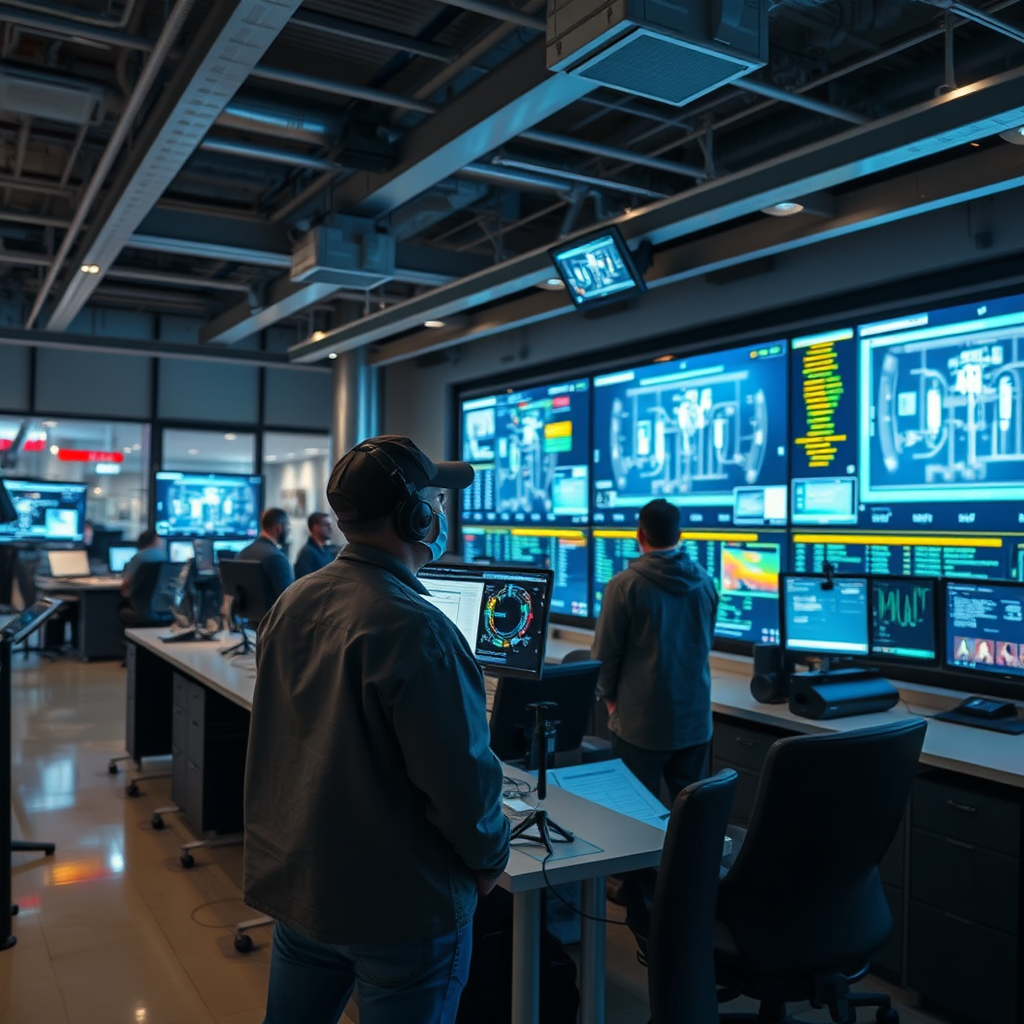
Real-time emergency broadcasting refers to the immediate and timely dissemination of critical information during crisis situations, such as natural disasters, public health emergencies, or terrorist threats. The importance of these broadcasts cannot be overstated; they can mean the difference between life and death, enabling people to make informed decisions quickly. Traditionally, emergency broadcasts relied on radio, television, and even sirens, which, while effective, often faced limitations in speed and reach.
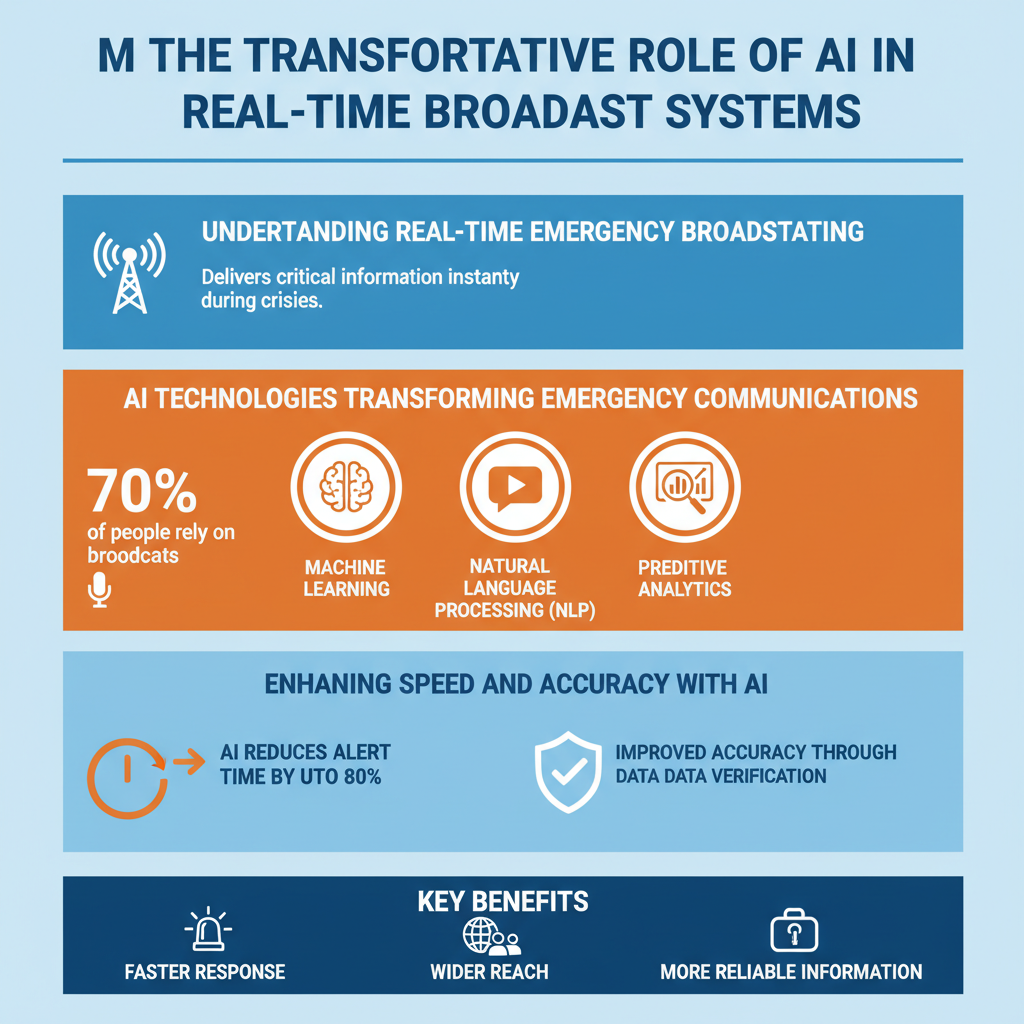
In contrast, modern AI-driven approaches leverage advanced technologies to ensure that information is accurate and disseminated to a wider audience in a fraction of the time. This shift not only improves public safety but also builds trust between emergency management authorities and the communities they serve. With AI, the real-time broadcasting landscape is becoming more dynamic, responsive, and effective.
AI Technologies Transforming Emergency Communications

AI technologies are at the forefront of transforming emergency communications, with two key areas leading the charge: machine learning and natural language processing.
Machine learning algorithms are capable of analyzing vast amounts of data in real time to identify patterns and predict potential threats. For example, during a wildfire, machine learning can analyze weather patterns, wind speeds, and vegetation types to assess the risk of fire spread. This predictive analysis allows emergency responders to allocate resources effectively and issue timely alerts to the public.
Natural language processing (NLP) plays a vital role in generating clear and concise emergency messages. NLP can automatically convert technical jargon into layman’s terms, ensuring that everyone understands the information being presented. For instance, during a health crisis, NLP can help translate complex medical data into straightforward public health advisories, ensuring that critical information reaches diverse audiences without confusion.
Enhancing Speed and Accuracy with AI
One of the most significant advantages of incorporating AI into emergency broadcasting is the enhancement of speed and accuracy. AI systems can analyze real-time data from various sources, including social media, weather reports, and emergency services. This analysis enables agencies to provide timely updates, ensuring that the public is informed of developing situations as they unfold.
Automated systems powered by AI can alert the public and emergency responders simultaneously, using multiple channels such as SMS alerts, social media notifications, and emergency apps. For example, the Integrated Public Alert and Warning System (IPAWS) in the United States utilizes AI to send alerts about severe weather, missing persons, and other emergencies to millions of users in seconds. This capability ensures that critical information is not only accurate but also reaches as many people as possible in the shortest amount of time.
Case Studies: AI in Action During Emergencies
Several successful implementations of AI during emergencies provide compelling evidence of its effectiveness. One striking example is the use of AI during the 2020 Australian bushfires. AI-driven predictive models were employed to assess fire behavior, enabling firefighters to prioritize resources and better manage the crisis. As a result, response times improved significantly, and the loss of life and property was minimized.
Another notable case occurred during Hurricane Harvey in 2017, where AI algorithms analyzed social media data to identify areas in need of immediate assistance. This data-driven approach allowed emergency responders to deploy resources to affected neighborhoods more efficiently, thereby improving the overall response time and effectiveness of rescue operations.
These case studies demonstrate that when AI technologies are integrated into emergency management, the outcomes can lead to more efficient and effective responses, saving lives and mitigating damage.
Challenges and Ethical Considerations
While the integration of AI in emergency broadcasting presents numerous advantages, there are also challenges and ethical considerations to address. One potential pitfall is the reliance on AI systems for critical communications. If these systems fail or provide inaccurate information, the consequences can be dire, potentially leading to public panic or misplaced resources.
Ethical implications also arise, particularly concerning misinformation and data privacy. During a crisis, the spread of false information can exacerbate the situation. AI systems need robust mechanisms to verify the accuracy of information before dissemination. Additionally, concerns about data privacy must be prioritized, ensuring that personal information used by AI systems is handled responsibly and ethically.
As emergency management agencies incorporate AI, it is crucial to establish guidelines and protocols that prioritize both public safety and ethical considerations.
Future Trends in AI Emergency Management
Looking ahead, the future of AI in emergency management is bright, with several anticipated advancements on the horizon. One prediction is the increased use of AI-driven drones and robotics for real-time assessments in hazardous environments. These technologies could provide first responders with vital information without putting human lives at risk.
Furthermore, community engagement and public feedback will play a significant role in shaping future AI systems. By involving the community in the design and implementation of emergency communication strategies, agencies can ensure that the systems are user-friendly and tailored to the specific needs of the population.
As AI continues to evolve, its potential to enhance emergency broadcasting will only grow, leading to even more effective and efficient responses in times of crisis.
The integration of AI in real-time emergency broadcast displays represents a significant advancement in public safety communication. By leveraging AI technologies, emergency management agencies can provide timely, accurate, and actionable information to individuals and communities in need. As we continue to face new challenges, embracing these innovations will be essential for improving our collective response to emergencies. Through a combination of advanced technology and community collaboration, we can create a safer future for everyone.
Frequently Asked Questions
What is the role of AI in real-time emergency broadcast displays?
AI plays a crucial role in real-time emergency broadcast displays by analyzing vast amounts of data rapidly to deliver timely and accurate information during crises. It enables systems to assess threats, prioritize alerts, and tailor messages based on the audience’s location and needs. This technology enhances the effectiveness of communication during emergencies, ensuring that vital information reaches the public promptly.
How does AI improve the effectiveness of emergency alert systems?
AI improves the effectiveness of emergency alert systems by utilizing machine learning algorithms to predict potential threats and optimize message dissemination. These systems can analyze social media trends, weather patterns, and historical data to identify emerging risks and automate alerts. By ensuring that messages are contextually relevant and delivered through the most effective channels, AI significantly increases public awareness and response rates during emergencies.
Why is real-time data crucial for emergency broadcast displays using AI?
Real-time data is essential for emergency broadcast displays using AI because it allows for immediate updates and accurate situational awareness. In emergencies, conditions can change rapidly, and having access to live data ensures that alerts reflect the most current information. This capability helps prevent misinformation, keeps the public informed, and supports timely decision-making by emergency response teams.
What are the best practices for integrating AI into emergency broadcast systems?
The best practices for integrating AI into emergency broadcast systems include ensuring robust data integration from various sources, such as weather services and social media, to provide comprehensive situational awareness. Additionally, organizations should prioritize user-friendly interfaces that allow emergency managers to easily access and customize alerts. Regular testing and updates of AI algorithms are also crucial to maintain accuracy and effectiveness in changing environments.
Which industries benefit the most from AI-driven real-time emergency broadcast displays?
Industries that benefit the most from AI-driven real-time emergency broadcast displays include public safety, healthcare, transportation, and education. In public safety, AI can facilitate quicker emergency alerts to residents during natural disasters. Healthcare facilities can use these systems to communicate critical health alerts, while transportation sectors can inform travelers about emergencies affecting travel routes. Educational institutions can keep students and staff safe by providing timely updates during emergencies on campus.
References
- Emergency management
- https://www.fema.gov/emergency-communications
- https://www.ncbi.nlm.nih.gov/pmc/articles/PMC7380389/
- https://www.sciencedirect.com/science/article/pii/S2352864819300627
- https://www.theguardian.com/technology/2021/jul/29/ai-risks-emergency-communications
- IBM watsonx
- https://www.nist.gov/news-events/news/2020/05/using-ai-improve-emergency-communication
- https://www.cdc.gov/cpr/ai/index.htm